

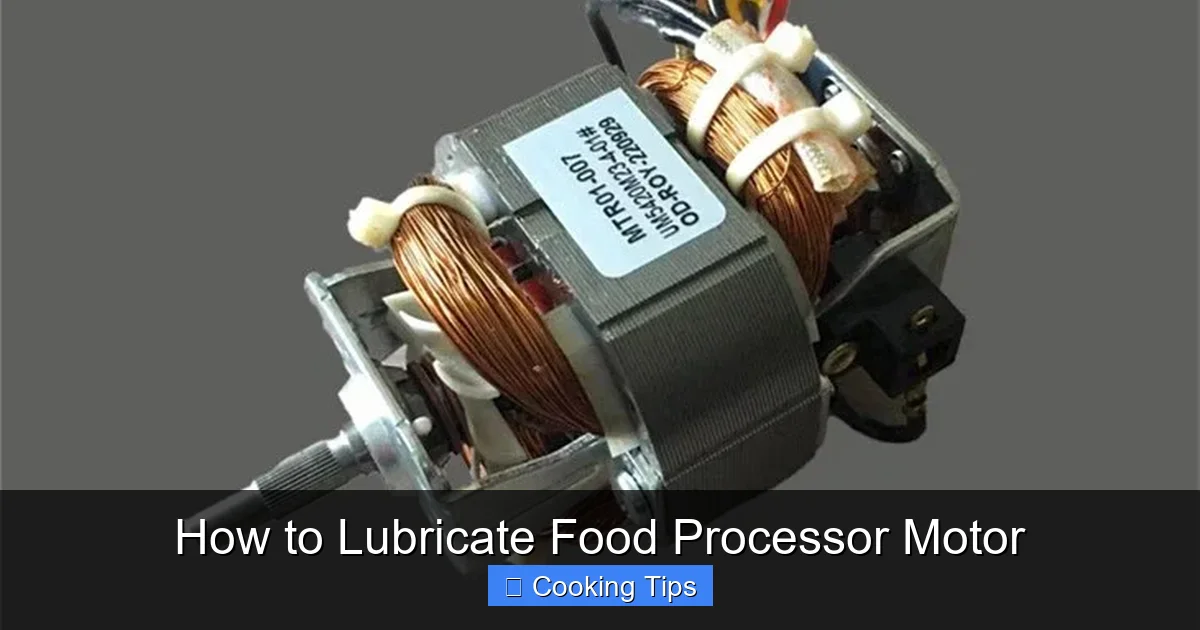
Is your food processor making unusual noises or struggling to perform? Proper lubrication of the motor can breathe new life into it. This comprehensive guide walks you through the essential steps to safely and effectively lubricate your food processor motor, ensuring optimal performance and longevity. Follow along to keep your kitchen workhorse running smoothly for years to come.
How to Lubricate Food Processor Motor
Does your trusty food processor sound like it’s protesting a bit more than usual? Perhaps it’s not spinning as smoothly as it once did, or maybe there’s a faint squeaking sound that’s starting to get on your nerves. If so, it might be time to give your kitchen’s culinary workhorse a little TLC. One of the most effective ways to revive a struggling food processor is by lubricating its motor. This simple maintenance task can significantly improve performance, reduce noise, and extend the overall lifespan of your appliance.
In this comprehensive guide, we’ll walk you through everything you need to know about lubricating your food processor motor. We’ll cover why it’s important, what tools you’ll need, and provide clear, step-by-step instructions to get the job done safely and effectively. By the end of this guide, you’ll have the confidence to tackle this task yourself and keep your food processor running like a dream.
Key Takeaways
- Understand the Purpose: Lubricating your food processor motor reduces friction, prevents wear and tear, and keeps it running quietly and efficiently.
- Safety First: Always unplug your food processor before attempting any maintenance, including lubrication, to avoid electrical shock.
- Identify the Lubrication Points: Locating the specific areas that require lubrication is crucial; this often involves accessing the motor housing.
- Choose the Right Lubricant: Use food-grade, heat-resistant lubricant specifically designed for small appliances or motors. Avoid common household oils.
- Follow Manufacturer Instructions: Always refer to your food processor’s user manual for any model-specific lubrication recommendations or warnings.
- Gentle Application is Key: Apply lubricant sparingly to avoid over-saturation, which can attract dust and damage the motor.
- Regular Maintenance: Periodic lubrication, as recommended by the manufacturer or when noticing performance issues, will significantly extend your appliance’s life.
Why Lubricate Your Food Processor Motor?
Think of the motor as the heart of your food processor. Inside, there are moving parts, like bearings and shafts, that work tirelessly to spin those sharp blades at impressive speeds. Just like any moving machinery, these parts create friction as they operate. Over time, this friction can lead to wear and tear, increased heat, and eventually, reduced efficiency and a shorter lifespan for the motor.
Lubrication plays a vital role in mitigating these issues. A good lubricant acts as a protective barrier between moving parts, reducing friction and heat. This translates to:
- Smoother Operation: The motor will spin with less resistance, leading to a more fluid and consistent performance.
- Reduced Noise: Squeaking and grinding sounds are often signs of dry or worn motor components. Lubrication can silence these unwanted noises.
- Preventing Wear and Tear: By reducing friction, you’re minimizing the physical stress on the motor’s internal parts, which helps them last longer.
- Improved Efficiency: A well-lubricated motor uses less energy to perform its tasks, potentially leading to slightly lower power consumption.
- Preventing Overheating: Friction generates heat. Less friction means less heat, which is crucial for preventing damage to the motor windings and other components.
While many modern food processor motors are designed to be low-maintenance and may not require frequent lubrication, some models, especially older ones or those used very heavily, can benefit from periodic attention.
When Should You Lubricate Your Food Processor Motor?
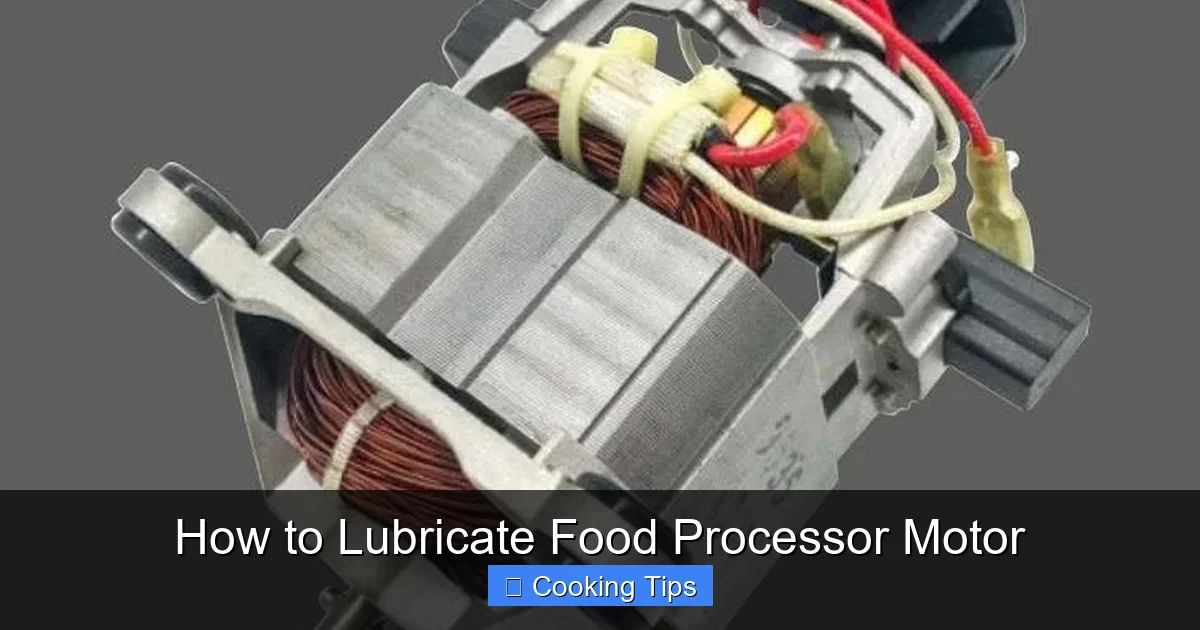
Visual guide about How to Lubricate Food Processor Motor
Image source: tw-motor.com
The best indicator that your food processor might need lubrication is a change in its performance or sound. Look out for:
- Increased Noise: Any new squeaking, grinding, or humming sounds that weren’t there before.
- Reduced Speed or Power: If the motor seems to be struggling, even with lighter loads.
- Overheating: If the motor housing feels unusually hot to the touch after normal use.
- Visible Signs of Wear: Though less common to see, if you’ve disassembled the unit for cleaning and notice dry or corroded-looking parts.
- Manufacturer Recommendations: Your user manual is your best friend! Check it for any specific lubrication intervals or guidelines for your model. Some manufacturers may advise against user lubrication altogether.
If you’re unsure, it’s always better to err on the side of caution. However, don’t overdo it. Lubricating too often or with the wrong type of lubricant can do more harm than good.
What You’ll Need
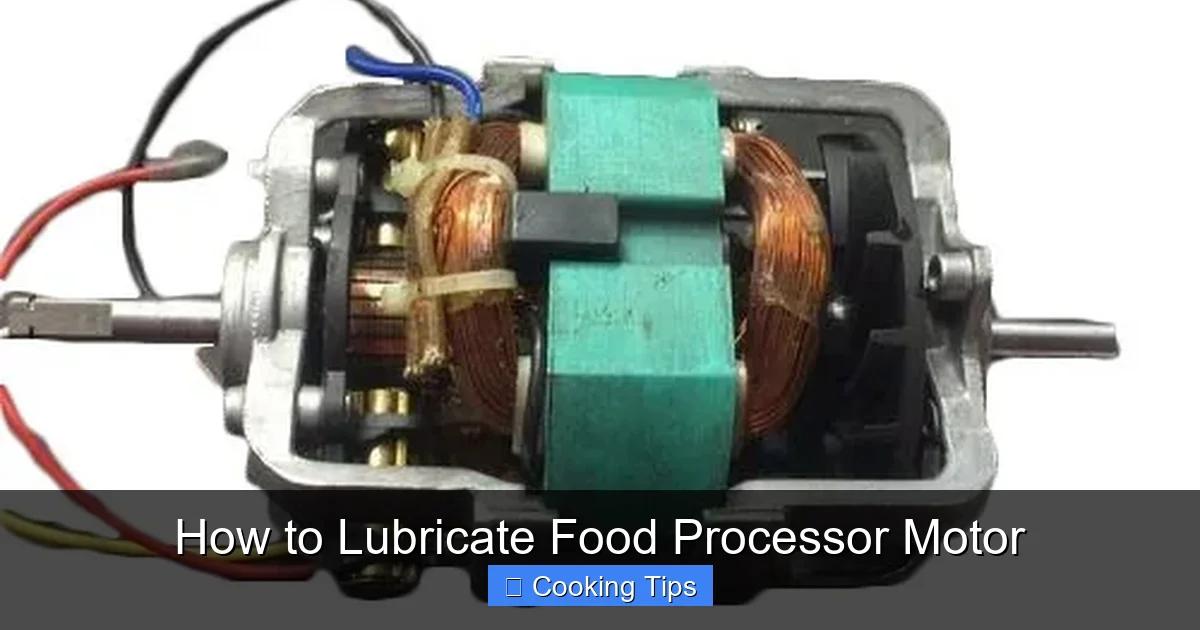
Visual guide about How to Lubricate Food Processor Motor
Image source: 4.imimg.com
Before you begin, gather these essential items. Having everything ready will make the process smooth and efficient.
- Your Food Processor: Of course!
- User Manual: This is crucial for model-specific instructions.
- Food-Grade Lubricant: This is non-negotiable. Use a lubricant specifically designed for food processing equipment or small appliances. Look for products labeled as food-safe, NSF H1 registered, or suitable for high-temperature applications. Common household oils like WD-40 are NOT suitable as they are not food-grade and can degrade over time. Silicone-based lubricants are often a good choice for this application.
- Small Screwdriver Set: You’ll likely need a Phillips head or flathead screwdriver to remove the base of the food processor.
- Small Brush or Cotton Swabs: For precise application of the lubricant.
- Clean Cloths or Paper Towels: For wiping away any excess lubricant or dust.
- Optional: Gloves: To keep your hands clean.
Step-by-Step Guide to Lubricating Your Food Processor Motor
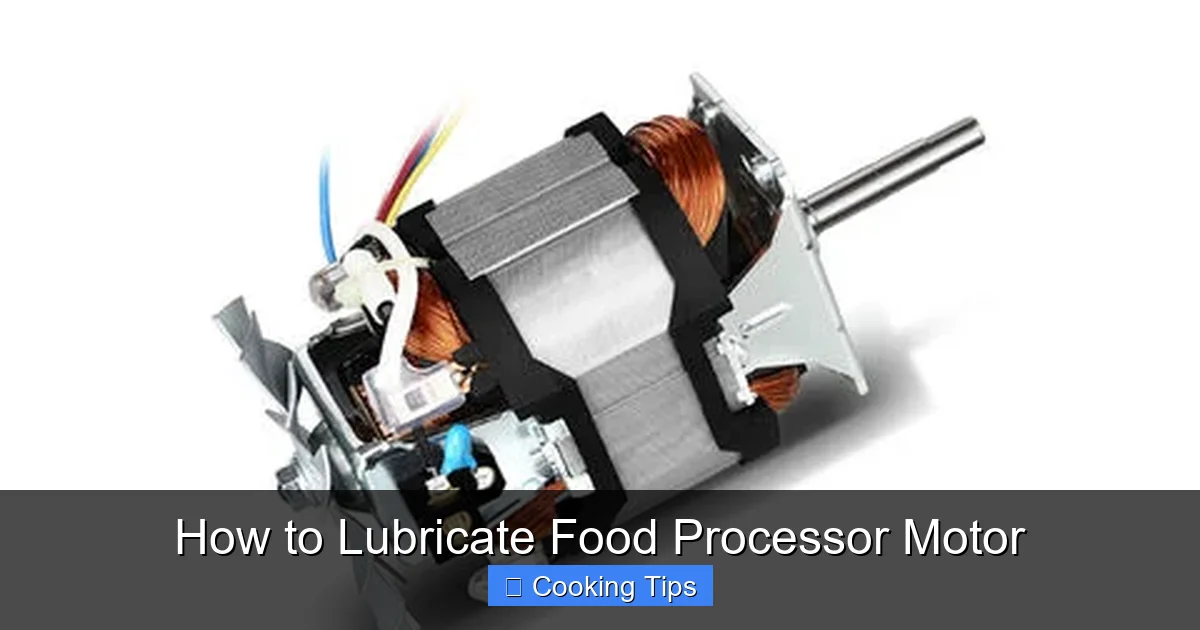
Visual guide about How to Lubricate Food Processor Motor
Image source: p.globalsources.com
Remember, safety is paramount. Before you start, always ensure your food processor is unplugged from the power outlet.
Step 1: Prepare Your Workspace and Unplug the Unit
Choose a well-lit, clean, and stable surface to work on. Clear away any clutter. Locate the power cord for your food processor and ensure it is completely unplugged. Double-check that the appliance is not connected to any power source. This is a critical safety step to prevent accidental activation and potential injury.
Step 2: Consult Your User Manual
This is a vital step that many people overlook. Your food processor’s manufacturer knows its appliance best. Open your user manual and look for sections related to maintenance, troubleshooting, or motor care. There might be specific instructions on how to access the motor, where to lubricate, and what type of lubricant to use, if any. Some manufacturers may even advise against user lubrication, in which case, you should respect that guidance.
Step 3: Disassemble the Food Processor Base
Most food processors have a base unit that houses the motor. You’ll typically need to flip the unit over to access the underside of the base.
Locating Fasteners
Examine the bottom of the food processor base. You should see screws that hold the housing together. These are usually standard Phillips head screws.
Removing the Base Screws
Using the appropriate screwdriver from your set, carefully remove all the screws from the bottom of the base. Keep them in a safe place, perhaps in a small container or a magnetic tray, so you don’t lose them.
Separating the Base Housing
Once the screws are removed, you may be able to gently pull apart the bottom cover of the base. It might be a snap-fit in some areas, so use gentle pressure. If it feels stuck, check again for any hidden screws or clips. Sometimes, you might need to carefully pry it open with a plastic prying tool or a thin, flathead screwdriver at the seams, being careful not to damage the plastic.
Step 4: Identify the Motor and Lubrication Points
With the base cover removed, you’ll see the internal components, including the motor itself. The motor is usually a cylindrical component with wires connecting to it.
Locating Bearings or Shafts
Look for areas where metal parts move against each other. These are often small bearings or the main shaft that extends from the motor to drive the blade assembly. On some models, there might be small access holes or grease nipples specifically designed for lubrication. Refer back to your manual if you’re unsure where these points are. Common areas include:
- Motor Shaft: The main rotating shaft extending from the motor.
- Bearings: Small circular components that support rotating shafts.
- Gears (if accessible): Some food processors have visible gear mechanisms within the base.
Often, the motor itself has bearings on either side of its rotor. These are the primary points that need lubrication to reduce friction and noise.
Step 5: Apply the Food-Grade Lubricant
This is where precision is key. You want to apply just enough lubricant to do the job without overdoing it.
Using a Small Brush or Cotton Swab
Dip a small brush or a cotton swab into your food-grade lubricant. You only need a small amount.
Applying Sparingly
Gently apply a thin, even coat of lubricant to the identified lubrication points. For motor shafts, apply it around the perimeter where it enters the motor housing or where it connects to other components. For bearings, try to get a small amount onto the metal surfaces of the bearing.
Avoid Over-Saturation
It’s better to apply too little and add more if needed than to apply too much. Excessive lubricant can attract dust and debris, which can gum up the motor and cause more problems. It can also potentially drip onto food if not handled carefully.
Step 6: Reassemble the Food Processor Base
Once you’ve applied the lubricant, it’s time to put everything back together.
Aligning the Housing
Carefully align the base housing you removed with the rest of the unit. Ensure there are no wires or components caught between the two parts.
Securing the Screws
Once the housing is in place, reinsert all the screws you removed earlier. Tighten them securely but avoid over-tightening, which could strip the threads or crack the plastic.
Step 7: Test the Food Processor
With the base reassembled, plug your food processor back into the power outlet. Turn it on without any ingredients inside to test its operation. Listen for any unusual noises and observe how smoothly it runs. You should notice a reduction in noise and a smoother spin.
Tips for Success
* Read Your Manual! We can’t stress this enough. It’s the definitive source for your specific appliance.
* Use the RIGHT Lubricant: Never use cooking oil, petroleum jelly, or standard household lubricants. They can break down, attract contaminants, and damage the motor. Always opt for food-grade, appliance-specific lubricants.
* Less is More: A tiny amount of lubricant is usually sufficient. You’re aiming for a thin film, not to drown the parts.
* Cleanliness is Crucial: Ensure the areas you are lubricating are free from dust and old, dried-up lubricant before applying the new stuff. A quick wipe with a dry cloth should suffice.
* Consider Bearing Types: Some motors have sealed bearings that do not require lubrication. If your manual indicates sealed bearings, do not attempt to lubricate them.
* Frequency: Unless your manual specifies otherwise, lubricating your food processor motor is not a frequent task. It’s typically done only when you notice performance issues or as part of a deep maintenance routine every few years for heavily used units.
Troubleshooting Common Issues
* Still Noisy After Lubrication: If the noise persists, the issue might be something else. It could be worn gears, a damaged blade assembly, or a motor that is failing beyond repair. In this case, it might be time to contact the manufacturer for repair options or consider replacing the appliance.
* Motor Seems Weaker: If lubrication doesn’t improve motor power, it could indicate a more serious electrical issue within the motor or power supply. This is beyond simple DIY maintenance and might require professional service.
* Lubricant Dripping Out: This usually means too much lubricant was applied. Wipe away the excess with a clean cloth. Ensure you’ve reassembled the base correctly so there are no gaps for lubricant to escape.
Conclusion
Taking the time to lubricate your food processor motor can be a rewarding maintenance task that pays dividends in performance and longevity. By following these steps, understanding the importance of using the correct food-grade lubricant, and always prioritizing safety, you can keep your kitchen companion running efficiently for many more culinary adventures. Remember, a little proactive care can prevent costly repairs and keep your food processor at its best, ready to tackle all your chopping, blending, and pureeing needs. Happy processing!
