

Tired of a cluttered kitchen counter and misplaced food processor attachments? This comprehensive guide will teach you how to effectively store your food processor accessories, from blades and bowls to various discs. Learn organization strategies, cleaning tips, and creative solutions to keep your kitchen tidy and your valuable tools in pristine condition, ready for your next culinary adventure. Maximize your kitchen space and extend the life of your food processor attachments with these expert storage techniques.
A food processor is a true kitchen workhorse. It chops, purees, slices, dices, and so much more, making meal preparation a breeze. But with all those amazing functions come a lot of parts: blades, discs, bowls, lids, and sometimes even extra attachments. If you’ve ever found yourself rummaging through a drawer, a cabinet, or even a bin, desperately searching for that one specific blade or disc, you know the frustration of disorganized food processor accessories. This guide is here to help. We’ll walk you through effective strategies for storing your food processor accessories, ensuring they are safe, accessible, and well-protected. Get ready to reclaim your kitchen space and keep your culinary tools in top-notch condition!
Key Takeaways
- Protect Your Blades: Always store blades in a way that prevents them from dulling or causing injury. Using blade guards or dedicated storage solutions is crucial for safety and longevity.
- Maximize Vertical Space: Utilize wall space or the inside of cabinets with organizers and hooks to keep attachments off countertops and out of drawers.
- Group Similar Items: Store blades together, discs together, and bowls together to make finding what you need quick and easy.
- Invest in Dedicated Organizers: Consider specialized food processor storage containers or drawer inserts designed to fit your specific model’s accessories.
- Keep Everything Clean and Dry: Ensure all accessories are thoroughly cleaned and completely dry before storing to prevent rust, mold, and odor buildup.
- Consider Drawer Dividers: For cabinet or drawer storage, dividers are excellent for keeping individual pieces separated and preventing them from clattering.
- Utilize Original Packaging (When Possible): If your food processor came with a storage case or individual sleeves, use them. They are designed for optimal protection.
Why Proper Storage Matters
Before we dive into the “how,” let’s quickly touch on the “why.” Proper storage of your food processor accessories isn’t just about aesthetics; it’s about practicality and safety. When your blades are jumbled together, they can dull each other, making them less effective and shortening their lifespan. Loose parts can be a safety hazard, especially sharp blades. Furthermore, well-organized accessories mean you can find what you need quickly, making your cooking experience smoother and more enjoyable. Imagine effortlessly grabbing the right disc for slicing vegetables or the perfect blade for making pesto – that’s the power of good organization!
Step 1: Clean and Dry Everything Thoroughly
This is the absolute first step, no matter where you plan to store your accessories. Any food residue left behind can lead to mold, bacteria growth, or unpleasant odors. Rust is also a serious concern, especially for metal components like blades and discs.
Visual guide about How to Store Food Processor Accessories
Image source: kitchenseer.com
Washing Your Accessories
- For Removable Parts (Bowls, Lids, Pusher, etc.): Most of these are dishwasher safe, usually on the top rack. Check your food processor’s manual for specific instructions. If you prefer handwashing, use warm, soapy water and a non-abrasive sponge.
- For Blades and Discs: These are typically hand-wash only to maintain their sharpness and prevent damage from harsh dishwasher detergents or excessive heat. Use warm, soapy water and a soft brush or sponge. Be extremely careful when handling sharp blades.
Drying Your Accessories
- Air Dry Completely: After washing, place all accessories on a drying rack and allow them to air dry completely. This is especially important for metal parts.
- Towel Dry (Carefully): For quicker drying or to ensure no moisture remains, gently towel dry each piece with a clean, lint-free cloth. Again, be very cautious when drying blades and discs. Ensure no water is trapped in nooks or crannies.
This meticulous cleaning and drying process is foundational to preventing damage and ensuring your accessories are ready for safe storage.
Step 2: Assess Your Storage Space and Needs
The best storage solution for your food processor accessories will depend on several factors:
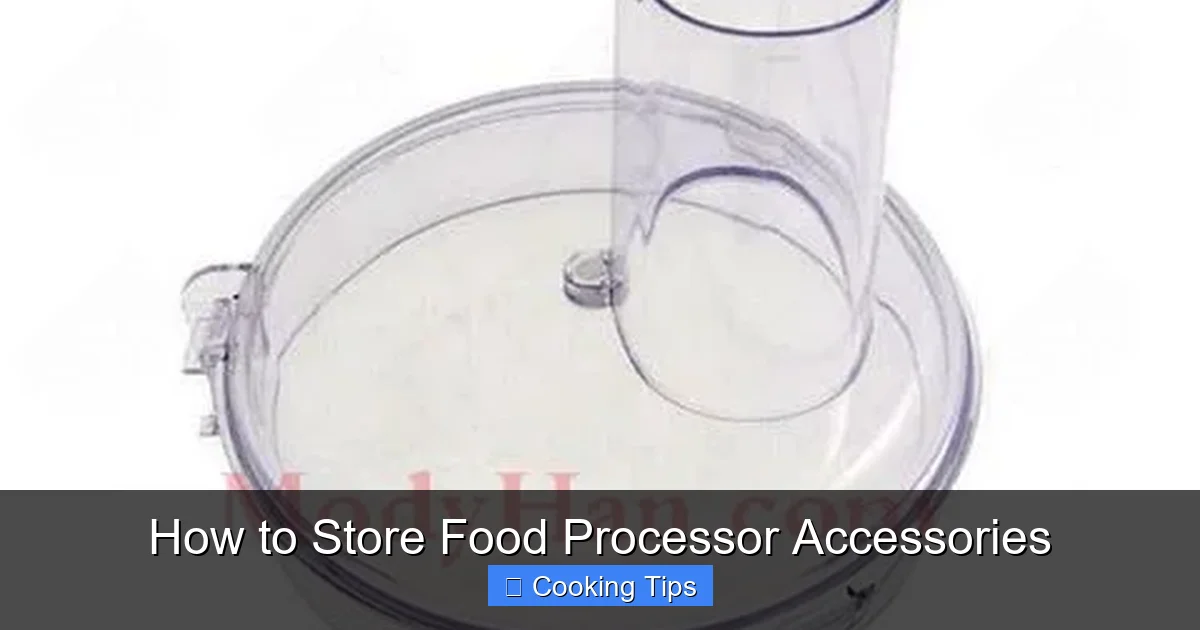
Visual guide about How to Store Food Processor Accessories
Image source: modyhan.com
Your Kitchen Layout
- Countertop Space: Do you have limited counter space, or is it a prime real estate you prefer to keep clear?
- Cabinet and Drawer Space: How much usable space do you have in your kitchen cabinets and drawers? Are they deep, shallow, wide, or narrow?
- Wall Space: Do you have any unused wall space that could be utilized with hooks or shelving?
Your Food Processor Model
- Number of Accessories: Some food processors come with a vast array of discs and attachments, while others have a more basic set.
- Size of Accessories: Larger bowls or bulkier attachments might require more specialized storage.
- Original Storage Solution: Did your food processor come with a storage box, base, or individual sleeves? If so, this is often the most ideal starting point.
Your Personal Preferences
- Accessibility: Do you want your most-used accessories to be easily accessible, or are you okay with them being stored away?
- Aesthetics: Do you prefer a tidy, hidden look, or are you okay with some accessories being visible if they look organized?
Taking stock of these elements will help you narrow down the best storage methods for your specific situation.
Step 3: Explore Different Storage Solutions
Now for the fun part – finding the perfect home for your food processor accessories! Here are several popular and effective methods:
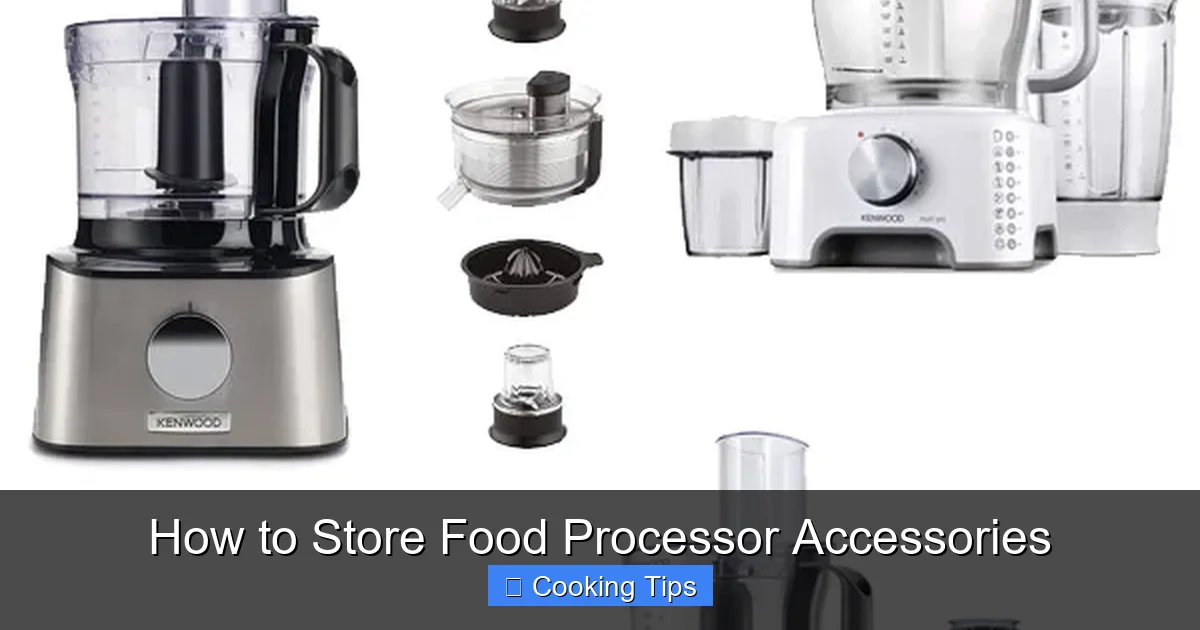
Visual guide about How to Store Food Processor Accessories
Image source: modyhan.com
A. Utilize the Original Storage Container (If Available)
Many food processor manufacturers include a dedicated storage box, base, or set of sleeves with their appliances. These are often designed to perfectly fit the accessories for that specific model, offering excellent protection and organization.
Benefits:
- Perfect Fit: Accessories are designed to nestle securely.
- Protection: Keeps blades from banging against each other.
- Convenience: Everything for your food processor is in one place.
How to Use:
- Ensure accessories are clean and dry.
- Refer to the original manual or the container itself for the intended placement of each item.
- Store the container in a cabinet, pantry, or even on a low shelf of your counter if space allows.
B. Drawer Organization
Drawers are a common place to store kitchen utensils, and food processor accessories can fit right in with the right organization.
Drawer Dividers
- What They Are: These are adjustable or fixed partitions that create separate compartments within a drawer.
- How to Use: Place dividers to create sections for blades, discs, and other attachments. This prevents items from shifting and clattering. Store blades with their guards on, if provided.
- Tip: Look for expandable dividers that can be customized to your drawer size.
Drawer Inserts/Organizers
- What They Are: These are pre-made trays or containers designed to fit inside drawers, often with specific slots or compartments.
- How to Use: Some organizers have a universal design, while others are specifically made for food processor accessories.
- Tip: Measure your drawer dimensions carefully before purchasing.
DIY Drawer Solutions
- Cardboard Boxes: Cut down small cardboard boxes or repurpose sturdy food packaging to create custom compartments.
- Plastic Containers: Small plastic food storage containers can also be arranged within a drawer to hold individual items.
C. Cabinet Storage Solutions
If drawers are overflowing or not ideal, cabinets offer another viable storage option.
Stackable Containers and Bins
- What They Are: Clear plastic bins or containers that can be stacked.
- How to Use: Designate a bin for your food processor accessories. You can group similar items together within the bin (e.g., all discs in one, all blades in another).
- Tip: Choose bins with lids to prevent dust accumulation, or open-top bins for easier access if stored in a pantry.
Turntables (Lazy Susans)
- What They Are: Rotating platforms.
- How to Use: Place smaller containers or accessories directly on a turntable within a cabinet. This makes it easy to spin and access items without having to reach to the back.
- Tip: Great for storing discs and smaller attachments.
Tension Rods and Small Shelves
- What They Are: Adjustable rods or small shelves designed to create extra levels within a cabinet.
- How to Use: You can use tension rods to create horizontal dividers for storing flat items like discs. Small shelves can add vertical space.
- Tip: Ensure the rods and shelves are strong enough to support the weight of your accessories.
D. Wall-Mounted and Vertical Storage
Don’t underestimate the power of vertical space!
Pegboards
- What They Are: A board with holes that you can insert hooks and shelves into.
- How to Use: Install a pegboard in your pantry or on an unused wall. Use S-hooks to hang bowls, lids, and even some discs (with caution). Small baskets can hold blades or smaller attachments.
- Tip: This offers highly customizable organization.
Magnetic Strips
- What They Are: Strong magnetic strips that can be mounted on a wall or the inside of a cabinet door.
- How to Use: While not suitable for sharp blades, these are excellent for metal components like certain types of discs or small metal parts if your food processor has them.
- Tip: Ensure the magnet is strong enough to securely hold the item.
Hooks
- What They Are: Adhesive or screw-in hooks.
- How to Use: Mount hooks on the inside of cabinet doors or on a wall. Hang bowls by their handles or lids by a pre-drilled hole (if available).
- Tip: Use strong adhesive hooks for lighter items to avoid damaging cabinet doors.
E. Specialized Food Processor Storage Solutions
You can also find storage solutions specifically designed for food processor accessories.
Dedicated Storage Cases
- What They Are: Often made of plastic, these cases have molded compartments designed to hold specific blades, discs, and other parts for popular food processor brands.
- How to Use: Simply place your clean, dry accessories into their designated spots.
- Tip: Search online retailers for cases compatible with your food processor model.
Blade Sleeves/Guards
- What They Are: Plastic or rubber sleeves that cover the sharp blades.
- How to Use: Always use these if they came with your food processor. They protect the blades and prevent accidental cuts.
- Tip: If you lost yours, you can often purchase replacements.
Step 4: Organize and Arrange Your Accessories
Once you’ve chosen your storage method, it’s time to put everything in its place.
Group Similar Items
- Keep all your blades together.
- Store all slicing and shredding discs in one area.
- Keep bowls, lids, and pushers together.
Prioritize Accessibility
- Place your most frequently used accessories in the easiest-to-reach spots. For example, if you often slice vegetables, keep your slicing disc front and center.
Protect Sharp Edges
- Always store blades with their protective guards or sleeves on.
- When placing blades in a container, ensure they are nestled securely and not touching other metal parts that could dull them.
Labeling (Optional but Recommended)
- If you have many similar-looking discs (e.g., different thickness slicing discs), consider labeling them with a permanent marker or small label maker for quick identification.
Troubleshooting Common Storage Issues
Even with the best intentions, you might run into a few hiccups:
Issue: Not enough space.
- Solution: Re-evaluate your kitchen. Can you free up some space in a less-used cabinet or pantry? Consider decluttering other kitchen items to make room. Explore vertical storage options more thoroughly.
Issue: Blades feel dull or nicked.
- Solution: This indicates they are likely rubbing against other metal items. Ensure you are using blade guards and that accessories are stored securely without shifting. Consider investing in a dedicated storage case.
Issue: Accessories have rust spots.
- Solution: This means they weren’t dried thoroughly. For minor rust, you can try scrubbing gently with a paste of baking soda and water or a rust eraser. For significant rust, the accessory may need to be replaced. In the future, always ensure complete drying.
Issue: Mold or mildew growth.
- Solution: Accessories were stored while still damp. Clean them thoroughly with warm, soapy water and a mild bleach solution if necessary. Ensure they are completely dry before returning them to storage.
Issue: Parts keep falling out of their storage.
- Solution: Your containers might be too large, or the items aren’t arranged snugly. Try using smaller containers within larger bins, adding dividers, or using filler materials like small towels or food-safe foam to prevent movement.
Conclusion
Organizing your food processor accessories might seem like a small task, but it can have a significant impact on your kitchen’s functionality and your enjoyment of cooking. By following these steps – cleaning and drying meticulously, assessing your space, exploring diverse storage solutions, and arranging thoughtfully – you can transform a cluttered mess into an organized system. Whether you opt for a dedicated storage case, clever drawer dividers, or innovative wall-mounted solutions, the goal is the same: to protect your valuable tools, ensure your safety, and make your food processor readily accessible for every culinary endeavor. Happy organizing, and happy cooking!
