


Visible smoke, warping, burning oil, and food scorching are key signs your pan is overheating.
I’ve cooked professionally and at home for years, so I know how quickly a pan can go from perfect to overheated. This guide explains pan overheating signs while cooking, why they happen, how to spot them fast, and what to do to protect your cookware, food, and kitchen. Read on for clear, practical advice you can use at the stove tonight.
Why pans overheat and what that means
Pans overheat when heat builds faster than the pan or food can absorb. High heat, thin cookware, or empty pans on a hot burner cause quick temperature spikes. Recognizing pan overheating signs while cooking helps you stop damage before it ruins your meal or the pan.

Common pan overheating signs while cooking
Below are the most common, easy-to-spot pan overheating signs while cooking. Learn them and you’ll avoid burnt food and damaged pans.
-
Visible smoke rising from the pan
- Smoke is the most obvious sign. If oil or the pan itself starts to smoke, the surface is too hot.
-
Oil smoking or turning dark quickly
- Different oils have smoke points. Rapid smoking means the pan exceeded that point.
-
Food sticking or burning very fast
- Even with oil, food that chars in seconds shows the pan is too hot.
-
Loud sizzling or popping sounds
- Popping oil or violently sputtering moisture indicates excessive heat.
-
Discoloration or blue/gray tint on the pan surface
- Heat can change the color of stainless steel and nonstick coatings.
-
Warping or rattling on flat burners
- Metal that warps has been exposed to extreme heat or rapid cooling.
-
Strong burnt smell that lingers
- A sharp, acrid odor during cooking points to overheating.
-
Flames or sudden flare-ups on the stovetop
- This is dangerous and immediate action is required.
-
Uneven cooking and hot spots
- If parts of your food burn while other parts remain raw, the pan may be overheating in patches.
What causes pan overheating signs while cooking
Knowing the causes helps you prevent these signs. Here are the typical reasons pans overheat.
-
Using too-high heat for the pan or cookware type
- Many home cooks use high heat when medium would suffice.
-
Heating an empty pan
- An empty pan reaches extreme temperatures within seconds.
-
Thin or low-quality cookware
- Thin metals heat unevenly and can spike in temperature quickly.
-
Wrong oil choice
- Oils with low smoke points will smoke and burn sooner.
-
Leaving pans unattended
- Even a brief distraction can let a pan cross the overheating threshold.
-
Stove burner miscalibration
- Older or damaged stoves can produce hotter flames than dialed settings suggest.

How to prevent and fix pan overheating while cooking
Follow these steps to avoid pan overheating signs while cooking and to salvage a pan if you spot early damage.
-
Use the right heat level
- Start on medium and only increase heat when necessary. Most searing and sautéing work well on medium-high, not full blast.
-
Preheat correctly and with oil
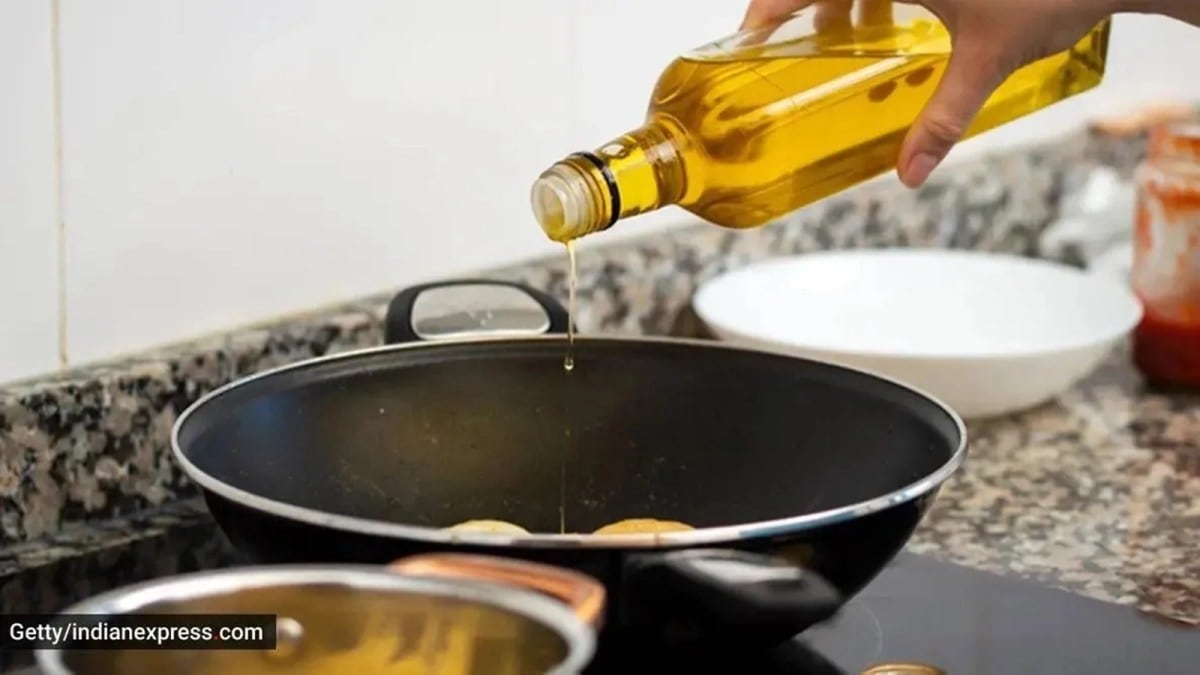
- Add a small amount of oil after preheating for a minute. This protects the surface and gives clear visual cues.
-
Don’t heat empty pans
- Never leave a pan empty on a hot burner. If a recipe calls for heating an empty pan briefly, watch it closely.
-
Choose oils with suitable smoke points
- Use avocado, refined grapeseed, or refined sunflower for high-heat cooking. Use olive oil for medium heat.
-
Match cookware to the task
- Heavy-bottomed stainless steel or cast iron holds heat and resists warping better than thin pans.
-
Lower heat at first sign of smoke
- Turn down the burner immediately, remove the pan briefly from the heat, and let it cool slightly.
-
Clean and restore carefully
- For discoloration, soak in warm water and scrub with a nonabrasive pad. Avoid metal scouring on nonstick surfaces.
-
Replace when integrity is lost
- Warped pans, flaking coatings, or serious warping mean it’s time for replacement for safety and performance.
How to tell if your pan is damaged after overheating
Damaged pans can be unsafe or just cook poorly. Check these signs after overheating.
-
Warping that stops the pan from sitting flat on the burner
- A wobbly pan won’t heat evenly and should be replaced.
-
Flaking or peeling nonstick coating
- Do not continue to cook on chipped nonstick surfaces; replace the pan.
-
Persistent burnt residue that won’t scrub off
- This may indicate the finish is compromised and will affect flavor.
-
Metallic or off odors during cooking after overheating
- Lingering smells can mean the material chemistry changed and may be unsafe.

Personal experience: mistakes I made and lessons learned
Early in my cooking career I left an empty stainless pan on high while I answered the phone. It smoked, warped slightly, and never felt right again. I kept using it and noticed food stuck more. I replaced it and learned three lessons:
- Never preheat an empty pan unattended.
- Match the pan type to the cooking method.
- Replace cookware when performance drops, even if the damage seems cosmetic.
Those small habits saved me money and improved meals. If you’re like me, you’ll learn faster by doing, but these tips speed that learning curve.

Maintenance and safety tips to avoid pan overheating signs while cooking
Small routine habits prevent most problems. Follow these practical tips.
- Use a kitchen thermometer or infrared thermometer to check surface heat for precision.
- Keep burners clean so heat transfers evenly.
- Store and handle pans properly to avoid dents or warps.
- Season cast iron and carbon steel to create a stable, heat-resistant surface.
- Teach household members stove safety and never leave active cooking unattended.

Frequently Asked Questions of pan overheating signs while cooking
What is the fastest way to know a pan is overheating?
Watch for visible smoke and oil that smokes within seconds. Those signs mean the pan is too hot.
Can overheating ruin nonstick pans?
Yes. High heat can break down nonstick coatings, causing peeling, flaking, and loss of release.
Is warping dangerous or just annoying?
Warping mainly affects performance and even cooking. It can also be unsafe if the pan wobbles or contacts flames unevenly.
How do I safely cool an overheated pan?
Turn off the heat and remove the pan from the burner. Let it cool at room temperature; don’t run cold water on a hot pan.
Can I save a discolored stainless steel pan?
Often yes. Soak with warm water and mild detergent, then use a nonabrasive cleaner or a baking soda paste to lift stains.
How often should I replace cookware that shows moderate overheating signs?
Replace when functionality or safety is compromised, such as persistent warping, cracked handles, or peeling coatings. Moderate cosmetic changes can often be lived with temporarily.
Conclusion
Spotting pan overheating signs while cooking keeps your food tasting better and your kitchen safer. Watch for smoke, rapid oil darkening, warping, and uneven cooking, and respond quickly with lower heat or removing the pan. Small changes—using the right oil, matching heat to cookware, and not leaving pans empty—prevent most issues. Try one tip tonight and see how much better your cooking goes; share your experience or questions below and subscribe for more practical kitchen tips.
