

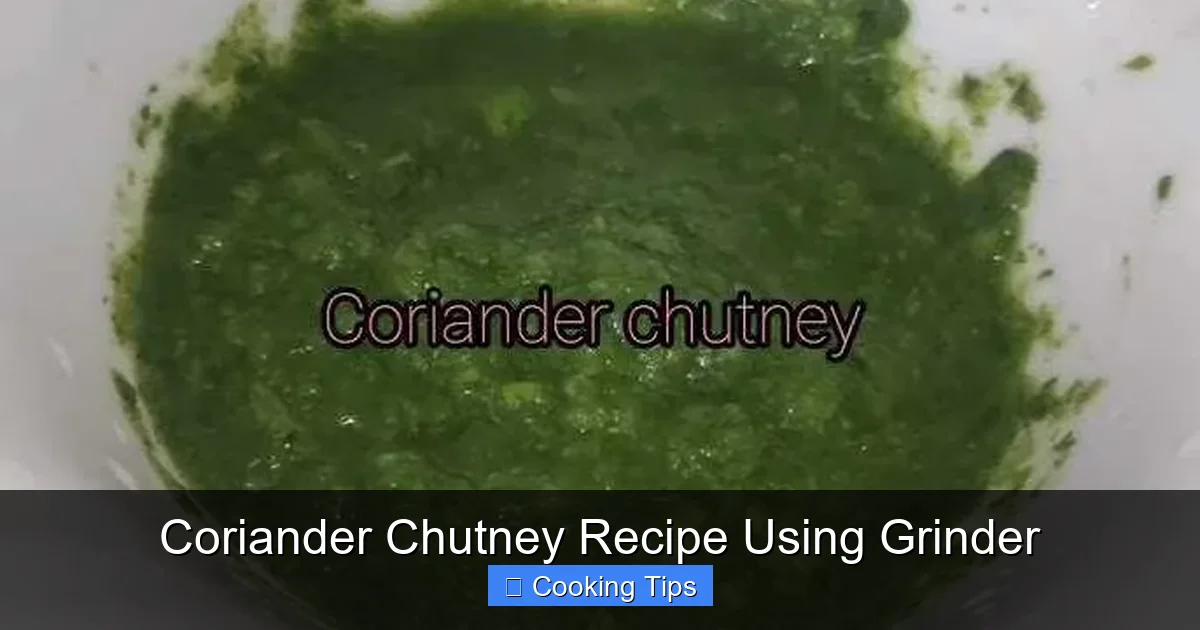
Learn how to make delicious and vibrant Coriander Chutney effortlessly using your grinder! This comprehensive guide provides clear, step-by-step instructions, valuable tips, and variations to help you achieve the perfect consistency and flavor every time. Elevate your meals with this versatile condiment, perfect for snacks, main courses, and more. Discover the secrets to a truly authentic and fresh coriander chutney.
# Coriander Chutney Recipe Using Grinder
Welcome to the ultimate guide on making fresh, flavorful Coriander Chutney using your trusty grinder! If you’ve ever wondered how to get that vibrant green color and zesty taste in your homemade chutneys, you’re in the right place. This recipe is simple, quick, and incredibly rewarding. Coriander chutney, also known as cilantro chutney or green chutney, is a staple in Indian cuisine, and for good reason. It’s a burst of freshness that can transform any dish.
In this guide, we’ll walk you through every step of making this delicious condiment using a grinder. We’ll cover everything from selecting the best ingredients to achieving the perfect consistency. You’ll learn practical tips, explore variations, and even find solutions to common troubleshooting issues. Get ready to impress yourself and your loved ones with this fantastic coriander chutney!
## Why Use a Grinder for Coriander Chutney?
Using a grinder, especially a spice grinder or a blender jar attachment, offers several advantages when making coriander chutney. Firstly, it allows for precise control over the texture. You can achieve a super smooth paste or a slightly coarser blend, depending on your preference. Secondly, grinders are efficient. They can quickly break down the ingredients, extracting maximum flavor and aroma without much effort. This is especially helpful for tougher ingredients like ginger or garlic, ensuring they are well incorporated. Finally, a grinder minimizes oxidation, helping to preserve the bright green color of the coriander leaves.
## Ingredients You’ll Need
The beauty of coriander chutney lies in its simplicity. You don’t need many ingredients, and the quality of each one significantly impacts the final taste.
### For the Base:
* Fresh Coriander Leaves: About 2 cups, packed. Ensure they are fresh, vibrant green, and free from any wilting or yellowing. Don’t forget the tender stems – they add a lot of flavor!
* Fresh Mint Leaves: About 1/2 cup, packed. Mint adds a cooling counterpoint to the coriander and chilies. Like coriander, choose fresh, vibrant leaves.
### For Flavor and Spice:
* Green Chilies: 2-4, depending on your spice preference. Indian green chilies are ideal for their heat and flavor. You can also use jalapeños or serrano peppers. Remove the stems.
* Ginger: A small piece, about 1 inch, peeled and roughly chopped. Ginger adds a warm, spicy kick.
* Garlic: 1-2 cloves, peeled (optional, but recommended for extra depth of flavor).
* Lemon Juice or Lime Juice: 1-2 tablespoons. This adds essential tartness and helps preserve the chutney’s bright green color.
### For Seasoning:
* Salt: To taste. Start with 1/2 teaspoon and adjust as needed.
* Sugar: A pinch (optional). A tiny bit of sugar can balance the flavors, especially if your chilies are very potent or the lemon juice is very tart.
## Equipment Needed
* Grinder: This could be a spice grinder, a small blender, or a food processor. Ensure it’s clean and dry.
* Measuring Cups and Spoons
* Cutting Board and Knife
* Spatula or Spoon
* Airtight Container: For storing the chutney.
## Step-by-Step Instructions
Now, let’s get down to business! Making coriander chutney in a grinder is incredibly straightforward. Follow these steps for a perfect batch every time.
### Step 1: Prepare the Coriander and Mint
This is a crucial step for a clean and fresh-tasting chutney.
#### Washing the Herbs
* Thoroughly wash the coriander and mint leaves under cold running water.
* Pay attention to any dirt or sand that might be trapped between the leaves.
* Shake off excess water gently. You can also pat them dry with a clean kitchen towel or paper towels. Excess water can make your chutney watery.
#### Trimming the Herbs
* Remove any thick, woody stems from the coriander. The tender, thinner stems are perfectly fine to include as they pack a lot of flavor.
* Remove any wilted or yellowed leaves.
* For mint, remove the tougher stems.
### Step 2: Prepare the Other Flavorings
Get all your other ingredients ready before you start grinding. This makes the process smooth and efficient.
#### Chopping Chilies, Ginger, and Garlic
* **Green Chilies:** If you prefer less heat, you can remove the seeds and membranes from the chilies. For maximum heat, leave them in. Roughly chop them.
* **Ginger:** Peel the ginger and chop it into small, manageable pieces. This helps the grinder break it down easily.
* **Garlic:** Peel the garlic cloves. If you’re using a very small grinder, you might want to mince them very finely, or skip them if you prefer.
### Step 3: Grinding the Chutney
This is where the magic happens! The order in which you add ingredients can sometimes affect the texture and color.
#### Adding Ingredients to the Grinder
* Start by adding the ingredients that are easier to grind into a paste. This usually includes the green chilies, ginger, and garlic.
* Next, add the coriander leaves and mint leaves. Pack them in gently.
* Add the salt, sugar (if using), and about half of the lemon or lime juice.
#### Grinding Process
* **Start Slow:** Begin by pulsing the grinder a few times to break down the ingredients.
* **Grind Smoothly:** Once the ingredients are partially broken down, start grinding continuously.
* **Observe Consistency:** Keep an eye on the chutney’s texture. You want it to be a smooth paste, but not watery. If the mixture seems too dry and the grinder is struggling, you can add a teaspoon of water at a time. However, try to avoid adding too much water.
* **Add More Lemon Juice:** As you grind, add the remaining lemon or lime juice. This helps the chutney become smooth and vibrant. The acidity also helps prevent the coriander from oxidizing and turning brown.
* **Don’t Over-Grind:** Be careful not to grind for too long. Over-processing can generate heat, which can dull the color and make the chutney mushy. Stop when you reach your desired consistency.
### Step 4: Check and Adjust Seasoning
Taste is subjective, so this step is crucial for personalization.
#### Tasting the Chutney
* Once ground, scoop a small amount of chutney onto a spoon.
* Taste it carefully.
* Is it salty enough? Add more salt, a pinch at a time, and grind briefly.
* Is it tart enough? Add a little more lemon/lime juice.
* Is it spicy enough? If not, you can add another small green chili and grind again.
#### Achieving the Perfect Balance
* The goal is a harmonious blend of spicy, tart, and savory. The fresh herbs should be the star, with the other ingredients playing supporting roles.
### Step 5: Transfer and Store
Your delicious coriander chutney is almost ready to be enjoyed!
#### Transferring the Chutney
* Use a spatula or spoon to scrape the chutney from the grinder jar into a clean bowl or directly into your storage container.
#### Storage Guidelines
* **Airtight Container:** Transfer the chutney to an airtight container. This is essential to keep it fresh and prevent it from absorbing odors from other foods in the refrigerator.
* **Refrigeration:** Store the coriander chutney in the refrigerator. It should stay fresh for 5-7 days.
* **Freezing (Optional):** For longer storage, you can freeze coriander chutney. You can freeze it in small portions using ice cube trays. Once frozen, transfer the cubes to a freezer bag. Frozen chutney can last for up to 2-3 months. Thaw it in the refrigerator before use.
## Practical Tips for the Best Coriander Chutney
Here are some insider tips to help you make the absolute best coriander chutney using your grinder.
* **Use Fresh, Vibrant Herbs:** This cannot be stressed enough. Old or wilted herbs will result in a dull-tasting and looking chutney.
* **Don’t Crowd the Grinder:** If you have a large batch, grind it in two or three smaller batches. This ensures even grinding and prevents the grinder from overheating.
* **Start with Less Water:** It’s always easier to add water than to take it away. Begin with minimal or no water, and only add a teaspoon at a time if absolutely necessary.
* **Add a Pinch of Sugar:** If your chutney tastes a bit too sharp or bitter, a tiny pinch of sugar can work wonders to balance the flavors.
* **Lemon Juice is Your Friend:** Don’t shy away from the lemon or lime juice. It’s not just for taste; it’s a natural preservative that keeps the chutney green and fresh.
* **Consider a Tiny Piece of Onion:** For an extra layer of savory flavor, you can add a small piece of raw onion (about 1/4 inch) to the grinder. It adds a mild pungent note.
* **Use the Tender Stems:** Don’t discard the tender stems of the coriander. They are packed with flavor and will grind beautifully.
## Variations to Explore
Once you’ve mastered the basic recipe, feel free to experiment with these delicious variations!
### 1. Coconut Coriander Chutney
* Add 2-3 tablespoons of grated fresh or desiccated coconut to the grinder along with the other ingredients. This adds a creamy texture and a subtle sweetness.
### 2. Garlic-Heavy Coriander Chutney
* Increase the garlic cloves to 3-4. This creates a more pungent and robust flavor profile.
### 3. Nutty Coriander Chutney
* Add 1-2 tablespoons of roasted peanuts, cashews, or almonds to the grinder. This adds richness and a delightful crunch.
### 4. Spicy Coriander Chutney
* Use hotter varieties of green chilies or add a small piece of red chili powder for an extra kick.
### 5. Tamarind Coriander Chutney
* Add a small piece of soaked tamarind pulp (seedless) to the grinder. This adds a distinct sourness that complements the herbs beautifully.
### 6. Tomato Coriander Chutney
* Add half a small, ripe tomato to the grinder. This will give the chutney a slightly thicker consistency and a milder, sweeter flavor. Be mindful that tomato can reduce the shelf life.
## Troubleshooting Common Issues
Even with the best intentions, sometimes things don’t turn out perfectly. Here are solutions to common problems:
### My Chutney Turned Brown!
* Cause: Oxidation is the main culprit. This happens when the coriander leaves are exposed to air for too long, or if too much heat was generated during grinding.
* Solution:
* Ensure you used fresh coriander.
* Add a little more lemon or lime juice.
* Grind in smaller batches to avoid overheating.
* Don’t over-process. Stop as soon as you reach your desired consistency.
* Store immediately in an airtight container in the refrigerator.
### My Chutney is Too Watery!
* Cause: Too much water was added during grinding, or the coriander leaves were not dried properly after washing.
* Solution:
* Avoid adding water unless absolutely necessary. If you must, add it one teaspoon at a time.
* Always dry your herbs thoroughly.
* You can try to thicken it by adding a tablespoon of roasted chana dal (split chickpeas) or a small piece of raw mango or tomato, then grinding again. However, this will alter the flavor.
### My Chutney is Too Coarse/Chunky!
* Cause: The grinder didn’t have enough time or power to break down the ingredients properly.
* Solution:
* Grind for a little longer, but be careful not to over-process.
* Ensure ginger and garlic are chopped into small pieces before grinding.
* If using a blender, ensure it’s powerful enough for this task. You might need to stop and scrape down the sides a few times.
### My Chutney Lacks Flavor!
* Cause: Old ingredients, insufficient seasoning, or not enough chilies/ginger/garlic.
* Solution:
* Always use the freshest ingredients possible.
* Taste and adjust salt, chili, and lemon juice as per your preference.
* Consider adding a tiny pinch of sugar to enhance the overall flavor profile.
## How to Serve Coriander Chutney
This versatile chutney is a fantastic accompaniment to a wide range of dishes.
* **With Snacks:** Serve it with samosas, pakoras, bhajis, dhokla, idli, dosa, vada, or any fried snack.
* **With Meals:** It’s a perfect side dish for rice, roti, naan, paratha, and Indian main courses.
* **As a Spread:** Use it as a flavorful spread in sandwiches, wraps, or toast.
* **As a Dip:** Serve it as a dip for vegetable sticks or crackers.
* **Marination:** It can be used as a base for marinades for chicken, fish, or paneer.
## Conclusion
Making fresh coriander chutney using a grinder is a simple yet incredibly rewarding culinary experience. With just a few fresh ingredients and a reliable grinder, you can whip up this vibrant, zesty condiment in minutes. The process is straightforward, allowing you to easily control the texture and spice level to suit your taste. Remember that using the freshest ingredients and not over-processing are key to achieving that perfect, bright green hue and exhilarating flavor.
Whether you’re serving it with your favorite Indian snacks, as a side to your main meal, or as a zesty spread, this coriander chutney is sure to become a fast favorite. Don’t be afraid to experiment with the variations we’ve shared to discover your own signature blend. So, gather your ingredients, get your grinder ready, and enjoy the fresh, delicious taste of homemade coriander chutney! Happy grinding!
Key Takeaways
- Fresh Ingredients are Key: Using the freshest coriander leaves and chilies will result in a brighter, more flavorful chutney.
- Grinder Settings Matter: Adjusting your grinder’s speed and pulse helps achieve the desired chutney consistency, from smooth to coarse.
- Balance is Crucial: Achieving the right balance of tartness (lemon/lime), heat (chilies), and salt is essential for a well-rounded flavor profile.
- Don’t Over-Process: Be mindful not to grind the chutney for too long, as this can make it watery and dull the vibrant green color.
- Storage for Freshness: Properly storing your coriander chutney in an airtight container in the refrigerator will maximize its shelf life.
- Customization is Encouraged: Feel free to adjust the spice level, add other herbs, or incorporate complementary ingredients to personalize your chutney.
- Versatile Serving Options: Coriander chutney is incredibly versatile and can be served with a wide array of Indian snacks, meals, and even sandwiches.
