

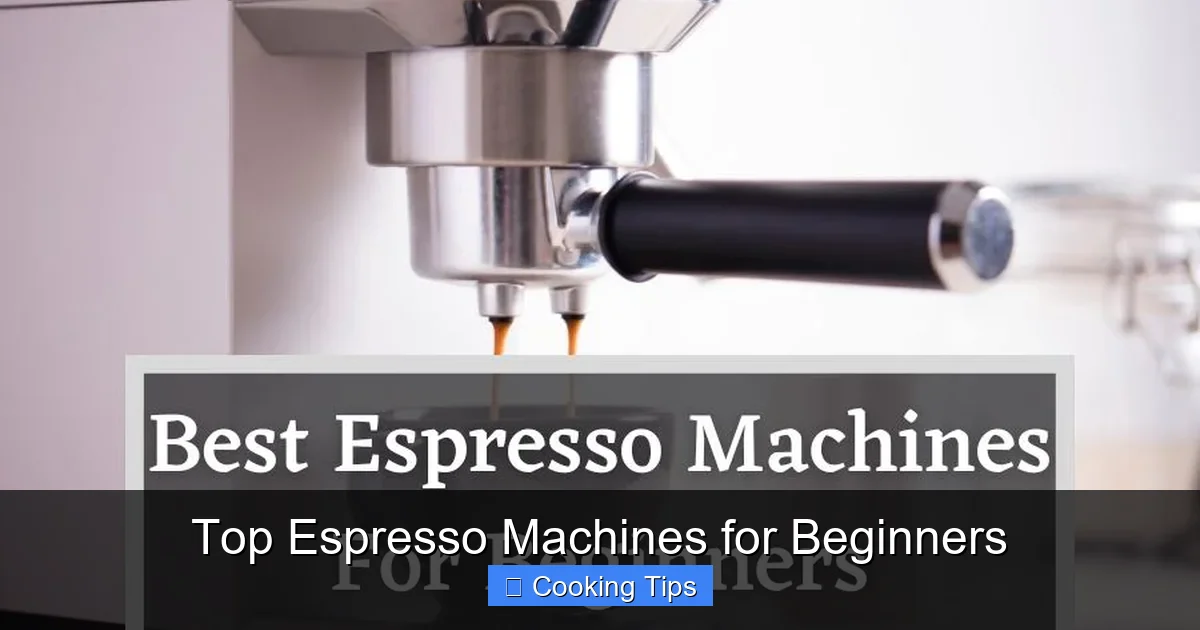
Ready to dive into the world of home espresso? This guide helps you navigate the best espresso machines for beginners, making the process simple and enjoyable. We’ll cover key features to look for, easy-to-use models, and essential tips to brew your first perfect shot. Get ready to elevate your coffee game with delicious, café-quality espresso right at home.
Key Takeaways
- Understanding Your Needs is Crucial: Before buying, consider your budget, counter space, and how often you’ll make espresso.
- Semi-Automatic Machines Offer Control: These are often the sweet spot for beginners, allowing you to control grind, tamp, and shot time.
- Super-Automatic Machines Prioritize Convenience: For the ultimate ease, these machines grind beans and brew espresso with the press of a button.
- Look for User-Friendly Features: Simple controls, clear indicators, and easy cleaning are vital for a smooth beginner experience.
- Budget Matters, But Quality Endures: While starter machines are affordable, investing a little more can mean better durability and taste.
- Practice Makes Perfect: Even with a great machine, learning to dial in your grind and tamp takes time and experimentation.
Top Espresso Machines for Beginners: Your Gateway to Delicious Home Brews
Welcome to the exciting world of home espresso! The aroma of freshly brewed espresso, the rich crema, and the endless possibilities for lattes and cappuccinos – it’s an experience that can truly transform your mornings and delight your guests. But for many beginners, the sheer variety of espresso machines can feel overwhelming. Where do you even start?
This guide is here to demystify the process. We’ll walk you through what to look for in an espresso machine as a beginner, highlight some of the top contenders on the market, and equip you with the knowledge to make your first purchase with confidence. By the end of this guide, you’ll understand the different types of machines available, what features are most important for newcomers, and how to choose a machine that fits your budget and lifestyle. Get ready to unlock the secrets to brewing café-quality espresso right in your own kitchen!
Understanding the Basics: What Makes a Good Beginner Espresso Machine?
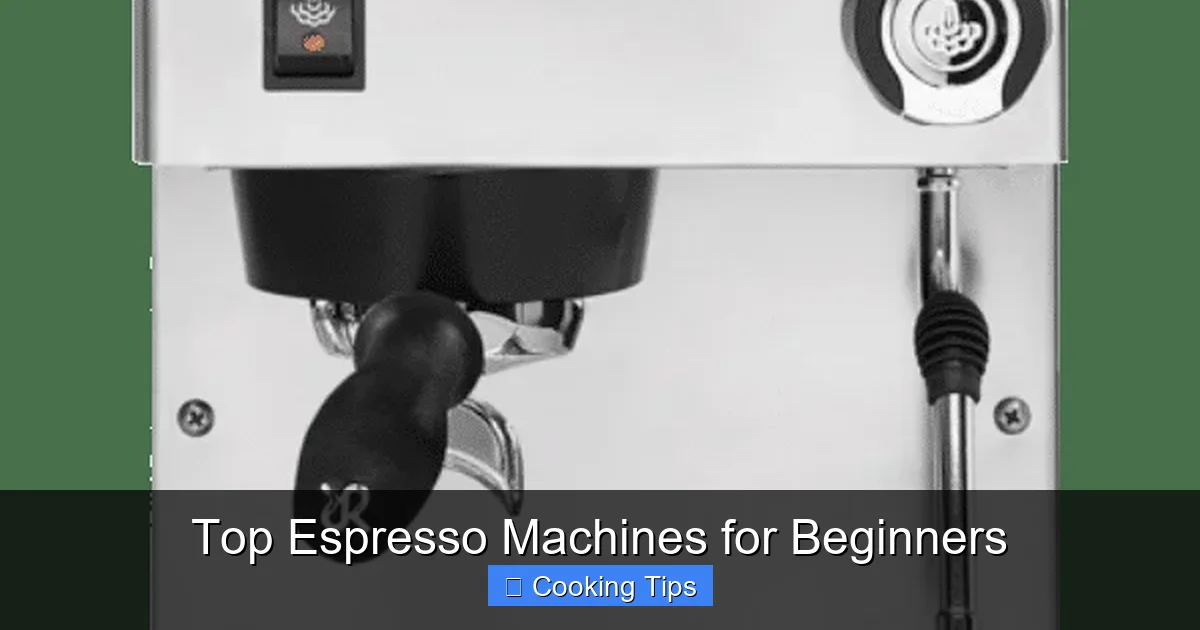
Visual guide about Top Espresso Machines for Beginners
Image source: timscoffee.com
Before we dive into specific machines, let’s cover the essential factors that make an espresso machine a great choice for beginners. These are the building blocks of a positive and successful espresso journey.
1. Ease of Use: The Most Important Factor
As a beginner, the last thing you want is a machine that’s complicated to operate. Look for intuitive controls, clear indicators (like steam-ready lights), and straightforward brewing processes. Machines that require a steep learning curve can lead to frustration and may discourage you from continuing. Simple, well-labeled buttons and easy-to-understand instructions are your best friends.
2. Machine Type: Semi-Automatic vs. Super-Automatic
This is a fundamental decision that will significantly impact your experience.
Semi-Automatic Espresso Machines
These machines offer a balance of control and automation. You’ll control the grinding of the beans, how firmly you tamp the coffee grounds into the portafilter, and you’ll initiate and stop the brewing process yourself. The machine controls the water temperature and pressure.
* Pros for Beginners: Offers a good learning experience, allows for experimentation with different beans and tamping techniques, generally more affordable than super-automatics.
* Cons for Beginners: Requires more hands-on involvement, takes practice to get consistent results.
Super-Automatic Espresso Machines
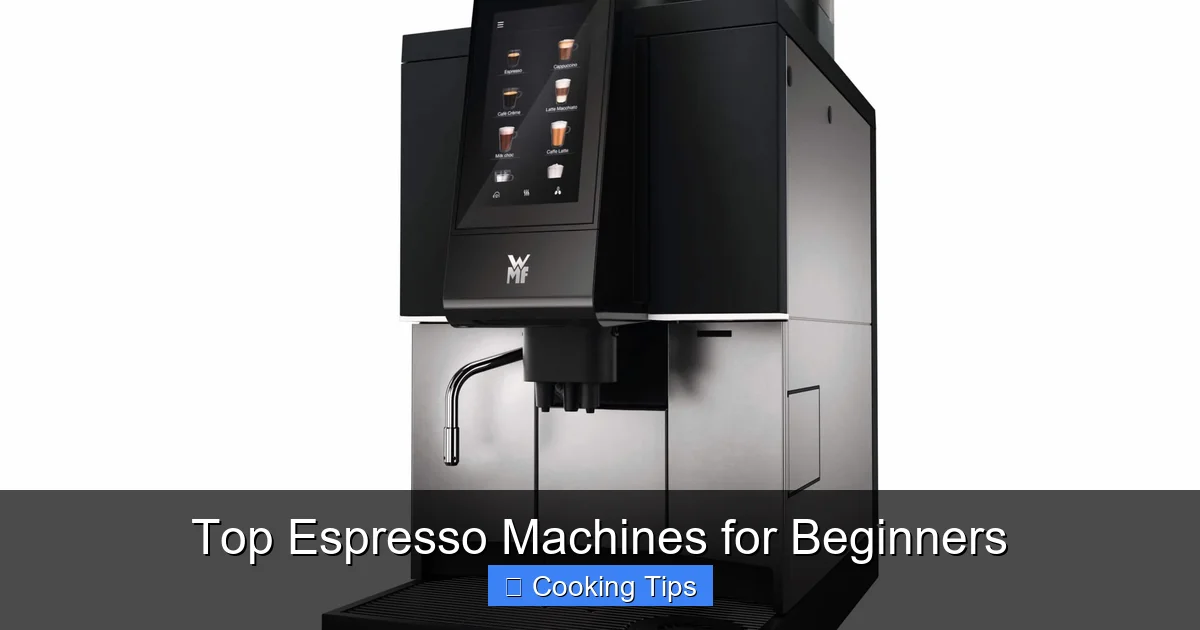
These are the “push-button” experts. They handle everything from grinding the beans to tamping and brewing the espresso, all with a single command. Many also have integrated milk frothing systems.
* Pros for Beginners: Ultimate convenience, consistent results with minimal effort, ideal for those who want espresso fast.
* Cons for Beginners: Less control over the brewing process, generally more expensive, can be more complex to clean and maintain.
For most beginners who want to learn the craft of espresso making without being overwhelmed, a **semi-automatic machine** is often the recommended starting point. If pure convenience is your top priority, a super-automatic is the way to go.
3. Budget: Setting Realistic Expectations
Espresso machines range from under $100 to several thousand dollars. For beginners, a good starting point is often in the $150-$400 range for a capable semi-automatic machine. Super-automatics will typically start higher, often above $500. It’s important to set a budget, but also remember that investing a little more can often mean a more durable machine and better-tasting espresso in the long run. Don’t forget to factor in the cost of accessories like a grinder, tamper, and good quality coffee beans!
4. Size and Counter Space
Espresso machines can vary in size. Measure your available counter space before you shop. Some machines are quite compact, while others are larger and might have a bigger footprint. Think about where you’ll store it and how much room you have for accessories too.
5. Durability and Build Quality
Look for machines made with sturdy materials, preferably stainless steel or robust plastic. While you don’t need a commercial-grade machine, a well-built unit will last longer and perform more reliably. Check online reviews for comments on build quality and longevity.
Top Espresso Machines for Beginners: Our Recommendations
Visual guide about Top Espresso Machines for Beginners
Image source: i.pinimg.com
Based on ease of use, functionality, and value, here are some of the top espresso machines that are perfect for beginners. We’ll focus primarily on semi-automatic machines as they offer the best learning opportunity for newcomers.
1. Breville Bambino Plus
The Breville Bambino Plus is a perennial favorite for a reason. It’s incredibly user-friendly, heats up in seconds, and produces excellent espresso with minimal fuss.
* **Key Features:**
* **Thermoblock Heating System:** Reaches optimal brewing temperature in just 3 seconds.
* **Automatic Milk Texturing:** Makes café-quality steamed milk with adjustable froth levels. This is a game-changer for beginners!
* **15 Bar Italian Pump:** Provides the necessary pressure for rich, flavorful espresso.
* **Pre-programmed Shot Volumes:** Offers single and double shot buttons for consistency.
* **Compact Design:** Doesn’t take up much counter space.
* **Why it’s Great for Beginners:** The automatic milk frother takes the guesswork out of creating lattes and cappuccinos. The rapid heat-up time means you can enjoy your coffee almost instantly. It’s a fantastic blend of automation and control.
2. De’Longhi ECP3630 Manual Espresso Machine
De’Longhi offers a range of affordable and capable espresso machines. The ECP3630 is a solid choice for those on a tighter budget who still want a hands-on espresso experience.
* **Key Features:**
* **15 Bar Professional Pump:** Ensures proper extraction for authentic espresso.
* **Adjustable Frother:** Allows you to manually steam and froth milk for lattes and cappuccinos.
* **Self-Priming Operation:** Makes it easier to start the brewing process.
* **Removable Water Reservoir:** Easy to fill and clean.
* **Sleek Design:** Looks good on any kitchen counter.
* **Why it’s Great for Beginners:** It provides a true manual espresso experience at an accessible price point. While the milk frothing is manual, it’s still relatively simple to learn. It’s a great machine to start understanding the basics of pulling a shot.
3. Gaggia Classic Pro
The Gaggia Classic Pro is a legendary machine that’s a step up in build quality and control, appealing to beginners who want a machine that can grow with them. It’s known for its durable construction and ability to produce excellent espresso.
* **Key Features:**
* **Commercial-Style Portafilter:** Similar to professional machines, offering better heat retention.
* **Solenoid Valve:** Helps release pressure after brewing, preventing “channeling” and making it easier to remove the portafilter.
* **Brass Boiler:** Excellent for temperature stability, leading to more consistent espresso.
* **Robust Stainless Steel Housing:** Built to last.
* **Manual Pannarello Wand:** For steaming and frothing milk.
* **Why it’s Great for Beginners:** While it requires a bit more learning than the Bambino Plus, the Gaggia Classic Pro offers superior build quality and the potential for truly exceptional espresso. It’s a machine you can grow with as your skills develop. It provides excellent value for its price if you’re serious about espresso.
4. Mr. Coffee Café Barista Espresso and Cappuccino Maker
This is one of the most budget-friendly options that offers both espresso and milk frothing capabilities. It’s designed with simplicity in mind.
* **Key Features:**
* **One-Touch Control Panel:** Simple buttons for espresso, latte, and cappuccino.
* **Automatic Milk Frother:** Steams and froths milk directly into your cup.
* **Built-in Tamper:** For easy tamping.
* **Removable Water Tank and Drip Tray:** For easy cleaning.
* **Why it’s Great for Beginners:** If your budget is very tight and you want an all-in-one solution for espresso-based drinks, the Café Barista is worth considering. It’s incredibly simple to operate and produces decent drinks with minimal effort.
Essential Accessories for Your Beginner Espresso Setup
Visual guide about Top Espresso Machines for Beginners
Image source: logicvending.co.uk
Having a great espresso machine is only part of the equation. To get the best results, you’ll need a few key accessories:
1. Burr Grinder: The Heart of Great Espresso
This is arguably more important than the espresso machine itself. A **burr grinder** grinds coffee beans to a uniform size, which is crucial for consistent espresso extraction. Blade grinders produce inconsistent grounds, leading to bitter or weak coffee.
* **Recommendation for Beginners:** Look for an electric burr grinder that has multiple settings for grind size. The Baratza Encore is a popular and reliable choice that won’t break the bank.
2. Tamper
This is used to compress the coffee grounds evenly in the portafilter. A good, solid tamper will help you achieve consistent density, which is vital for proper extraction. Most entry-level machines come with a plastic tamper, but upgrading to a heavier, calibrated metal tamper can make a big difference.
3. Scale
Using a scale to measure your coffee beans (dose) and the espresso output (yield) allows for incredible consistency. It helps you understand the ratio of coffee to water for the best taste.
* **Recommendation for Beginners:** A simple digital kitchen scale with a 0.1-gram accuracy is perfect.
4. Milk Pitcher
If your machine has a manual frothing wand, you’ll need a stainless steel milk pitcher to steam and froth your milk.
5. Espresso Cups
Small, thick-walled espresso cups keep your espresso hot.
Getting Started: Brewing Your First Shot
Once you have your machine and accessories, it’s time to make some espresso! Here’s a simplified guide:
Step 1: Prepare Your Beans and Grinder
* Use fresh, high-quality whole beans.
* Grind your beans to a fine, sand-like consistency. This might take some experimentation. Start with the finest setting on your grinder and adjust.
Step 2: Dose and Tamp the Portafilter
* Place the ground coffee into the portafilter basket.
* Distribute the grounds evenly.
* Tamp the grounds firmly and evenly with your tamper. Aim for a level and consistent tamp.
Step 3: Brew the Espresso
* Lock the portafilter into the espresso machine’s group head.
* Place your espresso cup underneath.
* Start the brewing process. For semi-automatic machines, this means pressing a button or flicking a switch.
* Aim for a shot that takes about 25-30 seconds to extract and yields roughly twice the amount of liquid espresso as the weight of your dry grounds (e.g., 18 grams of grounds for 36 grams of liquid espresso).
Step 4: Steam Milk (If Making Lattes/Cappuccinos)
* Fill your milk pitcher with cold milk.
* Purge the steam wand briefly to clear any water.
* Insert the tip of the steam wand just below the surface of the milk. Turn on the steam.
* You should hear a gentle hissing sound as you incorporate air (stretching the milk).
* Once you have enough foam, lower the pitcher to submerge the wand deeper, creating a vortex to heat and emulsify the milk.
* Heat until the pitcher is too hot to comfortably hold.
* Wipe and purge the steam wand immediately.
Step 5: Clean Up
* Discard the used coffee puck from the portafilter.
* Rinse the portafilter and group head.
* Wipe down your machine. Regular cleaning is key to maintaining your machine’s performance and the taste of your espresso.
Troubleshooting Common Beginner Issues
Don’t be discouraged if your first few shots aren’t perfect! Espresso making is a skill that develops with practice.
Issue: Espresso is too watery or weak (under-extracted)
* Possible Causes: Grind is too coarse, not enough coffee used, tamp is too light, water temperature is too low.
* Solutions: Grind finer, use more coffee, tamp harder, ensure machine is fully heated.
Issue: Espresso is too bitter or burns quickly (over-extracted)
* Possible Causes: Grind is too fine, too much coffee used, tamp is too hard, brewing time is too long.
* Solutions: Grind coarser, use less coffee, tamp lighter, shorten brew time.
Issue: Espresso spurts out unevenly (channeling)
* Possible Causes: Uneven tamping, inconsistent grind, coffee grounds not distributed evenly.
* Solutions: Focus on even tamping and distribution, ensure a consistent grind.
Issue: Machine is not steaming milk properly
* Possible Causes: Milk is too warm, steam wand is clogged, not enough steam pressure.
* Solutions: Use cold milk, clean the steam wand thoroughly, check machine for full steam readiness.
Conclusion: Your Espresso Adventure Begins!
Choosing your first espresso machine doesn’t have to be a daunting task. By understanding the basics – ease of use, machine type, and your budget – you can confidently select a machine that will bring delicious, café-quality espresso into your home. Machines like the Breville Bambino Plus, De’Longhi ECP3630, and Gaggia Classic Pro offer fantastic entry points for beginners, each with its own strengths.
Remember, the journey to perfect espresso is one of learning and experimentation. Invest in a good burr grinder, practice your tamping, and don’t be afraid to adjust your grind size. With a little patience and the right equipment, you’ll be pulling consistently delicious shots and crafting your favorite espresso-based drinks in no time. Enjoy your brewing adventure!
