

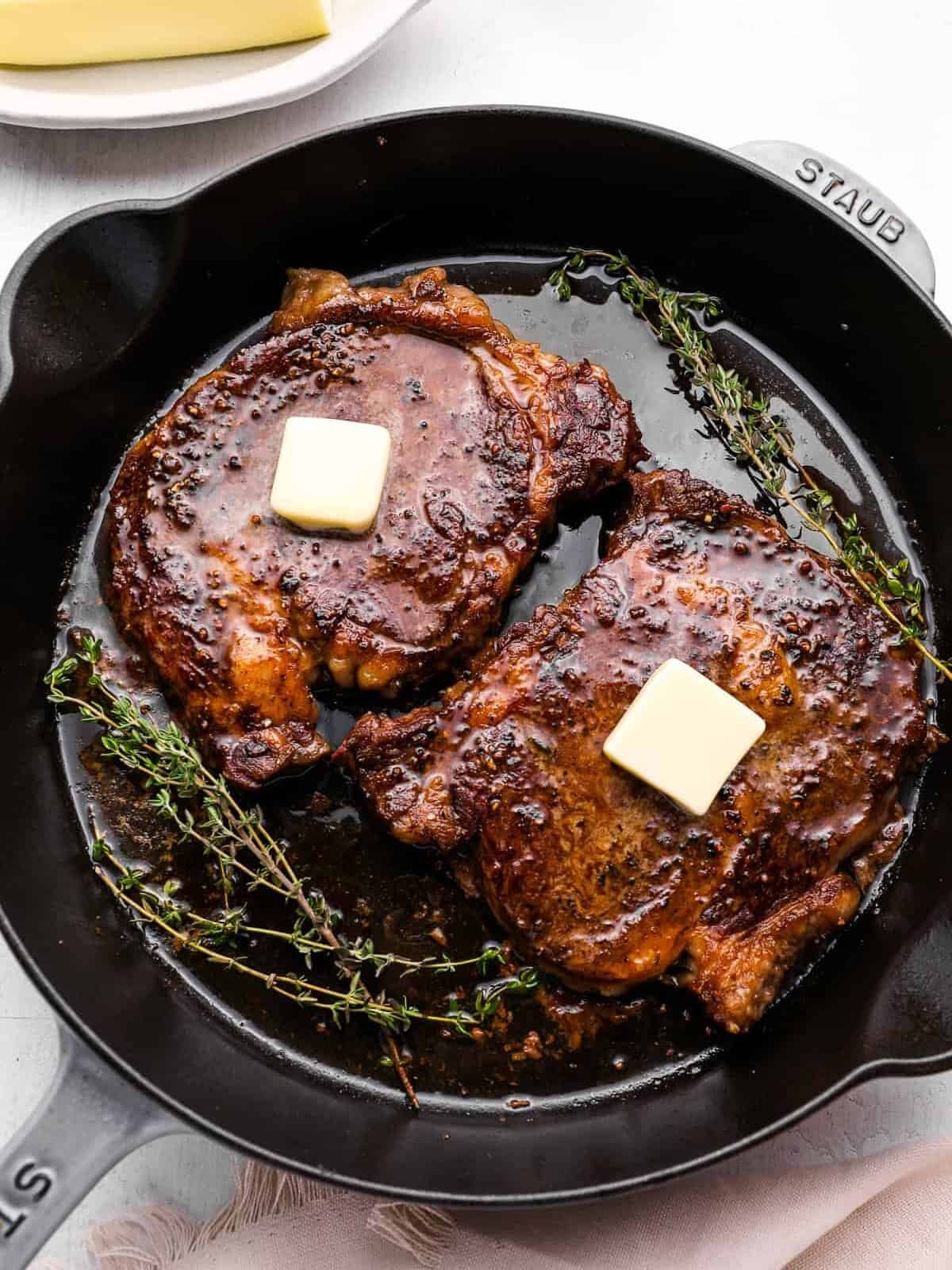
Move the pan off heat, run cool water on the base, or use airflow and cold packs quickly.
I’ve cooked professionally and at home for years, so I know the need to cool a pan fast without wrecking food or cookware. This guide explains how to cool pan quickly while cooking with safe, tested techniques, step-by-step methods, and tools that work in real kitchens. You’ll learn simple moves to stop overcooking, protect surfaces, and save time, all backed by experience and practical tips you can use immediately.
Why cooling a pan quickly matters
Cooling a pan quickly while cooking stops carryover heat from burning food. It prevents sauces from overcooking and eggs from continuing to set. It also protects your hands and countertops from hot pans.
Knowing how to cool pan quickly while cooking saves food quality. It helps finish dishes exactly as you like and reduces the risk of scorching. Use these strategies when a recipe overcooks, you need to rest food, or you want to speed up clean-up.
Quick methods to cool pan quickly while cooking
Here are the fastest, safest techniques to cool a pan quickly while cooking. Use one or combine several depending on the pan type and what’s inside.
- Move pan off heat to a cool burner or trivet. This stops heat addition immediately and begins passive cooling.
- Run cool (not ice-cold) water on an empty metal pan base. This removes heat rapidly for stainless or aluminum pans.
- Use an ice pack or cold towel around the handle or base. This lowers temperature quickly without shocking the metal too much.
- Transfer contents to a cool container. Moving food out cools both the food and the pan faster.
- Stir or spread contents thin. Increasing surface area speeds heat loss for sauces and fried items.
- Remove lids and vent steam. Letting steam escape reduces internal heat quickly.
- Use a fan or open window for airflow. Moving air pulls heat away from the pan surface.
Each method suits specific situations. For example, when you need to stop cooking immediately, transfer food out and use cool airflow. If the pan is empty, a quick rinse under cool water can be the fastest fix. Always consider cookware type before drastic cooling.
Step-by-step: fastest safe method
This step-by-step routine works well when you need to cool a hot pan and keep food safe.
- Remove the pan from the burner and set on a heatproof trivet or backsplash tile. This stops heating instantly.
- If food is inside and you want to stop cooking, transfer contents to a cool bowl or plate. This protects texture and flavor.
- For empty metal pans, tilt slightly and run cool water over the bottom outside. Avoid very cold water on extremely hot pans to reduce thermal shock risk.
- Wrap a damp, cool towel around the pan handle and base if you need fast cooling but must keep food in the pan.
- Use a fan or open a window to blow air across the pan while it sits on a trivet. Airflow accelerates cooling.
When deciding how to cool pan quickly while cooking, always prioritize food safety and cookware care. These steps stop cooking fast and minimize stress on metal and enamel.

Tools and items that speed cooling
Having the right tools makes cooling faster and safer. Keep these nearby when cooking.
- Heatproof trivet or cooling rack. Keeps the pan off hot surfaces and speeds cooling.
- Metal or heatproof bowls for transferring food. Move hot contents to stop cooking right away.
- Damp kitchen towels or silicone handle covers. They cool handles and protect hands.
- Ice packs in a towel. Use around the pan base or handle for fast, controlled cooling.
- Small tabletop fan. A fan moves air and cools pan surface quickly.
- Metal spatulas and ladles. Spread or thin food to increase cooling surface area.
Using proper tools tells you how to cool pan quickly while cooking without risking burns or damaging cookware.
Safety and things to avoid
Cooling quickly is useful but can damage cookware or cause hazards if done wrong.
- Do not pour ice water into a smoking-hot pan with food inside. Thermal shock can warp metal or crack enamel.
- Avoid sudden extreme temperature changes on cast iron or enameled pans. Let them cool a bit before cold water.
- Never put a hot pan near flammable items or on a wooden surface without protection. Use a trivet.
- Be careful of steam when removing lids or pouring liquids. Steam can burn quickly.
- If a pan starts to warp or crack after cooling, stop using it for high-heat cooking.
These precautions help you learn how to cool pan quickly while cooking but also keep cookware and people safe.
Personal experience and troubleshooting
Years in kitchens taught me that the simplest moves work best. Once, I had a sauce that kept reducing despite low heat. I transferred it to a cool bowl, placed an ice pack under the bowl, and stirred. The sauce stopped reducing, and flavor stayed intact. Lesson: move food, not the pan, when precision matters.
Common problems and fixes:
- If the pan is too hot to touch, move it immediately off heat and use a trivet. Do not chase with bare hands.
- If food continues to cook after removal, place it in a cooler container or add a small splash of cold water to stop carryover heat.
- If enamel cracks from cooling too fast, replace the pan and allow slow cooling next time.
My tip: keep one small metal bowl in the kitchen for quick transfers. It’s an easy way to control temperature and stop overcooking.
Frequently Asked Questions of how to cool pan quickly while cooking
How fast does a pan cool once removed from heat?
A pan cools quickly if moved off the burner and placed on a trivet or tile. Cooling time depends on material and size, but most pans lose significant heat in 2 to 10 minutes.
Can I pour cold water into a hot pan to cool it?
You can run cool water on an empty stainless or aluminum pan’s outside, but avoid pouring ice-cold water into very hot pans or onto cast iron and enameled cookware to prevent thermal shock.
Is it safe to transfer hot food to a plastic container to cool?
Only use heat-safe, microwave-grade plastic if the food is very hot. Prefer glass or metal bowls for faster cooling and to avoid chemical leaching.
Will a fan really help cool a pan quickly while cooking?
Yes. A fan increases airflow and speeds heat loss from the pan surface, especially when combined with removing lids and spreading contents thin.
What’s the best method for cast iron pans?
For cast iron, remove from heat and let it sit briefly before using warm, not cold, water. Avoid sudden cold shocks; use a trivet and allow natural cooling when possible.
Conclusion
Stopping heat fast can save a dish, prevent burns, and protect cookware. Practice simple moves: remove the pan from heat, transfer food if needed, add airflow, and use cool packs or water carefully depending on pan type. Try these techniques next time a recipe runs hot and watch how easily you control finish and texture. Share your cooling wins or questions below, subscribe for more kitchen tips, or try one method tonight and see the difference.
