

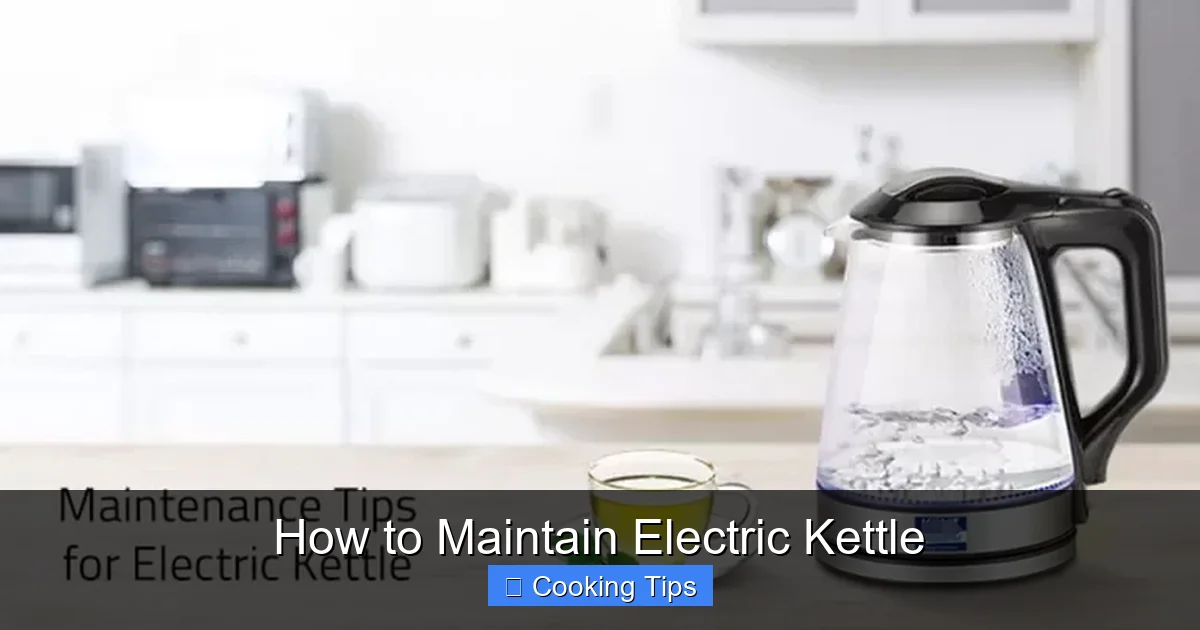
Keep your electric kettle in top condition with this easy-to-follow guide. You’ll learn essential cleaning and descaling techniques to ensure your kettle heats water efficiently and safely. Regular maintenance not only extends the life of your appliance but also guarantees pure-tasting water for your favorite beverages. Follow these simple steps to enjoy hot drinks without any lingering mineral buildup.
Key Takeaways
- Regular Cleaning is Crucial: Wiping down the exterior and interior regularly prevents grime buildup and keeps your kettle hygienic.
- Descaling Prevents Mineral Deposits: Hard water leaves mineral scale inside your kettle, affecting performance and taste. Regular descaling is essential.
- Vinegar and Lemon Juice are Natural Descalers: Common household ingredients like white vinegar and lemon juice are effective and eco-friendly for removing scale.
- Proper Storage Matters: Ensure the kettle is dry before storing to prevent mold or mildew growth, and store it away from direct heat or moisture.
- Inspect the Cord and Plug: Regularly check the power cord and plug for any signs of damage to ensure safe operation.
- Don’t Submerge the Base: Always remember to never immerse the electrical base of the kettle in water during cleaning.
- Gentle Cleaning Tools are Best: Use soft cloths and non-abrasive sponges to avoid scratching the kettle’s interior or exterior.
How to Maintain Electric Kettle
Your electric kettle is a workhorse in the kitchen, a speedy solution for your morning coffee, afternoon tea, or any time you need hot water fast. But like any appliance, it requires a little care to keep it running smoothly and to ensure the water it boils is clean and pure. Neglecting your electric kettle can lead to a decline in performance, a build-up of unsightly scale, and even affect the taste of your beverages. This guide will walk you through everything you need to know to maintain your electric kettle, from daily upkeep to deep cleaning and tackling stubborn mineral deposits. By following these simple steps, you’ll extend the lifespan of your kettle and enjoy perfectly boiled water every time.
Why Regular Maintenance is Important
Maintaining your electric kettle isn’t just about aesthetics; it’s about functionality and safety. Over time, mineral deposits from tap water, commonly known as limescale, will build up inside the kettle. This scale isn’t just unsightly; it has several negative effects:
- Reduced Efficiency: Limescale acts as an insulator, meaning your kettle has to work harder and longer to boil water. This wastes energy and increases your electricity bill.
- Impacted Taste: The mineral deposits can impart an unpleasant, chalky taste to your water, affecting the flavor of your tea, coffee, and other hot drinks.
- Potential for Contamination: While limescale itself isn’t typically harmful, it can create a breeding ground for bacteria if left uncleaned for extended periods.
- Shorter Lifespan: Persistent limescale buildup can put a strain on the heating element, potentially leading to premature appliance failure.
Daily and Weekly Cleaning
For a clean and hygienic kettle, a little regular attention goes a long way. These simple cleaning tasks can be incorporated into your weekly routine.
Cleaning the Exterior
The outside of your kettle is exposed to splashes and dust, so keeping it clean is straightforward.
- Unplug and Cool Down: Always ensure the kettle is unplugged from the power outlet and has cooled down completely before cleaning.
- Use a Damp Cloth: For most everyday cleaning, a soft, damp cloth is sufficient. Gently wipe down the exterior of the kettle, paying attention to any visible smudges or drips.
- For Stubborn Marks: If you encounter tougher spots, you can use a mild dish soap mixed with warm water. Apply the soapy water to your cloth, not directly to the kettle, and then wipe the exterior.
- Rinse and Dry: After using soapy water, use a clean, damp cloth to wipe away any soap residue. Finally, dry the exterior thoroughly with a soft, dry cloth to prevent water spots.
- Stainless Steel Kettles: For stainless steel kettles, you can use a specialized stainless steel cleaner for a streak-free shine, following the product instructions carefully.
Cleaning the Interior (Light Cleaning)
A quick rinse after each use can help minimize the need for more intensive cleaning.
- Empty and Rinse: After each use, empty any leftover water from the kettle. Give the inside a quick rinse with fresh water.
- Gentle Scrubbing (if needed): If you notice a minor film or residue, you can use a soft sponge or cloth to gently scrub the inside. Avoid abrasive scrubbers that can scratch the surface.
- Allow to Air Dry: Leave the lid open and allow the inside of the kettle to air dry completely before closing the lid or storing it. This prevents moisture buildup.
Deep Cleaning: Descaling Your Electric Kettle
Descaling is the most crucial part of electric kettle maintenance, especially if you have hard water. Limescale, or calcium carbonate, builds up on the heating element and the interior walls of the kettle, affecting its efficiency and the taste of your water. Fortunately, you can easily descale your kettle using common household items.
Method 1: Using White Vinegar
White vinegar is a popular and effective natural descaler. Its acidity helps to break down mineral deposits.
You will need:
- White vinegar
- Water
Steps:
- Prepare the Solution: Fill your kettle with a mixture of equal parts white vinegar and water. For example, if your kettle has a 1-liter capacity, use 500ml of vinegar and 500ml of water.
- Boil the Solution: Place the kettle on its base and boil the vinegar and water mixture.
- Let it Sit: Once boiled, unplug the kettle (if it doesn’t automatically shut off after boiling) and let the solution sit inside for at least 30 minutes to an hour. For very heavy scale, you might need to let it sit longer, or even repeat the boiling and soaking process.
- Empty and Inspect: Carefully empty the hot vinegar solution from the kettle. You should see that much of the limescale has dissolved.
- Rinse Thoroughly: Fill the kettle with fresh water and boil it. Discard this water. Repeat this rinsing process at least two to three times to ensure all traces of vinegar are removed. The smell of vinegar should be gone.
- Final Wipe Down: Use a soft cloth to wipe down the inside of the kettle. Any remaining loose scale should come off easily.
Method 2: Using Lemon Juice or Citric Acid
Lemon juice (fresh or bottled) or citric acid are also effective natural descalers, and they leave a pleasant citrus scent.
You will need:
- Fresh lemon juice or citric acid powder
- Water
Steps:
- Prepare the Solution:
- Lemon Juice: Fill your kettle halfway with water and add the juice of 1-2 lemons.
- Citric Acid: Fill your kettle halfway with water and add 1-2 tablespoons of citric acid powder.
- Boil the Solution: Place the kettle on its base and boil the lemon juice or citric acid mixture.
- Let it Sit: Similar to the vinegar method, let the hot solution sit in the kettle for at least 30 minutes. For tougher scale, you can leave it for an hour or more.
- Empty and Inspect: Pour out the solution and check if the scale has loosened or dissolved.
- Rinse Thoroughly: Rinse the kettle by boiling and discarding fresh water at least twice. This removes any residual taste or scent.
- Final Wipe Down: Give the inside a gentle wipe with a soft cloth.
Method 3: Using Commercial Descalers
If you prefer a dedicated product, commercial kettle descalers are readily available. Always follow the manufacturer’s instructions precisely for safe and effective use. These are often formulated with stronger acids and may require less soaking time.
Special Considerations for Different Kettle Materials
Most electric kettles are made of stainless steel, plastic, or glass. While the descaling methods are generally similar, here are a few points to keep in mind:
- Stainless Steel: These are robust and can handle most descaling methods. Be mindful of abrasive cleaning on the exterior to avoid scratching the finish.
- Plastic Kettles: While generally safe, prolonged exposure to very strong acidic solutions might, in rare cases, affect the plastic. Shorter soaking times or less concentrated solutions are advisable. Always ensure you rinse thoroughly.
- Glass Kettles: Glass kettles are elegant but can show limescale very clearly. The cleaning methods are the same, but be extra careful when handling to avoid breakage. Avoid using abrasive scrubbers on glass.
Troubleshooting Common Electric Kettle Issues
Even with regular maintenance, you might encounter a few minor issues.
Issue: Kettle is slow to boil or not heating effectively.
Possible Cause: Limescale buildup on the heating element.
Solution: This is a classic sign that your kettle needs descaling. Follow the descaling methods outlined above.
Issue: Kettle is making unusual noises.
Possible Cause: Scale buildup can cause the heating element to work harder, sometimes leading to gurgling or rattling sounds as water boils around the deposits.
Solution: Descale the kettle. If the noise persists after descaling, and you’ve checked for any loose parts, it might indicate a more serious internal issue, and it may be time to consider replacing the kettle.
Issue: Water has a strange taste or smell.
Possible Cause: Residual limescale, not rinsing thoroughly after cleaning, or residue from previous use.
Solution: Descale the kettle and then rinse it very thoroughly by boiling and discarding fresh water at least three times. Ensure you’re using clean water each time.
Issue: Kettle won’t switch on or shuts off prematurely.
Possible Cause: This could be an issue with the power supply, the thermostat, or the safety cut-off mechanism.
Solution:
- Check the Power: Ensure the kettle is properly plugged into a working socket.
- Inspect the Cord and Plug: Check for any damage to the power cord and plug. If damaged, do not use the kettle and consider replacement.
- Thermostat Issues: If the kettle consistently shuts off before boiling, or doesn’t turn on at all, it might be a sign of a faulty thermostat or heating element. This is often difficult to repair yourself and might require professional service or replacement of the kettle.
Safety Tips for Electric Kettle Maintenance
Always prioritize safety when cleaning and maintaining your electric kettle.
- Unplug Everything: Before any cleaning, always disconnect the kettle from the power source.
- Never Submerge: The base of an electric kettle contains electrical components. Never submerge the kettle or its base in water or any other liquid.
- Handle with Care: When dealing with hot water or solutions, exercise caution to prevent burns or spills.
- Use Appropriate Cleaners: Stick to mild household cleaners or the recommended descaling solutions. Avoid harsh chemicals or abrasive scouring pads that can damage the appliance.
- Inspect for Damage: Regularly check the power cord and plug for any signs of wear and tear. If you notice any damage, stop using the kettle immediately.
Storage Tips
Proper storage can help keep your kettle in good condition when not in use.
- Dry Thoroughly: Ensure the kettle is completely dry, both inside and out, before storing it.
- Store Away from Heat: Avoid storing your kettle near stoves, ovens, or other heat sources.
- Keep Lid Open (if storing for a long time): If you’re storing the kettle for an extended period, leaving the lid slightly ajar can help prevent any musty odors from developing.
Conclusion
Maintaining your electric kettle is a simple yet vital practice that ensures you always have access to clean, hot water for your favorite beverages. By incorporating regular cleaning and periodic descaling into your routine, you’ll prevent performance issues, enjoy better-tasting drinks, and significantly extend the life of your appliance. Remember to always prioritize safety by unplugging the kettle and avoiding submersion of its base. With a little care, your electric kettle will continue to be a reliable and efficient addition to your kitchen for years to come. Happy brewing!
