

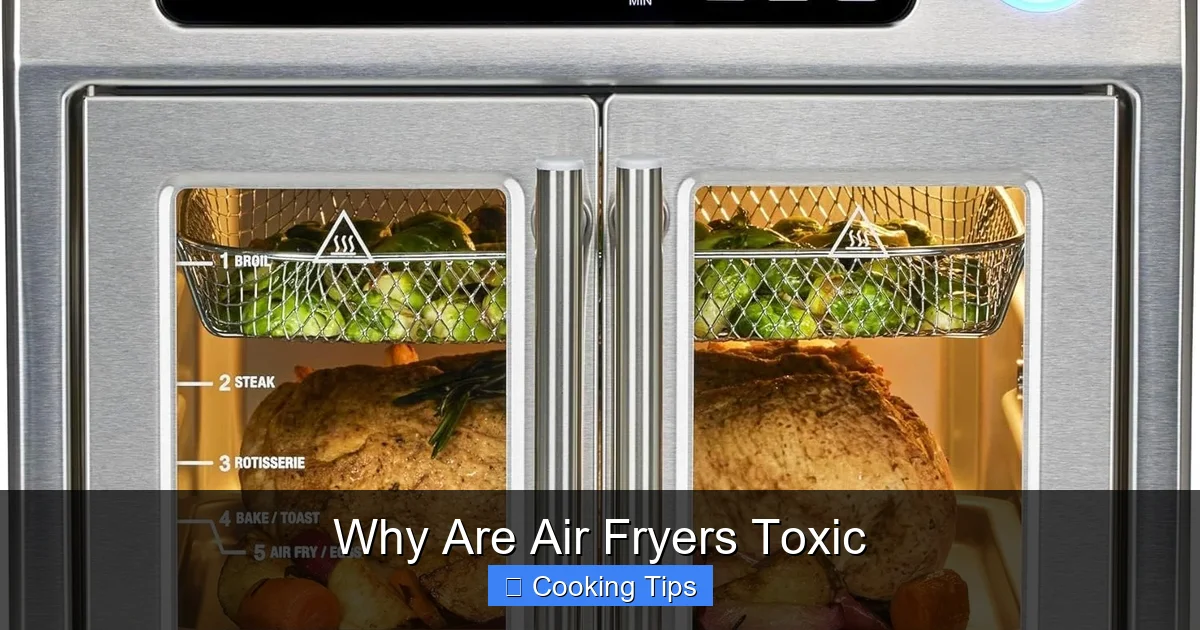
Worried about your air fryer? This guide explores the science behind claims of air fryer toxicity. We’ll demystify concerns about overheating, chemical leaching, and the formation of harmful compounds. Learn how to minimize risks and enjoy your air-fried foods with confidence. Understanding proper usage and maintenance is key to a safe and healthy cooking experience.
Why Are Air Fryers Toxic
Air fryers have become a kitchen staple for many, offering a way to enjoy crispy, fried-like foods with less oil. But as with any popular appliance, questions and concerns about their safety have surfaced. You might have heard whispers or seen articles questioning, “Why are air fryers toxic?” It’s natural to want to understand if your beloved kitchen gadget poses any risks.
In this comprehensive guide, we’ll dive deep into the common concerns surrounding air fryers. We’ll explore the science behind these claims, break down the potential risks, and most importantly, provide you with practical, actionable steps to ensure you can use your air fryer safely and healthily. Our goal is to equip you with the knowledge you need to cook with confidence.
Key Takeaways
- Understanding Acrylamide: High-temperature cooking of starchy foods can produce acrylamide, a potential carcinogen, in any cooking method, not just air frying.
- Non-Stick Coatings: Most air fryers use PTFE-based non-stick coatings, which are generally safe when used properly but can degrade and release fumes at very high temperatures.
- PFOA Concerns: Older cookware sometimes contained PFOA, but modern air fryers are typically PFOA-free. It’s important to check product specifications.
- Material Safety: The primary concern is not the air fryer itself but how it’s used and maintained, and the types of food cooked.
- Safe Usage Practices: Proper preheating, avoiding overheating, and using appropriate cooking times significantly reduce potential risks.
- Cleaning and Maintenance: Regular cleaning prevents food residue buildup, which can burn and create smoke or harmful compounds.
- Ventilation is Key: Always ensure good kitchen ventilation when using any cooking appliance that generates heat and smoke.
Debunking the “Toxic” Myth: What’s Really Going On?
The idea that air fryers are inherently toxic is largely a misconception. Like many cooking methods, air frying involves heat, and it’s the interaction of heat with certain foods and appliance components that can, under specific circumstances, lead to the formation of compounds we want to avoid. It’s not the air fryer itself that’s the problem, but rather how we use it and what we cook in it.
The main areas of concern typically revolve around:
- The formation of certain chemical compounds during high-temperature cooking.
- The materials used in the construction of the air fryer basket and other components.
- Potential for overheating and smoke production.
Let’s break down each of these points to get a clearer picture.
Understanding Acrylamide: The Most Common Concern
Perhaps the most frequently cited chemical concern related to air fryers (and other high-temperature cooking methods) is acrylamide.
What is Acrylamide?
Acrylamide is a chemical compound that forms naturally in starchy foods, like potatoes and bread, when they are cooked at high temperatures. This process is called the Maillard reaction, the same reaction that gives roasted and fried foods their delicious brown color and savory flavor.
Is Acrylamide Only in Air Fryers?
Absolutely not. Acrylamide can form in any cooking method that involves high heat and starchy foods. This includes baking, roasting, grilling, and traditional deep frying. The concentration of acrylamide can vary depending on the food, cooking temperature, and cooking time.
How Does Air Frying Relate to Acrylamide?
Since air fryers excel at producing crispy textures, often by cooking at relatively high temperatures (typically between 300°F and 400°F or 150°C to 200°C), they can contribute to acrylamide formation. However, studies have shown that air frying often produces *less* acrylamide than deep frying, likely because it uses less oil and a different heat distribution method.
How to Minimize Acrylamide Formation
The good news is that you can significantly reduce acrylamide levels in your air-fried foods:
- Avoid Overcooking: Don’t let your food get too brown or burnt. Aim for a golden-yellow color rather than a deep brown.
- Soak Potatoes: If you’re making fries or potato wedges, soaking the cut potatoes in water for 15-30 minutes before cooking can help leach out some of the sugars that contribute to acrylamide formation. Rinse and pat them thoroughly dry before air frying.
- Cook at Lower Temperatures When Possible: If a recipe allows for a slightly lower temperature without sacrificing desired crispiness, consider it.
- Vary Your Diet: Don’t rely solely on starchy, high-carb foods cooked at high temperatures. Incorporate a variety of fruits, vegetables, and proteins into your diet.
The Non-Stick Coating: PTFE and PFOA Concerns
Many air fryer baskets and trays are coated with a non-stick material to prevent food from sticking and to make cleanup easier. The most common type of non-stick coating used is Polytetrafluoroethylene (PTFE), often known by the brand name Teflon.
What is PTFE?
PTFE is a synthetic fluoropolymer that is widely used for its non-stick properties. It’s incredibly stable and safe under normal cooking conditions.
Are PTFE Coatings Safe?
When used as intended, PTFE coatings are considered safe. The U.S. Food and Drug Administration (FDA) and other regulatory bodies have approved PTFE for use in cookware.
When Do PTFE Coatings Become a Concern?
The primary concern with PTFE coatings arises when they are overheated. If an air fryer reaches extremely high temperatures (well above normal cooking temperatures, often cited as 500°F or 260°C and above), the PTFE coating can begin to break down. This breakdown can release fumes that may cause flu-like symptoms in humans, known as “polymer fume fever,” and can be toxic to pet birds.
What About PFOA?
Perfluorooctanoic acid (PFOA) is another chemical that was historically used in the manufacturing of PTFE. PFOA has raised significant health concerns due to its persistence in the environment and potential health effects. However, since 2013, PFOA has been largely phased out of production by major manufacturers.
Ensuring Your Air Fryer is PFOA-Free
Most modern air fryers are PFOA-free. When purchasing an air fryer, look for labels or product descriptions that explicitly state “PFOA-free.” If you have an older air fryer, you might want to check the manufacturer’s information.
How to Safely Use Non-Stick Coatings
To ensure the safe use of your air fryer’s non-stick coating:
- Follow Manufacturer Instructions: Always adhere to the recommended temperature and cooking times provided by the air fryer manufacturer.
- Avoid Empty Preheating for Extended Periods: While some preheating is often recommended, avoid running your air fryer empty at very high heat for prolonged durations.
- Don’t Use Metal Utensils: Metal utensils can scratch and damage the non-stick coating, which can compromise its integrity over time. Use silicone, wooden, or plastic spatulas and tongs.
- Inspect the Coating: If you notice significant scratches, peeling, or flaking of the non-stick coating, it’s best to consider replacing the basket or the entire appliance. A damaged coating is more likely to degrade.
- Ensure Ventilation: Always use your air fryer in a well-ventilated area.
Material Safety and Leaching Concerns
Beyond the non-stick coating, some people worry about other materials in their air fryer potentially leaching chemicals into their food.
What Materials Are Air Fryers Made Of?
Air fryers are typically constructed from food-grade plastics (for the exterior and housing), stainless steel or aluminum (for heating elements and internal components), and the non-stick coated basket or tray.
Are These Materials Safe?
When used as intended and when they are certified as food-grade or meeting relevant safety standards, these materials are generally safe. Manufacturers are obligated to use materials that are safe for contact with food.
How to Ensure Material Safety
- Buy from Reputable Brands: Stick to well-known brands that have a good track record for safety and quality.
- Look for Certifications: Appliances that meet safety standards often have certifications from organizations like UL (Underwriters Laboratories) or ETL.
- Avoid Damaged Appliances: Similar to the non-stick coating, if you notice any cracks or damage to plastic parts that are in contact with food, or if metal parts appear corroded, it’s a sign to consider replacement.
Overheating and Smoke Production
One of the more noticeable issues that can arise with an air fryer is smoke. This is not necessarily indicative of toxicity but rather of a problem that needs addressing.
Why Does My Air Fryer Produce Smoke?
Smoke from an air fryer is most often caused by one of two things:
- Food Residue: Small particles of food, grease, or marinades that have accumulated in the basket or on the heating element from previous use. When the air fryer heats up, these residues burn, producing smoke.
- Fat Dripping onto the Heating Element: If fatty foods are cooked, the rendered fat can drip down onto the hot heating element, causing it to smoke.
How to Prevent and Address Smoke
Preventing smoke is straightforward and contributes to overall appliance health and safety:
- Clean Your Air Fryer Regularly: This is the most crucial step. After each use, once the air fryer has cooled down, clean the basket and tray thoroughly. Periodically, you may need to clean the interior and the heating element (refer to your manual for specific instructions).
- Use Paper Liners or Foil (with Caution): For very greasy foods, you can place perforated parchment paper liners or a piece of aluminum foil (ensure it doesn’t block air circulation) at the bottom of the basket. This catches drippings. However, be mindful that too much blockage can impede air flow and cooking performance. Never use plastic liners.
- Don’t Overfill the Basket: Overfilling can cause food to steam rather than crisp, and it also increases the chance of grease splattering onto the heating element.
- Pat Foods Dry: Especially for foods that tend to splatter or have marinades, patting them dry before placing them in the air fryer can help reduce grease.
Smoke itself, while unpleasant and potentially irritating, is not usually a sign of toxic chemical leaching unless it’s accompanied by burning plastic smells or a distinctly acrid odor indicating a component failure.
Troubleshooting Common Air Fryer Concerns
Let’s address a few common questions that arise when using an air fryer:
My air fryer smells like plastic. Is it toxic?
A faint plastic smell during the first few uses is common and usually dissipates as the appliance is “burned in.” However, if the smell is strong, acrid, or persistent, it could indicate an issue with the appliance’s materials or overheating.
* Solution: Ensure good ventilation. If the smell persists after a few uses or is very strong, contact the manufacturer or discontinue use. Check that no plastic packaging was accidentally left on the appliance.
Food is sticking to my air fryer basket. Is the coating worn out?
If food consistently sticks despite proper use and cleaning, it’s a strong indicator that the non-stick coating may be damaged or worn.
* Solution: Inspect the basket for scratches or peeling. If damaged, consider replacing the basket or the air fryer. Ensure you are using appropriate cooking sprays or oils as recommended by the manufacturer, and avoid metal utensils.
My air fryer is smoking excessively. What should I do?
As discussed, excessive smoking usually points to food residue or dripping grease.
* Solution: Immediately unplug the air fryer. Let it cool completely. Thoroughly clean the basket, tray, and interior, paying close attention to the heating element area.
Conclusion: Enjoy Your Air Fryer Safely!
The question “Why are air fryers toxic?” is often based on a misunderstanding or an overemphasis of potential, but manageable, risks. When used correctly, air fryers are a safe and efficient cooking appliance. The concerns about acrylamide are applicable to many high-temperature cooking methods, and simple adjustments can minimize its formation. Similarly, the issues related to non-stick coatings are generally linked to extreme overheating, which can be avoided by following manufacturer guidelines and inspecting the appliance regularly.
By understanding the nuances of how air fryers work and by practicing good cooking and maintenance habits, you can confidently enjoy the benefits of this popular kitchen gadget. Always prioritize cleaning, proper cooking temperatures, and the use of suitable utensils to ensure a safe and delicious cooking experience for you and your family. Happy air frying!
