

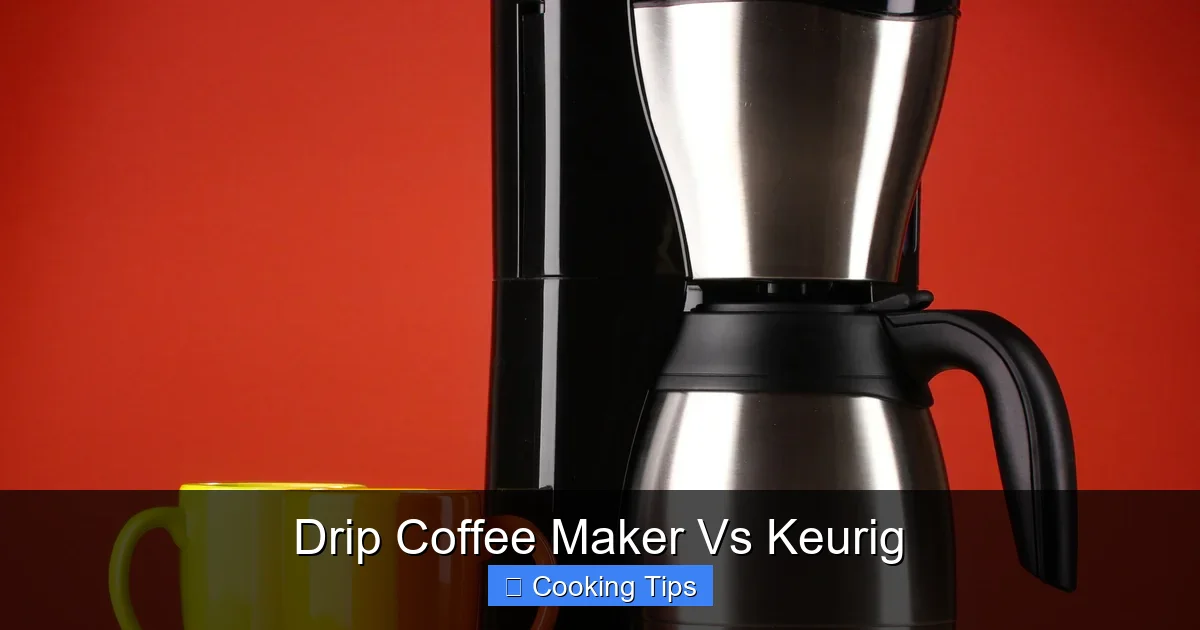
Deciding between a drip coffee maker and a Keurig can impact your morning routine. This guide breaks down the pros and cons of each, from brewing capacity and cost to convenience and environmental impact. Whether you prioritize speed and variety or rich, customizable flavor, learn which machine best suits your lifestyle and budget. Make your perfect cup with our expert advice.
Choosing the right coffee maker can feel like a big decision. Your morning brew is a ritual, a necessity, or a treat. Two of the most popular options today are the traditional drip coffee maker and the single-serve Keurig machine. But which one is right for you? This guide will walk you through the ins and outs of both, helping you understand their differences, their strengths, and their weaknesses. By the end, you’ll be well-equipped to make an informed choice that will shape your daily coffee experience. We’ll cover everything from how they work to the cost, convenience, and even the environmental impact.
Key Takeaways
- Drip coffee makers offer greater control and customization over brew strength and volume, appealing to coffee aficionados.
- Keurig machines excel in speed and convenience, delivering a single cup in under a minute with minimal effort.
- Cost varies significantly, with drip machines generally having a lower initial purchase price and ongoing coffee bean costs. Keurigs have higher machine and pod costs.
- Variety is a major Keurig advantage, offering a vast selection of coffee, tea, and other beverages in pre-portioned pods.
- Environmental impact is a concern for both, but Keurig pods generate more single-use plastic waste than coffee grounds from drip machines.
- Cleaning and maintenance differ; drip machines require regular descaling and cleaning of the carafe, while Keurigs need descaling and pod holder cleaning.
- Brewing capacity is a key differentiator: drip machines are ideal for multiple cups, while Keurigs are designed for individual servings.
Understanding the Basics: How They Brew
Before diving into the comparison, let’s understand how each machine operates. This fundamental knowledge will help illuminate their advantages and disadvantages.
Drip Coffee Makers
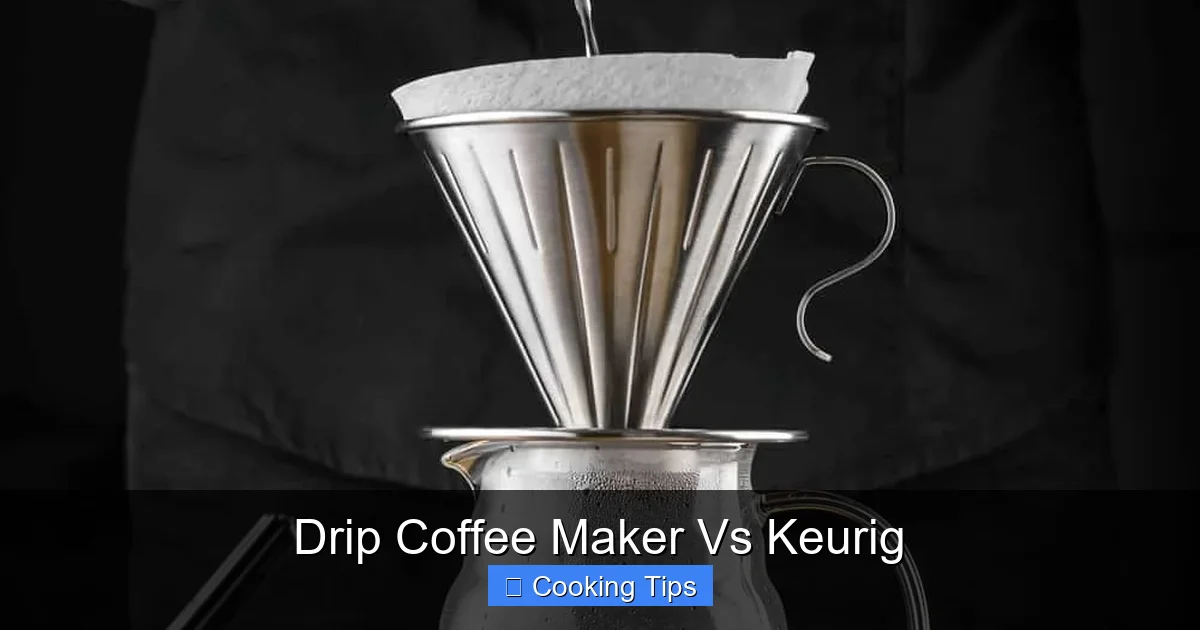
Drip coffee makers are the classic choice for many households. They work by heating water and then allowing it to drip through coffee grounds held in a filter.
The process is straightforward:
- Water is poured into a reservoir.
- A heating element warms the water.
- The hot water is then channeled up and over the coffee grounds in a filter basket.
- Gravity pulls the brewed coffee down into a carafe, usually placed on a warming plate.
This method allows for a consistent extraction of flavor from the coffee grounds. You have control over the amount of coffee grounds and water used, which directly impacts the strength and volume of the final brew.
Keurig Machines
Keurig machines offer a vastly different approach, focusing on speed and individual servings. They use pre-portioned coffee pods, also known as K-Cups.
Here’s how a Keurig brews:
- Water is poured into a reservoir, which is then heated.
- When you select a brew size and insert a K-Cup, the machine punctures the top and bottom of the pod.
- Hot water is forced under pressure through the coffee grounds inside the K-Cup.
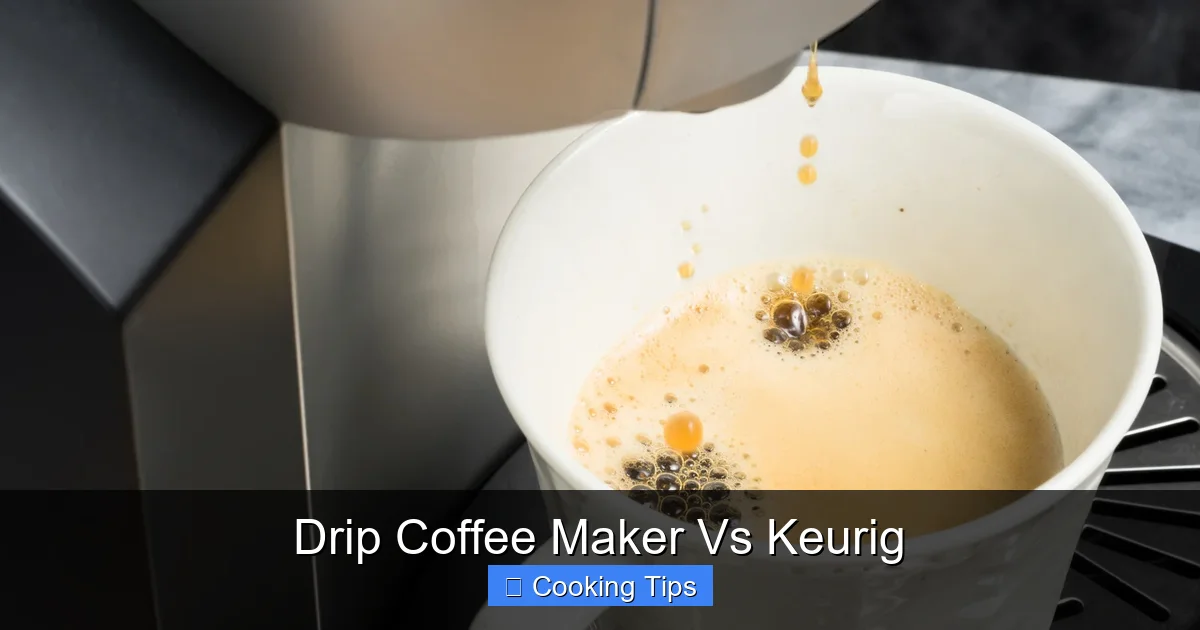
- The brewed coffee is dispensed directly into your mug.
The entire process takes about a minute, making it incredibly convenient for busy mornings or when you only need a single cup.
Drip Coffee Maker vs. Keurig: A Detailed Comparison
Now that we understand the mechanics, let’s break down the key differences that matter most to coffee drinkers.
1. Convenience and Speed
Keurig: This is where the Keurig shines. If your top priority is getting a hot cup of coffee as quickly as possible with minimal fuss, a Keurig is hard to beat. Insert a pod, press a button, and within 60 seconds, your coffee is ready. There’s no grinding beans, measuring grounds, or waiting for a full pot to brew. This makes it ideal for individuals or households where everyone has different coffee preferences or when time is of the essence.
Visual guide about Drip Coffee Maker Vs Keurig
Image source: luckybelly.com
Drip Coffee Maker: Drip coffee makers require a bit more effort upfront. You need to measure coffee grounds, place them in a filter, and then wait for the brewing cycle to complete, which can take anywhere from 5 to 15 minutes, depending on the size of the pot. However, once brewed, you have a full carafe of coffee ready to serve, which can be convenient if multiple people want coffee around the same time.
2. Coffee Quality and Customization
Drip Coffee Maker: For coffee enthusiasts who appreciate flavor and control, drip coffee makers offer a superior experience. You can select your favorite whole beans, grind them to your preferred coarseness, and choose the exact coffee-to-water ratio. This allows for a highly customizable brew that can highlight the nuanced flavors of different coffee beans. Many high-end drip machines also offer features like bloom cycles or temperature control, further enhancing coffee quality.
Keurig: While Keurigs offer a wide variety of flavors and brands, the quality of the coffee can be inconsistent. The pre-portioned K-Cups are designed for convenience, but they often limit the freshness and full flavor extraction compared to freshly ground beans. Some users find the coffee to be weaker or less complex. While there are reusable K-Cup filters that allow you to use your own grounds, the brewing mechanism itself may not extract the same depth of flavor as a good drip machine.
3. Cost: Initial and Ongoing
Drip Coffee Maker: The initial cost of a drip coffee maker can range from very affordable ($20-$30 for a basic model) to several hundred dollars for high-end brewers. However, the ongoing cost is generally lower. You’ll buy coffee beans or grounds, which can be relatively inexpensive, especially if bought in bulk. Filters are also a recurring, but minor, expense.
Keurig: Keurig machines themselves can range in price, with basic models starting around $70 and premium ones going for $200 or more. The primary ongoing cost, however, comes from the K-Cups. While prices vary, a single K-Cup can cost between $0.50 and $1.00 or more, especially for premium brands. Over time, this can add up significantly, especially for households that drink multiple cups a day.
4. Variety of Beverages
Keurig: This is a significant advantage for Keurig. The vast marketplace of K-Cups means you’re not limited to just coffee. You can find K-Cups for tea, hot chocolate, cider, and even broths. This makes it a versatile machine for households with diverse beverage preferences.
Drip Coffee Maker: Drip coffee makers are primarily designed for brewing coffee. While some can be adapted to brew tea with the right filters and methods, it’s not their intended function. The variety is limited to the types of coffee beans and grounds you choose to use.
5. Capacity and Serving Size
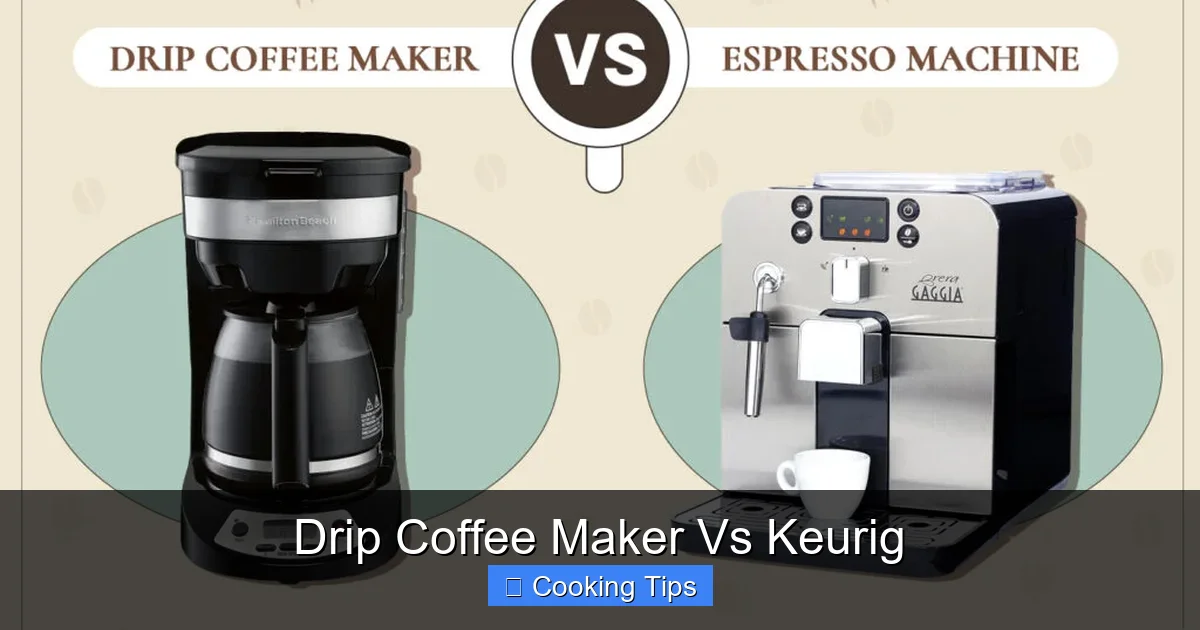
Drip Coffee Maker: Drip machines are built for capacity. They typically brew anywhere from 4 to 12 cups of coffee at a time, making them perfect for families, offices, or gatherings where multiple people will be enjoying coffee. The carafe keeps the coffee warm (though sometimes it can overheat and develop a burnt taste).
Keurig: Keurigs are designed for single servings. Most models allow you to choose between a few different cup sizes (e.g., 6 oz, 8 oz, 10 oz, 12 oz), but each brew cycle produces only one cup. If you need to make coffee for more than one person, you’ll have to run multiple cycles, which can be time-consuming and less economical.
6. Environmental Impact
Drip Coffee Maker: The environmental impact of drip coffee is generally considered lower than Keurigs. The primary waste product is used coffee grounds, which are biodegradable and can be composted. Reusable coffee filters are also widely available, further reducing waste.
Keurig: The biggest environmental concern with Keurigs is the K-Cups. Each pod is a piece of single-use plastic and aluminum, contributing to landfill waste. While some companies are developing recyclable or compostable K-Cups, widespread adoption and proper disposal can still be challenging. The energy used to heat water for each individual cup can also be a factor.
7. Cleaning and Maintenance
Drip Coffee Maker: Cleaning a drip coffee maker involves washing the carafe and filter basket regularly. The machine itself needs occasional descaling to remove mineral buildup, which is usually done with a vinegar and water solution. This process is straightforward but requires a bit more manual effort.
Keurig: Keurigs also require regular descaling, which is crucial for maintaining optimal performance and taste. The water reservoir and drip tray are usually removable and washable. The pod holder and needle assembly can get clogged with coffee grounds and require cleaning with a paperclip or dedicated cleaning tool. While generally easy, some users find the descaling process a bit more involved.
Choosing the Right Machine for You
Visual guide about Drip Coffee Maker Vs Keurig
Image source: cornercoffeestore.com
So, after weighing all these factors, how do you make the final decision? Consider your personal habits and preferences.
Who Should Choose a Drip Coffee Maker?
- Coffee Connoisseurs: If you appreciate the nuances of different coffee beans and enjoy experimenting with brew strength and flavor profiles.
- Households with Multiple Coffee Drinkers: If you regularly brew coffee for more than one person at a time.
- Budget-Conscious Individuals: If you want to save money on both the initial machine cost and ongoing coffee expenses.
- Environmentally-Minded Consumers: If you want to minimize single-use plastic waste.
- Those Who Enjoy the Ritual: If the process of grinding beans and brewing coffee is part of your morning enjoyment.
Who Should Choose a Keurig?
- Busy Individuals: If speed and convenience are your top priorities, and you need a quick cup on the go.
- Households with Diverse Preferences: If different people in your home enjoy a wide range of beverages (coffee, tea, hot chocolate).
- Single-Person Households: If you primarily drink one cup of coffee at a time and don’t want to brew a whole pot.
- People Who Value Simplicity: If you want a foolproof way to make a decent cup of coffee with minimal effort.
- Those Who Enjoy Variety: If you like trying new flavors and brands of coffee, tea, or other beverages frequently.
Practical Tips for Both Machines
Visual guide about Drip Coffee Maker Vs Keurig
Image source: tastingtable.com
Regardless of which machine you choose, here are some tips to get the most out of your coffee.
For Drip Coffee Makers
- Use Fresh, Quality Beans: The quality of your beans directly impacts the taste. Buy whole beans and grind them just before brewing.
- Grind Size Matters: A medium grind is generally best for drip coffee. Too fine, and it can over-extract and become bitter; too coarse, and it can under-extract and taste weak.
- Water Quality is Key: Use filtered water for the best-tasting coffee.
- Clean Regularly: Descale your machine every 1-3 months, depending on your water hardness, and wash the carafe and filter basket after each use.
- Experiment with Ratios: The standard ratio is about 1-2 tablespoons of coffee per 6 ounces of water, but adjust to your preference.
For Keurig Machines
- Use Filtered Water: Just like with drip coffee, good water makes a difference.
- Clean Your Machine Regularly: Descaling is essential for taste and machine longevity. Follow your manufacturer’s instructions.
- Rinse the Pod Holder: Coffee grounds can get stuck in the pod holder and needle, affecting future brews.
- Consider Reusable K-Cups: If you want to use your own grounds and save money, reusable K-Cups are a good option, though they can be messier.
- Explore Different Brands: Not all K-Cups are created equal. Experiment to find the brands and flavors you enjoy most.
Troubleshooting Common Issues
Both types of machines can encounter minor issues.
Drip Coffee Maker Problems
- Coffee Tastes Bitter: Could be from stale beans, too fine a grind, or a dirty machine. Try fresh beans, adjust grind size, and descale.
- Coffee is Weak: Likely too coarse a grind or not enough coffee grounds used. Adjust ratio or grind size.
- Machine Leaking: Check that the water reservoir is seated correctly and not overfilled. Ensure the carafe is properly placed.
Keurig Machine Problems
- Coffee Tastes Weak or Watery: Ensure you’re using the correct pod and not selecting too large a brew size. Check if the needle is clogged.
- Machine Not Brewing: Make sure the water reservoir is full and seated properly. Ensure the K-Cup is inserted correctly and the lid is fully closed.
- Machine Making Strange Noises: This can often indicate a need for descaling, as mineral buildup can impede water flow.
Conclusion: Your Perfect Cup Awaits
The “better” coffee maker between a drip coffee maker and a Keurig is entirely subjective. It depends on your individual needs, priorities, and lifestyle. If you value speed, convenience, and a wide variety of beverage options for single servings, the Keurig is likely your winner. For those who prioritize flavor control, brewing capacity, cost-effectiveness, and a more traditional coffee experience, a drip coffee maker remains a superior choice.
Ultimately, both machines can deliver a satisfying cup of coffee. By understanding their differences, you can confidently choose the one that will best integrate into your daily routine and bring you consistent enjoyment with every brew. Happy brewing!
