

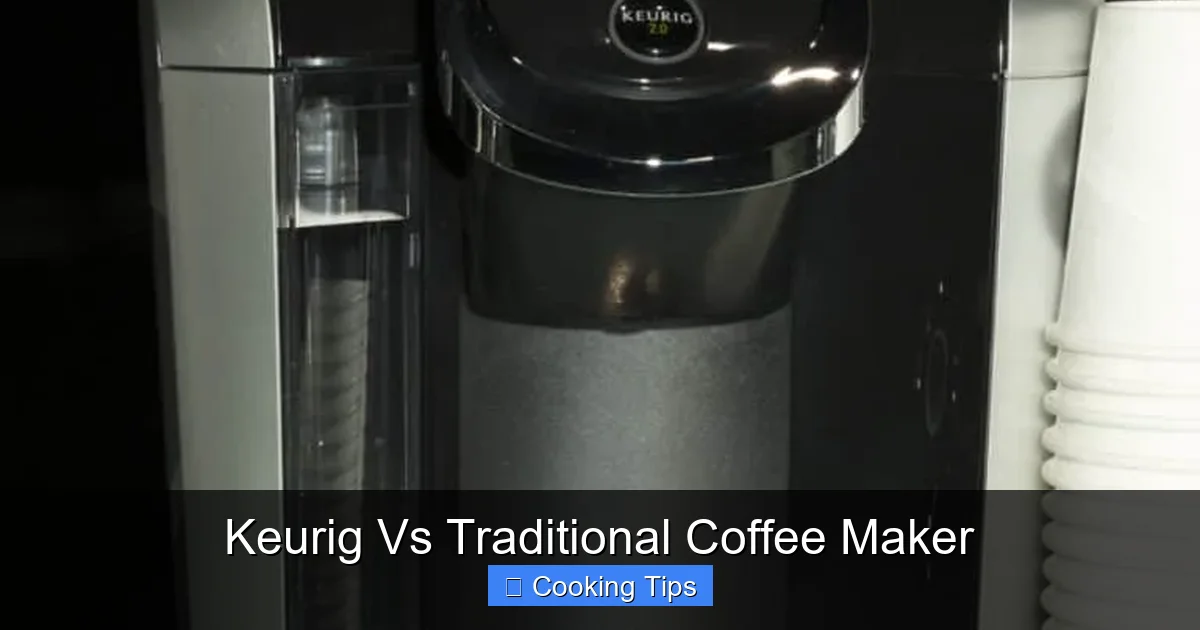
Deciding between a Keurig and a traditional coffee maker can be tough. This guide breaks down the differences in convenience, cost, taste, and environmental impact. Discover which brewing method best suits your lifestyle, from quick single cups to larger batches, ensuring you make the perfect coffee choice every time.
Choosing the right coffee maker can feel like a big decision. You’re looking for that perfect cup to start your day, to enjoy a midday pick-me-up, or to share with friends. Two of the most popular options on the market today are Keurig single-serve brewers and traditional drip coffee makers. But which one is right for you? This comprehensive guide will walk you through everything you need to know about Keurig vs. traditional coffee makers. We’ll explore their pros and cons, help you understand the differences in cost, taste, convenience, and environmental impact, and ultimately guide you to making the best choice for your coffee needs.
Key Takeaways
- Convenience is King with Keurig: Keurig machines offer unparalleled speed and ease for single-serve brewing, perfect for busy mornings.
- Traditional Coffee Makers Offer Control and Customization: You have more control over bean type, grind size, and brew strength with traditional methods.
- Cost Considerations Vary: While Keurig machines have a higher upfront cost, the ongoing expense of K-Cups can add up, potentially making traditional methods more economical long-term.
- Taste Preferences are Subjective: Keurig coffee can be good, but many coffee aficionados argue traditional brewing methods extract more nuanced flavors.
- Environmental Impact is a Factor: The single-use nature of K-Cups raises environmental concerns, whereas traditional methods often generate less waste.
- Batch Size Matters: If you regularly brew for multiple people, a traditional coffee maker is generally more efficient and cost-effective.
- Maintenance Differs: Both require cleaning, but Keurig machines may need descaling more frequently depending on water hardness.
Understanding the Basics: Keurig vs. Traditional
Before diving into the nitty-gritty, let’s define what we mean by each type of coffee maker.
What is a Keurig Coffee Maker?
A Keurig coffee maker is a type of single-serve brewer. It uses pre-packaged pods, known as K-Cups, filled with coffee grounds. You simply insert a K-Cup, select your brew size, and press a button. The machine punctures the K-Cup, forces hot water through the grounds, and dispenses a fresh cup of coffee. It’s designed for speed, convenience, and individual servings.
What is a Traditional Coffee Maker?
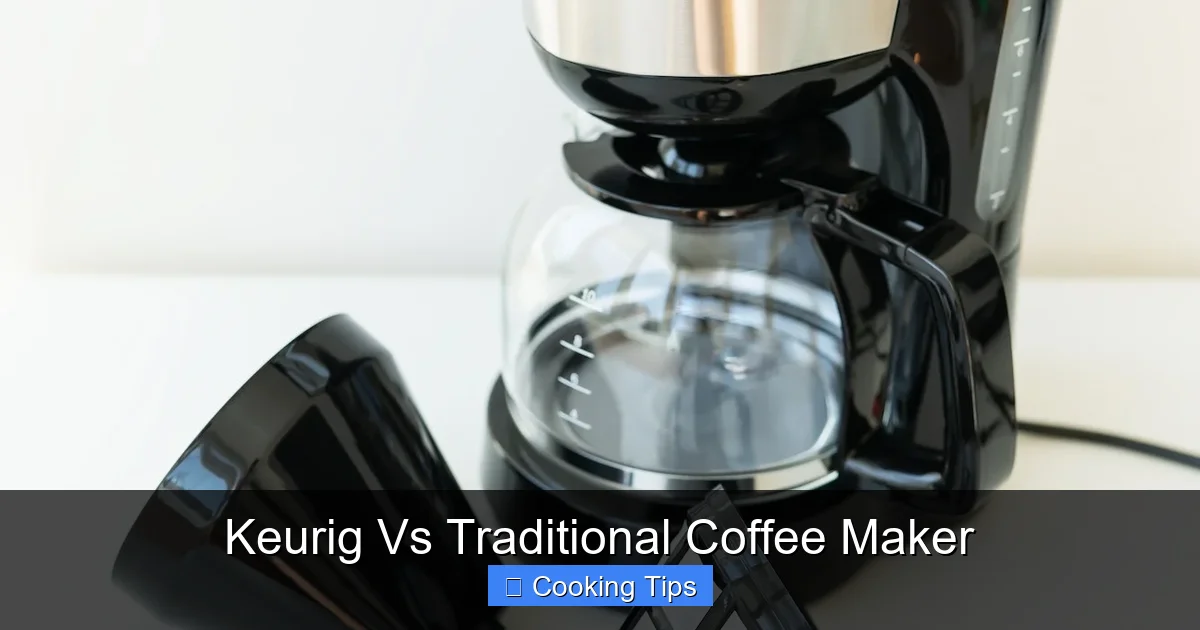
A traditional coffee maker, most commonly a drip coffee maker, works differently. You add ground coffee to a filter (paper or permanent) placed in a basket. You then fill a water reservoir, and the machine heats the water and drips it over the coffee grounds. The brewed coffee collects in a carafe below. These machines are typically designed to brew multiple cups at once.
Convenience and Speed: The Keurig Advantage
Visual guide about Keurig Vs Traditional Coffee Maker
Image source: i.ytimg.com
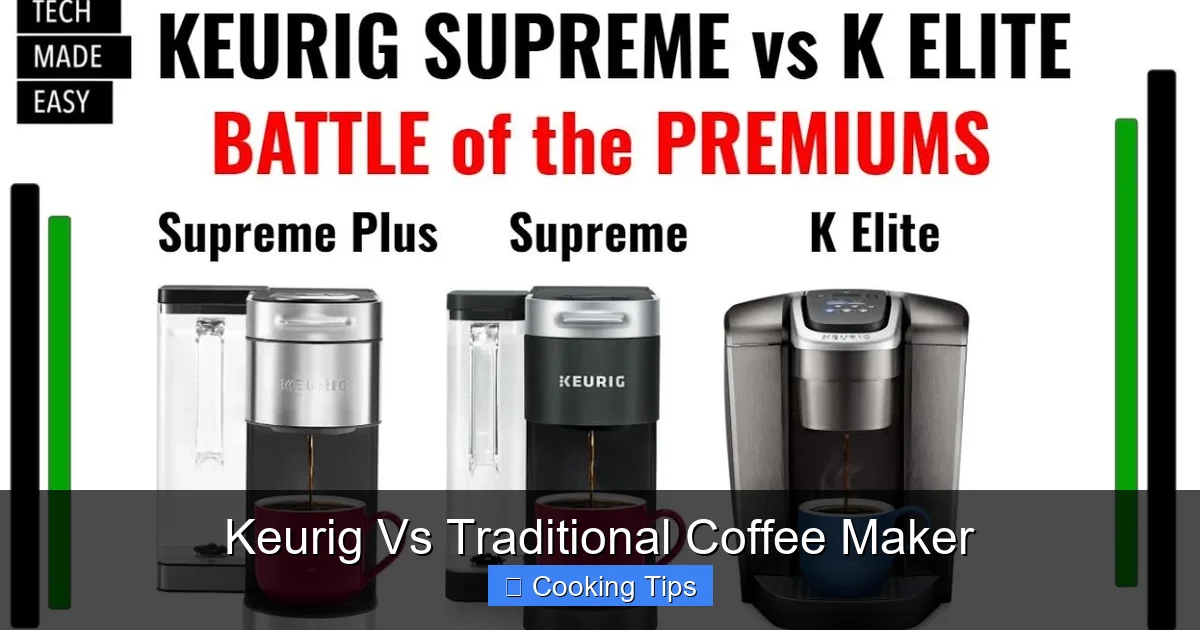
When it comes to sheer speed and ease of use, the Keurig often takes the crown.
Instant Gratification
The primary appeal of a Keurig is its incredible convenience. Need a cup of coffee in under a minute? A Keurig can deliver. There’s no measuring of grounds, no fumbling with filters, and no waiting for a full pot to brew.
Single-Serve Perfection
For households with one or two coffee drinkers, or for those who prefer a different type of coffee than their housemates, the single-serve nature of Keurig is a huge plus. Everyone can have their preferred blend or roast without making a whole pot that might go to waste.
Minimal Cleanup
After brewing, you simply eject the used K-Cup. There’s no messy grounds to scoop out, and the drip tray is usually the only part that needs a quick rinse. This makes it ideal for busy mornings or when you’re in a hurry.
Control and Customization: The Traditional Coffee Maker’s Strength
Visual guide about Keurig Vs Traditional Coffee Maker
Image source: dailydemitasse.com
While Keurigs excel in speed, traditional coffee makers offer a different kind of satisfaction: control over your brew.
Mastering the Beans
With a traditional coffee maker, you have the freedom to choose any coffee bean you like. From single-origin exotic beans to your favorite local roast, you can grind them fresh just before brewing. This level of control allows for a more personalized and potentially superior tasting experience.
Grind Size Matters
The grind size of your coffee beans significantly impacts the flavor. A traditional coffee maker allows you to experiment with different grind sizes to find what works best for your specific coffee and brew method. Keurig K-Cups come pre-ground, limiting this variable.
Brew Strength and Temperature
Many traditional coffee makers offer some level of control over brew strength (e.g., by adjusting the amount of coffee used) and water temperature. While Keurig machines have preset brew sizes, fine-tuning the intensity is not typically an option.
Experimentation is Encouraged
If you enjoy the ritual of making coffee, grinding beans, and tweaking your brew, a traditional coffee maker provides a more engaging experience. It’s a hobby for many, not just a means to an end.
Cost Analysis: Upfront vs. Ongoing Expenses
Visual guide about Keurig Vs Traditional Coffee Maker
Image source: luckybelly.com
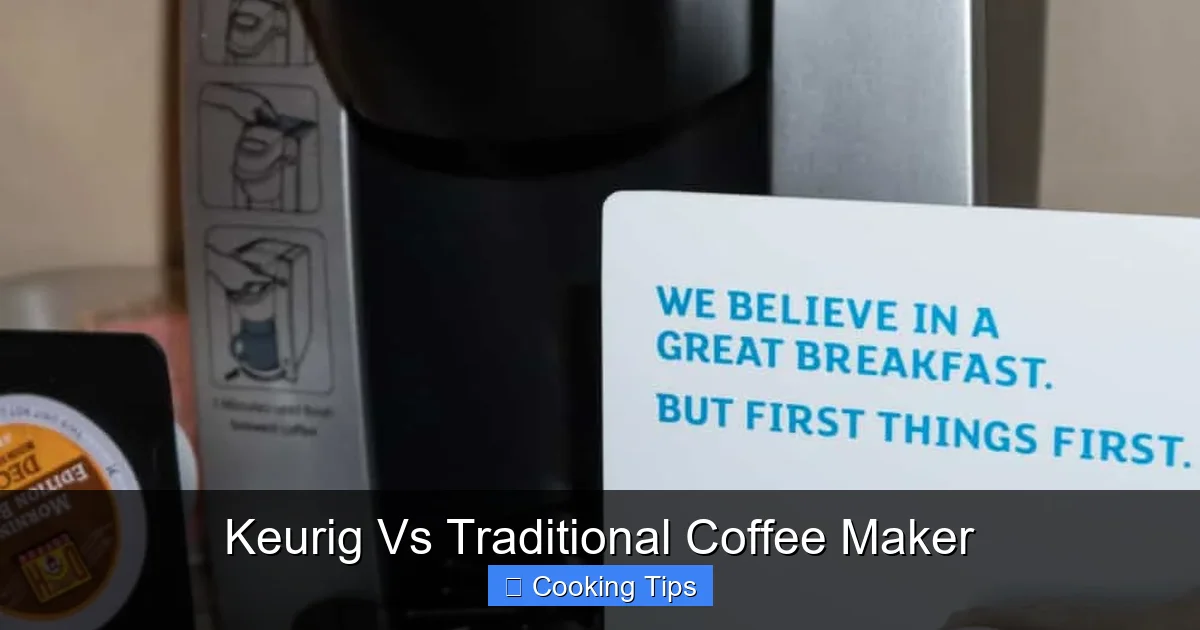
The financial aspect of choosing between a Keurig and a traditional coffee maker involves looking at both the initial purchase price and the recurring costs.
Keurig Machine Costs
Keurig machines themselves can range from around $80 to $200 or more, depending on the model and features. However, the real ongoing cost comes from K-Cups. A box of 24 K-Cups can cost anywhere from $10 to $18, making each cup of coffee roughly $0.40 to $0.75. This can add up quickly, especially if you drink multiple cups a day.
Traditional Coffee Maker Costs
Traditional drip coffee makers can be found for as little as $20 for a basic model, with higher-end machines costing $100 or more. The cost of coffee itself is generally lower when buying whole beans or pre-ground coffee in bulk. A pound of coffee (about 30-40 cups worth) can cost between $8 and $20, making each cup of coffee around $0.20 to $0.60. If you opt for reusable filters, you save even more on paper filter costs.
Long-Term Savings
For individuals or households that drink a significant amount of coffee, a traditional coffee maker often proves to be more economical in the long run due to the lower per-cup cost of coffee grounds. The initial investment in a Keurig might seem appealing for convenience, but the cumulative cost of K-Cups can make it the more expensive option over time.
Taste and Quality: A Matter of Preference
The taste of your coffee is subjective, but there are general characteristics associated with each brewing method.
Keurig Coffee: Consistent, but Limited
Keurig coffee is known for its consistency. Each K-Cup is designed to deliver a predictable flavor profile. However, many coffee enthusiasts find that Keurig coffee can lack the depth and complexity of coffee brewed using traditional methods. The fast brewing process and the sealed nature of K-Cups may not allow for the full extraction of nuanced flavors.
Traditional Coffee: Flavorful and Customizable
Traditional brewing methods, especially when using fresh, high-quality beans and proper grind size, can extract a wider range of flavors and aromas. The ability to control variables like water temperature and brew time allows for a more nuanced and potentially richer cup of coffee. This method is favored by many who appreciate the subtle notes and complexities of different coffee origins.
Exploring Reusable K-Cup Options
It’s worth noting that Keurig offers reusable K-Cup filters that allow you to use your own coffee grounds. This bridges the gap, offering the convenience of the Keurig machine with the potential for better flavor and cost savings associated with using your own coffee. However, the brewing technology of the Keurig itself still might not achieve the same flavor extraction as a dedicated drip machine for some.
Environmental Impact: A Growing Concern
The environmental footprint of your coffee habit is an important consideration for many consumers today.
The K-Cup Conundrum
The biggest environmental concern with Keurig machines is the sheer volume of single-use plastic K-Cups generated. While Keurig has made efforts to make their K-Cups recyclable, the process can be complicated and not all recycling facilities are equipped to handle them. This leads to a significant amount of plastic waste.
Traditional Coffee Maker’s Footprint
Traditional coffee makers produce less waste, primarily from used coffee grounds and paper filters. Coffee grounds are compostable and can be returned to the earth. Paper filters are also biodegradable. While there’s still a footprint associated with manufacturing and energy consumption, it’s generally considered lower than the constant disposal of plastic K-Cups.
Reducing Waste with Reusable Options
For those who love their Keurig but are concerned about waste, reusable K-Cup filters are a great solution. They allow you to use your own coffee grounds, dramatically reducing plastic waste and often saving money.
Batch Size and Lifestyle Needs
Your daily coffee consumption and household size play a crucial role in determining which machine is best for you.
For the Solo Sipper
If you’re the only coffee drinker in your home, or if everyone in your home has vastly different coffee preferences, a Keurig is an excellent choice. Its single-serve capability means no wasted coffee and everyone gets exactly what they want.
For the Coffee-Loving Family or Office
If you regularly brew coffee for multiple people, a traditional drip coffee maker is far more efficient. You can brew an entire carafe (typically 8-12 cups) at once, which is much faster and more economical than brewing individual cups.
Busy Mornings vs. Relaxed Rituals
For those who need their coffee in a flash during a hectic morning rush, the Keurig’s speed is invaluable. If you have the luxury of a more relaxed morning routine and enjoy the process of brewing coffee, a traditional maker offers a more satisfying ritual.
Maintenance and Cleaning: What to Expect
Both types of coffee makers require regular cleaning to ensure optimal performance and taste.
Keurig Maintenance
Keurig machines typically require descaling every 3-6 months, depending on your water hardness and how often you use the machine. This process removes mineral buildup that can affect brewing temperature and water flow. You’ll also need to wipe down the exterior and clean the drip tray regularly. The needle that punctures the K-Cup can sometimes get clogged and may need cleaning.
Traditional Coffee Maker Maintenance
Traditional drip coffee makers also need descaling, often with a vinegar solution or a commercial descaling product. Regular cleaning involves washing the carafe, brew basket, and any permanent filter. The frequency of descaling depends on your water quality and usage. Some newer models have indicators to remind you when descaling is needed.
Troubleshooting Common Issues
Both Keurig and traditional coffee makers can encounter problems. Here are a few common issues and how to address them.
Keurig Won’t Brew or Brews Slowly
* Cause: Clogged water needle or need for descaling.
* Solution: Run a descaling cycle. For the needle, gently clean it with a paperclip. Ensure the water reservoir is full.
Coffee Tastes Weak or Bitter (Keurig)
* Cause: Using the wrong brew size for the K-Cup, K-Cup not properly inserted, or K-Cup is old.
* Solution: Try a different brew size. Ensure the K-Cup is seated correctly. Try a fresh K-Cup.
Coffee Tastes Weak or Bitter (Traditional)
* Cause: Incorrect coffee-to-water ratio, wrong grind size, stale coffee, or machine needs cleaning.
* Solution: Adjust the amount of coffee used. Ensure you have the correct grind size for drip coffee. Use fresh coffee beans. Descale and clean the machine.
Leaking Coffee Maker
* Cause: Reservoir not seated properly, cracked reservoir, or clog in the brew basket.
* Solution: Ensure all parts are correctly assembled. Inspect for cracks. Clean out the brew basket and carafe.
Making Your Final Decision
The choice between a Keurig and a traditional coffee maker ultimately boils down to your personal priorities.
Choose Keurig if:
* You prioritize speed and convenience above all else.
* You live alone or have a household with diverse coffee preferences.
* You want minimal cleanup after brewing.
* You enjoy trying a wide variety of coffee brands and flavors without committing to a whole bag.
Choose Traditional if:
* You are a coffee connoisseur who values flavor nuance and control.
* You want to save money in the long run on your coffee habit.
* You regularly brew coffee for multiple people.
* You enjoy the ritual and process of making coffee.
* Environmental concerns are a significant factor for you.
Conclusion
Both Keurig and traditional coffee makers have their distinct advantages and disadvantages. The “better” choice is entirely subjective and depends on your individual needs, preferences, and lifestyle. If you crave ultimate convenience and speed for single servings, a Keurig might be your perfect match. If you prioritize taste, control, cost-effectiveness, and a more traditional brewing experience, a traditional coffee maker will likely serve you better. Consider what’s most important to you – the quick, effortless cup or the perfectly crafted brew – and make your decision with confidence. No matter which you choose, the most important ingredient is always good quality coffee!
