

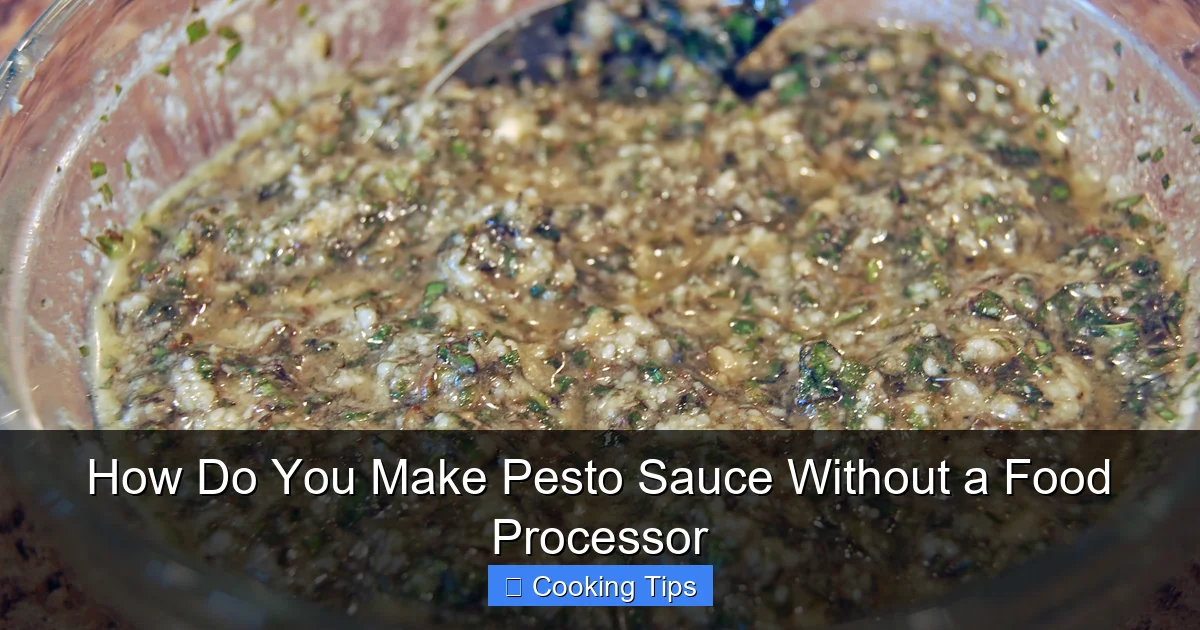
Discover the satisfying art of making fresh pesto sauce without relying on a food processor. This guide provides detailed, step-by-step instructions for two primary methods: the traditional mortar and pestle technique and a versatile blender approach. You’ll learn how to achieve the perfect texture and vibrant flavor for your homemade pesto, proving that a food processor isn’t essential for this classic Italian sauce.
- Embrace Traditional Methods: The mortar and pestle, while requiring more effort, offers unparalleled control over texture and a truly authentic pesto experience.
- Leverage Your Blender: A standard blender can be an effective alternative to a food processor, requiring only slight adjustments to achieve a desirable consistency.
- Ingredient Quality Matters: Fresh, high-quality ingredients, especially basil, are crucial for the best-tasting pesto, regardless of the preparation method.
- Control Your Texture: Whether pounding or pulsing, you can adjust the coarseness of your pesto to suit your preference, from chunky to smooth.
- Don’t Fear Variations: Pesto is highly adaptable; experiment with different nuts, cheeses, and herbs to create unique flavor profiles.
- Proper Storage is Key: Learn how to store your homemade pesto to preserve its freshness and vibrant color for future use.
How Do You Make Pesto Sauce Without a Food Processor
Pesto, that vibrant, fragrant green sauce, is a staple in Italian cuisine and a delightful addition to countless dishes. Traditionally, it’s made by pounding basil, pine nuts, garlic, Parmesan cheese, and olive oil in a mortar and pestle. While a food processor is undoubtedly convenient and quick, it’s not the only way to achieve this delicious condiment. In fact, some purists argue that the traditional method yields a superior texture and depth of flavor.
This guide will show you that you don’t need a fancy appliance to make fantastic pesto. We’ll walk you through two primary methods: the time-honored mortar and pestle technique and a surprisingly effective blender method. You’ll learn all the tricks to making a beautiful, flavorful pesto right in your own kitchen, proving that a food processor is a luxury, not a necessity, when it comes to pesto making.
Method 1: The Traditional Mortar and Pestle Pesto
This is the classic, time-tested way to make pesto, and it’s incredibly rewarding. It requires a bit more elbow grease, but the result is a pesto with a delightful, slightly rustic texture and an intense flavor.
What You’ll Need:
Gather these essential ingredients:
- Fresh Basil: About 2 cups of packed fresh basil leaves. Look for bright green, tender leaves. Avoid wilted or bruised ones.
- Garlic: 2-3 cloves of fresh garlic. Adjust to your taste preference – some like it garlicky, others prefer a milder flavor.
- Pine Nuts: About 1/4 cup of pine nuts. These are traditional, but other nuts like walnuts or almonds can be substituted.
- Parmesan Cheese: About 1/2 cup of freshly grated Parmesan cheese. Use good quality Parmigiano-Reggiano for the best flavor.
- Extra Virgin Olive Oil: About 1/3 to 1/2 cup. Use a good quality olive oil for its flavor contribution.
- Salt: 1/2 teaspoon, or to taste.
Equipment:
You’ll need a sturdy mortar and pestle. A granite mortar and pestle is ideal because it’s heavy and durable, providing excellent grinding power. A marble one also works well.
Step-by-Step Instructions:
Let’s get pounding!
Step 1: Prepare the Basil
Gently rinse your basil leaves and pat them thoroughly dry with paper towels or a clean kitchen towel. Excess water will dilute the flavor of your pesto.
Step 2: Grind the Garlic and Nuts
Start by placing the garlic cloves into the mortar. Add a pinch of salt to help break down the garlic. Begin to pound and grind the garlic into a coarse paste using the pestle. This action will release the garlic’s potent oils and aroma. Once the garlic is mostly mashed, add the pine nuts to the mortar. Continue to pound and grind the pine nuts with the garlic until they are well broken down and form a coarse meal. This is where the texture of your pesto starts to develop. Don’t worry about making it a super fine paste at this stage; a bit of texture is good.
Step 3: Add the Basil
Now, add the basil leaves to the mortar. You might need to add them in batches, depending on the size of your mortar. Begin to pound and grind the basil. The key here is to gently bruise the basil leaves rather than just chopping them. You want to release their vibrant green color and essential oils. Continue this process until the basil is finely chopped and has formed a thick paste. Scrape down the sides of the mortar with your pestle periodically to ensure everything is incorporated.
Step 4: Incorporate the Cheese
Once the basil is finely ground, add the freshly grated Parmesan cheese to the mortar. Gently pound and mix the cheese into the basil mixture until it’s well combined. The cheese will add a salty, nutty depth to the pesto.
Step 5: Emulsify with Olive Oil
Now it’s time to add the olive oil. Slowly drizzle in the extra virgin olive oil while continuing to gently pound and stir the mixture. You’re aiming to create an emulsion – a smooth, cohesive sauce. Keep adding oil until you reach your desired consistency. Some prefer a looser pesto, while others like it thicker. Taste and adjust seasoning with salt as needed.
Tips for Mortar and Pestle Pesto:
- Patience is a virtue: This method takes time, so put on some music and enjoy the process!
- Start with smaller batches: If your mortar is small, work with half the recipe at a time.
- Bruise, don’t obliterate: The goal is to release the flavors, not to turn everything into dust.
- Fresh herbs are key: Use the freshest basil you can find for the brightest flavor and color.
Method 2: The Blender Pesto
If you don’t have a mortar and pestle or prefer a quicker method, a standard blender can be your best friend for making pesto. While it might not offer the exact same texture as the mortar and pestle, you can still achieve a delicious and satisfying result.
What You’ll Need:
The ingredients are the same as the mortar and pestle method:
- Fresh Basil: About 2 cups of packed fresh basil leaves.
- Garlic: 2-3 cloves of fresh garlic.
- Pine Nuts: About 1/4 cup of pine nuts.
- Parmesan Cheese: About 1/2 cup of freshly grated Parmesan cheese.
- Extra Virgin Olive Oil: About 1/3 to 1/2 cup.
- Salt: 1/2 teaspoon, or to taste.
Equipment:
A standard kitchen blender. A small personal blender works well too.
Step-by-Step Instructions:
Let’s get blending!
Step 1: Prepare the Basil
As with the mortar and pestle method, rinse your basil leaves and ensure they are completely dry. Water is the enemy of vibrant green pesto.
Step 2: Add Base Ingredients to Blender
Place the garlic cloves, pine nuts, and salt into the blender jar. Pulse a few times to roughly chop these ingredients. This helps to break them down before adding the basil, preventing them from getting stuck at the bottom.
Step 3: Add the Basil and Pulse
Add the fresh basil leaves to the blender. Begin to pulse the mixture. The key here is to pulse in short bursts rather than running the blender continuously. This helps to control the texture and prevent the basil from overheating and turning brown. Scrape down the sides of the blender jar as needed with a spatula.
Step 4: Incorporate the Cheese
Once the basil is mostly chopped and the mixture is starting to look like a coarse paste, add the freshly grated Parmesan cheese. Pulse a few more times to combine the cheese with the other ingredients.
Step 5: Emulsify with Olive Oil
With the blender running on a low speed, slowly drizzle in the extra virgin olive oil through the feed tube. Continue to blend until the pesto reaches your desired consistency. You can achieve a smoother pesto by blending for longer, or a chunkier one by pulsing more and stopping sooner. Taste and adjust seasoning with salt.
Tips for Blender Pesto:
- Pulse, don’t process: Short bursts are your friend for controlling texture and color.
- Scrape down the sides: This ensures all ingredients are evenly blended.
- Don’t over-blend: Over-blending can make the pesto gummy and dull its color.
- Adjust consistency: Add more olive oil for a looser pesto, or less for a thicker one.
- Chill before serving: Chilling can help the flavors meld and the pesto firm up slightly.
Troubleshooting Your Pesto
Even with the best intentions, you might encounter a few common pesto predicaments. Here’s how to solve them:
My pesto is too bitter.
This can happen if you’ve used older garlic or too much garlic. You can try to mask the bitterness by adding a little more Parmesan cheese, a touch of honey, or a squeeze of lemon juice. For future batches, ensure your garlic is fresh and start with a smaller amount.
My pesto is too oily.
If you’ve added too much olive oil, you can try adding a little more basil, pine nuts, or Parmesan cheese to absorb some of the excess oil. You can also let the pesto sit for a while; sometimes the oil separates and can be carefully poured off or blotted with a paper towel.
My pesto has turned brown.
This is usually due to oxidation or overheating. If you’re using a food processor, pulsing too long can generate heat. If you’re using a blender, over-blending can have the same effect. The mortar and pestle method is less prone to this. To combat browning, ensure you’re using fresh basil and work quickly. You can also stir in a teaspoon of lemon juice or a tablespoon of olive oil at the end to help preserve the color.
My pesto is too bland.
Pesto relies on fresh, vibrant flavors. Ensure you’re using good quality, fresh ingredients. Taste and adjust the salt, and consider adding a little more garlic or Parmesan cheese. A pinch of black pepper can also add an extra layer of flavor.
Creative Pesto Variations
Once you’ve mastered the classic basil pesto, don’t be afraid to get creative! Pesto is incredibly versatile.
- Nut Substitutions: Walnuts, almonds, pistachios, or even sunflower seeds can be used instead of pine nuts. Each will impart a different flavor.
- Herb Blends: Mix in other herbs like parsley, mint, arugula, or spinach with your basil for different flavor profiles.
- Cheesy Adventures: Pecorino Romano can be used in place of or alongside Parmesan for a sharper, saltier cheese flavor.
- Spicy Pesto: Add a pinch of red pepper flakes for a subtle kick.
- Lemon Zest: A bit of lemon zest can brighten up the pesto and add a refreshing citrus note.
Storing Your Homemade Pesto
Homemade pesto is best enjoyed fresh, but it can be stored for later use.
- Refrigerator: Transfer the pesto to an airtight container. To prevent browning, pour a thin layer of olive oil over the surface of the pesto before sealing. It should last for about 5-7 days in the refrigerator.
- Freezer: Pesto freezes beautifully. Spoon the pesto into ice cube trays and freeze until solid. Once frozen, transfer the pesto cubes to a freezer-safe bag or container. This makes it easy to grab a small portion when needed. Frozen pesto can last for up to 6 months.
When you’re ready to use frozen pesto, thaw it in the refrigerator or at room temperature. You might need to stir in a little extra olive oil to bring it back to its desired consistency.
Conclusion
Making pesto sauce without a food processor is not only possible but also a highly rewarding culinary experience. Whether you choose the meditative pounding of the mortar and pestle or the efficient whirring of your blender, the result is a burst of fresh, herbaceous flavor that can elevate so many dishes. From pasta to sandwiches, grilled vegetables to dips, homemade pesto is a versatile sauce that’s worth the effort. So, gather your ingredients, choose your method, and get ready to create your own delicious pesto. You might just find that you prefer the results – and the process – of making pesto without a food processor. Enjoy the journey and the delightful outcome!
