

Keep burners steady, use heavy pans, preheat, and adjust power slowly for consistent cooking heat.
I’ve cooked for years in busy kitchens and at home. I know how to maintain steady heat while cooking so food cooks evenly and tastes great. This guide explains how heat works, the tools that help, clear steps you can follow, and fixes for common problems. Read on and you will learn simple habits and pro tips that make steady heat easy to keep.
Why steady heat matters
Steady heat gives you control. It helps food cook evenly. It prevents burning, undercooking, and loss of texture.
Steady heat also saves time and energy. It reduces the need to babysit a pan. It improves results for sauces, sears, and braises.
If you learn how to maintain steady heat while cooking, your dishes will be more reliable. You will make fewer mistakes and spend less stress over timing.

How stovetops and heat work
Heat moves from a burner to a pan by contact and radiation. Metal pans conduct heat to food. Thicker pans spread heat more evenly.
Gas delivers instant change but can be uneven across a pan. Electric holds heat longer but changes slower. Induction heats the pan directly and reacts fast.
Understanding these basics helps you pick the right setting. It makes it easier to know how to maintain steady heat while cooking for each dish.
Tools and gear that keep heat steady
Choose tools that match the job. The right gear cuts guesswork and keeps heat even.
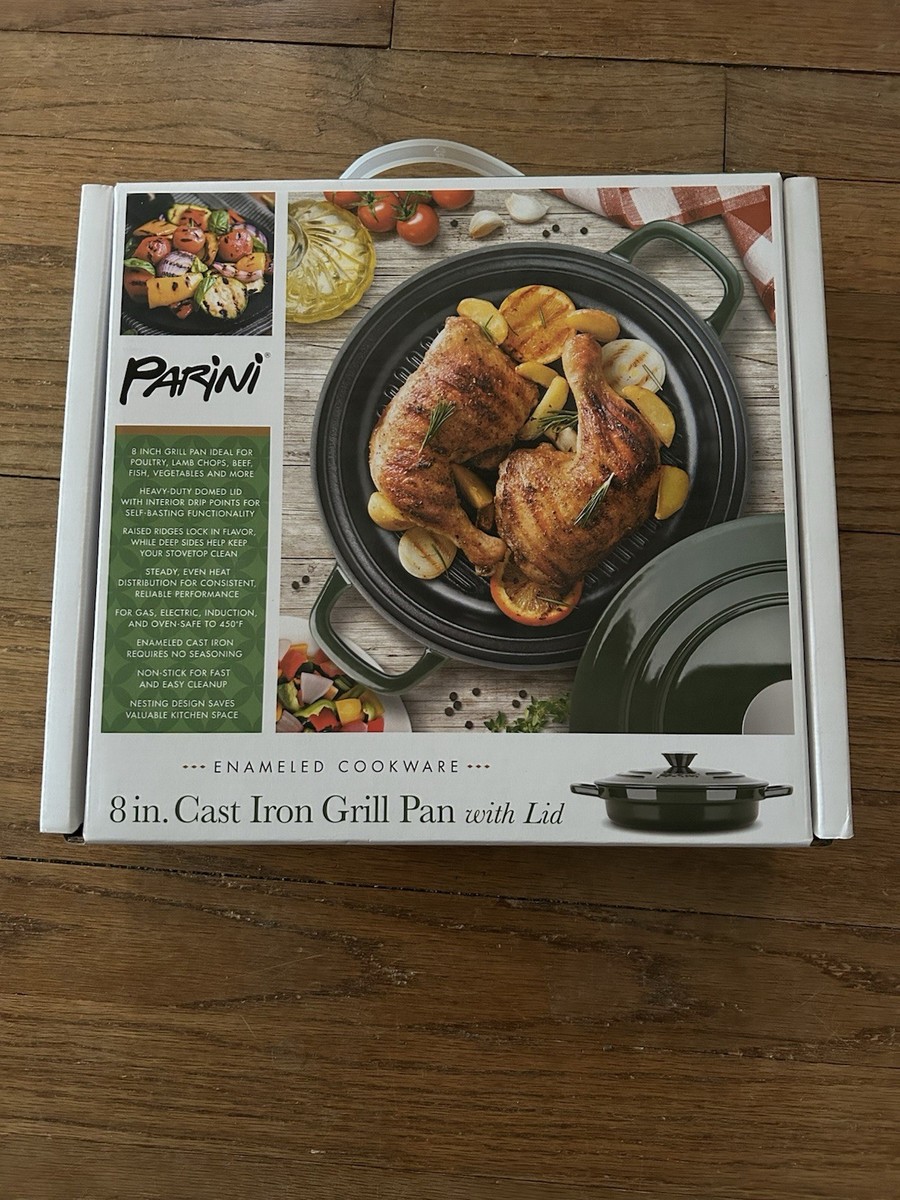
- Heavy-bottomed pans spread heat and reduce hot spots.
- Cast iron and stainless steel with an aluminum core work well.
- Lids trap heat and speed stable simmering.
- Flame diffusers even out gas heat under thin pans.
- Instant-read thermometers and oven probes tell you exact temps.
- Induction cooktops offer precise power control for steady heat.
Use cookware that fits the burner. Too-small pans on big burners cause uneven heat. These small choices make it far easier to maintain steady heat while cooking.

Step-by-step techniques to maintain steady heat
Follow a simple routine. Small habits add up to steady results.
- Preheat properly
- Warm the pan slowly for 2 to 5 minutes. A cold pan on high heat causes hot spots.
- Match pan and burner size
- Center the pan on the burner. Use a burner close to the pan size for even contact.
- Start with medium, then adjust
- Begin at medium heat. Raise or lower power in small steps rather than large jumps.
- Use lids and steam
- Cover to trap heat for stews, rice, and braises. Remove the lid to reduce heat slowly.
- Use residual heat
- Turn off a few minutes early for carryover cooking on roasts or steaks.
- Stir and rotate
- Move food often in thin pans. Turn cast iron to even sear marks.
- Monitor with a thermometer
- Check pan and food temperature so you can hold heat steady.
Practice these steps. They will show you how to maintain steady heat while cooking without constant worry.
Common problems and quick fixes
Problems happen. Here are fast fixes to keep heat steady and save a meal.
- Pan has hot spots
- Switch to a heavy pan. Lower the heat and stir more often.
- Flames flare up on gas
- Lower the burner. Use a lid or remove excess fat from the pan.
- Food cooks too fast on the edges
- Move pan to a smaller flame. Use a heat diffuser if needed.
- Sauce boils too hard
- Reduce to a simmer and cover partially to steady it.
- Oven temp swings
- Use an oven thermometer. Preheat longer and avoid opening the door repeatedly.
These fixes help you recover quickly and teach you how to maintain steady heat while cooking for future dishes.

Tips for different cooking methods
Different methods need different approaches. Here are concise tips for common techniques.
- Sautéing
- Preheat the pan. Use oil with a high smoke point. Keep food moving.
- Simmering
- Bring to a gentle boil then lower to small bubbles. Use a lid for steady heat.
- Frying
- Keep oil at target temp with a thermometer. Adjust heat in small steps.
- Baking
- Preheat thoroughly. Use a baking stone or sheet to stabilize the oven’s heat.
- Grilling
- Preheat grill grates. Use zones for direct and indirect heat to control cooking.
- Slow cooking and braising
- Use low, steady heat for long times. Thick pans and covered pots are best.
Apply these tips to see how to maintain steady heat while cooking for any recipe.
Personal experience and lessons learned
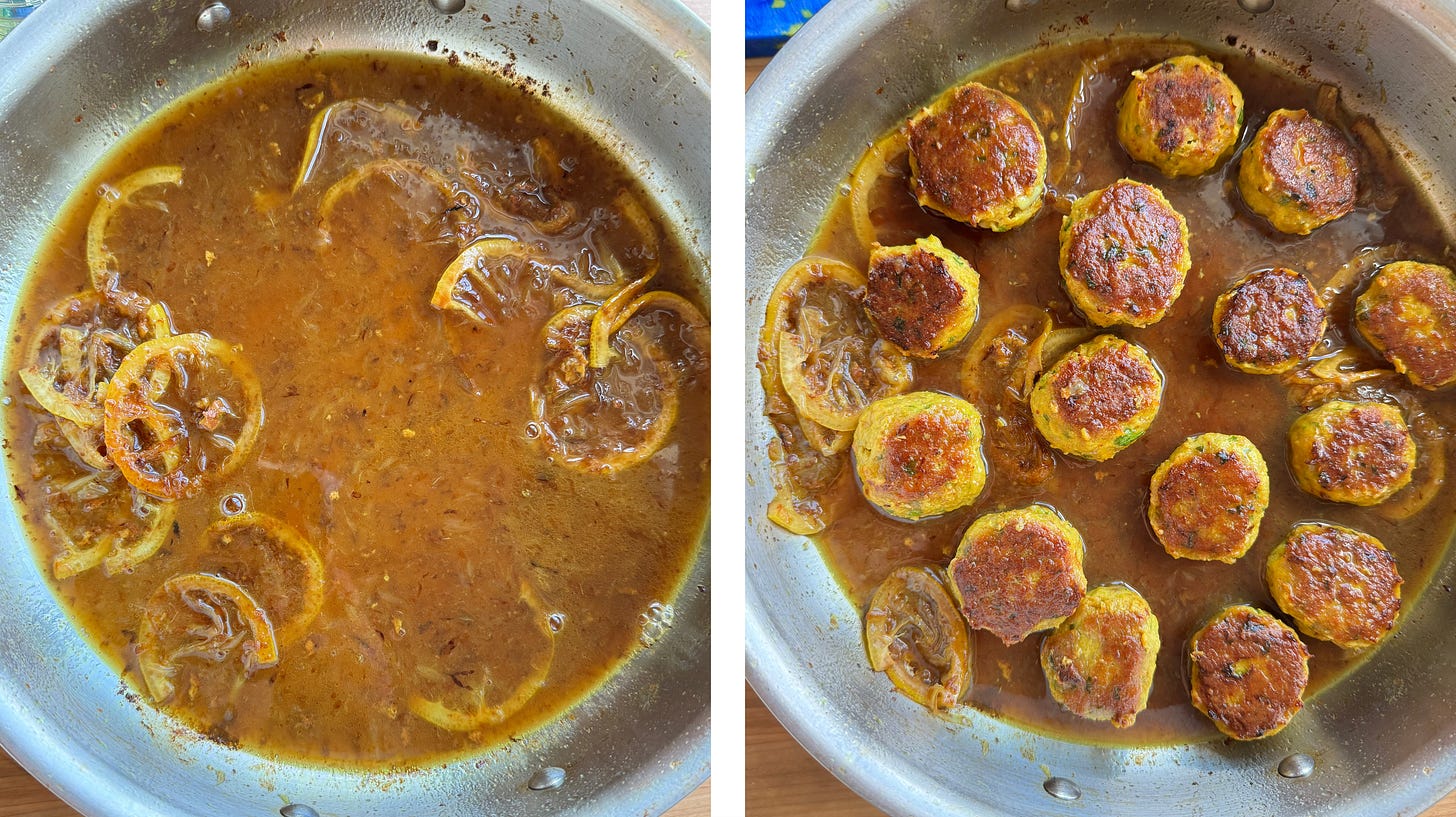
I once ruined a pan of sauce by turning the heat up too fast. The bottom scorched while the top stayed liquid. That taught me to trust low steady heat for reduction.
In a restaurant, I learned to use lids and heavy pans to hold a line cook’s pace. Small adjustments to flame and quick use of a thermometer kept dishes consistent during service.
My best tip is to slow down. Make one change at a time. This helps you learn how to maintain steady heat while cooking and improves your intuition.
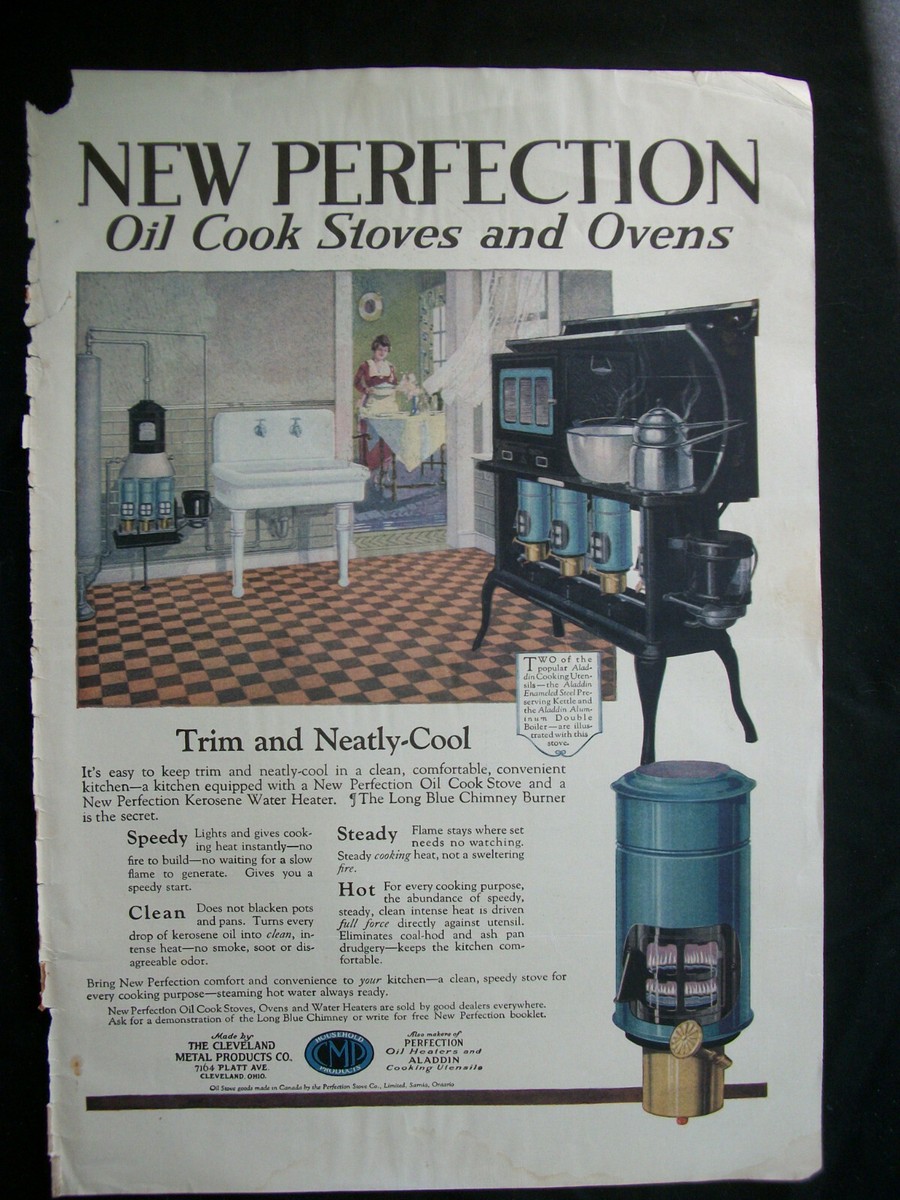
Frequently Asked Questions of how to maintain steady heat while cooking
How long should I preheat a pan?
Preheat most pans for 2 to 5 minutes over medium heat. Cast iron may need 5 to 10 minutes to warm through.
How do I know if my pan is too hot?
A drop of water should sizzle and dance lightly. If water evaporates instantly or smokes, the pan is too hot.
Is induction better for steady heat?
Yes. Induction heats the pan directly and responds fast, making it easier to maintain steady heat while cooking.
Can lids help maintain steady heat?
Yes. Lids trap heat and moisture. They help keep simmering and braising at a steady temperature.
What is the best pan material for even heat?
Heavy pans like cast iron or stainless with an aluminum core offer even heat and fewer hot spots.
Should I use a diffuser on gas stoves?
A diffuser helps when using thin pans on a strong flame. It evens the heat and helps maintain steady heat while cooking.
How often should I check the food temperature?
Check often when learning, and less often as you gain skill. Use a thermometer for precise control.
What if my sauce keeps boiling over?
Lower the heat to a gentle simmer and partially cover the pot. Stirring more often also helps control the boil.
Is it okay to turn off heat early for carryover cooking?
Yes. For thick cuts or large roasts, turning off early uses residual heat to finish cooking without overcooking.
Does pan size affect steady heat?
Yes. A pan that matches the burner spreads heat better and helps maintain steady heat while cooking.
Conclusion
Steady heat is a simple skill that makes your cooking better and less stressful. Use the right pan, preheat, adjust in small steps, and rely on lids and thermometers. Practice these habits and you will quickly learn how to maintain steady heat while cooking for any meal.
Try one tip tonight. Observe the change. Share your results or ask a question below to keep improving.
