

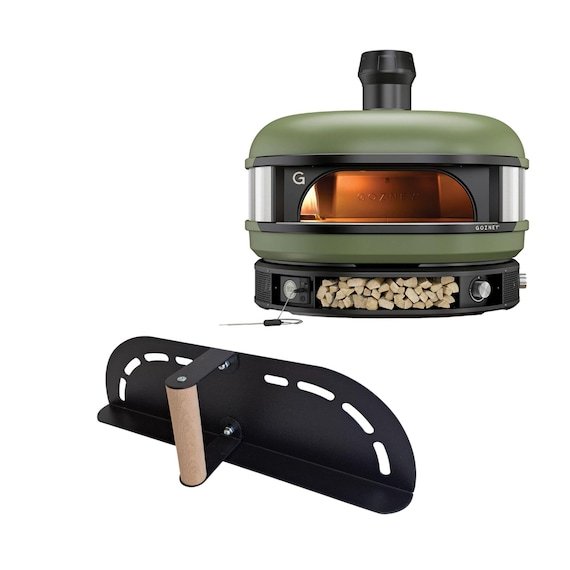
Better heat control yields consistent texture, deeper flavor, and safer, more efficient cooking.
I’ve spent years cooking at home and in small kitchens. I know how heat control improves cooking and why it matters. This guide explains the science, tools, and simple steps to use heat control to make food taste better and cook more predictably. Read on for clear tips, real examples, and easy fixes you can try tonight.

Why heat control matters
Good heat control lets you steer a dish. It decides crust, doneness, and moisture. With steady heat, flavors develop in a planned way. Poor heat control causes burned edges, raw centers, and wasted ingredients.

The science behind heat control
Heat changes food at the molecular level. Proteins tighten, starches gelatinize, and sugars brown through the Maillard reaction. These changes happen at specific temperatures. Control the heat and you control when and how these reactions occur. Good heat control keeps juices, creates browning, and avoids drying out.

How heat control improves cooking results
- Texture: Proper heat control gives tender inside and crisp outside. It stops meat from becoming chewy or fish from falling apart.
- Flavor: Controlled heat lets browning and caramelization happen slowly. That builds deeper, more complex taste.
- Color: Heat control prevents burning and uneven color. Even heat yields an appealing crust and golden roast.
- Nutrition: Gentle heat keeps vitamins and oils intact. Fast, extreme heat can break down nutrients.
- Safety: Proper heat control reaches safe cooking temperatures. It reduces undercooked centers and harmful bacteria.
- Efficiency: Knowing when to raise or lower heat speeds up cooking without wastage. It saves energy and reduces dishes ruined by overcooking.

Tools that help you control heat
- Stove and burner choice: Use the right burner size for the pan. Match flame or induction ring to pan base for steady heat.
- Cookware: Thick-bottom pans and heavy pots hold heat evenly. Thin pans cause hot spots and require constant adjustment.
- Thermometers: Use an instant-read thermometer for meat and a probe for roasts. Thermometers remove guesswork.
- Oven thermometer and calibration: Many ovens run hot or cold. Calibrate and place a thermometer in the center for true readings.
- Heat diffusers and lids: A diffuser evens out flame from gas stoves. Lids trap heat and reduce the need to raise temperature.
Heat control techniques for common methods
- Searing: Heat the pan well, then lower heat slightly as you cook. This avoids burning while keeping a good crust.
- Sautéing: Keep medium-high heat and watch oil shimmer. Toss or stir so food cooks evenly.
- Roasting: Start hot to brown, then reduce to finish inside. This two-step heat control gives color and tenderness.
- Grilling: Move food between hot and cooler zones. Use direct heat for sear and indirect for finish.
- Baking: Preheat fully and avoid opening the oven door too often. Temperature swings disrupt rise and texture.
- Simmering: Bring to a boil, then reduce to a gentle simmer. Low, steady heat keeps sauces clear and tender.
Common heat control mistakes and how to fix them
- Mistake: Using too high heat for thick cuts. Fix: Start hot for crust, then lower to finish slowly.
- Mistake: Crowding the pan and losing heat. Fix: Cook in batches or use a larger pan.
- Mistake: Relying on stove numbers only. Fix: Learn how your stove corresponds to low, medium, and high and use visual cues.
- Mistake: Not preheating cookware. Fix: Preheat pan and oil before adding food for consistent sear.
- Mistake: Ignoring resting time. Fix: Let meat rest after cooking so juices redistribute and heat evens out.
Personal experience: small changes that made big differences
I learned early that heat control beats fancy recipes. Once, I burned a carrot cake by not lowering oven heat after a hot initial bake. I now check oven temps and lower heat for long bakes. I also learned to match pan size to burner, which fixed my unevenly browned steaks. Simple heat control steps cut my wasted meals and gave consistent results.
Recommended gear to improve heat control
- Heavy skillet, cast iron or stainless steel with thick base.
- Instant-read thermometer for quick checks.
- Oven thermometer for calibration.
- Silicone spatula and tongs to move food quickly.
- Heat diffuser for weak or uneven gas burners.
Calibrating and maintaining heat-control tools
- Check oven every few months with an oven thermometer. Adjust settings if off by 10+ degrees.
- Clean burners and pans to ensure even flames and contact. Carbon buildup causes hot spots.
- Test a new pan by heating and sprinkling water. If water beads and dances, heat response is good.
- Replace warped pans that wobble on the stove. A flat surface keeps consistent contact.
Practical weeknight plan to practice heat control
- Pick a simple protein like chicken breast or salmon.
- Preheat pan and use a thermometer. Sear on medium-high, then lower to medium to finish.
- Rest protein for 5 minutes before slicing.
- Note what worked and adjust burner settings next time.
- Repeat with a roast using start-hot, finish-low technique.
Frequently Asked Questions of how heat control improves cooking
What does heat control mean in cooking?
Heat control means adjusting temperature and flame to guide how food cooks. It involves knowing when to raise, lower, or hold heat to get the result you want.
How does heat control affect flavor?
Heat control affects browning, caramelization, and Maillard reactions that make food taste richer. Slow, controlled heat often brings out deeper flavor without burning.
Is a thermometer necessary for heat control?
A thermometer removes guesswork and helps reach safe internal temperatures. It is especially useful for meat, candy, and baking.
Can I manage heat control on a cheap stove?
Yes. Learn how your stove runs, use the right pan size, and rely on visual cues like oil shimmer. Small adjustments make a big difference.
How do I avoid hot spots in a pan?
Use heavy, flat-bottomed pans and preheat them. Move food around and avoid overcrowding to reduce uneven cooking.
How long should I rest meat after cooking?
Rest meat 5 to 15 minutes depending on size. Rest lets heat redistribute and prevents juices from spilling out when cut.
Conclusion
Mastering heat control improves texture, flavor, safety, and consistency. Start with simple tools: a good pan, a thermometer, and learning your stove’s behavior. Try one technique tonight, like lowering heat after a sear, and note the improvement. Practice small steps, and you will cook smarter, waste less, and enjoy better meals. Share your results below, subscribe for more tips, or try a new recipe with better heat control this week.
