

Most home rice mistakes are wrong water ratios, wrong heat, and poor rinsing.
I’ve cooked rice for years in busy kitchens and at home, and I know the common traps that ruin a pot. This guide explains mistakes while cooking rice at home, why they happen, and clear fixes you can use tonight.

Common mistakes while cooking rice at home
Many people make the same basic errors. These mistakes while cooking rice at home include wrong water amounts, skipping rinsing, and using the wrong pot or heat. Each mistake sounds small, but it changes texture, taste, and how the grains separate.
What follows are clear examples from my kitchen experience and tested solutions you can repeat. I used simple steps so anyone can get fluffy rice every time.
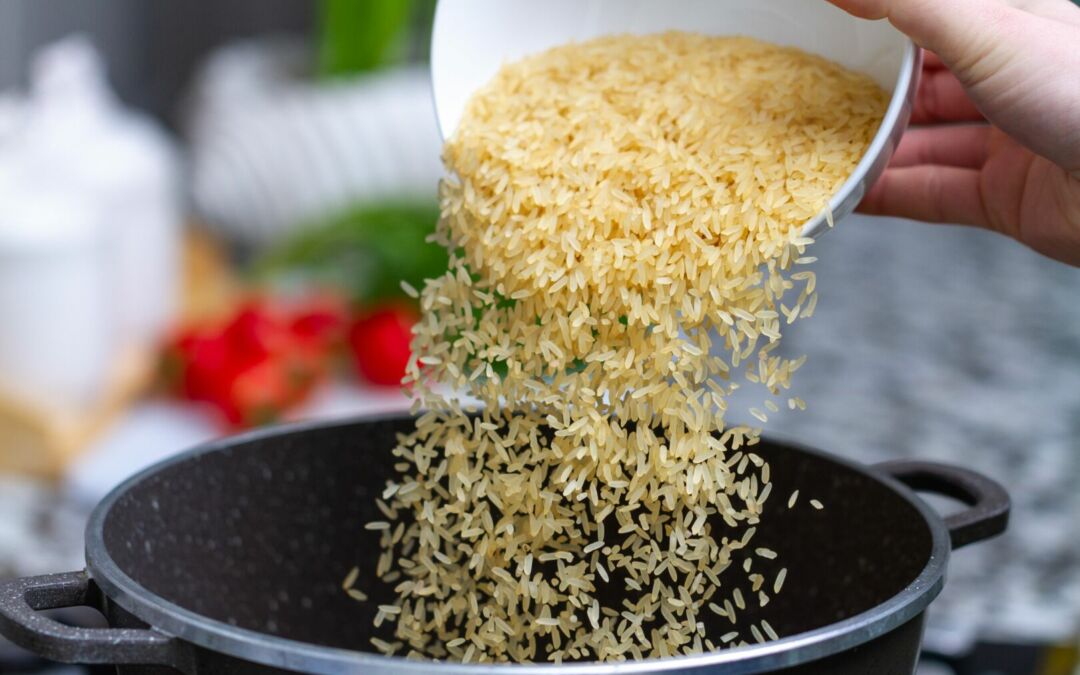
Why these mistakes while cooking rice at home happen
Most mistakes while cooking rice at home come from assumptions and habit. People assume all rice cooks the same. They also rush and do not measure water or rice.
Another reason is tools. A too-large or thin-bottom pot causes uneven heat. The recipe on the bag can be vague. That leads to inconsistent results.

How to avoid common mistakes while cooking rice at home
Fixing mistakes while cooking rice at home is easy if you follow a few rules. Measure rice and water. Rinse the rice. Use steady low heat once it boils.
Practical steps I use:
- Measure rice with a cup and use the right water ratio for the rice type.
- Rinse rice under cold water until water runs clear.
- Bring to a boil, then reduce to a low simmer and cover tightly.
- Rest rice off heat for 10 minutes before fluffing.
:max_bytes(150000):strip_icc()/perfect-white-rice-in-a-rice-cooker-horiz-1022_0-2000-d640ff93d30d478db87daa0a9f46db97.jpg)
Water ratios and rice types — stop mixing them up
Different rice types need different ratios. Ignoring that is one of the biggest mistakes while cooking rice at home. Here are common ratios I rely on:
- Long-grain white rice: 1 cup rice to 1.5 cups water.
- Jasmine rice: 1 cup rice to 1.25–1.5 cups water.
- Basmati rice: 1 cup rice to 1.5 cups water after rinsing and soaking.
- Short-grain/sushi rice: 1 cup rice to 1.1–1.25 cups water.
- Brown rice: 1 cup rice to 2–2.25 cups water.
If you change rice brands or age of rice, adjust by 10–15% water. Measuring and testing once will teach you the exact feel for your stove and pot.
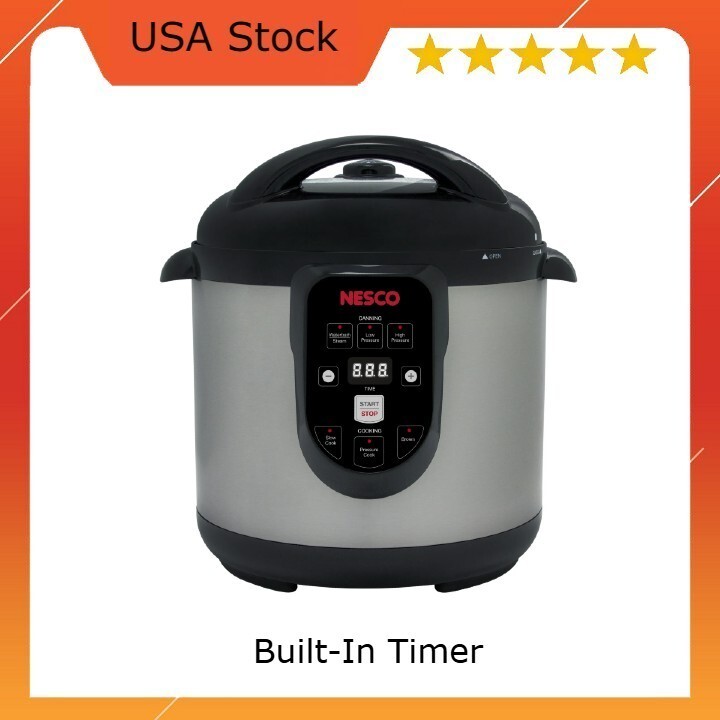
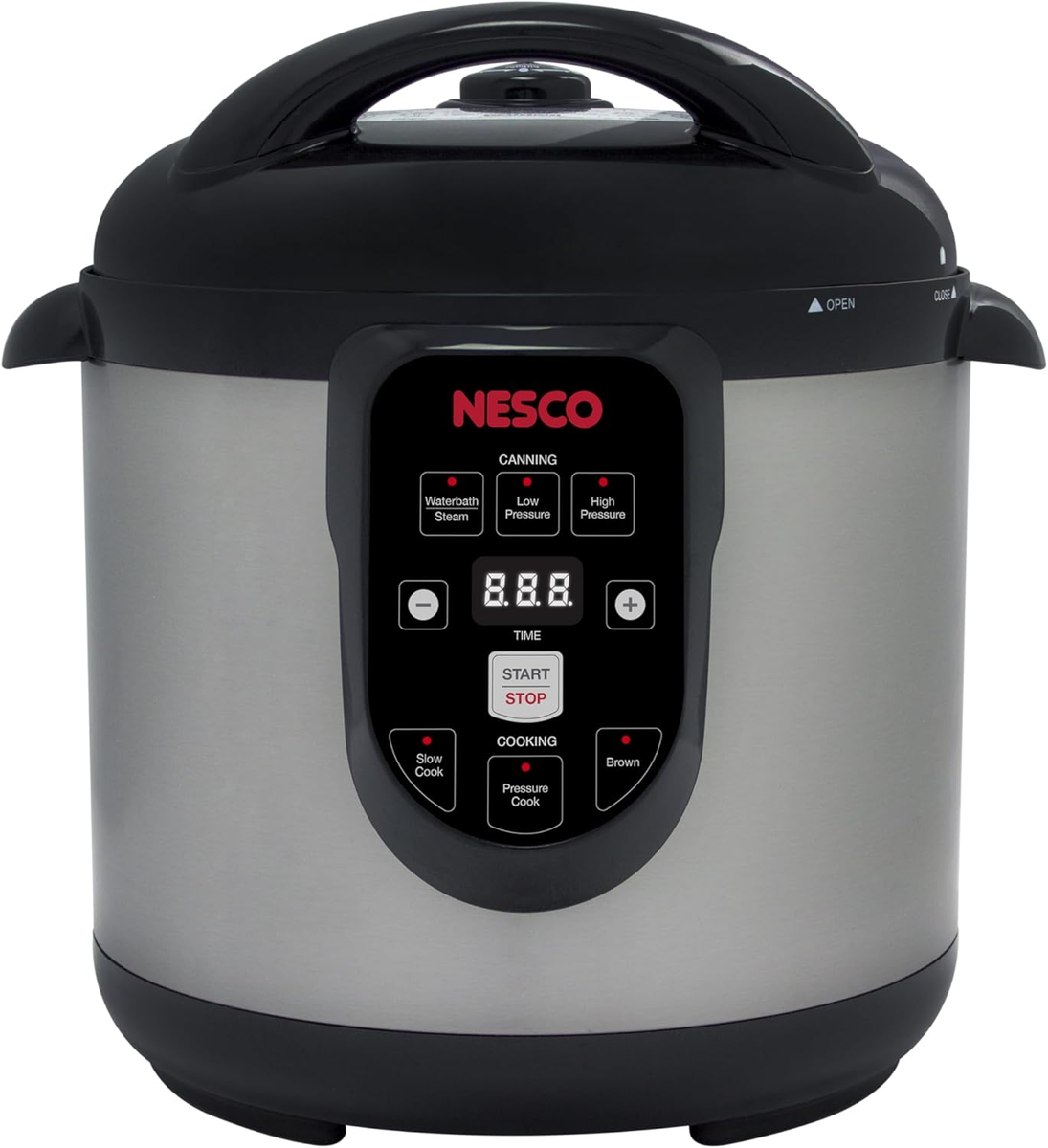
Tools and techniques I use to avoid mistakes while cooking rice at home
Good tools make cooking rice simple. A heavy-bottom pot or a modern rice cooker cuts down errors. I use these tools at home:
- Heavy-bottom pot with tight lid to keep steam in.
- Fine-mesh sieve for rinsing rice thoroughly.
- Rice cooker with a keep-warm feature for hands-off cooking.
- Kitchen timer to track simmer and rest times.
Technique tips from my experience:
- Use gentle, low simmer to avoid burning.
- Do not lift the lid while rice cooks; steam loss causes uneven cooking.
- Let rice rest after cooking. Resting completes steam cooking and firms the grain.
Troubleshooting: fix soggy, hard, or burnt rice
If you face problems, here are quick fixes for mistakes while cooking rice at home.
Soggy or mushy rice:
- Cause: too much water or stirring during cooking.
- Fix: Drain excess water if possible, then spread rice on a tray to dry slightly. Next time reduce water by about 10–20%.
Dry or hard rice:
- Cause: too little water or heat too low.
- Fix: Add 2–4 tablespoons hot water, cover, and steam for 5–10 minutes. For future batches, increase water slightly.
Burnt rice:
- Cause: heat too high or pot too thin.
- Fix: Turn off heat, transfer unburnt rice to another pot, avoid scraping burnt bits. Clean pot, use lower heat, and try a heavy-bottom pot next time.
Sticky clumps:
- Cause: not rinsing or using too much water.
- Fix: Rinse with hot water if possible, then gently fluff with a fork. For next time, rinse rice and reduce water.
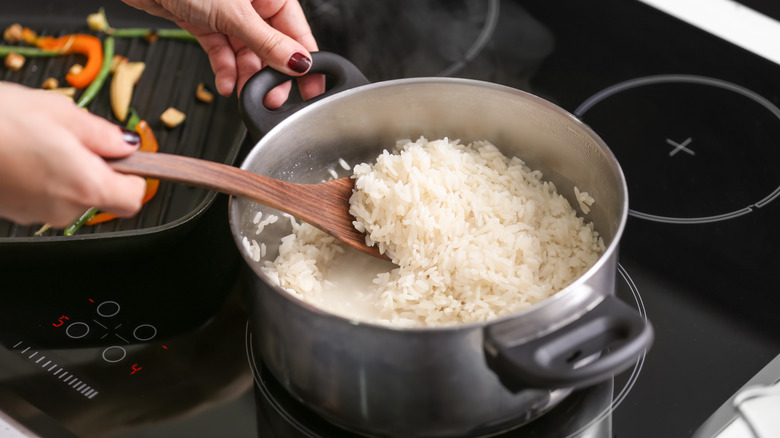
Personal mistakes I made and lessons learned
I used to rinse jasmine rice only once. The rice was gummy. After I rinsed until water ran clear, the texture improved.
Once I cooked rice on high to save time and burned the bottom. I switched to a lower simmer and used a heavy pot. That cut burning and gave even grains.
These small changes fixed the mistakes while cooking rice at home in my kitchen. They will likely help you too.
Healthy and flavor tips while cooking rice at home
You can turn plain rice into a healthy side with a few smart moves. These tips avoid flavor mistakes while cooking rice at home.
- Cook rice in broth instead of water for more flavor.
- Add a pinch of salt or a splash of oil to reduce sticking.
- Stir in herbs or citrus zest after resting to keep aroma fresh.
- For fiber, mix in quinoa or barley with white rice at a 1:1 ratio.
Small additions make rice taste intentional, not accidental.
Frequently Asked Questions of mistakes while cooking rice at home
Why does my rice become gummy every time?
Gummy rice often means the grains were not rinsed and too much water was used. Rinse until water runs clear and reduce water slightly.
Can I fix overcooked rice?
Yes. Spread overcooked rice on a tray to cool and dry slightly. For risotto-like texture, use it in a new dish like fried rice.
Is rinsing rice necessary for every type?
Rinsing is helpful for most white and short-grain rice to remove surface starch. Some packaged rice is pre-washed, but rinsing rarely hurts.
How long should I let rice rest after cooking?
Let rice rest covered for 10 minutes. Resting firms grains and evens out moisture for better texture.
Does rice cooker remove the common mistakes while cooking rice at home?
A rice cooker helps by holding temperature and timing, but you still need correct rice-to-water ratios and rinsing for best results.
Conclusion
Avoiding common mistakes while cooking rice at home comes down to measuring, rinsing, using the right pot, and steady heat. Small changes in technique create big gains in texture and flavor. Try one tip this week—measure properly or rinse until water is clear—and notice the difference.
If this guide helped, try a new rice type and share your results in the comments. Subscribe or bookmark this page for more easy kitchen tips and recipes.
