

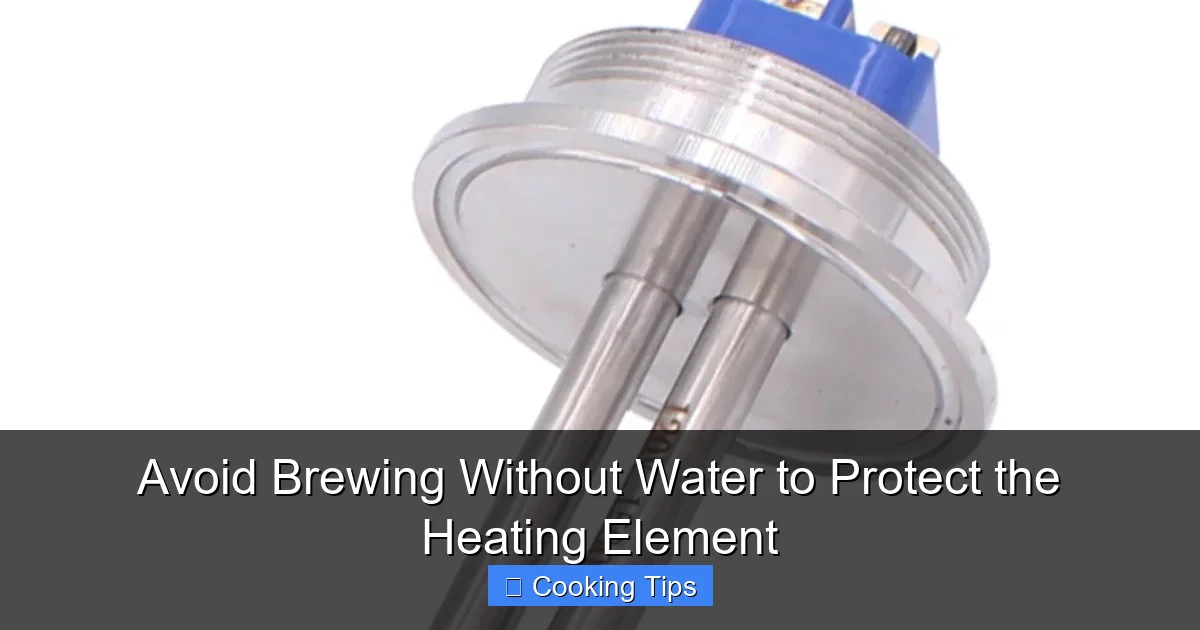
Brewing without water is a recipe for disaster, particularly for your appliance’s heating element. This guide provides essential knowledge to prevent costly damage. Learn to recognize the signs of an empty reservoir and implement simple habits to ensure your brewing equipment lasts. Protect your investment and enjoy perfectly brewed beverages every time.
Avoid Brewing Without Water to Protect the Heating Element
Welcome to our comprehensive guide on a crucial aspect of brewing: ensuring you always have water in your appliance before you hit that start button. It might sound like common sense, but in the hustle and bustle of daily life, it’s surprisingly easy to make this mistake. Brewing without water can lead to significant damage to your appliance, especially its vital heating element. This guide will walk you through why this is so important, how to prevent it from happening, and what to do if you find yourself in this unfortunate situation. By the end of this article, you’ll be equipped with the knowledge to protect your brewing equipment and ensure many happy cups of your favorite beverage.
Key Takeaways
- Always Verify Water Level: Before starting any brew cycle, double-check that your appliance’s water reservoir is adequately filled.
- Understand Heating Element Function: Water acts as a crucial medium to transfer heat and prevent the heating element from overheating and burning out.
- Recognize Warning Signs: Be aware of unusual noises, smells, or error messages that might indicate an issue related to insufficient water.
- Develop Pre-Brewing Routines: Incorporate a quick water check into your regular brewing preparation to make it an automatic step.
- Immediate Action for Empty Brews: If you accidentally start a brew without water, turn off the appliance immediately to minimize damage.
- Consult Your Manual: Refer to your appliance’s user manual for specific instructions regarding water levels and maintenance.
- Regular Cleaning and Maintenance: Keeping your brewing equipment clean can help identify potential issues early and ensure proper function.
The Critical Role of Water in Brewing
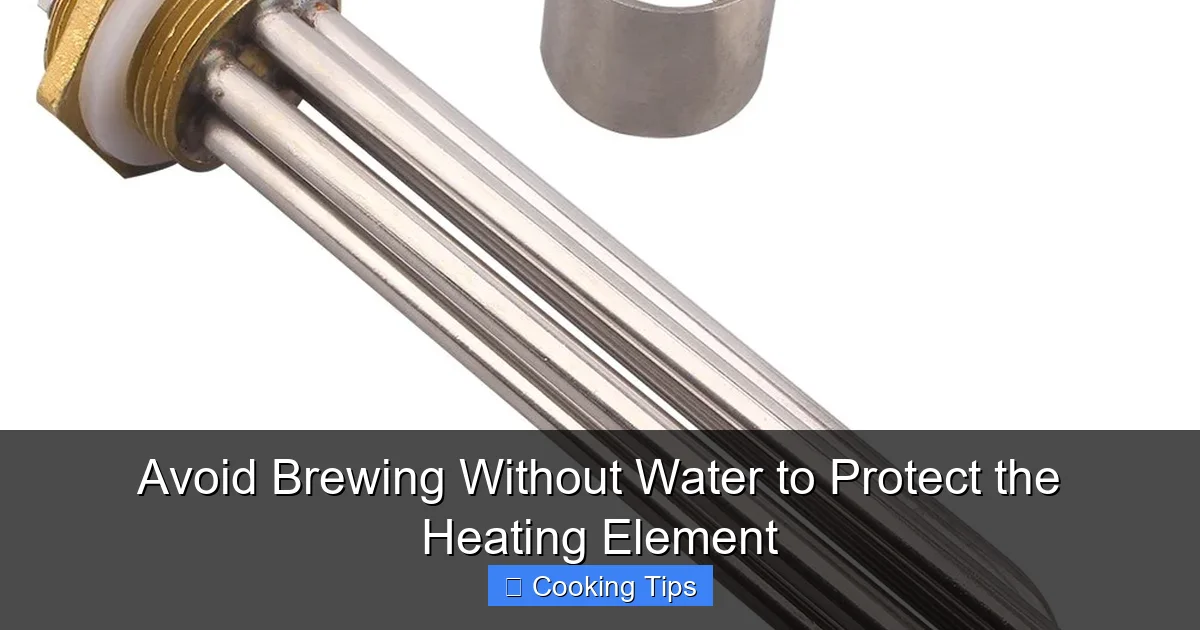
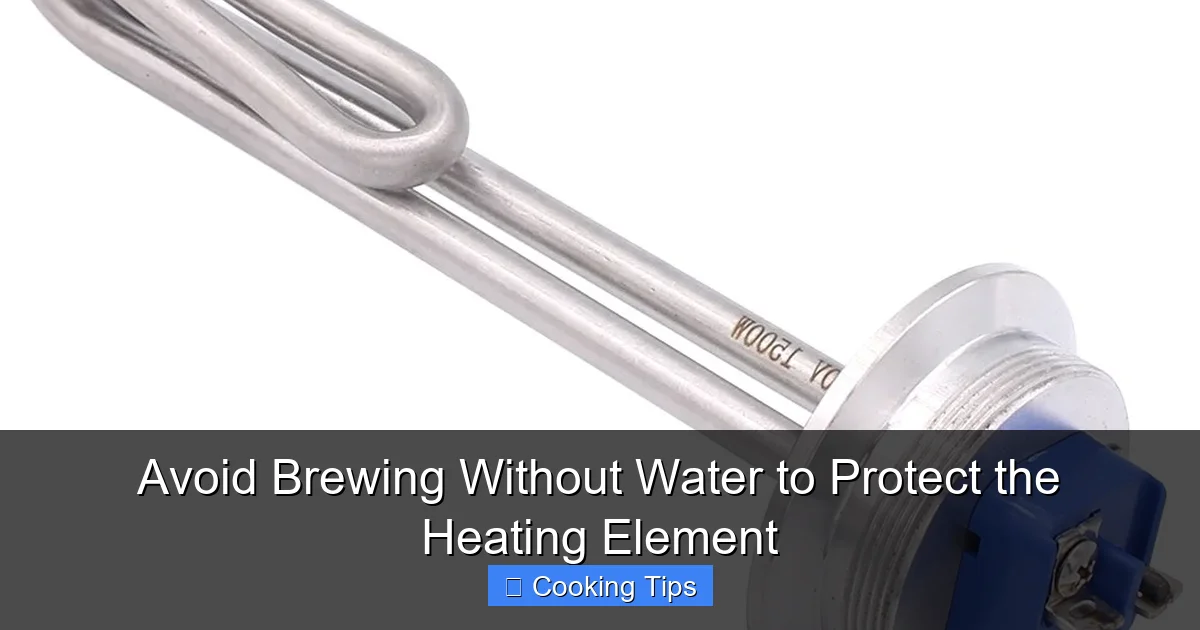
At its core, brewing involves heating water to a specific temperature to extract flavors and aromas from your chosen ingredients, whether it’s coffee beans, tea leaves, or other elements. The heating element is the powerhouse of your brewing appliance, responsible for generating the necessary heat. However, its design and function are intrinsically linked to the presence of water.
How Heating Elements Work
Most brewing appliances utilize an electric resistance heating element. When electricity flows through a resistive material (like nichrome wire), it encounters opposition, generating heat. This heat is then transferred to the surrounding water, which in turn is used for the brewing process.
Water as a Heat Conductor and Coolant
Think of water as the intermediary. It absorbs the heat generated by the element and disperses it evenly throughout the brewing chamber. Crucially, water also acts as a coolant. It prevents the heating element from reaching excessively high temperatures that could cause it to degrade, warp, or even melt. Without water, the heating element would be exposed to its own generated heat without any medium to absorb or dissipate it, leading to rapid overheating.
Why Brewing Without Water is So Damaging
The consequences of brewing without water are severe and often irreversible. The primary victim is the heating element, but the damage can extend to other components of your appliance.
Overheating and Thermal Shock
When the heating element operates without water, it rapidly reaches temperatures far beyond its intended operational range. This extreme heat can cause the resistive material to expand and contract violently, leading to cracks and breaks. This phenomenon is known as thermal shock. The protective coatings on the element can also burn off, exposing the bare metal to further damage.
Burning and Melting
The intense heat can actually cause the heating element to burn and even melt. This is a permanent failure. Once a heating element is burnt out, it cannot be repaired; the entire appliance or at least the heating component will need to be replaced.
Damage to Surrounding Components
The excessive heat generated can also damage the plastic or metal housing surrounding the heating element, leading to warping, discoloration, or even melting of these parts. This can compromise the structural integrity and safety of your appliance.
Reduced Appliance Lifespan
Even if the damage isn’t immediately catastrophic, repeated instances of brewing with insufficient water can put immense strain on the heating element and other components. This will significantly shorten the overall lifespan of your brewing appliance, leading to premature failure and costly replacements.
Preventing the “Dry Brew” Mistake
The good news is that preventing this costly error is straightforward. It primarily involves establishing good habits and paying attention to simple checks before you begin your brewing process.
H2: Always Check the Water Reservoir
This is the most fundamental and effective step. Make it a non-negotiable part of your brewing routine.
H3: Visual Inspection
Before you add your coffee grounds, tea leaves, or other ingredients, take a quick look at the water reservoir. Is it visibly filled to the appropriate level for your desired brew size? Many reservoirs have clear markings indicating minimum and maximum fill lines.
Visual guide about Avoid Brewing Without Water to Protect the Heating Element
Image source: images.nexusapp.co
Visual guide about Avoid Brewing Without Water to Protect the Heating Element
Image source: images.nexusapp.co
H3: Feel the Weight
If your reservoir isn’t transparent, get a feel for the weight. A full or adequately filled reservoir will have a noticeable weight compared to an empty one. This habit can be established quickly and becomes second nature.
H3: Use a Measuring Cup
For absolute certainty, especially with appliances that have less obvious reservoir designs, use a measuring cup to fill the water to the desired level. This ensures you’re adding the correct amount of water for your brew and confirms the reservoir is indeed holding water.
H2: Develop Pre-Brewing Rituals
Integrating a water check into your existing morning or brewing routine can make it an automatic process.
H3: The “Ingredients First, Then Water” Rule
Some people find it helpful to have a rule: always add your brewing ingredients (coffee grounds, tea bag, etc.) *after* you’ve confirmed the water level. This forces you to look at the reservoir as a natural step in the process.
H3: The “Power On Last” Approach
Another effective method is to get all your ingredients and water ready, but only plug in or turn on the appliance *after* everything is in place and the water level is confirmed. This pause before powering on can be a good moment for a final check.
H2: Understand Your Appliance’s Indicators
Many modern brewing appliances come with built-in indicators or features to help you.
H3: Water Level Lights
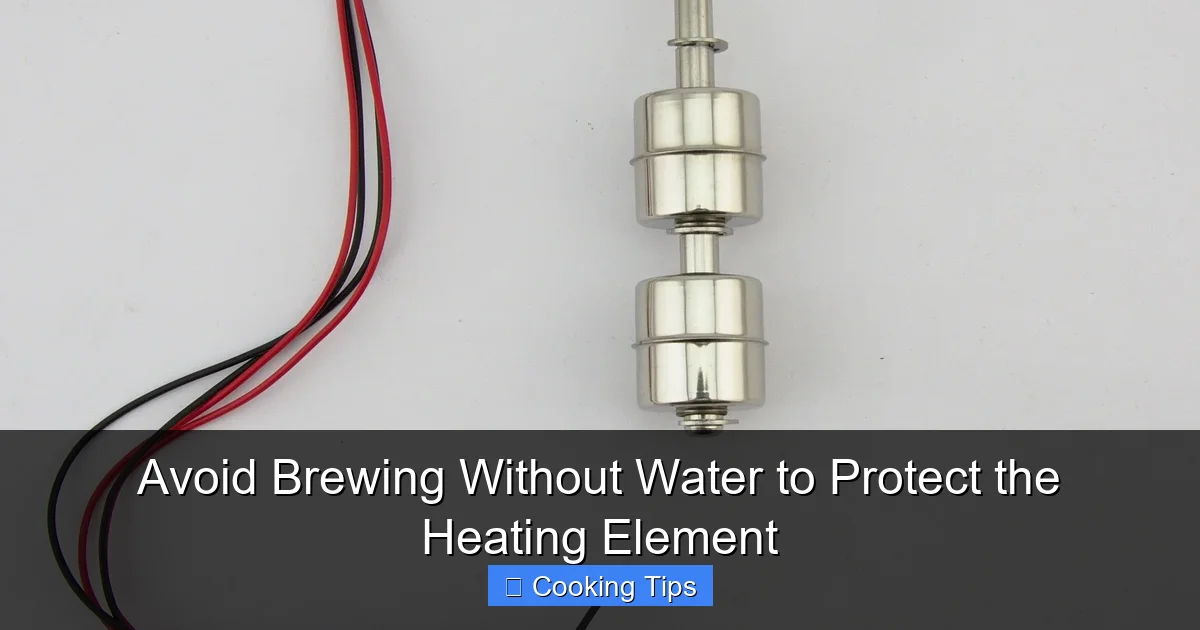
Some high-end coffee makers or other brewing devices have specific indicator lights that show the water level or alert you when it’s low.
H3: Error Codes or Messages
If you accidentally start a brew with an empty reservoir, your appliance might display an error code or a message on a digital screen. Familiarize yourself with these potential alerts.
H2: Read Your Appliance’s Manual
The user manual is your best friend when it comes to understanding your specific appliance.
H3: Specific Water Level Requirements
Your manual will detail the exact minimum and maximum water levels required for safe and optimal operation. Some machines have very specific needs.
H3: Troubleshooting Tips
The manual often includes a troubleshooting section that might address issues related to insufficient water or heating element problems.
What to Do If You Accidentally Brew Without Water
Visual guide about Avoid Brewing Without Water to Protect the Heating Element
Image source: store.brewpi.com
Mistakes happen. If you realize you’ve started brewing with an empty reservoir, acting quickly is key to minimizing potential damage.
H2: Immediately Turn Off the Appliance
As soon as you realize your mistake, hit the power button. Don’t let it run for even another minute. The longer it runs dry, the more heat the element is subjected to, and the greater the risk of permanent damage.
H2: Allow the Appliance to Cool Down
After turning it off, give the appliance a significant amount of time to cool down completely. The heating element will be extremely hot. Trying to add water or inspect components while it’s still hot is dangerous and can exacerbate any thermal shock damage.
H2: Inspect for Visible Damage
Once cooled, carefully inspect the appliance, particularly around the heating element area (if accessible and safe to do so). Look for any signs of discoloration, warping, melting plastic, or unusual residue.
H2: Test Cautiously
If there are no obvious signs of damage, you might be able to cautiously try brewing again. Fill the reservoir with fresh water and start a brew cycle. Listen for any unusual noises (like sizzling or popping) or smell any strange odors. If anything seems off, it’s best to stop immediately and consider professional repair or replacement.
Troubleshooting Common Issues Related to Heating Elements
Sometimes, you might encounter problems that *seem* related to the heating element, even if you’re sure you’ve been adding water.
H2: Slow Brewing or Inconsistent Temperatures
* Possible Cause: Mineral buildup (limescale) on the heating element. This acts as an insulator, preventing efficient heat transfer to the water.
* Solution: Descale your appliance regularly according to the manufacturer’s instructions. This typically involves using a vinegar solution or a commercial descaling product.
H2: Appliance Not Heating at All
* Possible Cause: A completely burnt-out heating element due to a past dry brew or simply age.
* Solution: If the element is definitively burnt out and there are no other electrical issues, replacement of the heating element or the entire appliance will be necessary.
H2: Strange Smells or Noises During Brewing
* Possible Cause: Could be residual debris burning off the element, or a sign of early damage from insufficient water.
* Solution: Ensure the appliance is clean. If the smell or noise persists, it might indicate a more serious issue with the heating element, and you should cease use.
Conclusion
Protecting your brewing appliance’s heating element is paramount to its longevity and your enjoyment of delicious, perfectly brewed beverages. The simple act of always ensuring there is water in the reservoir before starting a brew is the most effective preventative measure you can take. By understanding the critical role water plays, developing mindful habits, and knowing what to do if a mistake occurs, you can avoid costly repairs and ensure your brewing equipment serves you well for years to come. So, before you press that button, always remember: no water, no brew!
