

Using broken or cracked jars can lead to serious safety hazards and compromise your food. This guide highlights the risks involved and provides clear steps to identify and safely dispose of compromised jars. Always prioritize safety by checking your jars regularly and understanding the potential dangers of using damaged containers.
Avoid Using Broken or Cracked Jars
Welcome to our guide on a simple yet critical kitchen safety practice: avoiding the use of broken or cracked jars. In the hustle and bustle of cooking and food preparation, it’s easy to overlook small imperfections in our kitchenware. However, a seemingly minor crack in a glass jar can be a recipe for disaster. This guide will walk you through why it’s so important to be vigilant, how to identify damaged jars, and what to do when you find them. By the end of this article, you’ll have a clear understanding of the risks associated with using compromised jars and the steps to ensure your kitchen remains a safe haven for delicious creations.
Key Takeaways
- Structural Integrity Compromised: A crack or chip weakens the jar, making it prone to breaking completely, especially under pressure or temperature changes.
- Food Safety Risks: Broken edges can harbor bacteria, and tiny glass fragments can contaminate food, posing a significant health risk.
- Injury Hazards: Handling cracked jars increases the risk of cuts and serious injuries from sharp glass shards.
- Seal Compromised: Cracks can affect the jar’s ability to seal properly, leading to spoilage and loss of freshness for preserved foods.
- Safe Disposal is Essential: Learn the correct way to dispose of broken glass to prevent harm to sanitation workers and others.
- Regular Inspection is Key: Make it a habit to check all your jars before use, especially those used for canning or long-term storage.
Why It’s Crucial to Avoid Broken or Cracked Jars
Glass jars are a staple in many kitchens, used for everything from storing pantry staples to preserving homemade jams and pickles. Their transparency and reusability make them incredibly convenient. However, glass, while strong, can also be brittle. When a jar sustains a crack or chip, its structural integrity is significantly compromised. This seemingly small flaw can have major consequences, impacting both the safety of your food and your personal well-being.
The Threat to Food Safety
One of the primary reasons to avoid broken or cracked jars is the significant threat they pose to food safety. When a jar is compromised, it creates an environment where bacteria can thrive and glass fragments can find their way into your food.
Harborage for Bacteria
Cracks and chips, no matter how small, create tiny crevices. These nooks and crannies are ideal hiding places for bacteria, mold, and other microorganisms. Even thorough washing may not be enough to dislodge these contaminants completely. If you store food in a cracked jar, these microbes can multiply, leading to spoilage and potentially causing foodborne illnesses. This is especially concerning for foods that are not further cooked after being placed in the jar, like homemade pickles or jams.
Risk of Glass Contamination
The most frightening risk is the potential for glass shards to break off and mix with your food. While you might be able to spot larger pieces, microscopic fragments can be invisible to the naked eye. Consuming even tiny pieces of glass can cause internal lacerations, a serious medical emergency. This risk is amplified when jars are subjected to temperature fluctuations, pressure changes, or impact, all common occurrences in a busy kitchen.
The Danger of Physical Injury
Beyond the food safety concerns, broken or cracked jars are a direct hazard to your physical safety. Handling these items requires extreme caution.
Cuts and Lacerations
The edges of cracks and chips in glass are sharp. When you reach into a cupboard, grasp a jar, or try to open it, these sharp edges can easily cut your hands or fingers. These cuts can range from minor nicks to deep lacerations that require medical attention. The slippery nature of glass, especially if there’s any moisture present, further increases the likelihood of accidents.
Catastrophic Failure
A crack can weaken the entire structure of the jar. Imagine filling a cracked jar with hot soup or attempting to seal a jar of preserves. The pressure or temperature change could cause the entire jar to shatter, sending glass fragments flying and potentially causing severe injuries to anyone nearby. This is a particular concern for pressure canning, where significant pressure is involved. Understanding how to avoid common cooking errors to prevent such mishaps is key.
Compromised Seal and Preservation
For jars used in canning or for storing food long-term, a proper seal is paramount. A crack, even one not directly affecting the rim, can compromise the jar’s ability to create and maintain an airtight seal.
Inability to Seal Properly
If the crack is near the rim or lid area, it can prevent the lid from seating correctly. This allows air to enter, which is the enemy of safe preservation. An incomplete seal means your preserved foods are exposed to the air, leading to spoilage and a significantly reduced shelf life.
Loss of Vacuum Seal
Even if a jar appears to seal initially, a crack elsewhere in the glass can eventually lead to the loss of the vacuum seal. This gradual ingress of air can go unnoticed until the food has already begun to spoil. This is why it’s essential to have jars in perfect condition for canning. For similar safety considerations, it’s important to learn about [Mistakes Using Gas Stove For Cooking], as improper handling can also lead to dangerous situations.
How to Identify Broken or Cracked Jars
Visual guide about Avoid Using Broken or Cracked Jars
Image source: imgcdn.stablediffusionweb.com
Becoming adept at spotting damaged jars is a crucial skill. Regular inspection is your first line of defense.
Visual Inspection
This is the most straightforward method. Before using a jar for storage or cooking, take a moment to look at it carefully.
Check the Entire Surface
Rotate the jar slowly, examining its entire surface. Look for any lines that don’t belong – these are cracks. Pay close attention to the shoulder of the jar, the base, and the sides.
Inspect the Rim and Neck
The rim and neck are particularly critical areas. A chipped or cracked rim can prevent a proper seal. Run your fingers lightly (and carefully!) along the rim to feel for any imperfections. Be extremely cautious when doing this.
Examine the Base
The base of the jar is often the first point of contact with surfaces, making it prone to chips and cracks from impacts. Ensure the base is flat and free from damage.
Tactile Inspection (Use Caution!)
While visual inspection is primary, a gentle tactile check can sometimes reveal issues you might have missed.
Feel for Sharp Edges
With clean, dry hands, very carefully run your fingers along the exterior of the jar. Focus on areas where you suspect damage might be, or along the rim. You are feeling for any roughness, jaggedness, or edges that feel out of place. If you feel anything sharp, the jar is compromised.
Listen for Sounds (Less Reliable)
Sometimes, a very faint hairline crack might produce a slightly different sound when tapped gently. However, this is not a reliable method and should not be your primary means of detection. Focus on visual and tactile checks.
Consider the Jar’s History
The history of the jar can also be an indicator.
Reusable Jars from Canning
Jars used for home canning are typically designed for reuse. However, repeated heating and cooling cycles, as well as the stress of the canning process, can eventually lead to micro-cracks. If a jar has been used many times, inspect it more thoroughly.
Jars Purchased Secondhand
Jars bought from thrift stores or flea markets might have unseen damage from previous use or storage. Always inspect these items with extra care.
Jars That Have Been Dropped
Even if a jar doesn’t appear to have broken after being dropped, it might have sustained internal damage that will only manifest later. If you know a jar has been dropped, it’s best to err on the side of caution and not use it.
What to Do When You Find a Broken or Cracked Jar
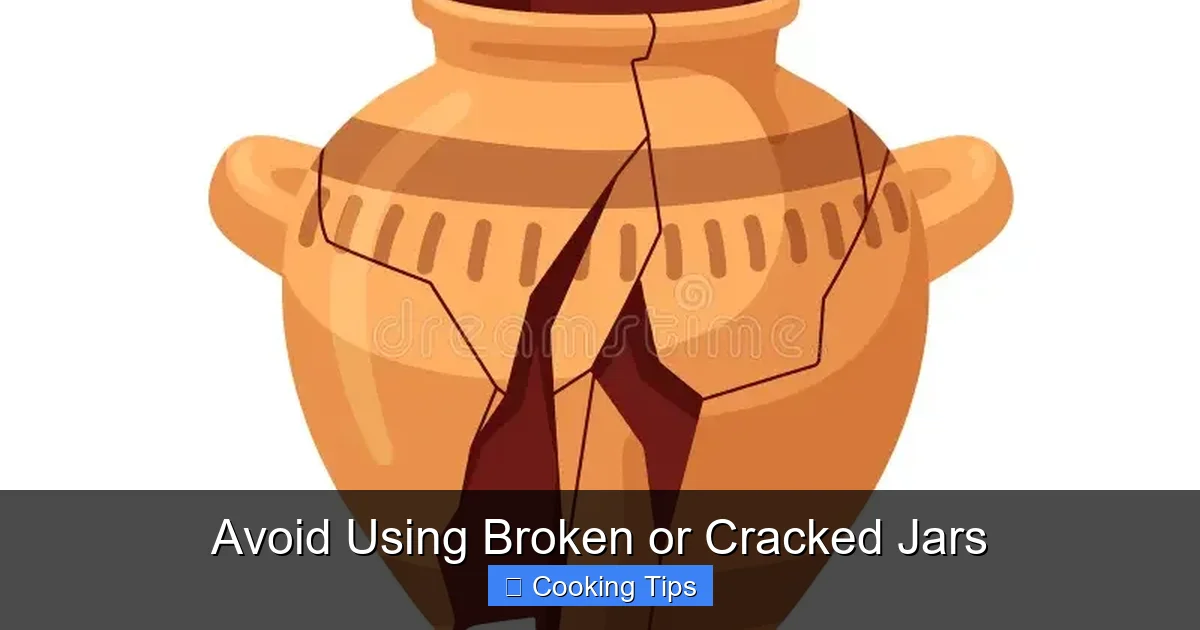
Visual guide about Avoid Using Broken or Cracked Jars
Image source: thumbs.dreamstime.com
Discovering a damaged jar requires a careful and responsible response to prevent accidents and ensure proper disposal.
Immediate Segregation
As soon as you identify a broken or cracked jar, remove it from your main storage area.
Separate from Other Jars
Place the damaged jar in a separate location, away from your regular collection of usable jars. This prevents accidental use and minimizes the risk of it coming into contact with other jars, potentially causing them to break.
Clear the Area
If the jar has shattered or spilled, carefully clear the immediate area of any loose glass fragments. Use a damp paper towel or a soft brush and dustpan to collect the pieces.
Safe Disposal of Broken Glass
Disposing of broken glass requires attention to prevent injury to yourself and sanitation workers.
Securely Wrap the Glass
Do not simply throw broken glass into the trash.
- Contain Loose Pieces: Place all glass fragments into a sturdy cardboard box or a thick plastic container.
- Wrap Sharp Edges: If there are large shards, wrap them in several layers of newspaper or bubble wrap. This helps to contain sharp edges.
- Seal the Container: Securely tape the box or container shut.
Label the Container
Clearly label the container with words like “BROKEN GLASS” or “SHARP GLASS.” This alerts sanitation workers to the hazard inside, allowing them to handle it with appropriate care.
Proper Trash Disposal
Place the labeled container in your regular household trash bin. In some municipalities, there might be specific instructions for disposing of broken glass, so it’s worth checking local guidelines if you are unsure. Never place broken glass in recycling bins unless specifically instructed to do so, as it can contaminate the recycling stream and pose a safety risk to workers.
When to Repair (and When Not To)
Generally, for food storage and preservation, **never attempt to repair a broken or cracked glass jar.** The structural integrity cannot be reliably restored, and the risks far outweigh any perceived benefit.
Why Repairing is Not Recommended
- Adhesives are often not food-safe and can leach chemicals into your food.
- Repaired areas are weak points and are likely to break again, potentially more catastrophically.
- The seal required for preservation is unlikely to be achieved or maintained on a repaired jar.
Exceptions (Non-Food Use)
In rare instances, a very minor chip on a jar not used for food or pressure might be overlooked for decorative purposes. However, for any application involving food, storage, or temperature changes, a damaged jar should always be discarded. If you are interested in creative reuse, ensure it’s for items that do not involve food safety.
Tips for Preventing Jar Damage
Visual guide about Avoid Using Broken or Cracked Jars
Image source: traffickedtotriumph.com
Preventing damage to your jars can extend their lifespan and ensure you always have safe containers on hand.
Proper Storage
How you store your jars plays a significant role in their longevity.
Avoid Overcrowding
Don’t pack your cupboards too tightly. Jars bumping against each other can cause chips and cracks. Ensure there’s a little breathing room. For advice on organizing your kitchen, consider resources on [how to avoid overcrowding pan], as similar principles apply to preventing collisions.
Store on Soft Surfaces (Where Possible)
If you have pantry shelves that are prone to impact, consider using shelf liners made of rubber or silicone. This can provide a slight cushion.
Stacking Wisely
If you stack jars, do so carefully. Use jars of similar size and shape. Avoid stacking too high, as a falling stack can lead to breakage.
Careful Handling
Gentle handling is key to preserving your jars.
Avoid Dropping
This seems obvious, but it’s worth reiterating. Be mindful when taking jars out of cupboards or moving them around.
Use Appropriate Tools
When removing jars from tight spaces, use your hands to gently grip and slide them out rather than prying or forcing them.
Mindful Washing and Drying
The process of cleaning can also pose risks.
Temperature Shock
Avoid extreme temperature changes when washing glass jars. Don’t plunge a hot jar into cold water, or vice versa. This sudden temperature shift can cause glass to crack. This is a similar principle to [avoid using the blender with wet hands to prevent shock], where water temperature can also be a factor.
Gentle Scrubbing
Use soft sponges or cloths rather than abrasive scrubbers, especially on older jars. While glass is generally robust, aggressive scrubbing can create micro-scratches that weaken the surface over time.
Canning and Preservation Precautions
If you’re a canner, jar integrity is non-negotiable.
Use Quality Canning Jars
Always use jars specifically designed for canning (like Mason jars). These are manufactured to withstand the stresses of the canning process.
Inspect Every Jar
Before each canning session, inspect every single jar you plan to use. Don’t assume that because it was fine last year, it’s still perfect.
Follow Canning Guidelines
Adhere strictly to recommended canning procedures, including proper headspace and processing times. These guidelines are designed for safety and to minimize stress on the jars. When working with equipment like pressure cookers, it’s vital to be aware of potential dangers, such as those detailed in [mistakes while using pressure cooker].
Conclusion
In the world of cooking and food preservation, attention to detail is paramount. The humble glass jar, a symbol of freshness and homemade goodness, can become a significant hazard if damaged. By understanding the risks of using broken or cracked jars – from compromising food safety and risking injury to losing precious preserved goods – you can make informed decisions in your kitchen. Regular visual and tactile inspections, careful handling, proper storage, and safe disposal of damaged items are simple yet powerful practices. Prioritizing the integrity of your jars isn’t just about preventing accidents; it’s about ensuring the health and safety of yourself, your family, and anyone who enjoys your culinary creations. Make it a habit to check your jars, and always choose safety over convenience when it comes to your kitchenware.
