

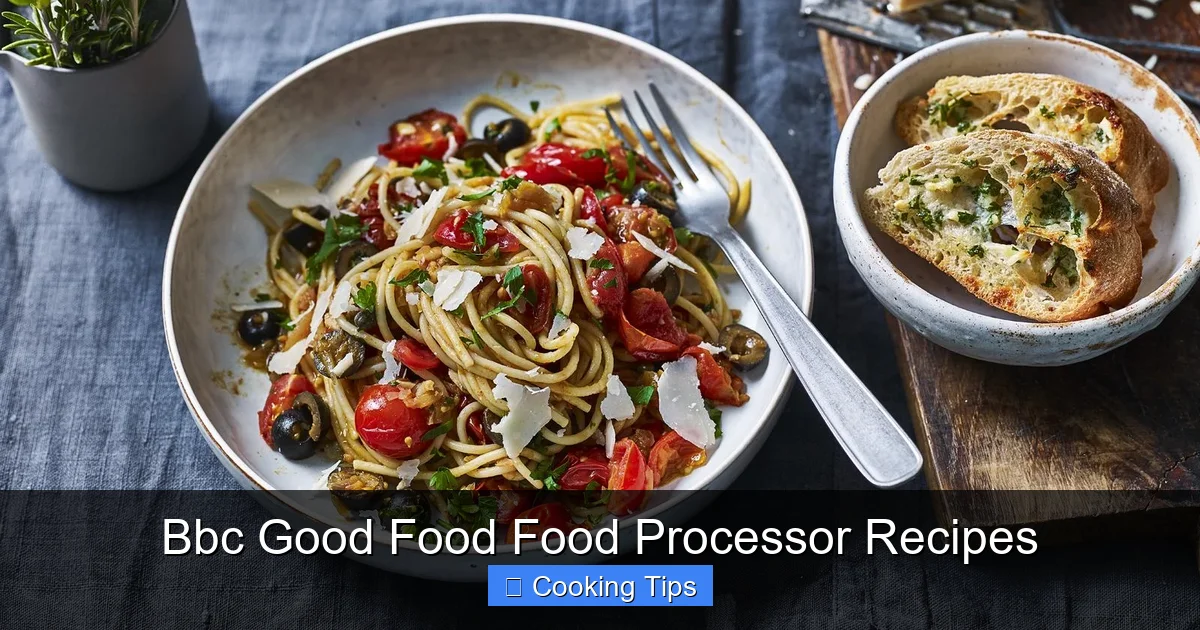
Unlock the full potential of your food processor with this comprehensive guide to BBC Good Food recipes. Learn to create everything from effortless dips and sauces to perfectly chopped vegetables and delightful desserts. This guide provides step-by-step instructions, practical tips, and troubleshooting advice to make every culinary creation a success. Get ready to save time and impress with your kitchen skills!
Bbc Good Food Food Processor Recipes
Are you looking to make your time in the kitchen more efficient and enjoyable? Your food processor is a powerhouse appliance that can transform mundane tasks into quick and easy wins. The BBC Good Food website is a fantastic resource for recipes that are specifically designed to make the most of this versatile gadget. This guide will walk you through everything you need to know to confidently tackle BBC Good Food food processor recipes, from basic prep to more complex culinary creations.
We’ll explore how to use your food processor for a variety of tasks, saving you precious time and effort. Get ready to impress yourself and your loved ones with delicious dips, perfectly chopped vegetables, homemade pestos, smooth sauces, and even some delightful desserts. With a little guidance, your food processor will become your new best friend in the kitchen.
Key Takeaways
- Effortless Preparation: A food processor dramatically speeds up chopping, slicing, and pureeing tasks, making meal prep a breeze.
- Versatile Tool: BBC Good Food offers a wide range of recipes, showcasing the food processor’s ability to handle everything from dips and sauces to doughs and batters.
- Achieve Perfect Textures: Learn how to pulse for chunky textures, process for smooth purees, and achieve consistent results every time.
- Time-Saving Techniques: Discover how to batch prep ingredients like onions and herbs, significantly reducing cooking time.
- Essential Attachments Explained: Understand the function of various blades and discs (slicing, shredding, dough blade) to maximize your food processor’s capabilities.
- Troubleshooting Common Issues: This guide covers solutions for common food processor problems, ensuring a smooth cooking experience.
Understanding Your Food Processor’s Capabilities
Before diving into specific recipes, it’s essential to understand what your food processor can do. It’s more than just a chopper! BBC Good Food recipes often leverage its ability to:
- Chop and Mince: Onions, garlic, herbs, nuts, and even cooked meats.
- Slice and Shred: Vegetables like carrots, cucumbers, potatoes, and cheese.
- Puree: Fruits, vegetables, cooked beans, and nuts for smooth textures.
- Make Doughs and Batters: For bread, cakes, and pastry.
- Emulsify: Create smooth mayonnaise and dressings.
Essential Food Processor Attachments and Their Uses
Most food processors come with a few key attachments. Knowing what they do will unlock a world of possibilities:
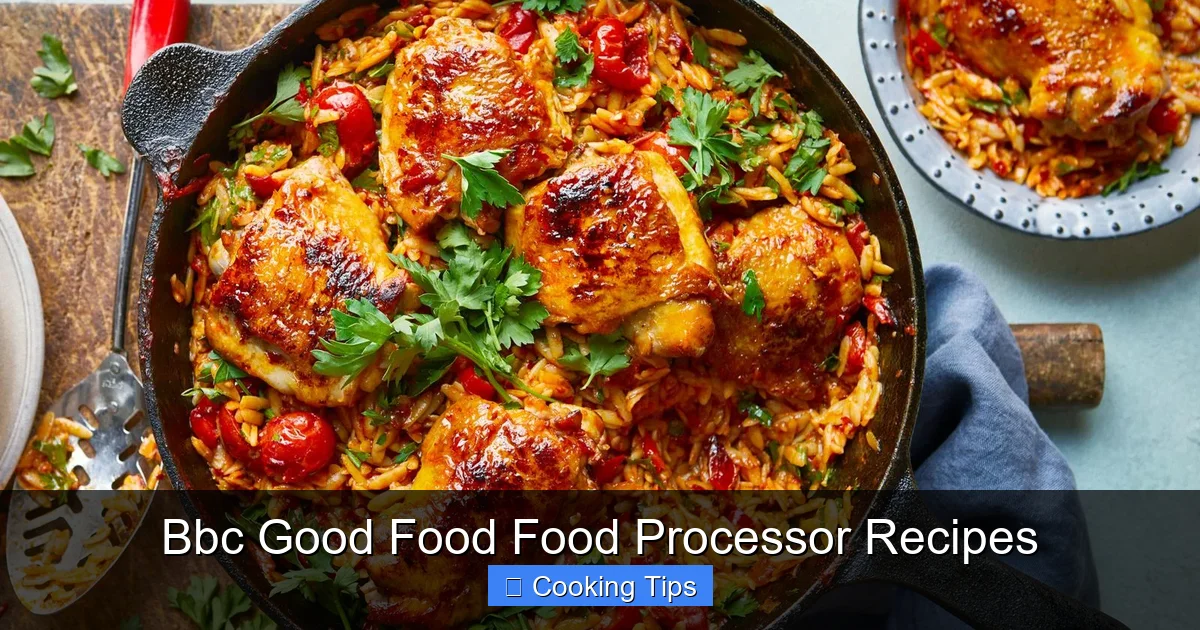
Visual guide about Bbc Good Food Food Processor Recipes
Image source: ichef.bbci.co.uk
The S-Blade (Chopping Blade)
This is your go-to blade for most chopping, mincing, and pureeing tasks. It’s curved and sharp, designed to circulate ingredients effectively. Use the ‘pulse’ function for controlled chopping, especially for ingredients like onions or nuts, to avoid turning them into a paste. For a smoother puree, let the processor run continuously.
The Slicing Disc
This disc has a sharp blade that creates uniform slices of fruits and vegetables. It’s perfect for preparing salads, gratins, and stir-fries. Ensure ingredients are cut to a size that fits comfortably into the feed tube. Some processors come with reversible discs for different slicing thicknesses.
The Shredding Disc
Similar to the slicing disc, this one has teeth that shred ingredients into fine or coarse strands. It’s ideal for shredding cheese, carrots for coleslaw, or potatoes for hash browns. Again, ensure ingredients fit the feed tube and are pushed down evenly with the food pusher.
The Dough Blade (Often Plastic)
Some food processors include a plastic blade designed for mixing doughs and batters. It’s less aggressive than the S-blade and is perfect for making pastry, pizza dough, and cake batters. This attachment can save a lot of manual kneading time.
Getting Started with BBC Good Food Food Processor Recipes
BBC Good Food offers a vast array of recipes that highlight the food processor. Here’s a general approach to using them effectively:
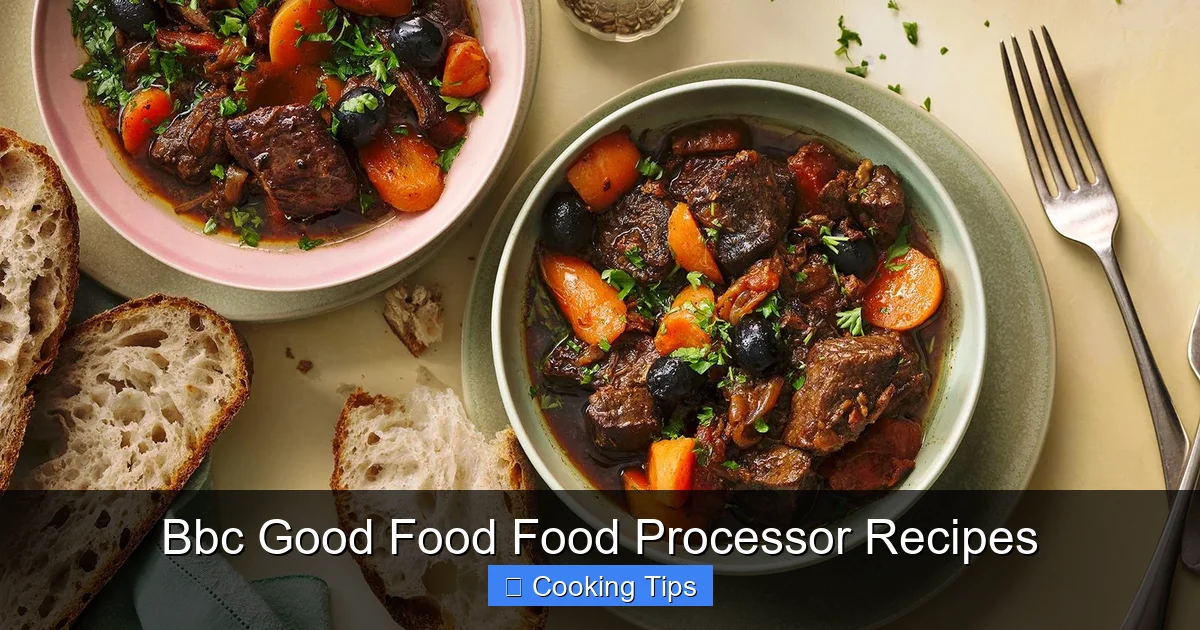
Visual guide about Bbc Good Food Food Processor Recipes
Image source: ichef.bbci.co.uk
Step 1: Read the Recipe Thoroughly
Before you even get your food processor out, read the BBC Good Food recipe from start to finish. Pay close attention to:
Visual guide about Bbc Good Food Food Processor Recipes
Image source: nutriciously.com
- The specific attachment required: Does it call for the S-blade, slicing disc, or shredding disc?
- Ingredient preparation: Does anything need to be pre-cut to fit the feed tube?
- Processing time/method: Does it say to ‘pulse’ or ‘process until smooth’?
Step 2: Prepare Your Ingredients
This is where the food processor shines. Proper preparation ensures your processor works efficiently and safely.
Pre-cutting for the Feed Tube
For slicing and shredding discs, you’ll often need to cut ingredients into pieces that fit the feed tube. For example, a whole onion might need to be quartered. For the S-blade, larger chunks are usually fine, as the blade will break them down.
Washing and Drying
Always wash and thoroughly dry your produce before processing, especially if you’re making something like pesto where excess water can dilute the flavour. For shredding and slicing, drier ingredients tend to yield better results.
Step 3: Assembling and Using Your Food Processor
Safety and correct assembly are paramount.
Secure the Bowl and Lid
Ensure the food processor bowl is firmly locked onto the base. The lid should also be securely in place. Most processors have a safety lock that prevents them from operating unless the bowl and lid are correctly assembled.
Insert the Correct Attachment
Place the required blade or disc onto the spindle. The S-blade usually just drops into place. Discs typically sit on top of the spindle and may have a locking mechanism.
Add Your Ingredients
Add your prepared ingredients to the bowl. For slicing and shredding, place them into the feed tube. Use the food pusher to guide them down evenly. Don’t overfill the bowl, as this can lead to uneven processing.
Process as Directed
Now, it’s time to engage the food processor. Follow the recipe’s instructions carefully:
- Pulsing: This is a series of short bursts of power. It’s ideal for creating a coarser texture, like chopped nuts or roughly chopped onions.
- Continuous Processing: This runs the motor without stopping until you turn it off. Use this for smooth purees, sauces, and batters.
Listen to the sound of the processor. If it sounds strained, you might be overfilling it, or the ingredients might be too tough. Turn it off and check.
Step 4: Cleaning Your Food Processor
Clean-up is usually quick and easy, making this appliance even more appealing. Most food processor bowls, lids, and blades are dishwasher safe. Always check your manufacturer’s instructions. It’s best to rinse components immediately after use to prevent food from drying on.
Popular BBC Good Food Food Processor Recipe Categories
BBC Good Food features a wealth of recipes where the food processor is the star. Here are some common categories you’ll find:
Dips and Spreads
This is perhaps the easiest and most rewarding use of a food processor. Think:
- Hummus: Chickpeas, tahini, lemon juice, garlic – blended to silky smoothness.
- Pesto: Fresh basil, pine nuts, garlic, Parmesan, and olive oil – a quick blitz creates vibrant flavour.
- Salsa: Tomatoes, onions, peppers, and jalapeños – pulsed for a chunky texture.
- Tapenade: Olives, capers, garlic, and olive oil – a salty, intense spread.
Tip: For the smoothest hummus, soak your chickpeas beforehand, and don’t be afraid to add a little extra liquid (like water or olive oil) if needed to achieve your desired consistency.
Sauces and Dressings
Achieve perfectly smooth, emulsified sauces and dressings in seconds:
- Mayonnaise: Egg yolk, oil, lemon juice, and mustard – the food processor creates stable emulsion.
- Vinaigrettes: Whisking oil and vinegar is fine, but a food processor can incorporate herbs and garlic seamlessly.
- Creamy Soups: After cooking, blend roasted vegetables directly in the food processor (if large enough) or in batches for a velvety texture.
Tip: When making mayonnaise, slowly drizzle in the oil while the processor is running. This gradual addition is key to a stable emulsion.
Chopped Vegetables and Herbs
Save yourself hours of chopping:
- Onions and Garlic: Pulse until finely chopped for soffrittos or mirepoix.
- Herbs: Chop fresh herbs like parsley, coriander, or mint for garnishes or flavour bases.
- Salad Preparations: Use the slicing and shredding discs for prepped carrots, cucumbers, and cabbage for coleslaw or salads.
Tip: To prevent onions from making you cry excessively, chill them in the freezer for 15-20 minutes before chopping. This dulls the volatile compounds.
Doughs and Pastry
The dough blade is a game-changer for pastry and bread makers:
- Shortcrust Pastry: Combine flour, butter, and cold water for a perfect pastry base.
- Pizza Dough: Mix flour, yeast, salt, and water for a quick pizza dough.
- Cake Batters: Some recipes call for processing wet and dry ingredients separately before combining, or even processing the entire batter.
Tip: For pastry, ensure all ingredients (especially butter and water) are as cold as possible. This promotes a flaky texture.
Desserts
Yes, your food processor can handle sweet treats too!
- Cookie Dough: Mix wet and dry ingredients for a speedy cookie dough.
- Cheesecake Base: Crush biscuits and mix with melted butter for a no-bake base.
- Nut Butters: Roast nuts and process until smooth and creamy for homemade peanut or almond butter.
Tip: For nut butters, be patient! It can take several minutes of processing for the nuts to break down and release their oils, transforming into a smooth spread.
Practical Tips for BBC Good Food Food Processor Success
Here are some extra tips to elevate your food processing game:
- Don’t Over-Process: Unless the recipe specifically calls for a completely smooth puree, stop processing as soon as you achieve the desired texture. Over-processing can lead to mushy or gummy results.
- Use the Pulse Function Wisely: For controlled chopping, pulsing is your best friend. It gives you more control over the final texture of ingredients.
- Work in Batches: If you have a lot of ingredients to process or a small food processor, work in batches. This ensures even processing and prevents the motor from overheating.
- Scrape Down the Sides: Occasionally, stop the processor and use a spatula to scrape down the sides of the bowl. This ensures all ingredients are incorporated evenly.
- Chill Ingredients for Pastry: As mentioned, cold ingredients are key for flaky pastry.
- Experiment with Textures: Don’t be afraid to experiment with processing times to achieve slightly different textures for various dishes.
Troubleshooting Common Food Processor Issues
Even with the best intentions, you might encounter a few hiccups. Here’s how to solve them:
My food processor isn’t turning on.
Solution: Check that the bowl and lid are correctly assembled and locked into place. Ensure the power cord is securely plugged into a working outlet. Some processors have a safety feature that prevents them from operating if not assembled correctly.
Ingredients are not processing evenly.
Solution: Ensure you haven’t overfilled the bowl. Cut larger ingredients into smaller, uniform pieces before adding them. Scrape down the sides of the bowl periodically to redistribute the ingredients.
The food processor is making a strange noise or seems strained.
Solution: You may be overfilling the bowl, or the ingredients might be too large or tough. Turn off the processor, remove some ingredients, or cut them into smaller pieces. Ensure the blade is properly seated.
The puree isn’t smooth enough.
Solution: Process for a little longer. If using a S-blade, ensure there’s enough liquid in the mixture to help it circulate properly. For very stubborn ingredients, you might need to process in smaller batches.
The slicing or shredding is uneven.
Solution: Ensure the ingredients are cut to a size that fits the feed tube and are pushed down evenly with the food pusher. Don’t force ingredients; let the disc do the work.
Conclusion
Embracing BBC Good Food food processor recipes can truly revolutionize your cooking experience. From saving time on tedious prep work to creating restaurant-quality dips and sauces, your food processor is an indispensable kitchen tool. By understanding its attachments, following recipe instructions carefully, and employing a few practical tips, you’ll be well on your way to mastering a wide range of delicious dishes.
So, dust off your food processor, explore the amazing recipes on BBC Good Food, and get ready to chop, slice, shred, and puree your way to culinary success. Happy cooking!
