


Avoid rushing, taste often, and learn basics to fix common cooking mistakes.
I’ve taught and cooked for years, and I know how confusing the kitchen feels at first. This guide on beginner cooking mistakes and solutions breaks down what goes wrong and exactly how to fix it. I’ll share simple fixes, clear steps, and real stories from my kitchen so you can stop guessing and start cooking with confidence. Read on to learn practical tips and avoid the most common traps new cooks face.

Common beginner cooking mistakes
Many new cooks repeat the same errors. These mistakes waste time, hurt flavor, and make cooking feel hard. Knowing them helps you prevent and fix problems fast.
- Rushing the process — Not allowing pans to heat or skipping resting times often leads to undercooked food or poor texture.
- Overcrowding the pan — Adding too much at once drops the pan temperature and causes steaming instead of browning.
- Not tasting while cooking — Missing seasoning early means bland results at the end.
- Misreading recipes — Confusing measurements or skipping steps changes results and timing.
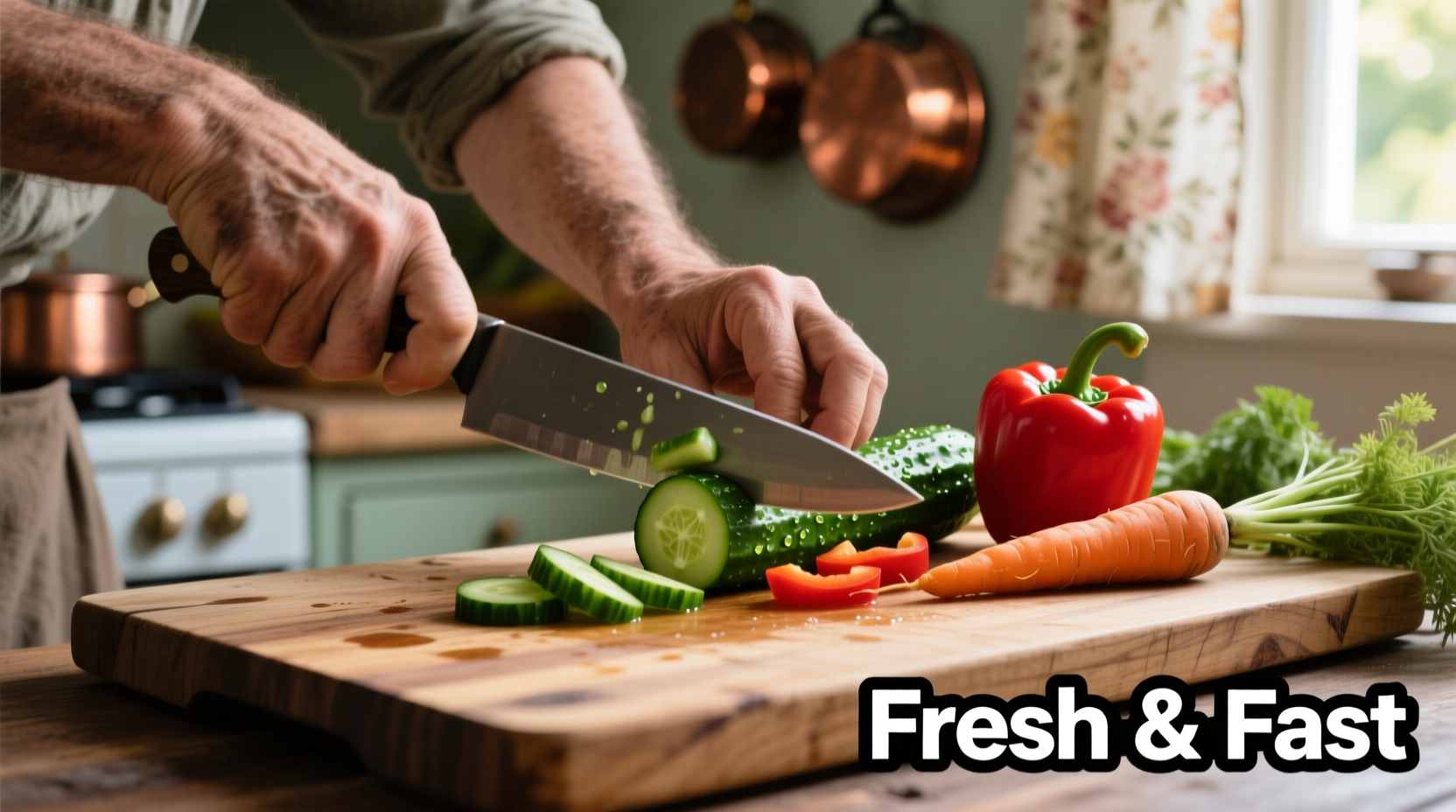
- Wrong knife use — Dull knives and bad technique slow prep and increase risk of injury.
I still remember burning a pan of onions because I walked away to check my phone. That one mistake taught me to stay present and set timers. Learning these common errors is the first step toward better meals and less stress.
Simple solutions to common mistakes
Fixing beginner cooking mistakes and solutions is often about small shifts in habit. Here are clear, easy fixes you can use today.
- Heat your pan first — Preheat for a minute or two before adding oil to get a good sear.
- Work in batches — Cook in small batches to keep heat steady and achieve browning.
- Salt early and taste — Season during cooking and taste at key points to build flavor.
- Read the recipe fully — Scan the recipe start to finish before you cook to avoid surprises.
- Sharpen and learn basic cuts — A sharp knife and simple cutting skills speed prep and improve safety.
In my early days I tried multitasking too much. Now I prep mise en place first. That change alone solved many beginner cooking mistakes and solutions for me. It keeps the kitchen calm and meals predictable.

Essential techniques and tools for beginners
Mastering a few core techniques removes most beginner cooking mistakes and solutions. Focus on these basics.
- Learn to sauté — Control medium-high heat and keep food moving for even cooking.
- Master boiling and simmering — Use a rolling boil for pasta and a low simmer for sauces.
- Use a meat thermometer — Check internal temps to avoid undercooked or overcooked meat.
- Know when to oil — Add oil when pan is hot for less sticking and better browning.
- Invest in a good pan and sharp knife — They last and change results dramatically.
I recommend a heavy-bottomed skillet and a reliable chef’s knife as your starter kit. These tools cut down errors and help you practice techniques that fix many beginner cooking mistakes and solutions.
Ingredient and timing errors — how to fix them
Many problems start with ingredients or timing. Adjust these to clean up common issues.
- Temper cold ingredients — Bring eggs and butter to room temp for even baking.
- Dry herbs vs. fresh — Reduce fresh herbs when substituting dried; they vary in strength.
- Adjust cook times by weight — Heavier cuts need more time; use the thermometer to be sure.
- Save pan juices — Deglaze with stock or wine to make sauces and recover flavor.
- Store ingredients correctly — Keep herbs, spices, and produce in proper conditions to preserve taste.
One time I used frozen garlic that tasted off. Now I freeze minced garlic in oil cubes to keep good flavor and avoid that mistake. These small practices prevent several beginner cooking mistakes and solutions before you even start.

Meal prep, planning, and time-saving tips
Planning removes pressure and reduces errors. Good prep turns complicated recipes into easy tasks.
- Plan meals for the week — A menu reduces guesswork at dinner time.
- Batch-cook staples — Make rice, beans, and roasted vegetables ahead to speed meals.
- Chop once, use twice — Cut ingredients for multiple dishes to save time later.
- Use timers and labels — Track cooking steps and mark storage dates to avoid waste.
- Keep a simple sauce stash — Basic tomato and pan sauces rescue many dishes.
I batch-roast vegetables every Sunday now. That one habit solved many timing and last-minute panic problems I had early on. Planning removes the guesswork that creates beginner cooking mistakes and solutions.
Pro tips from my kitchen
Here are practical tips I learned the hard way. These will help you avoid repeated beginner cooking mistakes and solutions.
- Taste and fix as you go — Add acid, salt, or sweetener in small amounts until balanced.
- Use residual heat — Turn off the stove a minute early for carryover cooking.
- Clean while you cook — A tidy workspace makes finishing easier and safer.
- Keep a simple spice mix — Create one go-to blend to save time and guarantee flavor.
- Practice one technique weekly — Repetition builds speed and confidence quickly.
When friends visit, I teach one simple dish and watch them gain confidence. Confidence erases fear, and that reduces the mistakes new cooks make. These pro tips are about habit, not talent.
Frequently Asked Questions of beginner cooking mistakes and solutions
What is the easiest way to avoid burning food?
Start with proper pan heat, stay attentive, and use timers. Cooking at the right temperature and watching the food prevents burning.
How can I make food more flavorful without complex steps?
Season often, use acid like lemon or vinegar, and finish with fresh herbs. Small additions boost flavor significantly.
Why does my meat turn out dry?
Overcooking and high heat cause dry meat. Use a thermometer and pull meat at the recommended internal temperature to keep it juicy.
How do I stop food from sticking to the pan?
Preheat the pan, add oil, and avoid moving food too quickly. Nonstick pans help, but technique matters most.
Are there must-have tools for beginners?
A sharp chef’s knife, a heavy skillet, a cutting board, and a meat thermometer are the top essentials. These four items solve many early problems.
How can I learn better knife skills quickly?
Practice basic cuts daily on simple vegetables and watch short tutorials for form. Short, focused practice builds skill fast.
Conclusion
Beginner cooking mistakes and solutions are mostly small, fixable habits. Focus on heat control, tasting, mise en place, and a few good tools to see fast improvement. Start with one change—like reading recipes fully or prepping ingredients ahead—and build from there. Try a new habit this week, leave a comment about your progress, or subscribe for more step-by-step kitchen tips.
