
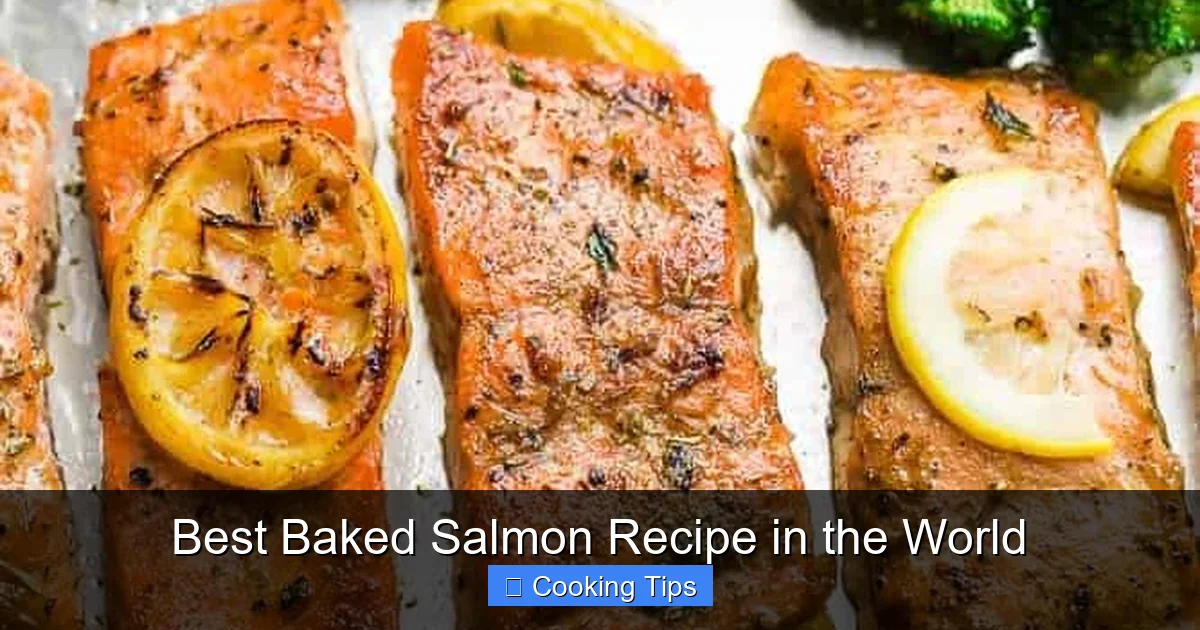
Discover the ultimate guide to the best baked salmon recipe. This comprehensive tutorial will teach you everything from selecting the freshest salmon to achieving a perfectly flaky texture and incredibly rich flavor. Follow our simple steps for a foolproof meal that will impress everyone, making this the go-to baked salmon recipe for any occasion.
Key Takeaways
- Selecting the Best Salmon: Learn to identify fresh, high-quality salmon fillets for optimal flavor and texture, focusing on color, firmness, and smell.
- Simple Seasoning is Key: Discover how basic yet effective seasonings like salt, pepper, lemon, and herbs elevate the natural taste of salmon without overpowering it.
- Achieving Perfect Flakiness: Master the baking temperature and time to ensure your salmon is cooked through but remains moist and incredibly flaky, avoiding dryness.
- Versatile Serving Suggestions: Explore creative ways to serve your best baked salmon, pairing it with a variety of sides for complete, delicious meals.
- Troubleshooting Common Issues: Address potential problems like overcooking or undercooking with practical advice to ensure consistent, delicious results.
- This recipe prioritizes simplicity and flavor, making it accessible for beginners and a staple for experienced cooks.
Best Baked Salmon Recipe in the World
Are you tired of dry, bland, or overcooked salmon? Do you dream of that perfectly flaky, moist, and flavorful fillet that melts in your mouth? You’ve come to the right place! This guide is your ultimate resource for mastering the best baked salmon recipe you’ll ever make. We’ll walk you through every step, from choosing the finest salmon to achieving that restaurant-quality finish right in your own kitchen. Get ready to elevate your salmon game and discover why this simple yet elegant preparation will become your new favorite.
Baking salmon is one of the easiest and healthiest ways to prepare this nutrient-rich fish. The oven does most of the work, and with a few key techniques, you can transform a humble fillet into a show-stopping centerpiece. We’ll focus on techniques that bring out the natural, delicious flavors of the salmon, making it incredibly satisfying without requiring complicated ingredients or lengthy processes. Whether you’re a seasoned home cook or just starting your culinary journey, this baked salmon recipe is designed for success.
Why This Baked Salmon Recipe is the Best
What makes this recipe stand out? It’s all about balance and simplicity. We avoid overwhelming the delicate flavor of the salmon with too many competing ingredients. Instead, we focus on enhancing its natural richness. The combination of fresh ingredients, precise cooking times, and straightforward techniques ensures a consistently delicious outcome. This isn’t just a recipe; it’s a foundational method for preparing salmon that you can adapt and build upon for countless meals. It’s quick enough for a weeknight dinner yet impressive enough for guests.
Choosing the Best Salmon for Baking
The foundation of any great dish is quality ingredients. For baked salmon, the star is, of course, the salmon itself. Selecting the right cut and type of salmon is crucial for achieving the desired texture and flavor.
Visual guide about Best Baked Salmon Recipe in the World
Image source: lecremedelacrumb.com
Types of Salmon
There are several types of salmon commonly available, each with its unique characteristics:
- Atlantic Salmon: This is the most farmed salmon and widely available. It has a rich, buttery flavor and a good fat content, making it forgiving and delicious when baked.
- King Salmon (Chinook): Considered the king of salmon, this type is prized for its large size, firm texture, and exceptionally rich, buttery flavor due to its high fat content.
- Sockeye Salmon: Known for its vibrant red flesh and distinct, robust flavor. It’s leaner than Atlantic or King salmon, so it requires careful cooking to avoid drying out.
- Coho Salmon (Silver): This salmon has a milder flavor and a softer texture compared to King salmon. It’s a good choice if you prefer a less intense fishiness.
Selecting Fresh Salmon Fillets
Whether you’re buying whole fish or fillets, here’s what to look for:
- Color: Look for vibrant, pink to deep red flesh. Avoid fillets that look dull, grey, or have brown spots, which can indicate age or oxidation.
- Texture: The flesh should be firm and resilient. When you gently press it, it should spring back. Avoid fillets that are mushy or feel slimy.
- Smell: Fresh salmon should smell clean and slightly oceanic, like the sea. It should *not* have a strong, unpleasant fishy odor, ammonia smell, or sourness.
- Fat Marbling: Look for thin lines of white fat running through the flesh. This marbling contributes to moisture and flavor.
- Skin: If the skin is still on, it should be shiny and intact, not dried out or peeling excessively.
Tip: When possible, buy salmon from a reputable fishmonger. They can often tell you where and when the fish was caught, ensuring peak freshness.
Prepping Your Salmon Fillets
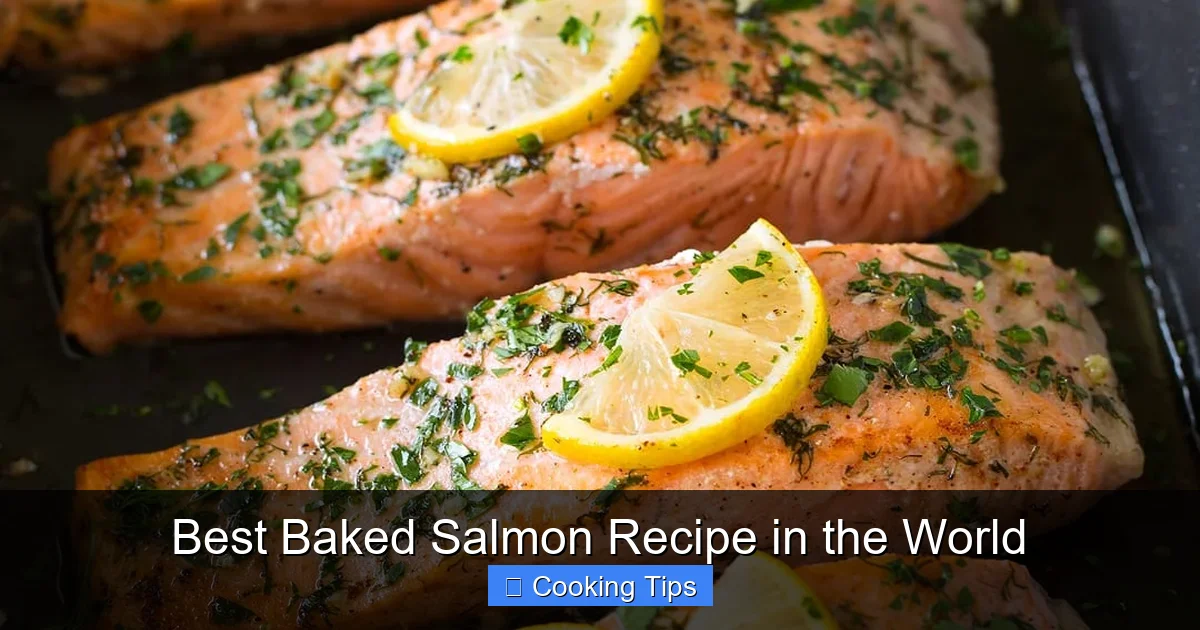
Once you have your beautiful salmon, a little preparation goes a long way in ensuring a perfect bake.
Visual guide about Best Baked Salmon Recipe in the World
Image source: cookingclassy.com
Patting Dry
This is a crucial step often overlooked. Using paper towels, gently but thoroughly pat the salmon fillets dry on all sides. This removes excess moisture from the surface, which helps the skin crisp up (if you leave it on) and allows the seasonings to adhere better. A dry surface also promotes more even cooking.
Checking for Bones
Feel along the fillet for any small pin bones. They are usually found running down the center line of the fillet. You can remove them with a pair of tweezers or needle-nose pliers. If you’re unsure, ask your fishmonger to do it for you. It’s much easier to enjoy your salmon without any surprises!
Portioning (Optional)
If you have a large fillet, you might want to cut it into individual portions. Aim for pieces that are roughly 6-8 ounces per person. This ensures even cooking, as smaller, uniform pieces will bake at the same rate.
The Simple, Flavorful Seasoning
The beauty of high-quality salmon is that it doesn’t need much to taste fantastic. This recipe focuses on enhancing its natural goodness.
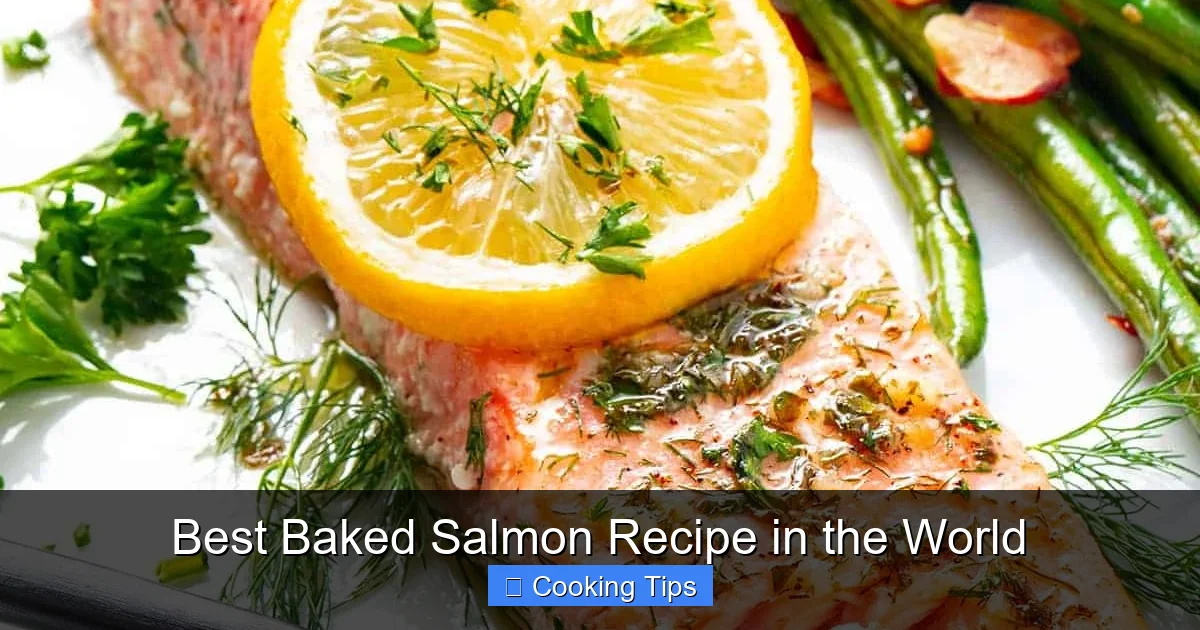
Visual guide about Best Baked Salmon Recipe in the World
Image source: wholesomeyum.com
Essential Seasonings
For this “best baked salmon” recipe, we’re keeping it classic:
- Salt: Use good quality sea salt or kosher salt. Season generously on all sides. Salt draws out moisture initially but then helps to create a flavorful crust and tenderizes the fish.
- Black Pepper: Freshly ground black pepper adds a subtle bite and aroma.
- Olive Oil: A drizzle of extra virgin olive oil helps to keep the salmon moist, prevents sticking, and carries the flavors of the seasonings.
- Lemon: Fresh lemon slices are a must! They add brightness and acidity that perfectly complements the richness of salmon. A squeeze of fresh lemon juice right before serving is also divine.
Optional Enhancements
While simplicity is key, here are a few optional additions that can take your baked salmon to the next level:
- Garlic: Thinly sliced garlic cloves can be tucked around or on top of the salmon.
- Fresh Herbs: Sprigs of fresh dill, parsley, thyme, or rosemary are wonderful. Place them on top of the salmon before baking.
- Butter: A small pat of butter can add extra richness, especially on leaner cuts of salmon.
How to Season
- Drizzle with Olive Oil: Lightly coat the salmon fillets with olive oil on all sides.
- Season Generously: Sprinkle salt and freshly ground black pepper evenly over the top and sides of each fillet.
- Add Aromatics: If using, place lemon slices, garlic, and herb sprigs on top of or around the salmon.
Baking Your Perfect Salmon
This is where the magic happens. The oven temperature and timing are critical for achieving that perfect, flaky texture.
Preheating the Oven
Preheat your oven to 400°F (200°C). A moderately high temperature is ideal for baking salmon. It cooks the fish through quickly, keeping it moist and preventing it from becoming dry and tough. A lower temperature might take too long, leading to overcooking, while a much higher temperature could scorch the outside before the inside is cooked.
Preparing the Baking Dish
You can bake salmon directly on a baking sheet lined with parchment paper or foil for easy cleanup. Alternatively, a glass or ceramic baking dish works well. If you’re worried about sticking, you can lightly grease the dish or line it with parchment paper.
Baking Time and Doneness
This is where experience and knowing your oven come into play. However, here’s a reliable guideline:
- For 1-inch thick fillets: Bake for 12-15 minutes.
- For thicker fillets (up to 1.5 inches): Bake for 15-18 minutes.
How to tell if it’s done:
- Flakiness: The most reliable indicator is to gently press the thickest part of the salmon with a fork. It should easily flake into moist pieces.
- Opaqueness: The flesh should be opaque throughout. If it still looks translucent in the center, it needs a little more time.
- Internal Temperature: For the most accurate result, use an instant-read thermometer. The salmon is perfectly cooked when it reaches an internal temperature of 130-135°F (54-57°C) for medium-rare to medium, or 140-145°F (60-63°C) for well-done. Remember, salmon will continue to cook slightly as it rests.
Important Note: Avoid overcooking! Overcooked salmon is the primary reason for dry, tough fish. It’s always better to slightly undercook it, as it will continue to cook off the heat.
Serving Your Best Baked Salmon
Once your salmon is out of the oven, let it rest for a couple of minutes. This allows the juices to redistribute, ensuring maximum moisture and tenderness. Then, it’s time to serve!
Classic Presentation
Serve the fillet whole or gently separate it into portions. Garnish with fresh lemon wedges and perhaps some of the herbs you used during baking. A final squeeze of fresh lemon juice right before eating is highly recommended!
Perfect Pairings
The beauty of baked salmon is its versatility. It pairs wonderfully with a wide range of side dishes:
- Vegetables: Roasted asparagus, steamed broccoli, sautéed green beans, a fresh green salad, or roasted root vegetables.
- Starches: Quinoa, couscous, wild rice, roasted potatoes, or a light pasta salad.
- Sauces: While not always necessary, a light dill sauce, a lemon-caper sauce, or a simple béarnaise can elevate the dish further.
Troubleshooting Common Baked Salmon Issues
Even the best recipes can sometimes encounter bumps. Here are solutions to common problems:
Problem: My Salmon is Dry and Tough
Cause: Most likely overcooked. Salmon cooks very quickly and can go from perfect to dry in minutes. Also, starting with a leaner cut without enough fat or oil can contribute.
Solution:
- Pay close attention to cooking time. Use the doneness indicators (flaking, internal temperature).
- Don’t overcook. Aim for the lower end of the temperature range if you’re unsure.
- Ensure sufficient fat. Use a good drizzle of olive oil or a pat of butter.
- Consider marinating for very lean cuts (e.g., sockeye), but keep marinades short to avoid the fish becoming mushy.
Problem: My Salmon is Sticking to the Pan
Cause: Insufficient oil or lack of a non-stick surface.
Solution:
- Always grease your baking dish or baking sheet. Use a generous amount of olive oil or cooking spray.
- Use parchment paper. This creates a natural barrier and makes cleanup a breeze.
- If the skin is on, ensure it’s properly dried. Dry skin can crisp and detach more easily.
Problem: The Salmon Tastes Bland
Cause: Under-seasoning or not allowing seasonings to penetrate.
Solution:
- Season generously. Don’t be shy with salt and pepper.
- Ensure even distribution. Season all sides of the fillet.
- Allow seasoning to sit for a few minutes before baking, especially salt, to begin drawing out moisture and flavor.
- Don’t forget the lemon! A squeeze of fresh lemon juice right before serving makes a huge difference.
Problem: The Salmon is Cooked Unevenly
Cause: Uneven thickness of the fillet or oven hot spots.
Solution:
- Trim or cut fillets to be as uniform in thickness as possible.
- Rotate your baking dish halfway through baking to account for oven hot spots.
- If one end is much thicker, you can tuck it slightly underneath itself to help it cook more evenly.
Conclusion: Your New Go-To Baked Salmon Recipe
You’ve now learned the secrets to preparing the best baked salmon recipe in the world. It’s a testament to how simple, high-quality ingredients and straightforward techniques can yield extraordinary results. This recipe is more than just a meal; it’s an experience. It’s about savoring the delicate, rich flavor of perfectly cooked salmon, knowing that you’ve created something truly delicious with minimal effort.
Embrace this method, and don’t be afraid to experiment with your favorite herbs and spices as you grow more comfortable. But for those times you want guaranteed perfection, this simple, elegant baked salmon will always be your reliable star. Enjoy!
