

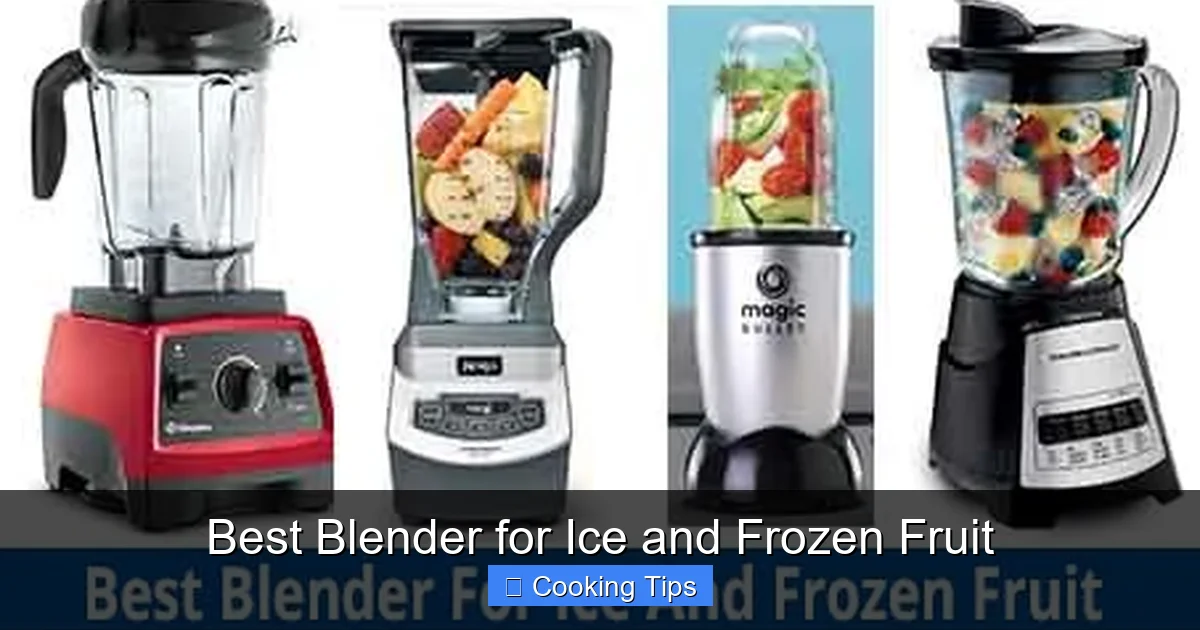
Crushing ice and blending frozen fruit requires a powerful blender. This guide breaks down the essential features to look for, from motor wattage to blade design, helping you select the perfect blender for smooth, lump-free smoothies, sorbets, and frozen cocktails. Learn how to maximize your blender’s performance and maintain it for long-lasting results.
Key Takeaways
- Motor Power is Paramount: For efficiently pulverizing ice and frozen fruit, look for blenders with a minimum of 1000 watts. Higher wattage indicates more power to handle tough ingredients without straining.
- Blade Design Matters: Sharp, robust blades are crucial. Multi-directional or serrated blades can create a vortex effect, pulling ingredients down and ensuring a smoother blend.
- Jar Material and Size: BPA-free plastic is common, but glass offers durability and odor resistance. Consider the jar size based on your typical serving needs – single-serve cups or larger pitchers.
- Variable Speed Settings and Presets: A range of speeds allows for better control, from gentle chopping to high-speed pulverizing. Preset programs for smoothies or ice crushing can simplify operation.
- Durability and Build Quality: Invest in a blender with a sturdy base and high-quality components that can withstand frequent use with hard ingredients like ice and frozen fruit.
- Ease of Cleaning: Look for blenders with dishwasher-safe parts or a simple self-cleaning function to make post-blending cleanup a breeze.
Unlock Smoothie Perfection: Your Ultimate Guide to the Best Blender for Ice and Frozen Fruit
Are you tired of lumpy smoothies that leave chunks of ice or frozen berries? Do you dream of perfectly smooth sorbets or refreshing frozen cocktails on demand? The secret to achieving these frozen delights lies in having the right blender. Not all blenders are created equal, especially when it comes to tackling the formidable challenge of ice and frozen fruit.
This comprehensive guide is your roadmap to finding the best blender for ice and frozen fruit. We’ll delve into the critical features that make a blender excel at this task, from raw power to innovative blade designs. You’ll learn what to look for, how to compare different models, and gain practical tips for maximizing your blender’s performance. By the end of this guide, you’ll be well-equipped to make an informed decision and invest in a blender that will transform your kitchen into a frozen treat haven.
Understanding the Demands of Ice and Frozen Fruit
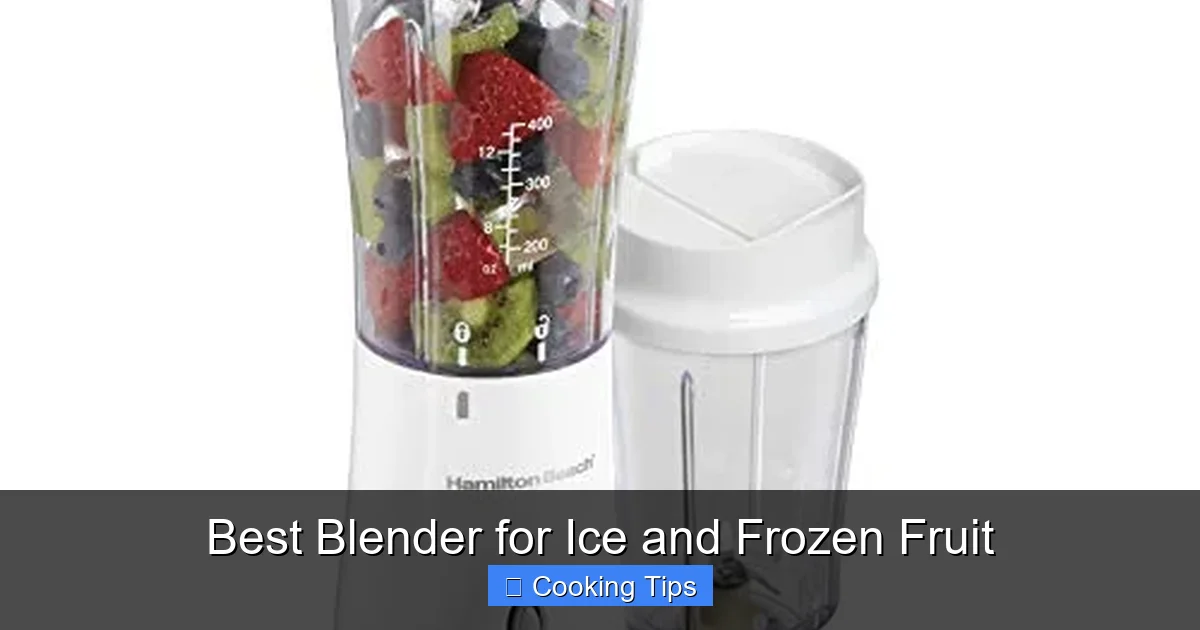
Blending ice and frozen fruit isn’t like simply pureeing soft bananas. These ingredients are dense, hard, and can put significant strain on a blender’s motor and blades. A weak blender will struggle, leading to:
Visual guide about Best Blender for Ice and Frozen Fruit
Image source: m.media-amazon.com
- Inconsistent Blending: You’ll end up with a texture that’s part liquid, part icy chunks.
- Overheating: The motor can overheat and potentially burn out if it’s not powerful enough.
- Blade Damage: Less robust blades can dull or even chip when trying to break down hard ingredients.
- Frustration: Ultimately, a blender that can’t handle the job will lead to disappointment.
Therefore, choosing a blender specifically designed for these tough tasks is essential for smooth, enjoyable results every time.
Key Features to Consider for the Best Ice and Frozen Fruit Blender
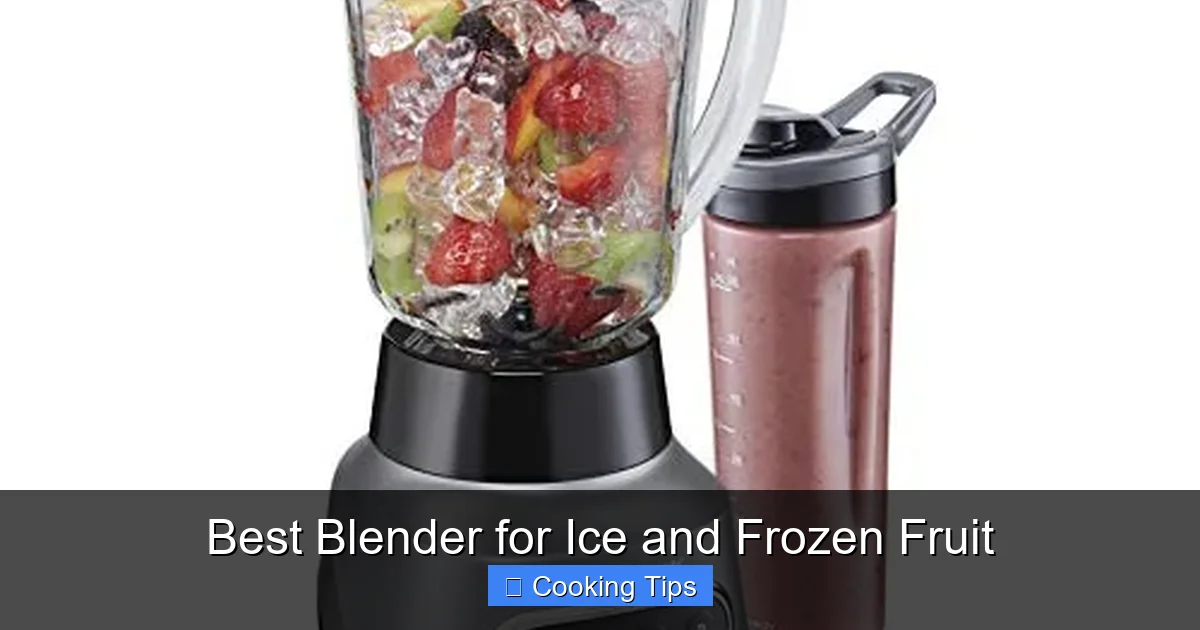
When you’re on the hunt for the perfect blender, several key features will determine its ability to conquer ice and frozen fruit. Focus on these aspects:
Visual guide about Best Blender for Ice and Frozen Fruit
Image source: m.media-amazon.com
Motor Power: The Heart of the Blender
This is arguably the most critical factor. Motor power is measured in watts (W), and the higher the wattage, the more torque and strength the blender has. For blending ice and frozen fruit effectively, you need substantial power.
- Recommended Wattage: Aim for a blender with at least 1000 watts. Blenders in the 1200-1500 watt range are even better and will handle larger quantities and harder frozen ingredients with ease.
- What Higher Wattage Does: More power allows the blades to spin faster and with more force, efficiently pulverizing ice and frozen fruit into a smooth consistency without bogging down. It also helps create a vortex that pulls ingredients towards the blades for a more thorough blend.
Blade Design and Material: The Cutting Edge
The blades are your blender’s workhorses. Their design, sharpness, and material play a huge role in how well they can cut through ice and frozen fruit.
- Sharpness and Durability: Blades should be made from hardened stainless steel to resist dulling and chipping.
- Blade Configuration: Look for blades that are designed to create a vortex. Some blenders have multi-directional blades or a combination of sharp and blunt edges that work together to pull ingredients into the blending vortex and break them down effectively.
- Blade Assembly: Ensure the blade assembly is securely attached and designed to withstand the forces involved in crushing ice.
Jar Material and Capacity: Your Blending Vessel
The jar is where all the magic happens. Its material and size can impact usability and durability.
- Material:
- Plastic (BPA-Free): Most common and lightweight. Ensure it’s BPA-free for health and safety. Some plastics can scratch or retain odors over time.
- Glass: Heavier but more durable, resistant to scratches and odors. Can be more prone to breaking if dropped.
- Tritan: A popular, durable, BPA-free plastic alternative that offers the clarity of glass and the durability of plastic.
- Capacity: Consider how much you typically blend. Do you make single-serve smoothies for yourself, or do you need a larger pitcher for family-sized batches? Blenders come in various sizes, from personal 16-ounce cups to 64-ounce pitchers or larger.
- Jar Shape: Some jar shapes are designed to facilitate better blending by creating a more effective vortex.
Speed Settings and Presets: Control and Convenience
The ability to control the blending process is key to achieving the perfect texture.
- Variable Speed Control: A range of speed options allows you to start slow to chop ingredients and then ramp up to high speed for a smooth finish. This prevents ingredients from being flung to the sides and offers more control.
- Pulse Function: The pulse setting is great for controlling the texture, especially when making salsas or chunky dips, but it’s also useful for giving ice a quick, initial break before sustained blending.
- Pre-programmed Settings: Many high-powered blenders come with pre-set programs for smoothies, ice crushing, or frozen desserts. These can take the guesswork out of blending, automatically adjusting speed and duration for optimal results.
Durability and Build Quality: A Long-Term Investment
A blender that can handle ice and frozen fruit needs to be robust. Look for:
- Sturdy Base: A heavy, stable base prevents the blender from “walking” across the counter during high-speed operation.
- Quality Components: Metal drive sockets (instead of plastic) where the blade assembly connects to the motor are a sign of better durability.
- Overload Protection: Some blenders have built-in features to prevent the motor from overheating or being overloaded.
Ease of Cleaning: The Aftermath
Once you’ve enjoyed your frozen creation, cleaning up shouldn’t be a chore.
- Dishwasher-Safe Parts: Many blenders have jars, lids, and blades that are safe to put in the dishwasher.
- Self-Cleaning Function: Some high-end blenders have a self-cleaning cycle. Simply add warm water and a drop of dish soap, and run the blender on high for a minute or two.
- Easy Disassembly: If the blade assembly is removable, it can make cleaning much easier.
Top Blender Categories for Ice and Frozen Fruit
While many blenders can handle ice, some categories are specifically designed for this task:
Visual guide about Best Blender for Ice and Frozen Fruit
Image source: img.ltwebstatic.com
1. High-Powered Blenders (Workhorses)
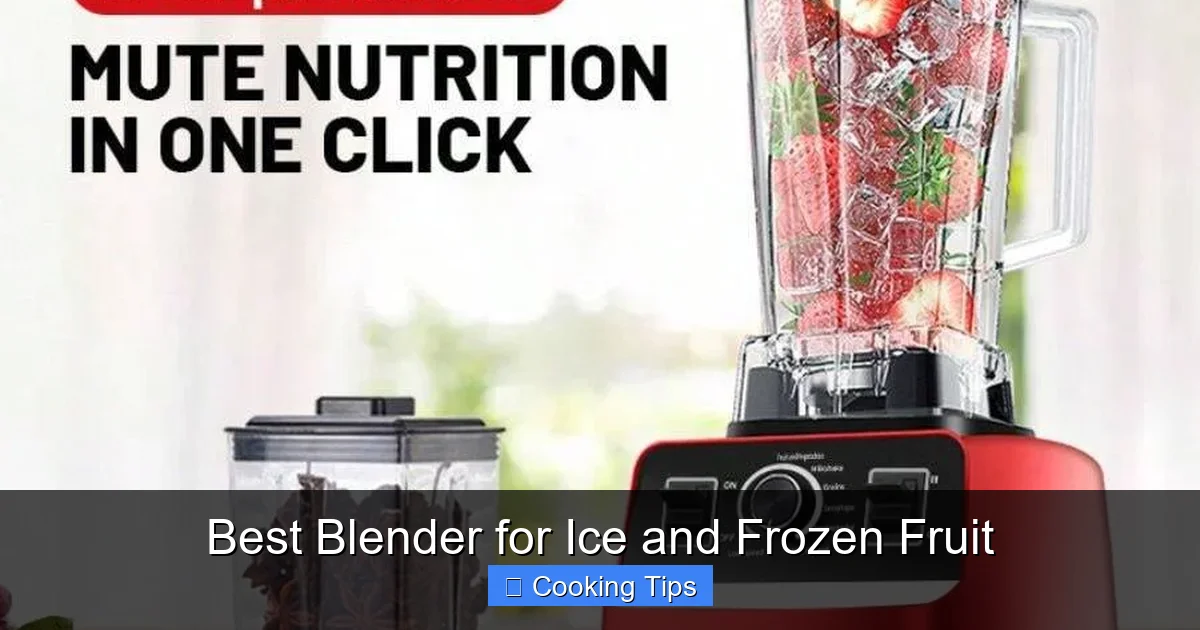
These are the titans of the blending world. Brands like Vitamix and Blendtec are renowned for their incredibly powerful motors (often 1300-1500 watts or more), robust construction, and advanced blade systems. They are engineered to pulverize anything you throw at them, including ice, frozen fruit, nuts, and seeds, into incredibly smooth textures. They are a significant investment but offer unparalleled performance and longevity.
2. Mid-Range Power Blenders
These blenders typically fall in the 1000-1200 watt range. They offer a significant step up from basic blenders and are quite capable of handling ice and frozen fruit for everyday smoothie making. Brands like Ninja, Breville, and some Cuisinart models often fall into this category. They provide a good balance of performance, features, and price.
3. Personal Blenders (with caveats)
While not all personal blenders are up to the task, some are specifically designed with more powerful motors and tougher blades. Look for personal blenders that explicitly state they can crush ice and handle frozen fruit. They are excellent for single servings and offer convenience for on-the-go nutrition. However, they might struggle with larger quantities or very large frozen chunks compared to their full-sized counterparts.
How to Use Your Blender for Best Results with Ice and Frozen Fruit
Once you’ve chosen your ideal blender, here’s how to get the most out of it:
Step-by-Step Blending Technique
- Layer Ingredients Correctly: Start with liquids (water, juice, milk) at the bottom. This helps the blades move freely and prevents them from getting stuck on frozen ingredients. Then add softer ingredients like fresh fruit or greens, followed by your ice and frozen fruit on top.
- Start Slow, Then Ramp Up: Begin blending on a low speed to break down the larger frozen pieces. Gradually increase the speed to high to achieve a smooth consistency.
- Use the Pulse Function: For initial breakdown of very hard ingredients, use the pulse function a few times before switching to a continuous blend.
- Don’t Overfill: Overfilling the blender jar can strain the motor and lead to uneven blending. Fill it to the maximum fill line recommended by the manufacturer.
- Be Patient: High-powered blenders will create smooth results quickly, but even they might need 30-60 seconds of blending for very dense mixtures.
Tips for Perfect Smoothies and Frozen Treats
- Use Frozen Fruit Wisely: Pre-cut or smaller frozen fruit pieces blend more easily. If you’re freezing your own fruit, spread pieces on a baking sheet to freeze individually before transferring to a bag; this prevents clumping.
- Balance Ice and Fruit: Too much ice can make your smoothie watery or icy. Experiment with ratios to find your preferred texture.
- Add Creaminess: For ultra-smooth and creamy results, consider adding ingredients like avocado, yogurt, banana, or nut butter.
- Experiment with Liquids: Water is fine, but milk (dairy or plant-based), coconut water, or fruit juice can add flavor and nutrients.
- Don’t Forget Flavor Boosters: Spices like cinnamon, vanilla extract, cocoa powder, or a drizzle of honey can elevate your frozen creations.
Troubleshooting Common Blender Issues
Even with the best blender, you might encounter a hiccup. Here are some common problems and how to fix them:
Problem: Blender Struggles or Stops
Solution:
- Check for Overfilling: Remove some ingredients and try again.
- Add More Liquid: A little extra liquid can help ingredients move more freely.
- Motor Overheating: If the blender has a thermal protection system, unplug it and let it cool down for 15-30 minutes before trying again.
- Stuck Ingredients: Use the tamper (if your blender has one) to push ingredients down towards the blades. If no tamper, stop the blender, unplug, and use a spatula to dislodge any stuck pieces.
Problem: Lumpy or Inconsistent Texture
Solution:
- Blend Longer: Give the blender more time to work, especially on high speed.
- Layer Ingredients Properly: Ensure liquids are at the bottom and frozen items are on top.
- Check Blade Sharpness: If your blender is older, the blades might be dull. Some models allow for blade replacement.
- Use the Pulse Function: Pulse a few times to break up stubborn chunks before a continuous blend.
Problem: Leaking
Solution:
- Ensure Lid is Secure: Make sure the lid and lid plug are tightly sealed.
- Check Gasket: Inspect the rubber gasket at the base of the blade assembly for wear or damage. Replace if necessary.
- Don’t Overfill: This can push ingredients past the seal.
Maintenance for Longevity
To ensure your blender continues to perform at its best for years to come:
- Clean Immediately: Rinse the jar, lid, and blades right after use. Dried-on residue is much harder to remove.
- Deep Cleaning: Periodically, perform a more thorough clean using the self-cleaning function or by handwashing all removable parts.
- Inspect Blades: Check for any signs of wear or damage.
- Store Properly: Ensure the blender jar is dry before storing to prevent mold or odors.
Conclusion: Invest in Your Frozen Treat Dreams
Finding the best blender for ice and frozen fruit is an investment in countless delicious and healthy treats. By understanding the importance of motor power, blade design, jar quality, and user-friendly features, you can confidently select a blender that meets your needs and exceeds your expectations. Whether you’re a smoothie aficionado, a sorbet enthusiast, or a cocktail crafter, the right blender will be your most valuable kitchen companion. Don’t settle for less – equip yourself with a powerful machine and unlock a world of smooth, refreshing possibilities!
