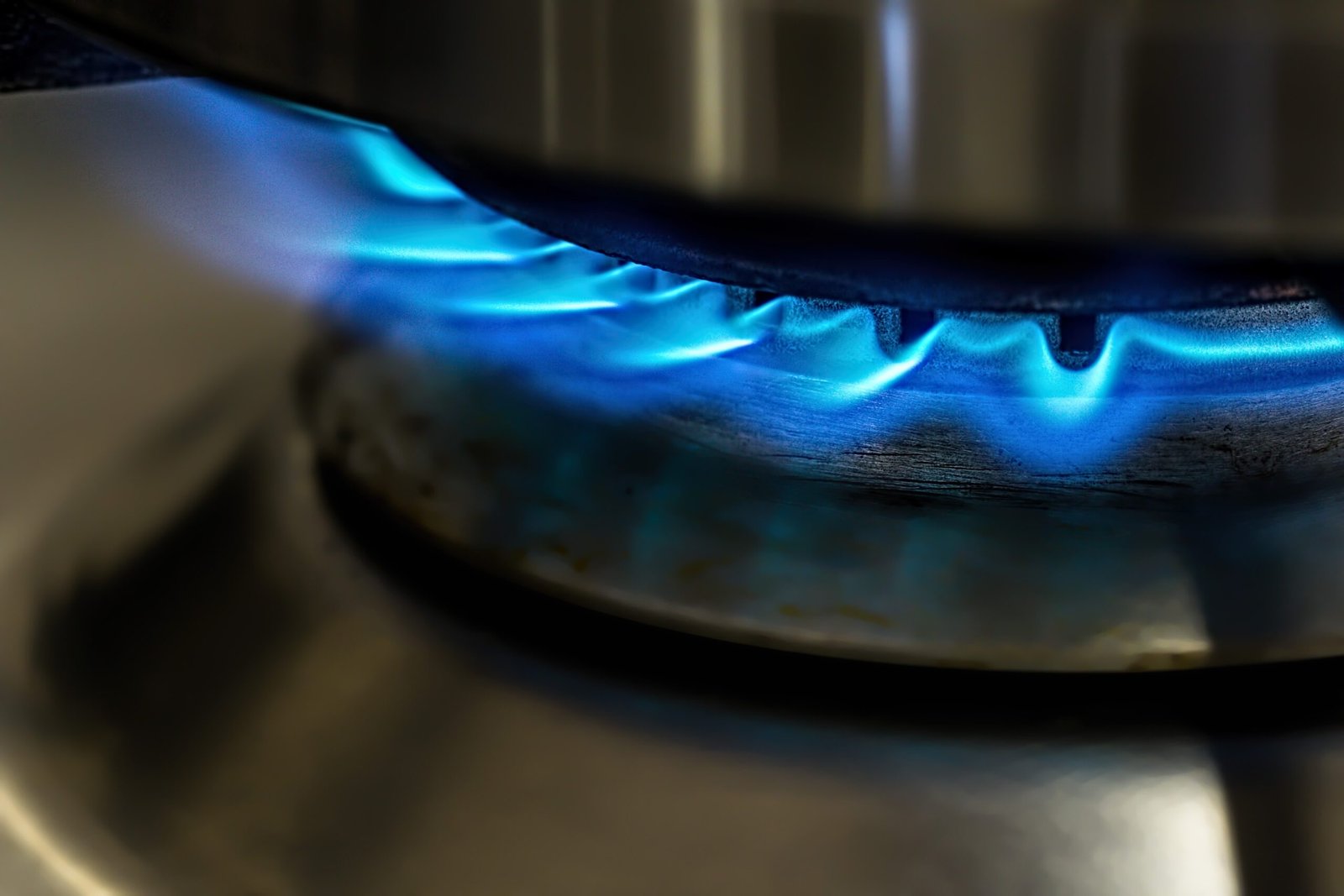


Use medium-high heat: about 325–375°F (160–190°C) for most home frying tasks.
I have fried hundreds of meals at home and in test kitchens. I know how heat changes texture, color, and taste. This guide explains the best heat level for frying at home in plain steps. Read on to learn easy tests, oil choices, and real tips to get crisp, tasty results every time.
:max_bytes(150000):strip_icc()/faw-toaster-ovens-air-fryers-test-taotronics-rkilgore-127-efe96fac638843b49fba305016d49235.jpg)
Why heat level matters for frying
Heat decides how food cooks on the outside and inside. Too low heat makes food soggy and oily. Too high heat burns the crust before the inside cooks. Knowing the best heat level for frying at home helps you get the right color, crunch, and moist center every time.

Common frying temperatures and what they do
Here are simple ranges to follow. These are the best heat level for frying at home for many recipes.
- 275–325°F (135–160°C) — Use for gentle shallow frying, thick batters, or delicate fish. This gives a slow golden crust and cooks through more evenly.
- 325–375°F (160–190°C) — Best for most pan-frying, breaded foods, and small batches. This range balances crispness and doneness.
- 375–400°F (190–205°C) — Use for classic deep frying of fries, doughnuts, and small battered pieces. It seals fast and keeps oil absorption low.
- 400–450°F (205–230°C) — High heat for quick sears and stir-fry. This is rarely needed for deep frying at home because many oils reach smoke point here.
Use the 325–375°F range as your baseline. It is the best heat level for frying at home for most dishes.
How to measure heat at home
A quick tool makes a big difference. Use a candy or deep-fry thermometer clipped to the pan for steady reading. The oil should read within the target range before you add food.
You can also test by dropping a small breadcrumb into the oil; steady bubbling means you are near the best heat level for frying at home. If it browns too fast, lower the heat. If it barely bubbles, raise the heat.
:strip_icc()/bhg-ninja-crispi-4-in-1-portable-glass-air-fryer-cooking-system-jamie-weissman-05-dbc470ab815840b9809d7e0540f3e3e2.jpeg)
Best oils and smoke points for frying
Pick an oil that matches your heat. Oils with higher smoke points let you fry at hotter temps safely.
- Avocado oil — High smoke point, good for 375–400°F frying.
- Refined peanut oil — Stable and neutral at 350–375°F.
- Canola or vegetable oil — Cheap and good up to about 375°F.
- Olive oil (refined) — Ok for lower pan-frying, not for high deep-fry heat.
Match oil and temperature. Choosing the right oil helps you stay inside the best heat level for frying at home and prevents off flavors from burned oil.
Practical tips and troubleshooting
Small habits fix big problems.
- Do not overcrowd the pan. Crowding drops oil temperature below the best heat level for frying at home and makes food soggy.
- Dry food well before frying. Moisture causes oil to spit and lowers crisping.
- Use a thermometer and watch the oil. Heat will dip when you add food. Raise or lower the flame to keep the correct range.
- Drain on a rack, not paper. A rack keeps the crust crisp by letting air circulate.
When I first started frying, I used visual cues only. I learned to use a thermometer and my results improved immediately. Keep notes for recipes so you can repeat success.
Personal experience: mistakes and lessons learned
I once fried a dozen chicken thighs at once and ended up with greasy skin. I learned to fry in batches. I now let the oil return to the set range between batches.
Another time I used olive oil at high heat and tasted burnt notes. I switched oils and adjusted to the best heat level for frying at home. These changes saved time and improved flavor.

Frequently Asked Questions of best heat level for frying at home
What is the single best temperature for frying at home?
Aim for 325–375°F (160–190°C) for most frying tasks. This range balances a crispy exterior and cooked interior without excess oil absorption.
How do I know if my oil is too hot?
If oil smokes or smells acrid, it is too hot. Lower the heat and replace oil if it tastes burnt.
Can I shallow fry and deep fry at the same heat?
They can overlap. Shallow frying often uses the same 325–375°F range as many deep-fry recipes. Adjust based on food thickness.
Is a thermometer necessary for frying?
A thermometer makes heat control easy and consistent. You can use visual tests, but a thermometer reduces guesswork and mistakes.
What happens if I overcrowd the pan?
Crowding drops oil temperature and increases oil absorption. Food becomes soggy instead of crisp. Always fry in small batches for best results.
How do I test oil without a thermometer?
Drop a small bread cube or batter drip into the oil. If it browns slowly, your oil is too cool. If it browns quickly and bubbles steadily, you are near the right range.
Conclusion
Mastering the best heat level for frying at home starts with a simple rule: aim for 325–375°F (160–190°C) for most foods. Use a thermometer, pick the right oil, and fry in small batches. Try one recipe tonight and note the temp, oil, and time. Share results, subscribe, or leave a comment to tell me what you fried and how it turned out.