

Medium-high heat — hot enough to brown quickly without steaming, roughly stovetop medium-high.
I’ve sautéed vegetables for years in home and pro kitchens, and I can tell you the best heat level for sautéing vegetables matters more than the oil you pick. This guide explains why medium-high heat is usually best, how to adjust for different vegetables, and how to measure and manage heat so your veg come out crisp, bright, and flavorful every time. Read on for clear rules, proven tips, and real-world tests from my own kitchen experience to help you master the best heat level for sautéing vegetables.
Why heat matters when you sauté vegetables
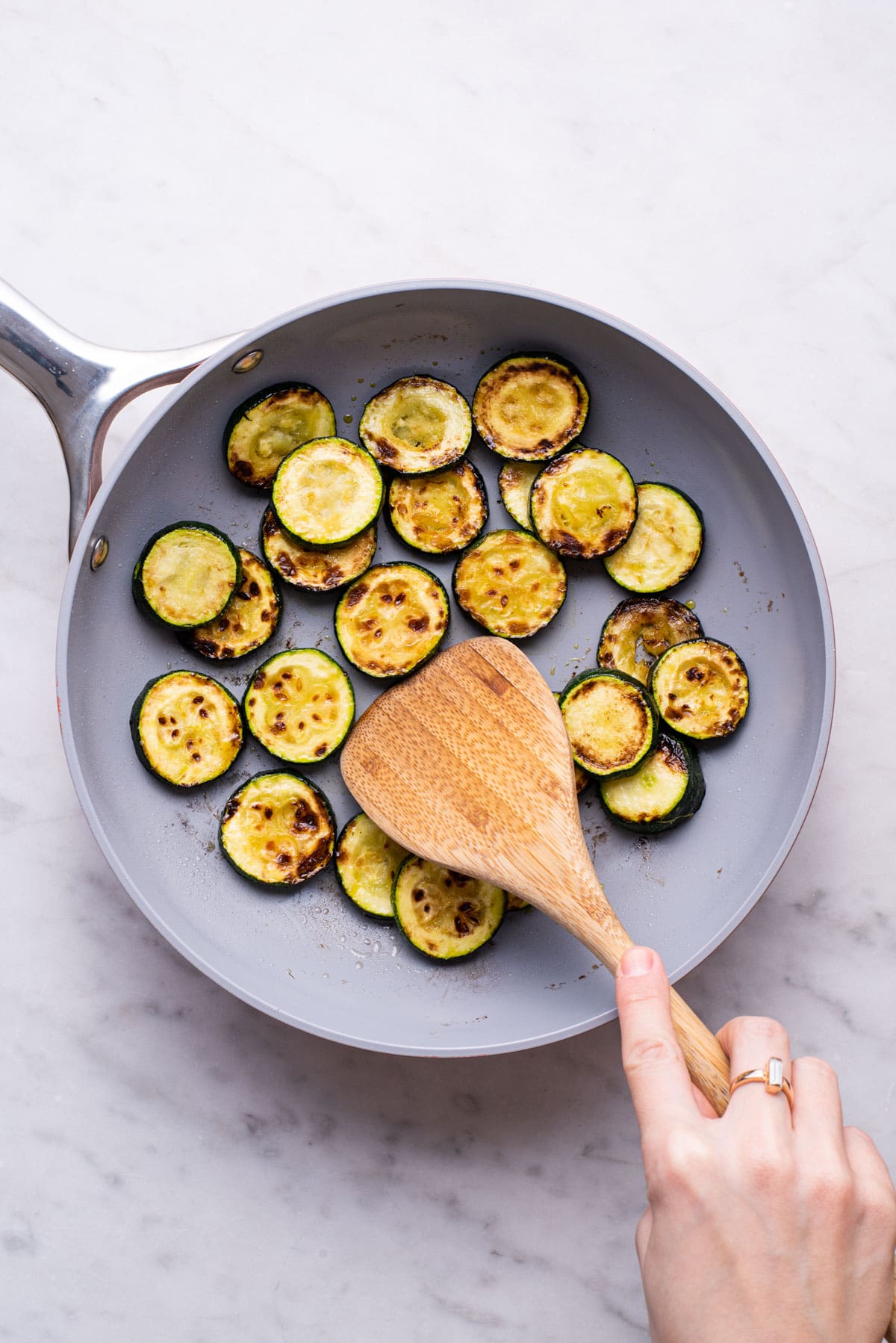
Heat controls texture, color, and taste. Too low a heat makes veggies limp and soggy. Too high a heat burns the outside before the inside cooks.
The best heat level for sautéing vegetables balances fast browning with even cooking. That creates caramelized edges and a tender interior. You get better flavor and a nicer mouthfeel.
The best heat level for sautéing vegetables: simple rules
Use medium-high for most vegetables. On a typical home range, that is about 70–80% of full flame or dial. The pan should be hot enough that a drop of water sizzles and evaporates quickly.
For delicate greens use medium heat. For dense roots use slightly lower heat at first, then raise to medium-high to finish. Adjust based on pan type and stove. Gas, electric coil, and induction all transfer heat differently, so learn your stove.
The best heat level for sautéing vegetables helps moisture escape fast. That keeps surfaces dry so browning happens. When oil shimmers and moves easily across the pan, you are in the right zone.

Heat levels by vegetable type and timing
This quick guide helps you set the best heat level for sautéing vegetables by type and time.
- Leafy greens: medium heat, 2–4 minutes, toss often.
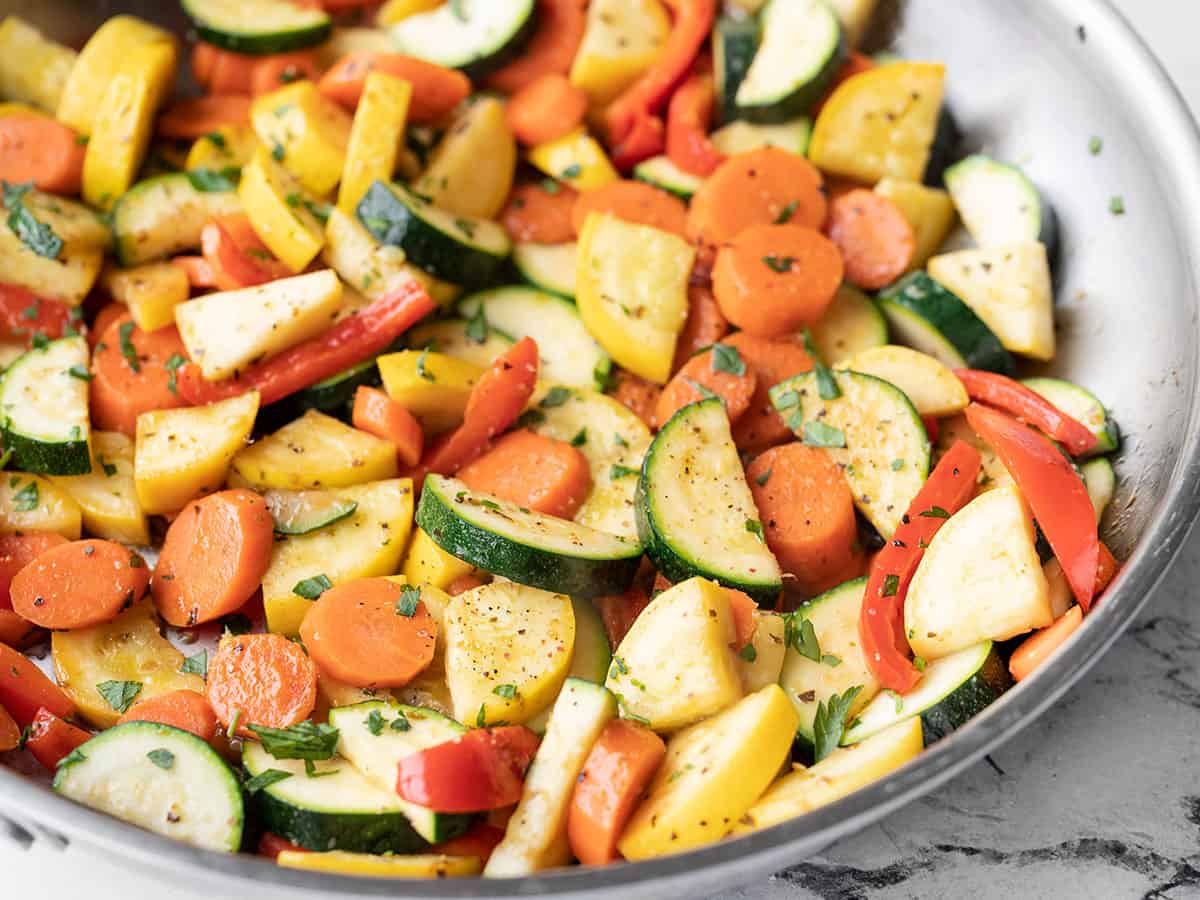
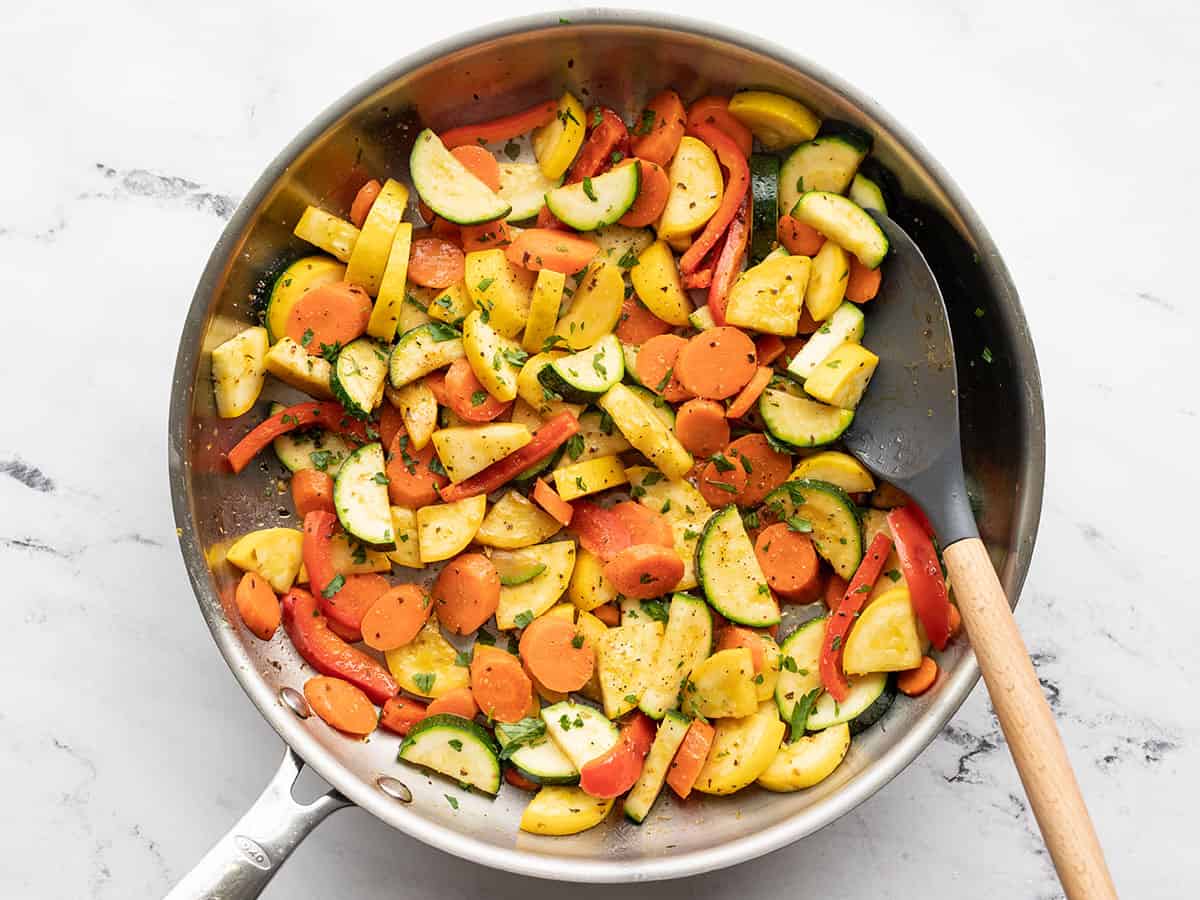
- Tender vegetables (zucchini, bell pepper): medium-high, 4–6 minutes, quick flip.
- Aromatics (onion, garlic): medium to medium-high, sweat first then brown, 3–8 minutes.
- Mushrooms: medium-high, 6–8 minutes, let them sit to brown.
- Broccoli, cauliflower: medium-high, 6–10 minutes, start with a lid for 1–2 minutes if thick.
- Root vegetables (carrot, parsnip): medium, longer cook, par-cook or slice thin for medium-high finish.
The best heat level for sautéing vegetables varies by size and cut. Thinner pieces cook fast on medium-high. Thicker pieces need gentler heat or a two-stage cook.
.jpg)
Practical tips from experience: pan, oil, and timing
Preheat the pan until it is hot. Add oil and wait until it shimmers. Then add vegetables in a single layer for good contact.
Do not crowd the pan. Overcrowding drops the pan temperature and causes steaming. Work in batches when needed to keep the best heat level for sautéing vegetables.
Use oils with adequate smoke points for your heat. For medium-high choose oils like canola, avocado, or refined olive oil. For lower heat, extra virgin olive oil is fine.
A mistake I made early on was turning the heat too low to “control” browning. That made veg limp and pale. I also once used a tiny pan for a large amount; the result was steaming. Learn from that: choose the right pan and keep heat steady.

Tools to measure and control heat
A simple infrared thermometer reads pan surface temps fast. Aim for roughly 350–400°F (175–205°C) on the pan for medium-high sauté. If you don’t have a meter, use visual cues: oil that shimmers, light wisps of vapor, and quick sizzle.
Know your pans. Thin pans heat fast and cool fast. Thick pans hold heat and need more time to preheat. Match pan size to burner size for even heat. Practice makes it easy to feel the best heat level for sautéing vegetables.
Troubleshooting common problems
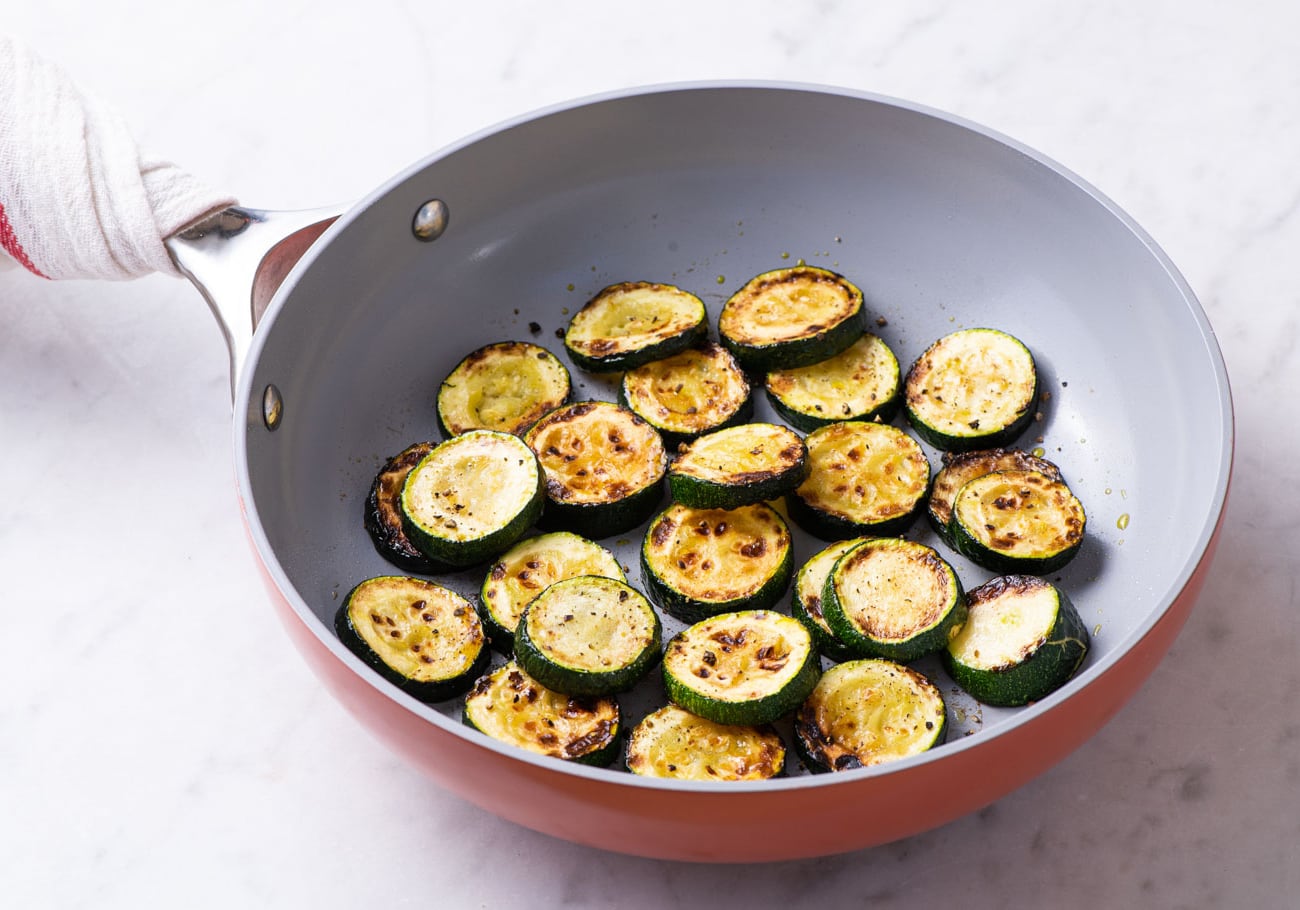
Problem: Vegetables are soggy. Solution: Heat was too low or pan overcrowded. Raise heat and cook in batches.
Problem: Outside burned, inside raw. Solution: Heat was too high or pieces were too thick. Lower heat slightly and cut veg smaller.
Problem: No browning on mushrooms. Solution: Mushrooms release water. Use medium-high and don’t stir for the first few minutes to allow browning.
Understanding the best heat level for sautéing vegetables helps you fix these issues fast. Small adjustments make big differences.
Frequently Asked Questions of best heat level for sautéing vegetables
What stove setting is medium-high for sautéing vegetables?
Medium-high is about 70–80% of your stove’s full power. On gas, it is a high flame that is not fully on; on electric, it’s a dial between medium and high.
Can I use olive oil for medium-high heat?
Refined olive oil or light olive oil works well at medium-high. Extra virgin olive oil smokes earlier, so use medium heat for it.
How do I know if the pan is hot enough?
A drop of water should sizzle and evaporate quickly. Oil should shimmer and flow easily across the pan. Those signs mean you are near the best heat level for sautéing vegetables.
Should I cover the pan when sautéing?
Only sometimes. Covering traps steam and speeds cooking, which is useful for thicker veg. For browning, leave the pan uncovered to let moisture escape.
How do I prevent food from sticking at medium-high heat?
Preheat the pan well and add enough oil. Do not move the food too quickly; give it time to form a crust. Use a nonstick pan or well-seasoned cast iron if sticking is a problem.
Is two-stage heat useful for dense vegetables?
Yes. Start with medium to soften the interior, then finish on medium-high to brown the surface. This technique helps the best heat level for sautéing vegetables balance texture and color.
Conclusion
Mastering the best heat level for sautéing vegetables is about balance. Aim for medium-high for most veg, tweak for delicate or dense items, and watch for the oil shimmer and quick sizzle. Use proper pan size, avoid crowding, and test with a thermometer or visual cues.
Try these tips in your next meal. Test one vegetable at a time and note the timing that works on your stove. Share your results, ask questions, or subscribe for more simple kitchen skills.
