
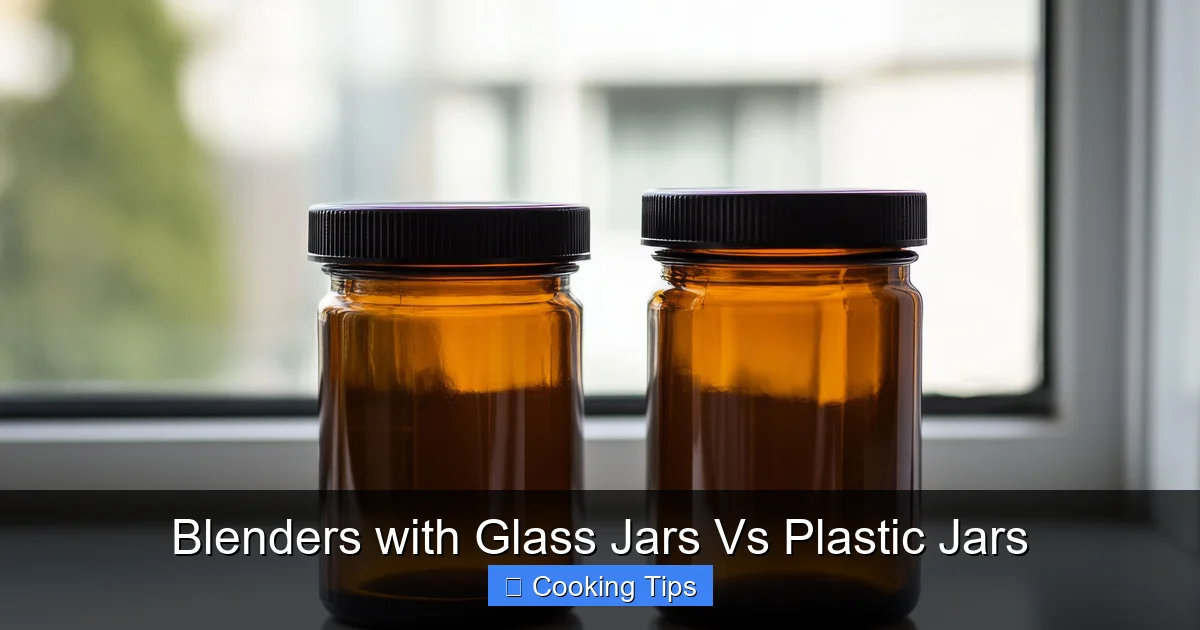
Choosing between a glass or plastic jar blender can significantly impact your blending experience and the longevity of your appliance. This guide helps you navigate the differences, detailing the advantages and disadvantages of each material. Understand durability, staining, odor retention, and health considerations to make an informed decision that best suits your kitchen needs and blending habits.
Blenders with Glass Jars Vs Plastic Jars: Which is Right for You?
In the bustling world of kitchen appliances, the blender stands out as a true workhorse. From silky smooth smoothies to hearty soups and dips, a good blender can revolutionize your cooking. But when it comes to selecting a new blender, one of the most significant choices you’ll face is the material of its jar: glass or plastic. In 2026, with advancements in both materials, understanding the nuances between blenders with glass jars versus plastic jars is more important than ever.
This comprehensive guide will walk you through everything you need to know to make the best decision for your kitchen. We’ll dive deep into the pros and cons of each, explore their impact on your blending experience, and help you identify which type of blender best fits your lifestyle and culinary aspirations. Get ready to become a blender-savvy shopper!
Key Takeaways
- Material Matters: Glass jars are generally more durable and resistant to scratching, staining, and odor absorption compared to plastic.
- Health & Safety: While modern plastics are generally safe, concerns about BPA and microplastic leaching can make glass a preferred choice for some consumers.
- Performance Nuances: Glass is heavier and more prone to breakage, while some plastics can scratch over time, potentially affecting blending efficiency for very fine ingredients.
- Cost & Aesthetics: Plastic blenders are typically more affordable and lighter, while glass models often offer a premium aesthetic and a more substantial feel.
- Maintenance & Care: Both require cleaning, but glass is easier to clean thoroughly and maintain its pristine appearance, whereas plastic can require more careful handling to prevent damage.
- Specific Use Cases: For frequent hot blending or vibrant ingredients that stain, glass is often superior. For portability or budget-friendliness, plastic might be a better fit.
Understanding the Core Differences
At its heart, the difference between a glass jar blender and a plastic jar blender lies in the material composition of the blending container. While both serve the same fundamental purpose – to hold your ingredients while the blades do their work – the properties of glass and plastic lead to distinct advantages and disadvantages.
Glass Jars: Clarity, Durability, and Health
Glass jars are often perceived as the more premium option. They are typically made from tempered glass, designed to withstand the rigors of blending. Their transparency offers a clear view of your ingredients as they transform, allowing for precise control over texture.
Pros of Glass Jars:
- Non-Porous and Odor-Resistant: Glass doesn’t absorb flavors or odors. This means your morning berry smoothie won’t leave a lingering strawberry scent or taste in the jar when you move on to making a savory pesto later.
- Stain-Resistant: Vibrant ingredients like turmeric, berries, or tomato sauce are less likely to stain glass compared to plastic. This keeps your blender looking fresh and new for longer.
- Scratch-Resistant: Glass is harder than most plastics, making it much more resistant to scratching. Scratches in plastic can harbor bacteria and dull the jar’s appearance.
- Healthier Perception: Many consumers prefer glass due to concerns about potential chemical leaching from plastics, especially with hot or acidic ingredients. While modern plastics are rigorously tested, glass offers a clear peace of mind for those seeking a BPA-free and inert material.
- Aesthetically Pleasing: Glass jars often lend a blender a more sophisticated and high-end look and feel.
- Easier to Clean Thoroughly: The smooth, non-porous surface of glass makes it easier to wipe clean and ensure no residue remains.
Cons of Glass Jars:
- Heavier: Glass is significantly heavier than plastic, making the blender itself bulkier and less portable.
- Breakable: Accidental drops or impacts can lead to shattering, making glass jars more fragile than their plastic counterparts.
- Can Be More Expensive: Blenders with glass jars often come with a higher price tag.
- Not Ideal for All Hot Blending: While tempered glass is strong, rapid temperature changes (like pouring boiling liquid directly into a cold jar) can still pose a risk of cracking. Most manufacturers recommend letting hot ingredients cool slightly before blending.
Plastic Jars: Lightweight, Affordable, and Impact-Resistant
Plastic jars are the more common choice, often found on more budget-friendly blender models. They are designed to be lightweight and durable, able to withstand minor bumps and drops.
Pros of Plastic Jars:
- Lightweight and Portable: Plastic jars are much lighter than glass, making the entire blender easier to move around the kitchen and, in some cases, to transport for on-the-go use.
- Impact-Resistant: Plastic is more forgiving when it comes to accidental drops or knocks, reducing the risk of breakage.
- More Affordable: Blenders with plastic jars are generally less expensive, making them a great entry-level option.
- Good for Some Hot Blending: Many modern plastics are designed to handle hot liquids without issue, though it’s always best to check the manufacturer’s instructions.
Cons of Plastic Jars:
- Prone to Staining: Vibrant foods like tomato sauce, berries, or turmeric can leave permanent stains on plastic over time, making the jar look old and dingy.
- Can Absorb Odors and Flavors: The porous nature of some plastics means they can retain smells and tastes from previous blends, which can affect the flavor of subsequent recipes.
- Susceptible to Scratching: Even with careful use, plastic jars can develop fine scratches from blades or utensils. These scratches can harbor bacteria and become dull.
- Potential Health Concerns: While regulated, some consumers remain concerned about BPA (Bisphenol A) or other chemicals potentially leaching from plastic into food, especially when heated or used with acidic ingredients. Look for BPA-free plastics.
- Can Degrade Over Time: With prolonged exposure to UV light, heat, or harsh detergents, plastic can become cloudy or brittle.
Choosing Your Blender: Factors to Consider
Now that we understand the fundamental differences, let’s break down how to choose the right blender jar material for your needs.
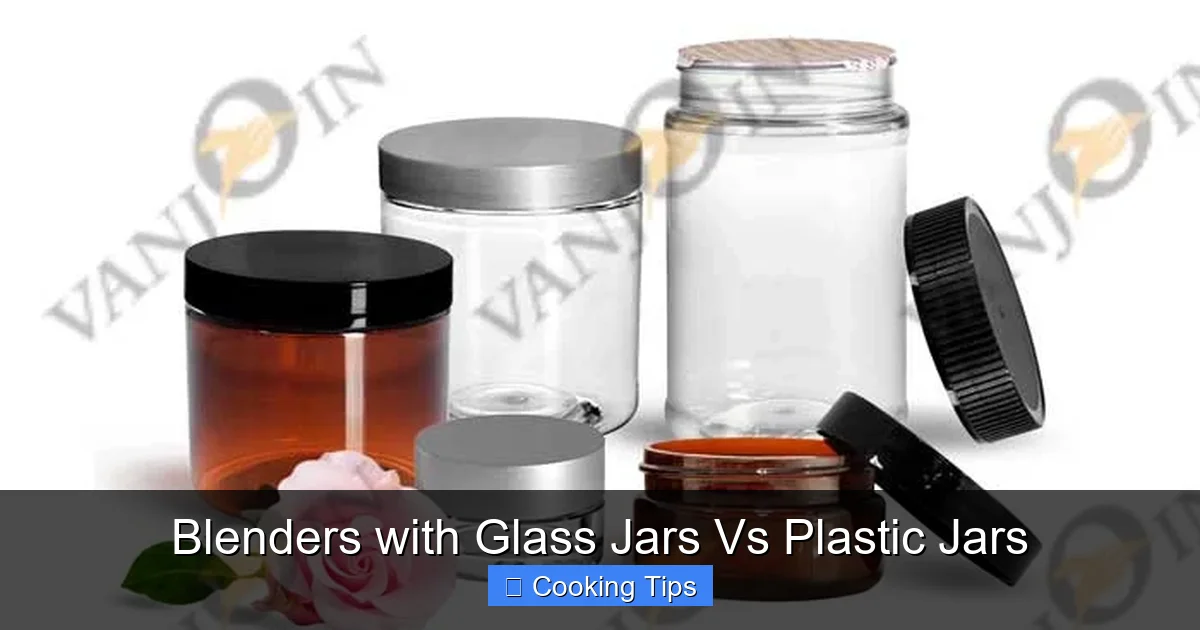
Visual guide about Blenders with Glass Jars Vs Plastic Jars
Image source: shbottles.com
Step 1: Assess Your Blending Habits
Think about what you’ll be blending most often. This is the most critical factor in your decision.
Are you a smoothie devotee?
- If you frequently blend berries, dark leafy greens, or ingredients known for staining, a glass jar will maintain its pristine appearance better.
- If you’re primarily blending lighter-colored fruits or vegetables, or if appearance isn’t a top priority, plastic can work perfectly well.
Do you make hot soups and sauces?
- For blending hot ingredients directly, a high-quality, heat-resistant plastic jar (often labeled as Tritan) or a glass jar (with cooling precautions) can be suitable. Always follow manufacturer guidelines for hot blending to avoid accidents or damage to the jar.
- Glass generally feels safer for very hot liquids to many users due to its inert nature.
Are you sensitive to odors and flavors?
- If you’re concerned about cross-contamination of flavors – for example, between a garlic-heavy dip and a delicate fruit smoothie – glass is the superior choice due to its non-porous nature.
Step 2: Consider Durability and Longevity
How long do you expect your blender to last? Are you prone to accidents?
- For maximum longevity and resistance to wear and tear: Glass is often a better long-term investment, especially if you plan to use your blender daily and want it to look good for years. It won’t scratch or become cloudy with regular use like plastic can.
- For kitchens with young children or a higher risk of accidental drops: Plastic offers greater peace of mind. The impact resistance of plastic means a minor tumble is less likely to result in a broken jar.
Step 3: Evaluate Health and Safety Concerns
Your personal comfort level with materials is a valid consideration.
- For those prioritizing a chemical-free experience: Glass is the clear winner. It’s inert and poses no risk of leaching chemicals into your food, regardless of temperature or acidity.
- For the budget-conscious and generally healthy: Look for BPA-free plastic jars. Many modern plastics are made without BPA and are deemed safe for food contact by regulatory bodies. Tritan plastic, in particular, is a popular choice for its durability and safety profile.
Step 4: Budget and Aesthetics
What’s your budget, and what look do you want for your kitchen?
- Budget-friendly options: Plastic jar blenders are typically more affordable. They are excellent for occasional use or for those just starting out in the kitchen.
- Premium feel and appearance: If you’re looking for a blender that’s as stylish as it is functional, and you don’t mind a higher price point, a glass jar blender often delivers on aesthetics and a robust feel.
- Weight and portability: If you need to move your blender frequently, the lighter weight of plastic is a significant advantage.
Practical Tips for Using and Caring for Your Blender Jar
Regardless of whether you choose glass or plastic, proper care will extend the life and performance of your blender.
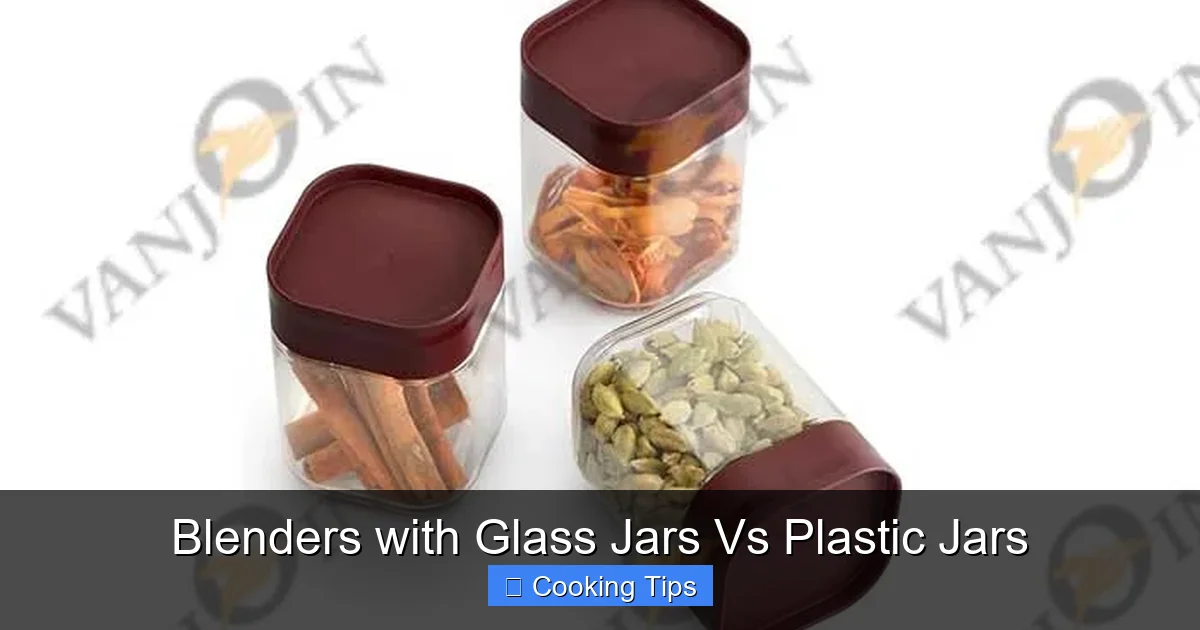
Visual guide about Blenders with Glass Jars Vs Plastic Jars
Image source: shbottles.com
Caring for Glass Jars
- Dishwasher Safe: Most glass jars are dishwasher safe. However, placing them on the top rack away from heating elements is advisable to prevent potential thermal shock or damage to any plastic components.
- Hand Wash for Longevity: For the longest lifespan and to maintain the pristine clarity of the glass, hand washing with warm, soapy water is recommended.
- Avoid Extreme Temperature Changes: Do not pour boiling liquids directly into a cold glass jar, or vice-versa. Allow hot ingredients to cool slightly before blending.
- Gentle Cleaning: While glass is scratch-resistant, avoid using abrasive scrubbers or steel wool, which can dull the surface over time.
Caring for Plastic Jars
- Check Manufacturer Instructions: Always refer to your blender’s manual for specific cleaning recommendations.
- Dishwasher Safety: Many plastic jars are top-rack dishwasher safe. However, repeated high-heat cycles can sometimes degrade plastic over time. Hand washing is often preferred for maintaining clarity and preventing warping.
- Avoid Abrasive Cleaners: Harsh scrubbing pads or abrasive cleaners can scratch the plastic surface.
- Address Stains Promptly: For minor stains, a paste of baking soda and water can often lift them. For tougher stains, a diluted bleach solution might be effective, but always rinse thoroughly afterward.
- Prevent Odor Buildup: After each use, rinse the jar immediately and wash it thoroughly. Leaving residue in the jar can contribute to odor absorption.
Troubleshooting Common Blender Jar Issues
Even with the best care, you might encounter minor issues.
Visual guide about Blenders with Glass Jars Vs Plastic Jars
Image source: shbottles.com
My plastic jar looks cloudy. What happened?
This is often due to micro-scratches that refract light, or prolonged exposure to harsh detergents and high heat in the dishwasher. It can also be a sign that the plastic is starting to degrade. While it may not affect performance significantly, it’s not ideal. Consider hand-washing in the future or exploring a glass-jarred blender.
My glass jar has a small chip. Is it still safe?
It’s generally not recommended to use a glass jar that has a chip or crack, especially if it’s near the rim or base. Even a small imperfection can weaken the glass, making it more susceptible to breaking during blending, which could be a safety hazard.
My blender smells funny even after washing.
This is a classic symptom of odor absorption, most common in plastic jars. Ensure you are washing the jar immediately after use and that no food particles are left behind. For persistent odors, try soaking the jar in a solution of water and vinegar or baking soda for a few hours (check your manual first to ensure compatibility).
Conclusion: Making Your Informed Choice
The debate between blenders with glass jars versus plastic jars isn’t about one material being definitively “better” than the other. Instead, it’s about finding the best fit for your individual needs, priorities, and kitchen habits.
If you prioritize health, longevity, stain and odor resistance, and a premium feel, and you don’t mind the extra weight or potential for breakage, a glass jar blender is likely your best bet. They offer a superior aesthetic and are incredibly easy to keep looking brand new.
On the other hand, if affordability, lightweight design, and impact resistance are more important, and you’re comfortable with the potential for minor staining or odor retention over time (or you commit to diligent cleaning), a plastic jar blender can be an excellent, practical choice. Opting for BPA-free or Tritan plastic further enhances safety.
By carefully considering your typical usage, budget, and personal preferences, you can confidently select the blender jar material that will serve you well for countless delicious creations. Happy blending in 2026!
