

Wondering if you can put your air fryer parts in the dishwasher? This guide provides a definitive answer, explaining which components are generally safe and which require hand-washing. We’ll walk you through the process of determining dishwasher safety, offer practical cleaning tips, and address common concerns to ensure your air fryer remains in top condition for delicious, crispy meals. Proper cleaning is key to air fryer longevity and performance.
Can You Put Air Fryer Parts in the Dishwasher?
Air fryers have revolutionized home cooking, offering a healthier and quicker way to achieve that satisfying crispness we all love. From crispy fries to perfectly roasted vegetables, this versatile appliance makes meal prep a breeze. But as with any kitchen gadget, keeping it clean is essential for optimal performance and longevity. One of the most common questions that pops up is: “Can you put air fryer parts in the dishwasher?”
The answer, as with many things in life, is not a simple yes or no. It largely depends on the specific parts of your air fryer and the materials they are made from. This comprehensive guide will help you navigate the world of air fryer cleaning, empowering you to make informed decisions about how to best care for your appliance.
By the end of this guide, you’ll understand:
- How to determine if your air fryer parts are dishwasher safe.
- Which parts are generally safe for the dishwasher and which are not.
- Step-by-step instructions for safely washing your air fryer parts.
- Tips for hand-washing when the dishwasher isn’t an option.
- Troubleshooting common cleaning issues.
Key Takeaways
- Not all air fryer parts are dishwasher safe. The material and coating of each component determine its suitability for the dishwasher.
- Always check your air fryer’s manual. This is the most reliable source for specific cleaning instructions for your model.
- Non-stick coatings can be damaged by harsh dishwasher detergents and high heat. This can lead to food sticking and reduced performance.
- Components with heating elements or electronic parts should never be submerged. Hand-washing is the only safe method for these.
- Most baskets, trays, and pans with removable, non-stick surfaces can be dishwasher safe. Verify the manual and inspect the coating.
- Hand-washing is often the safest and gentlest method for extending the life of your air fryer parts.
- Proper drying is crucial to prevent rust and water spots, regardless of whether you hand-wash or use the dishwasher.
Understanding Air Fryer Parts and Dishwasher Safety
The key to determining dishwasher safety lies in the materials and finishes of your air fryer’s components. Most air fryers consist of a main unit housing the heating element and controls, and removable parts like the basket, crisper plate, and drip tray.
The Main Unit
First and foremost, the main unit of your air fryer, the part that plugs into the wall and contains all the electronics and heating elements, should never be submerged in water or placed in the dishwasher. This can cause irreparable damage to the appliance.
Removable Parts: The Dishwasher Debate
The removable parts are where the dishwasher debate truly lies. These typically include:
- The Basket: This is where your food sits during the air frying process.
- The Crisper Plate/Tray: This perforated or raised plate sits inside the basket, allowing air to circulate.
- The Drip Tray/Pan: This sits below the basket to catch any grease or drippings.
For these parts, the primary concern is the non-stick coating. Most modern air fryer baskets and trays are coated with a non-stick material to prevent food from adhering and to facilitate easy cleaning. While many manufacturers claim these parts are “dishwasher safe,” there are nuances to consider.
How to Determine if Your Air Fryer Parts are Dishwasher Safe
Before you toss your air fryer basket into the dishwasher with reckless abandon, take a moment to do a little detective work. The most reliable information will always come directly from the source.
Visual guide about Can You Put Air Fryer Parts in the Dishwasher
Image source: howdykitchen.com
1. Consult Your User Manual
This is your golden ticket to air fryer cleaning! Your air fryer’s user manual will explicitly state which parts, if any, are safe to put in the dishwasher. Manufacturers are legally obligated to provide accurate cleaning instructions. Look for sections titled “Cleaning and Maintenance,” “Care Instructions,” or similar. If the manual says a part is dishwasher safe, you can generally proceed with confidence.
2. Inspect the Parts Themselves
Many air fryer parts will have symbols or text directly on them indicating dishwasher safety. Look for icons that resemble dishes with water droplets, or the words “dishwasher safe.”
3. Consider the Material and Coating
If your manual is missing or unclear, use your best judgment based on the materials:
- Stainless Steel: Generally dishwasher safe, but high-heat cycles can sometimes cause discoloration.
- Ceramic: Can be dishwasher safe, but delicate ceramic coatings might chip or crack over time in a dishwasher.
- Non-stick Coatings (PTFE/Teflon, Ceramic-based): This is the most critical area. While some are designed for the dishwasher, harsh detergents and prolonged exposure to high heat can degrade these coatings. This degradation can lead to food sticking, reduced cooking performance, and potential health concerns if the coating flakes off.
When Can You Put Air Fryer Parts in the Dishwasher?
Generally, if your user manual explicitly states that a removable part is dishwasher safe, and you observe no signs of wear or damage to its coating, you can place it in the dishwasher.
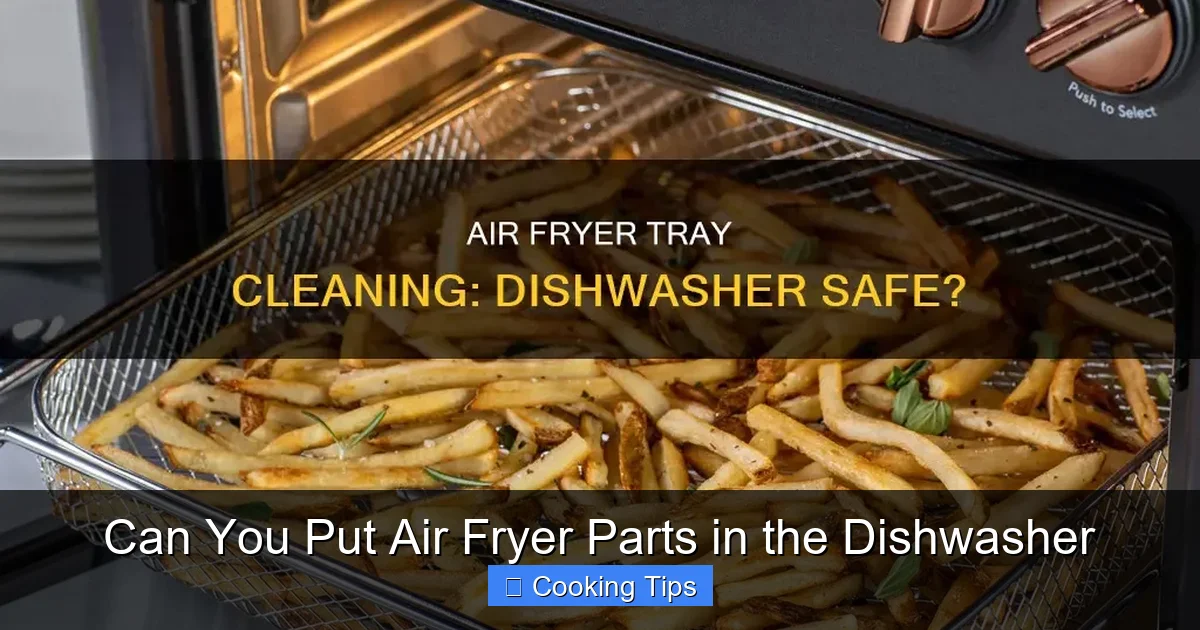
Visual guide about Can You Put Air Fryer Parts in the Dishwasher
Image source: cycookery.com
Dishwasher-Safe Components:
- Baskets and Trays with Durable Non-stick Coatings: Many modern air fryers are equipped with high-quality, dishwasher-safe non-stick coatings.
- Stainless Steel Accessories: If your air fryer came with stainless steel baskets or trays, these are almost always safe for the dishwasher.
Best Practices for Dishwasher Cleaning:
Even if a part is deemed dishwasher safe, using the right settings can prolong its life.
- Use a Gentle Cycle: Avoid the heavy-duty or sanitize cycles, as these use higher heat and more aggressive detergents.
- Opt for Mild Detergents: Harsh chemicals can be tough on non-stick surfaces.
- Place Parts on the Top Rack: This is generally a safer place for non-stick items, as it’s further from the heating element at the bottom of most dishwashers.
- Avoid Overcrowding: Give your air fryer parts enough space to be thoroughly cleaned by the water jets.
When Should You Hand-Wash Your Air Fryer Parts?
There are several instances where hand-washing is the better, or even the only, option.
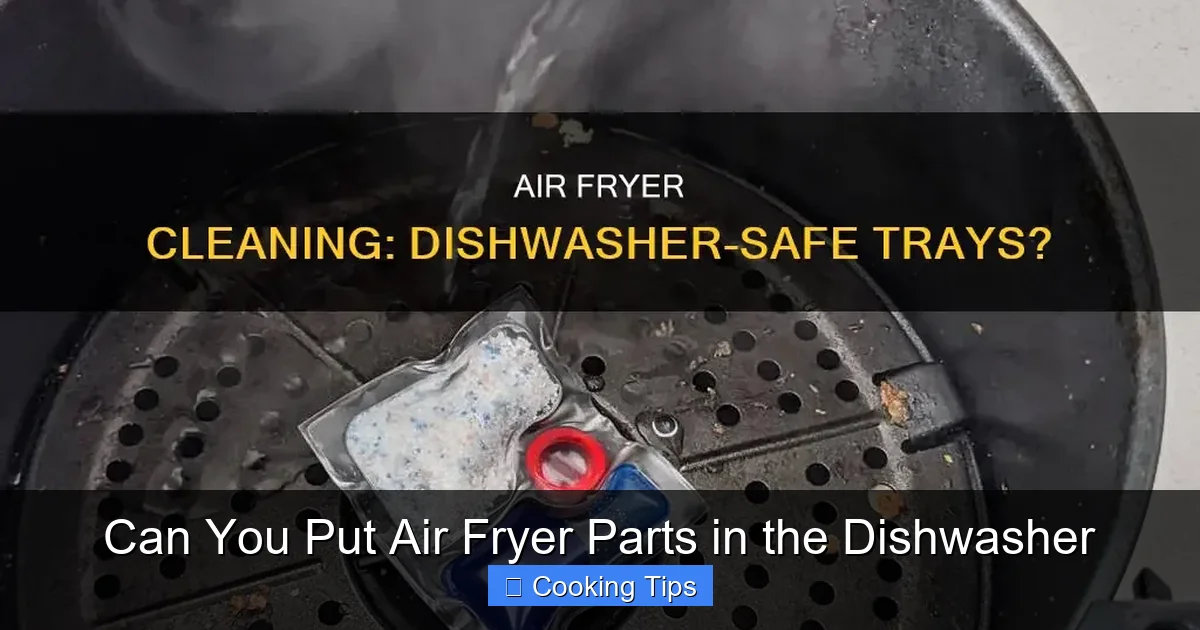
Visual guide about Can You Put Air Fryer Parts in the Dishwasher
Image source: cycookery.com
Components That Should ALWAYS Be Hand-Washed:
- The Main Unit: As mentioned, never submerge or dishwasher this.
- Parts with Delicate Coatings: If you have any doubt about the durability of a non-stick or ceramic coating, or if you notice any chips, scratches, or peeling, it’s best to hand-wash to prevent further damage.
- Parts with Electronic Components: Some specialized air fryers might have removable parts with integrated electronics. These are strictly for hand-washing.
- Older Models: Older air fryers may have less robust non-stick coatings that are not designed for the stresses of a dishwasher.
- When in Doubt: If your manual is unclear and you’re unsure, err on the side of caution and hand-wash.
How to Hand-Wash Your Air Fryer Parts
Hand-washing is a simple and effective way to clean your air fryer parts, and it’s often the recommended method for preserving their longevity.
Step-by-Step Hand-Washing Guide:
- Allow to Cool: Always let your air fryer parts cool down completely after use before attempting to clean them.
- Gather Your Supplies: You’ll need warm water, mild dish soap, and a soft sponge or cloth. Avoid abrasive scrubbers, steel wool, or harsh brushes, as these can scratch and damage non-stick coatings.
- Pre-Soak if Necessary: For stubborn, baked-on food particles, fill your sink or a basin with warm, soapy water and let the parts soak for 10-20 minutes.
- Scrub Gently: Using your soft sponge or cloth and a bit of dish soap, gently scrub away any food residue. Pay attention to any nooks and crannies.
- Rinse Thoroughly: Rinse all parts under warm running water until all soap residue is gone.
- Dry Completely: This is a crucial step. Use a clean, soft towel to dry all parts thoroughly. You can also let them air dry completely before reassembling or storing. Ensuring they are dry helps prevent rust and water spots.
Troubleshooting Common Cleaning Issues
Even with careful cleaning, you might encounter some common challenges.
Stubborn Food Residue
Problem: Food is stuck to the basket or tray and won’t come off with gentle washing.
Solution: Try the pre-soak method described above for a longer duration (up to an hour). If that doesn’t work, you can make a paste of baking soda and water, apply it to the affected areas, let it sit for 30 minutes, and then gently scrub. Baking soda is a mild abrasive that can help lift tough residue without damaging most coatings.
Grease Buildup
Problem: Persistent grease is clinging to the parts.
Solution: After washing with warm, soapy water, you can use a degreaser designed for kitchen use (ensure it’s safe for non-stick surfaces). Alternatively, a mixture of vinegar and water (50/50) can be effective at breaking down grease. Rinse very well afterward.
Discoloration
Problem: Parts appear discolored, especially after dishwasher use.
Solution: Some minor discoloration, especially on aluminum or certain non-stick coatings, can occur due to high heat or certain detergents. It’s usually cosmetic and doesn’t affect performance. You can try a mild oven cleaner (used sparingly and with good ventilation, followed by thorough rinsing) or a vinegar solution, but be cautious with aggressive methods that could damage the coating.
Damaged Non-Stick Coating
Problem: The non-stick coating is peeling, flaking, or scratched.
Solution: If your non-stick coating is damaged, it’s time to consider replacement. A compromised coating can release particles into your food and will no longer provide the non-stick benefits. Check with the manufacturer for replacement parts. In the meantime, it’s safest to hand-wash these parts very gently and consider phasing them out of use.
Conclusion
So, can you put air fryer parts in the dishwasher? The answer is a nuanced “it depends.” Always, always consult your user manual first. Most removable baskets, crisper plates, and drip trays with durable, high-quality non-stick coatings are designed to withstand the dishwasher. However, to ensure the longest lifespan for your air fryer and to maintain its best performance, hand-washing is often the safest and most recommended method.
By understanding the materials of your air fryer parts and following proper cleaning guidelines, whether you choose the dishwasher or hand-washing, you’ll keep your appliance in pristine condition. This means more delicious, crispy meals for you and your family, and a longer-lasting, efficient kitchen companion.
