

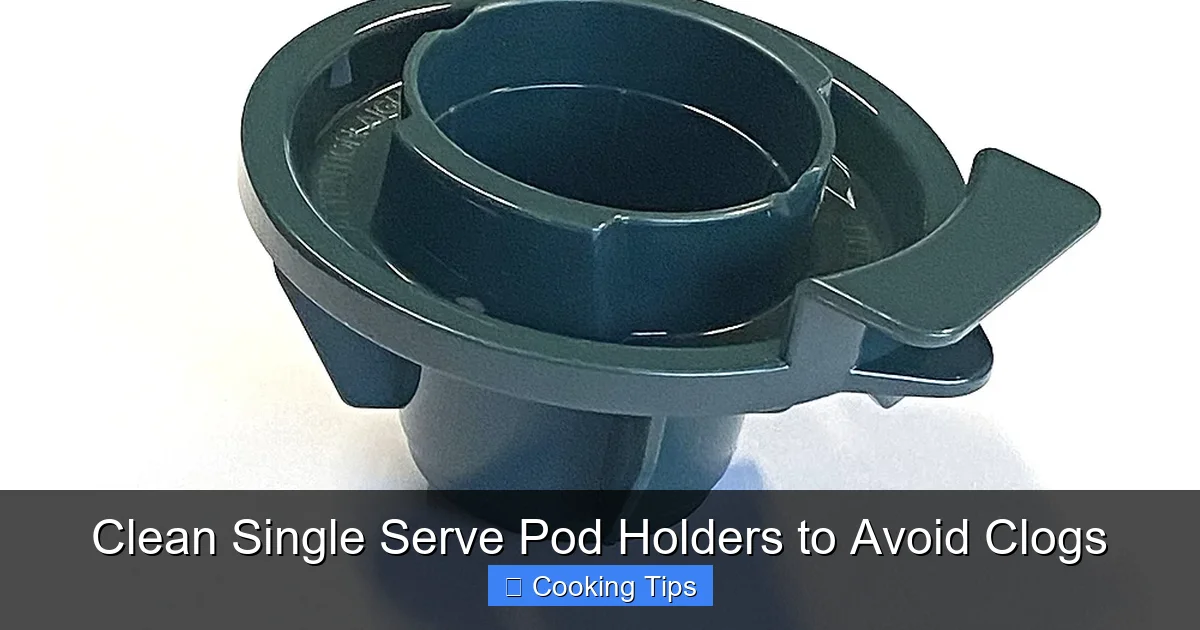
Regular cleaning of your single-serve pod holder is crucial to prevent frustrating clogs and ensure optimal brewing. This guide offers a comprehensive, step-by-step approach to keeping your coffee maker running smoothly, from daily rinses to deeper descaling. Follow these easy tips to enjoy delicious, clog-free coffee every morning.
Clean Single Serve Pod Holders to Avoid Clogs
Ah, the convenience of single-serve coffee. In just a minute or two, you can have a delicious, steaming cup of your favorite brew. But what happens when that precious morning ritual is interrupted by a sputtering, clogged coffee maker? The culprit is often a neglected pod holder. Over time, coffee grounds and mineral deposits can build up, leading to frustrating clogs and affecting the taste of your coffee. In this comprehensive guide, we’ll walk you through everything you need to know to keep your single-serve pod holder sparkling clean and your coffee flowing freely.
By the end of this guide, you’ll understand why cleaning is so important, how to perform daily maintenance, tackle more stubborn clogs, and even how to descale your machine for the best possible coffee experience. Say goodbye to coffee maker woes and hello to consistently delicious cups!
Key Takeaways
- Regular Cleaning Prevents Clogs: Daily rinsing and occasional deeper cleaning are essential to remove coffee grounds and mineral buildup that cause blockages.
- Daily Maintenance is Key: A quick rinse after each use significantly reduces the accumulation of coffee residue, a primary culprit for clogs.
- Deeper Cleaning for Stubborn Buildup: Periodically disassembling and cleaning the pod holder with mild soap and water tackles tougher grime and mineral deposits.
- Descaling is Crucial for Internal Components: Mineral deposits from water can clog the brewer’s internal needles and pathways, requiring regular descaling.
- Use the Right Tools and Solutions: Employ soft brushes, cloths, and appropriate descaling solutions to clean effectively without damaging your machine.
- Manufacturer Instructions Matter: Always refer to your specific brewer’s manual for recommended cleaning procedures and approved cleaning agents.
Why Cleaning Your Pod Holder Matters
It might seem like a small part of your coffee machine, but the pod holder is where the magic (and the potential mess) happens. When you brew, hot water is forced through the coffee grounds inside the pod, extracting all that wonderful flavor. However, fine coffee grounds can escape the pod’s filter, and these tiny particles, along with mineral deposits from your water, can start to accumulate.
This buildup acts like a slow-moving traffic jam for your coffee. Initially, you might notice a weaker brew or a slower dispensing time. If left unchecked, these clogs can become severe, leading to:
- Incomplete Brewing: Not enough water passes through the pod, resulting in weak, watery coffee.
- Overflows: Pressure can build up, causing water to spill out of the pod holder or around the machine.
- Damage to Your Machine: Persistent clogs can put a strain on the brewer’s pump and other internal components, potentially leading to costly repairs.
- Unpleasant Taste: Stale coffee grounds and mineral residue can impart a bitter or off-flavor to your coffee.
Regular cleaning is the simplest and most effective way to prevent these issues and ensure your single-serve coffee maker performs at its best, delivering that perfect cup every time. Think of it as preventative maintenance for your morning happiness!
Daily Cleaning: Your First Line of Defense
The most effective way to avoid clogs is through consistent, daily maintenance. This doesn’t take much time but makes a world of difference.

Visual guide about Clean Single Serve Pod Holders to Avoid Clogs
Image source: i5.walmartimages.com
Rinse After Each Use
As soon as you’re done with your coffee, and the machine has cooled slightly, remove the used pod. Most single-serve machines have a removable pod holder or a place where the pod rests. Take this part and give it a quick rinse under warm running water. This simple step washes away most of the loose coffee grounds before they have a chance to dry and stick.
Wipe Down the Pod Holder Area
While you’re at it, take a damp cloth or paper towel and wipe down the area where the pod holder sits. This can catch any stray grounds or drips that might have escaped. This quick clean-up takes less than a minute and is incredibly effective.
Weekly Cleaning: A Deeper Dive
Once a week, it’s a good idea to go a little deeper than just a quick rinse. This helps tackle any buildup that daily rinsing might miss.
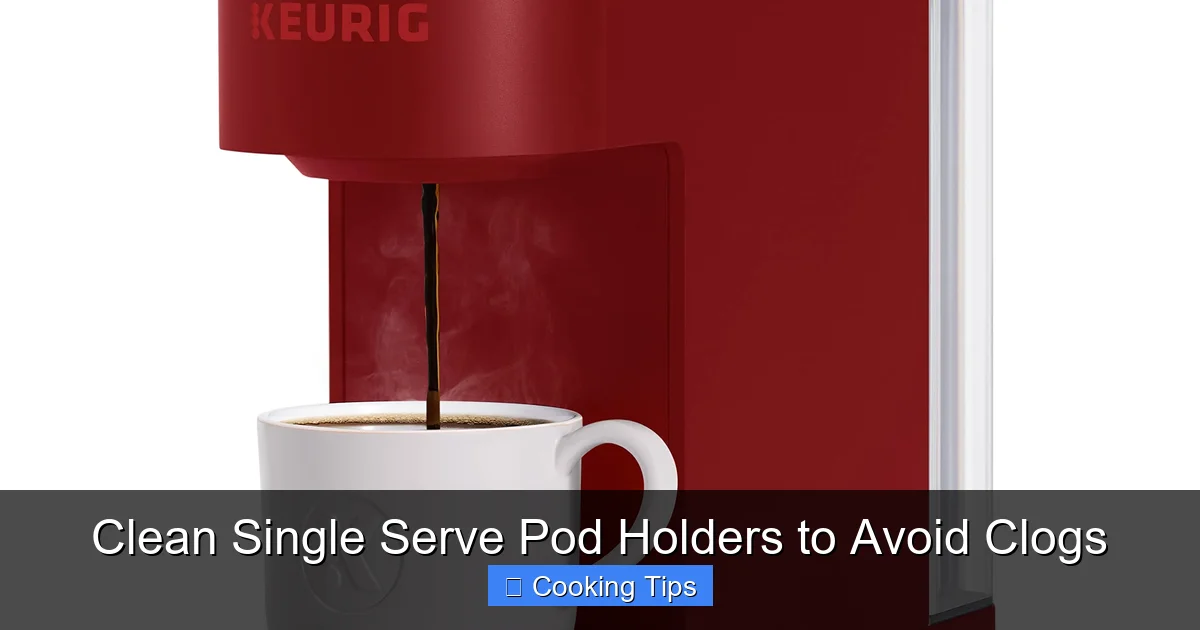
Visual guide about Clean Single Serve Pod Holders to Avoid Clogs
Image source: m.media-amazon.com
Remove and Wash the Pod Holder
Most pod holders are designed to be fully removed from the machine. Consult your coffee maker’s manual if you’re unsure how to do this. Once removed:
- Wash with Warm, Soapy Water: Use a mild dish soap and warm water. You can use a soft sponge or cloth to gently scrub away any residue.
- Use a Small Brush for Crevices: For those hard-to-reach areas, like the inside edges or any perforations in the holder, a small, soft-bristled brush (like an old toothbrush or a specialized cleaning brush) can be very helpful.
- Rinse Thoroughly: Make sure to rinse away all soap residue.
- Allow to Air Dry: Let the pod holder air dry completely before reinserting it into the machine. This prevents moisture from contributing to mold or mildew.
Clean the Drip Tray
While you have the pod holder out, don’t forget the drip tray. This can also accumulate coffee drips and grounds. Wash it with warm, soapy water and dry it thoroughly.
Monthly Cleaning: Tackling Stubborn Buildup and Descaling
Even with regular cleaning, mineral deposits from your water can build up inside the machine. This is known as descaling and is crucial for maintaining your brewer’s performance and longevity.
Visual guide about Clean Single Serve Pod Holders to Avoid Clogs
Image source: ukconstructionblog.co.uk
Understanding Descaling
Minerals like calcium and magnesium are present in tap water. When water is heated and used for brewing, these minerals can precipitate out and form a hard scale on the internal components of your coffee maker, including the heating element, water lines, and the brewing needles that pierce the pod.
This scale can:
- Reduce the water temperature, affecting coffee flavor.
- Slow down water flow, leading to clogs.
- Damage heating elements.
- Cause noise from the machine.
How to Descale Your Single-Serve Brewer
The process for descaling can vary slightly between different brands and models, so always consult your manufacturer’s manual first. However, the general steps are as follows:
Step 1: Prepare Your Descaling Solution
You have a couple of options:
- Commercial Descaling Solution: These are specifically formulated for coffee makers and are readily available in supermarkets and online. Follow the package instructions for dilution.
- White Vinegar: A common and effective household descaler. Mix equal parts white vinegar and water. Some people prefer to use a stronger ratio if their machine is heavily scaled, but start with 1:1.
Important Note: While vinegar is effective, some manufacturers advise against it as it can leave a slight odor or taste if not rinsed thoroughly. If your manual specifically recommends against vinegar, opt for a commercial descaler.
Step 2: Run the Descaling Cycle
Most single-serve coffee makers have a specific descaling mode or cycle. If yours doesn’t, you’ll manually run the solution through the machine.
- Fill the water reservoir with your chosen descaling solution.
- Place a large mug or container on the drip tray to catch the solution.
- Start the brewing cycle. If you have a descaling mode, activate it according to your manual. If not, simply run a brew cycle as you normally would, but without a coffee pod inserted.
- Discard the solution from the mug and rinse the mug.
- Repeat the brew cycle with the descaling solution until the reservoir is empty.
During this process, you might notice that the machine brews slower or splutters more as the solution works to break down the scale.
Step 3: Rinse Thoroughly
This is a critical step to ensure no descaling solution residue remains in your machine, which could affect the taste of your coffee.
- Empty and rinse the water reservoir thoroughly.
- Fill the reservoir with fresh, clean water.
- Run multiple brew cycles (at least 2-3) with just fresh water, discarding the water after each cycle. This flushes out any remaining vinegar or descaling solution.
You can often tell when your machine is fully rinsed when no lingering odors or tastes are detected from the water. Again, your manual will provide specific recommendations for rinsing.
Troubleshooting Common Pod Holder Clogs
Sometimes, despite your best efforts, a clog can still occur. Here’s how to address common issues:
Minor Clogs (Slow Drip, Weak Coffee)
This is often due to a slight blockage in the brewing needles or the pod holder itself.
- Check for lodged grounds: Remove the pod holder and inspect it for any visible coffee grounds stuck in the perforations or around the seals. Use a small brush or a toothpick to gently dislodge them.
- Run a hot water cycle: Sometimes, running a brew cycle with just hot water can flush out minor obstructions.
- Try a descaling solution: If you suspect mineral buildup is the cause, running a descaling cycle (as described above) can help clear the pathways.
Major Clogs (No Water Flow, Machine Sounds Unusual)
If no water is coming out, or the machine is making loud, straining noises, you might have a more significant clog.
- Turn off and unplug the machine: Safety first!
- Inspect the piercing needles: Many machines have needles that pierce the top and bottom of the coffee pod. These can become clogged with coffee grounds. Carefully try to dislodge any visible debris with a toothpick or a small, firm brush. Be gentle to avoid damaging the needles.
- Check the pod holder for blockages: Ensure no grounds are preventing the pod from sitting correctly or blocking water flow.
- Run a descaling cycle: A severe mineral clog might require a more thorough descaling. You might need to run the descaling solution through multiple times or use a stronger concentration (if recommended by the manufacturer).
- Consult your manual or customer support: If you’ve tried these steps and are still experiencing issues, it’s best to refer to your coffee maker’s manual for model-specific troubleshooting or contact the manufacturer’s customer support. There might be an internal blockage that requires professional attention.
Conclusion
Keeping your single-serve pod holder clean is a simple yet vital step to ensuring delicious, clog-free coffee every day. By incorporating daily rinses, weekly washes, and monthly descaling into your routine, you’ll not only prevent frustrating clogs but also extend the life of your beloved coffee maker and improve the taste of every cup. Remember to always consult your machine’s manual for specific cleaning instructions and approved cleaning agents. So, go ahead, embrace these easy tips, and enjoy the perfect brew, every single time!
