

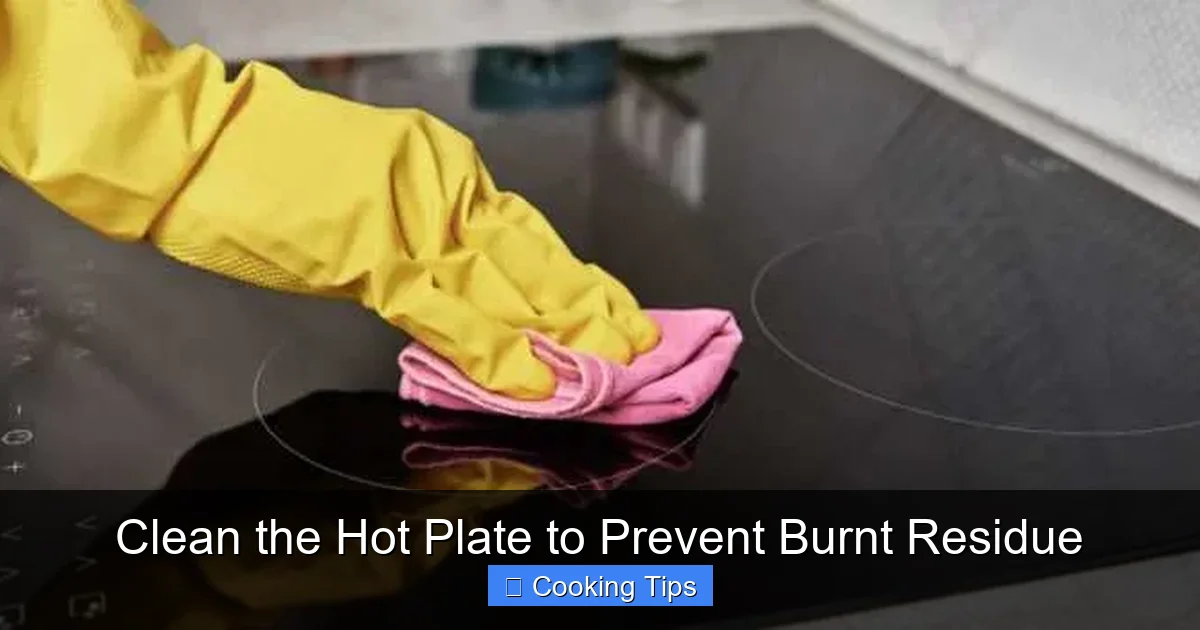
Keep your hot plate in top condition with this easy guide. Learn how to effectively clean burnt residue, ensuring even cooking and prolonging your appliance’s life. We’ll cover simple, everyday cleaning and tackle stubborn, caked-on messes to keep your culinary creations perfect.
Welcome, home chefs and culinary enthusiasts of 2026! In today’s fast-paced world, a reliable hot plate is a kitchen essential, whether it’s your primary cooking surface or a convenient secondary option. But, as we all know, the magic of cooking can sometimes leave behind a not-so-magical mess: burnt residue. This sticky, black gunk isn’t just unsightly; it can affect your hot plate’s performance, lead to uneven heating, and even create unpleasant odors. Don’t let burnt residue win! This comprehensive guide will walk you through everything you need to know to keep your hot plate sparkling clean and functioning at its best. We’ll cover simple, everyday maintenance and dive into effective methods for tackling even the most stubborn, baked-on messes. Get ready to say goodbye to burnt residue and hello to consistently perfect meals!
Key Takeaways
- Regular Wiping is Key: Wipe down your hot plate after each use while it’s still warm to prevent food from hardening into stubborn residue.
- Gentle Cleaning Agents are Best: For light residue, a damp cloth and mild dish soap are usually sufficient. Avoid abrasive cleaners that can damage the surface.
- Baking Soda for Tough Stains: A paste of baking soda and water is an effective, non-toxic solution for lifting more stubborn, burnt-on food.
- Vinegar for Dissolving: White vinegar can help loosen and dissolve baked-on grease and grime due to its acidic properties.
- Specialized Cleaners for Extreme Cases: For very old or deeply embedded burnt residue, consider using a cleaner specifically designed for ceramic or glass cooktops, following instructions carefully.
- Proper Tools Matter: Use soft cloths, sponges, and non-abrasive scrubbers to clean your hot plate without scratching the surface.
- Safety First: Always ensure the hot plate is completely cool before cleaning to avoid burns.
Understanding Burnt Residue on Your Hot Plate
Before we get into the nitty-gritty of cleaning, let’s quickly understand what burnt residue is. Essentially, it’s food particles, grease, or spills that have been exposed to high heat for too long and have carbonized, sticking firmly to the hot plate’s surface. This can happen from overflowing pots, splatters during cooking, or even residue left from previous cooking sessions. The longer this residue sits and is subjected to heat, the harder and more difficult it becomes to remove. Regular cleaning is your best defense against this culinary foe.
The Importance of Regular Cleaning
Think of cleaning your hot plate regularly as preventative maintenance for your cooking appliance. A clean hot plate:
- Ensures Even Heating: Burnt residue can create hot spots and cold spots on your hot plate, leading to unevenly cooked food.
- Prevents Odors: Lingering food particles can burn and produce unpleasant smells that can transfer to your food.
- Prolongs Appliance Life: Regular cleaning prevents the buildup of grime that can eventually damage the heating elements or surface.
- Maintains Aesthetics: A clean appliance simply looks better and makes your kitchen feel more inviting.
- Improves Safety: Excessive buildup can sometimes pose a minor fire hazard, especially with grease.
Step-by-Step Guide to Cleaning Your Hot Plate
Let’s get down to business! We’ll start with everyday cleaning and then move on to tackling those tougher spots.
Step 1: Safety First – Cool Down Your Hot Plate
This is the most crucial first step. Never attempt to clean a hot or warm hot plate. The heat can cause severe burns.
Allow for Complete Cooling
Wait until the hot plate is completely cool to the touch. This might take anywhere from 15 to 30 minutes, depending on the model and how long it was in use. You can usually tell it’s cool when the indicator light (if it has one) is off and the surface no longer feels warm.
Step 2: Everyday Cleaning – The Post-Cooking Wipe-Down
This is your first line of defense against burnt residue. Making this a habit will save you a lot of scrubbing later.
Gather Your Supplies
You’ll need:
- A soft, damp cloth
- A dry, soft cloth
- A small amount of mild dish soap (optional)
The Cleaning Process
While the hot plate is still slightly warm (but not hot): This is the ideal time to tackle minor splatters and spills.
Visual guide about Clean the Hot Plate to Prevent Burnt Residue
Image source: cycookery.com
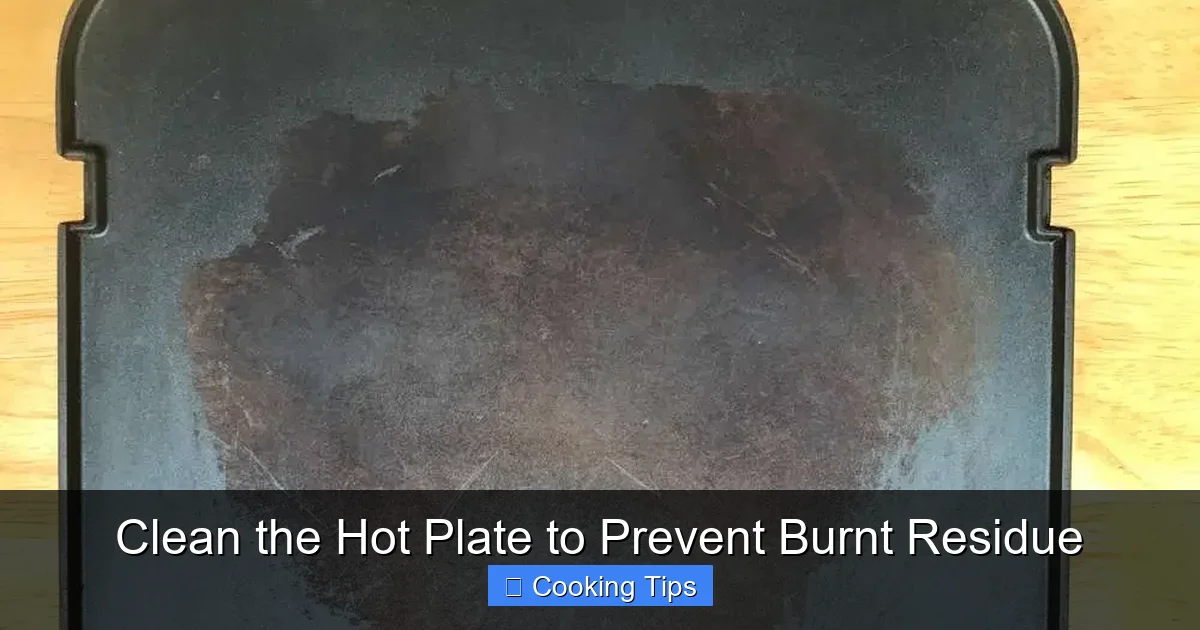
Visual guide about Clean the Hot Plate to Prevent Burnt Residue
Image source: i0.wp.com
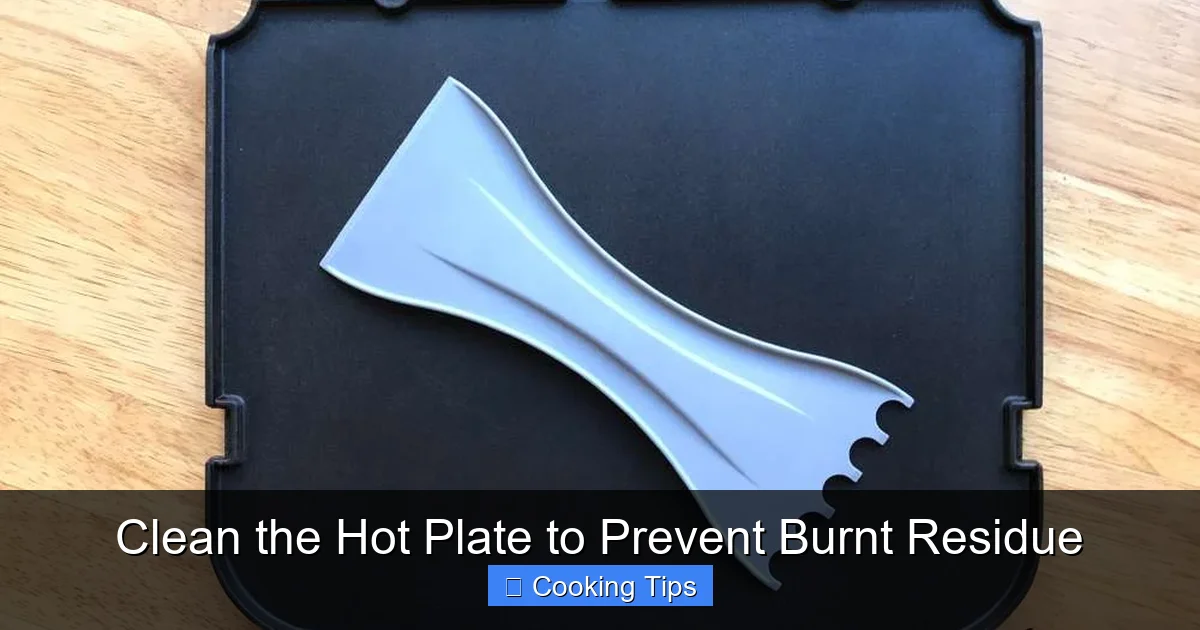
Visual guide about Clean the Hot Plate to Prevent Burnt Residue
Image source: gaildamerow.com
Wipe gently: Use your damp cloth to wipe away any fresh spills or splatters. If there’s a bit of grease, you can add a tiny drop of mild dish soap to the damp cloth. Be careful not to oversaturate the cloth, especially around any electrical components.
Rinse and Dry: If you used soap, wipe the area again with a clean, damp cloth to remove any soap residue. Then, use a dry, soft cloth to buff the surface dry and prevent water spots.
For Completely Cool Hot Plates: If you missed it while warm, or if it’s just light dust, a dry soft cloth is usually enough. For slightly more stubborn, dry residue, a slightly damp cloth can be used, followed by drying.
Step 3: Tackling Light Burnt Residue
If you’ve missed a few meals and notice some light, stuck-on bits, don’t despair. These methods will help lift them.
Gather Your Supplies
You’ll need:
- Baking soda
- Water
- A non-abrasive sponge or cloth
- A soft, damp cloth
- A dry, soft cloth
The Baking Soda Paste Method
Create a paste: In a small bowl, mix baking soda with a little bit of water to form a thick paste, similar to toothpaste consistency. Baking soda is a mild abrasive and a natural deodorizer, making it perfect for this task.
Apply the paste: Apply the baking soda paste directly to the areas with burnt residue. Let it sit for about 15-30 minutes. This gives the baking soda time to work on loosening the burnt-on food.
Gentle scrubbing: Use a damp, non-abrasive sponge or cloth to gently scrub the affected areas. You should feel the residue starting to lift. Avoid using steel wool or harsh scrubbers, as they can scratch the hot plate’s surface.
Wipe clean: Use a clean, damp cloth to wipe away the baking soda paste and loosened residue. Make sure to get all the paste off.
Dry and polish: Finish by drying the hot plate thoroughly with a clean, soft cloth.
Step 4: Dealing with Stubborn, Caked-On Burnt Residue
For those really tough, baked-on messes that baking soda alone can’t conquer, we have a couple of more potent, yet still safe, solutions.
Method 1: The Vinegar Solution
White vinegar is a fantastic natural cleaner due to its acidity, which helps to break down grease and burnt-on food.
Gather Your Supplies
You’ll need:
- White vinegar
- A spray bottle (optional)
- A soft cloth or sponge
- A non-abrasive scrubber (like a nylon brush or soft scrub pad)
- Water
- A dry, soft cloth
The Cleaning Process
Apply vinegar: You can either spray white vinegar directly onto the burnt residue or soak a cloth in vinegar and place it over the stained area. Let it sit for at least 30 minutes, or even longer for very stubborn stains.
Scrub gently: Use a non-abrasive scrubber to gently work at the loosened residue. You should notice it becoming easier to lift. If it’s still tough, you can reapply vinegar and let it sit longer.
Wipe and rinse: Wipe the area clean with a damp cloth. If you detect a strong vinegar smell, you can then wipe it down with a cloth lightly dampened with water and a tiny bit of dish soap, followed by a clean water rinse.
Dry thoroughly: Ensure the hot plate is completely dry with a soft cloth.
Method 2: Specialized Cooktop Cleaners (Use with Caution)
If your hot plate is made of glass or ceramic, and the above methods haven’t fully worked, you might consider a specialized cooktop cleaner. These are formulated to be effective on tough stains without damaging the surface.
Gather Your Supplies
You’ll need:
- A specialized ceramic or glass cooktop cleaner
- A soft cloth or sponge
- A razor scraper (specifically designed for cooktops, if recommended by the cleaner’s instructions for very tough spots)
- A clean, damp cloth
- A dry, soft cloth
The Cleaning Process
Read instructions carefully: Always follow the manufacturer’s instructions for the cleaner precisely. Different products have different application methods and dwell times.
Apply the cleaner: Apply a small amount of the cleaner to the cool hot plate surface.
Allow dwell time: Let the cleaner sit for the recommended period.
Scrape (if necessary): For extremely hardened residue on glass or ceramic surfaces, a cooktop-specific razor scraper might be recommended. Hold it at a shallow angle (around 30-45 degrees) and gently scrape away the residue. Be extremely careful not to scratch the surface.
Wipe and polish: Wipe away the cleaner and residue with a damp cloth. Buff the surface dry with a clean, soft cloth for a streak-free shine.
Troubleshooting Common Hot Plate Cleaning Issues
Even with the best intentions, you might encounter a few snags. Here are some common problems and solutions:
Issue: Scratching the Surface
Problem: You accidentally used an abrasive scrubber or too much force, and now there are visible scratches.
Solution: Unfortunately, scratches are usually permanent. The best approach is prevention: always use soft cloths, non-abrasive sponges, and gentle motions. For minor surface scuffs, some specialized cooktop polishes might help to minimize their appearance, but deep scratches cannot be removed.
Issue: Persistent Odors
Problem: Even after cleaning, there’s a lingering burnt smell.
Solution: Ensure you’ve removed ALL residue. Sometimes, small particles can hide in crevices. Try running the hot plate on a low setting for a few minutes with a bowl of water and a few drops of vanilla extract or lemon juice nearby to help neutralize any remaining odors.
Issue: Stains Won’t Budge
Problem: You’ve tried multiple methods, and the stains are still there.
Solution: For very old or deeply ingrained stains on certain types of hot plates (like older cast iron models), some discoloration might be permanent. Focus on preventing future buildup and maintaining the appliance’s functionality. For modern glass/ceramic tops, repeat the vinegar or specialized cleaner process, perhaps allowing longer dwell times.
Conclusion: A Clean Hot Plate for Delicious Meals
Keeping your hot plate clean is an essential part of good kitchen hygiene and ensures you get the best performance from your appliance. By incorporating regular wiping into your routine and knowing how to tackle tougher messes with simple, effective solutions like baking soda and vinegar, you can prevent burnt residue from becoming a major problem. Remember, safety first – always let your hot plate cool completely before cleaning. With a little effort, your hot plate will remain a reliable and efficient tool for creating delicious meals for years to come. Happy cooking!
