
Don’t let old coffee oils and residue ruin your morning cup! This guide provides a comprehensive how-to for cleaning reusable coffee filters to ensure the freshest, most flavorful brews. By following these simple steps, you’ll restore lost flavor and extend the life of your filter, making every sip a delight.
- Deep Cleaning Regularly: Consistent, thorough cleaning is crucial to prevent the buildup of coffee oils and fine grounds that degrade flavor.
- Hot Water Rinse is Essential: Always start and finish cleaning with a thorough rinse using hot water to flush out loose debris and oils.
- Vinegar Soak for Stubborn Buildup: White vinegar is an effective, natural solvent for breaking down stubborn coffee oil residue and mineral deposits.
- Gentle Scrubbing is Key: Use soft brushes or cloths to clean filters, avoiding abrasive materials that can damage the filter mesh.
- Proper Drying Prevents Mold: Ensure filters are completely dry before storing to prevent the growth of mold and mildew, which can impact taste and hygiene.
- Material-Specific Care: Understand that different filter materials (metal, cloth, paper) may require slightly different cleaning approaches.
Brewing the Perfect Cup: The Vital Role of a Clean Reusable Filter
In the year 2026, sustainability and quality are more important than ever, especially in our kitchens. For coffee lovers who have embraced reusable coffee filters, the journey to a perfect cup is an ongoing one. While the convenience and eco-friendliness are undeniable, neglecting the upkeep of these filters can lead to a significant decline in brew quality. Old coffee oils and trapped grounds can turn a once-delicious brew into a bitter, stale disappointment.
This guide is your comprehensive resource for mastering the art of cleaning reusable coffee filters. We’ll walk you through the essential steps to effectively remove coffee residue, eliminate unwanted odors, and ultimately, restore your filter to its former glory. By the end of this guide, you’ll be equipped with the knowledge and techniques to ensure every cup of coffee you brew is as fresh and flavorful as the first. We’ll cover everything from daily rinses to deep-cleaning methods, helping you to **restore brew quality** and savor every drop.
Understanding Why Cleaning Matters
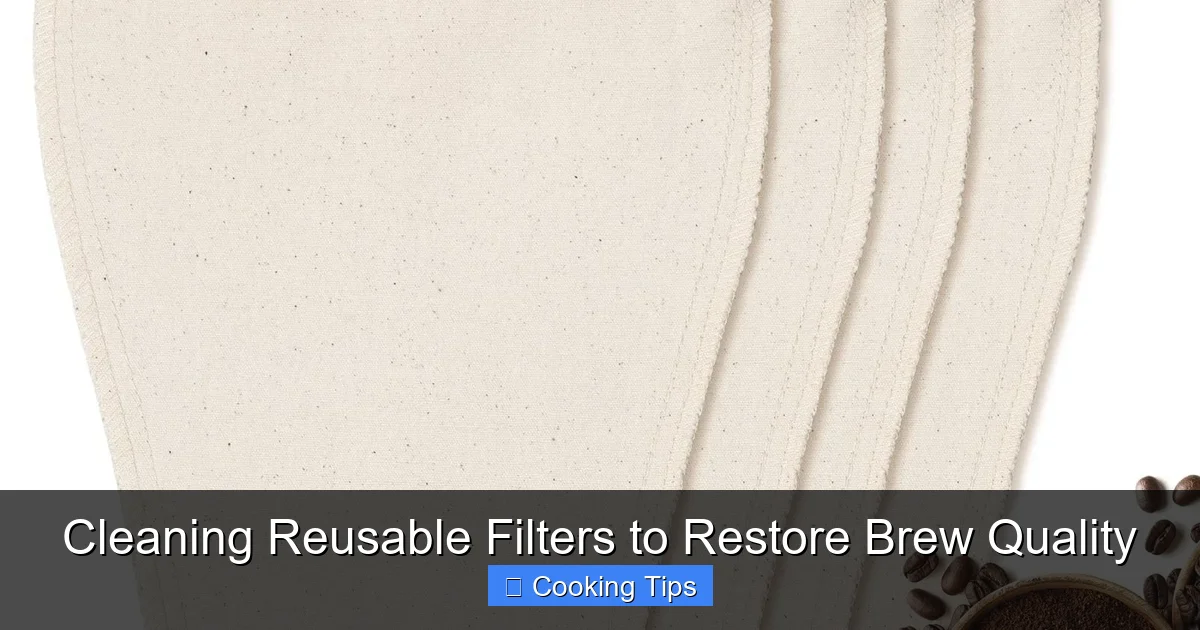
Visual guide about Cleaning Reusable Filters to Restore Brew Quality
Image source: m.media-amazon.com
Before diving into the cleaning process, it’s vital to understand why this step is so critical. Reusable coffee filters, whether they are made of metal, cloth, or even certain types of durable plastic, are porous. This porosity allows water to flow through the coffee grounds and extract the delicious flavors we all love. However, it also means that coffee oils, finely ground particles, and even minerals from your water can get trapped within the filter’s material over time.
These trapped substances are the culprits behind a less-than-ideal cup of coffee. Coffee oils, when left uncleaned, can oxidize. Oxidized oils become rancid, imparting a bitter, stale, and unpleasant taste to your brew. Similarly, fine grounds that cling to the filter can leach out during subsequent brews, adding unwanted sediment and bitterness. Odors can also become embedded in the filter material, affecting the aroma and taste of your coffee. Regular and thorough cleaning is the only way to combat these issues and maintain the integrity of your coffee’s flavor profile.
Daily Cleaning: The First Line of Defense
The simplest and most effective way to prevent significant buildup is to adopt a consistent daily cleaning routine. This routine takes mere moments but can save you a lot of effort and potential flavor loss down the line.
Rinse Immediately After Brewing
The moment you finish brewing your coffee, take your reusable filter and its contents to the sink.
- Discard Grounds: Empty the used coffee grounds from the filter. Compost them if possible!
- Hot Water Rinse: Turn on the tap to hot water and thoroughly rinse the filter from both the inside and the outside. Run water through the filter for at least 30 seconds to a minute. You should see any remaining loose grounds and some of the lighter oils wash away.
This immediate rinse prevents grounds from drying and clinging stubbornly to the filter material and washes away the majority of fresh oils before they have a chance to set in.
Air Dry Thoroughly
After rinsing, it’s crucial to let your filter dry completely before storing it.
- Shake off Excess Water: Give the filter a good shake to remove as much water as possible.
- Place in a Well-Ventilated Area: Position the filter in a spot where air can circulate freely around it. Avoid placing it in a closed cabinet or drawer immediately after rinsing. A drying rack or even just placing it upside down on a clean towel works well.
Ensuring the filter is completely dry prevents the growth of mold and mildew, which can not only damage the filter but also introduce musty or unpleasant flavors to your next brew.
Weekly Deep Cleaning: Tackling Stubborn Buildup

Visual guide about Cleaning Reusable Filters to Restore Brew Quality
Image source: m.media-amazon.com
While daily rinsing is excellent, even the most diligent brewer will find that some buildup inevitably occurs. A weekly deep clean will ensure your filter remains pristine and your coffee tastes its best. The method will vary slightly depending on the material of your filter.
For Metal Coffee Filters (Stainless Steel, Gold-Tone)
Metal filters are durable but can still trap oils and mineral deposits.
Vinegar Soak Method
This is a highly effective method for breaking down coffee oils and mineral buildup.
- Preparation: Gather your supplies: white vinegar, warm water, a soft brush (like a toothbrush or bottle brush), and a clean towel.
- Vinegar Solution: In a bowl or your coffee maker’s carafe, create a solution of equal parts white vinegar and warm water. For a standard filter, about half a cup of vinegar and half a cup of water should suffice.
- Soak the Filter: Submerge your metal coffee filter completely in the vinegar solution. Let it soak for at least 30 minutes, or up to a few hours for heavily soiled filters. You might see the solution change color as it lifts the residue.
- Gentle Scrubbing: After soaking, use your soft brush to gently scrub the inside and outside of the filter. Pay attention to the mesh where oils and grounds tend to accumulate.
- Thorough Rinse: Rinse the filter thoroughly under hot running water. Make sure all traces of vinegar and loosened debris are gone. You might need to rinse for a couple of minutes to ensure no vinegar smell or taste remains.
- Second Rinse with Coffee Maker: For extra assurance, consider running a brew cycle with just plain water (and perhaps a splash of vinegar in the water reservoir if your machine allows) to flush out any residual cleaning solution.
- Air Dry: As with daily cleaning, ensure the filter is completely air-dried before storing.
Baking Soda Paste (for tough spots)
If you have particularly stubborn dark spots or residue that vinegar didn’t completely remove, a baking soda paste can be a good option.
- Make the Paste: Mix baking soda with a small amount of water to create a thick paste.
- Apply and Scrub: Apply the paste to the affected areas and gently scrub with your soft brush.
- Rinse Thoroughly: Rinse very, very well to ensure no baking soda residue is left behind, as this can affect the taste of your coffee.
- Follow with Vinegar Soak (Optional): If needed, you can follow up with a brief vinegar soak and rinse.
For Cloth Coffee Filters (Cotton, Linen)
Cloth filters are often highly effective at filtering out fine oils, which can make them prone to staining and odor absorption.
Boiling Method for Deep Cleaning
Boiling is an excellent way to sanitize and refresh cloth filters.
- Preparation: You’ll need a pot, water, and your cloth filter.
- Boil Water: Fill a small pot with enough water to completely cover your cloth filter. Bring the water to a rolling boil.
- Add Filter: Carefully submerge the cloth filter into the boiling water.
- Simmer: Let the filter simmer in the boiling water for about 10-15 minutes. You may notice some discoloration in the water as oils and coffee particles are released.
- Cool and Rinse: Turn off the heat and let the water cool down enough so you can safely handle the filter. Remove the filter and rinse it thoroughly under hot running water. Squeeze gently to remove excess water and any released debris.
- Air Dry Completely: Ensure the cloth filter is completely dry before storing. Hanging it works well.
Vinegar Soak for Odors
If your cloth filter has developed an off-odor, a vinegar soak can help.
- Vinegar Solution: Prepare a solution of one part white vinegar to four parts cool water in a bowl.
- Soak: Submerge the cloth filter in the solution for at least 30 minutes, or even overnight for strong odors.
- Rinse and Boil (Recommended): After the soak, rinse the filter thoroughly under cold water. For best results, follow up with the boiling method described above to ensure all vinegar is removed and the filter is sanitized.
For Paper-Alternative Reusable Filters (e.g., Metal mesh with paper-like texture)
Some newer reusable filters mimic the feel of paper but are made from durable, reusable materials. Care instructions will often be provided by the manufacturer.
- Consult Manufacturer Instructions: Always refer to the specific cleaning instructions provided by the manufacturer for these types of filters.
- General Approach: Typically, a hot water rinse followed by a gentle scrub with a soft brush and a mild soap (if recommended) is effective.
- Avoid Harsh Chemicals: Unless specified, avoid using strong chemicals, prolonged soaking in vinegar, or abrasive cleaning tools, as these could damage the material.
- Thorough Drying: Ensure complete air drying before storage.
Troubleshooting Common Cleaning Issues
Even with regular cleaning, you might encounter a few common problems. Here’s how to tackle them.
Problem: Persistent Bitter Taste
If your coffee continues to taste bitter despite cleaning, it’s likely that oils are still trapped deep within the filter material.
- Action: Try a more intensive vinegar soak. For metal filters, you can extend the soak time. For cloth filters, a longer boil or a stronger vinegar solution (used cautiously) might be necessary. Ensure you are scrubbing thoroughly with a soft brush.
- Consider Filter Age: If your reusable filter is very old and has been used extensively, the material might be permanently saturated with oils. In such cases, it might be time to consider replacing the filter.
Problem: Unpleasant Odors (Musty, Sour)
This is almost always a sign of mold or mildew, or old oils that have gone rancid.
- Action: For cloth filters, a strong vinegar soak followed by boiling is the best remedy. For metal filters, a vinegar soak should help. Ensure the filter is getting completely dry after each cleaning. If the odor persists even after thorough cleaning and drying, it might be time for a new filter.
Problem: Filter Mesh Clogged with Fine Grounds
If you’re seeing a lot of fine grounds in your cup, it could be the filter itself or how you’re using it.
- Action: Ensure you are rinsing the filter very thoroughly after each brew. If fine grounds are consistently getting through, you may need to gently scrub the mesh more vigorously during your deep clean. Using a coarser grind of coffee can also help, as very fine grinds can pass through even clean filters.
Maintaining Your Reusable Filter for Longevity
Proper cleaning isn’t just about taste; it’s also about extending the life of your reusable filter. By following these practices, you’ll keep your filter in great condition for years to come.
- Inspect Regularly: Periodically inspect your filter for any signs of damage, such as tears in cloth filters or bent mesh in metal filters.
- Avoid Harsh Detergents: Unless specifically recommended by the manufacturer, avoid using harsh dish soaps or detergents, as they can leave behind residues that affect coffee flavor.
- Store Properly: Once completely dry, store your filter in a clean, dry place. Some prefer to store it in a small container or drawer dedicated to coffee accessories.
Conclusion
Embracing reusable coffee filters is a fantastic step towards a more sustainable and enjoyable coffee ritual. However, the key to unlocking their full potential—and consistently brewing delicious coffee—lies in diligent and proper cleaning. By integrating a simple daily rinse with a more thorough weekly deep clean, you can effectively combat the buildup of coffee oils and grounds that degrade flavor and aroma.
Whether you’re using a metal mesh, a cloth filter, or a modern paper-alternative, understanding the specific cleaning needs of your filter material is paramount. Regular maintenance not only restores the vibrant flavors of your coffee but also ensures the longevity of your reusable investment. So, take a few extra moments after each brew, dedicate a short time for weekly deep cleans, and you’ll be rewarded with a superior coffee experience, cup after cup, in 2026 and beyond. Happy brewing!
