

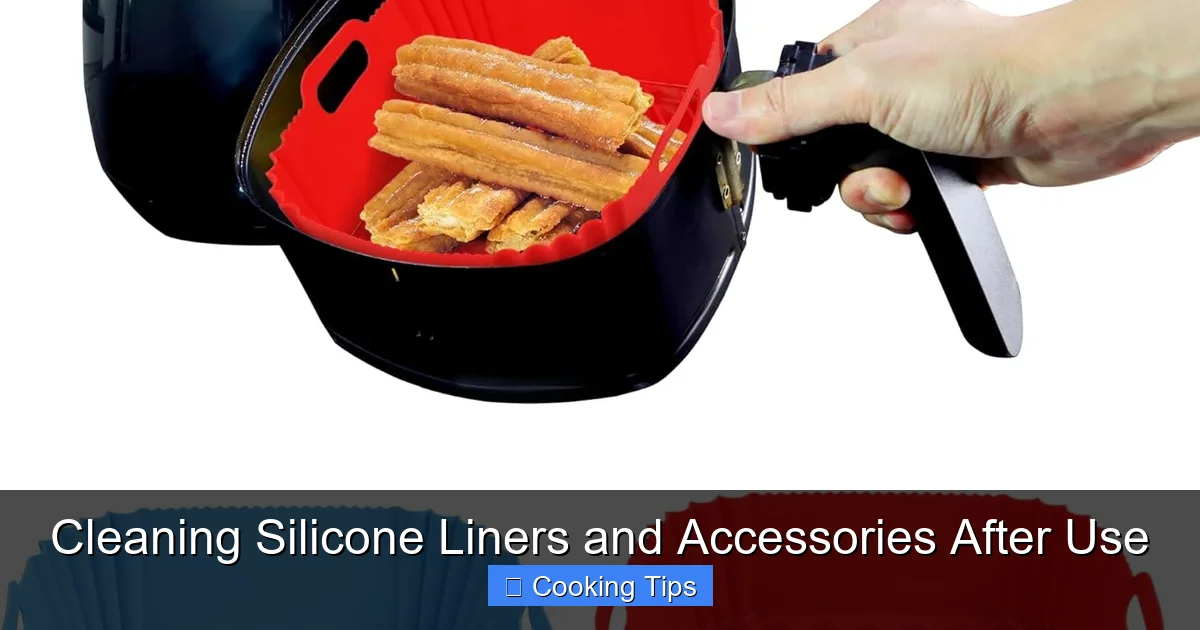
Keep your silicone kitchen tools in top condition with this comprehensive guide to cleaning them after use. You’ll learn how to effectively remove grease, stains, and odors, ensuring your silicone liners and accessories remain hygienic and perform at their best. Following these simple steps will help prevent damage and extend the life of your valuable kitchen companions.
Welcome to your ultimate guide on cleaning silicone liners and accessories after use! In 2026, we’re all about making our kitchen routines as efficient and sustainable as possible. Silicone has become a kitchen superstar, thanks to its durability, flexibility, and non-stick properties. From air fryer liners to baking mats and spatulas, these items make cooking a breeze. But how do you keep them pristine and performing their best after every culinary adventure? This guide will walk you through everything you need to know to ensure your silicone liners and accessories stay clean, odor-free, and in great shape for years to come.
Learning how to properly clean your silicone kitchen companions is essential for hygiene, food safety, and maintaining their functionality. Food residues, grease, and stubborn stains can accumulate if not addressed promptly, leading to unpleasant odors and potential health concerns. Don’t worry, it’s not complicated! We’ll break down the process into simple, easy-to-follow steps.
## The Importance of Prompt Cleaning
The golden rule of silicone cleaning is to act fast. The longer food particles and grease sit on the surface, the harder they are to remove. This is especially true for sticky or sugary substances.
### Why Immediate Action Matters
* **Prevents Sticking:** Once food dries and bakes onto silicone, it can be incredibly difficult to scrub off without damaging the surface.
* **Reduces Odor Absorption:** Silicone can absorb odors from strong-smelling foods. Cleaning promptly helps prevent these odors from becoming permanent.
* **Maintains Non-Stick Properties:** A clean surface ensures your silicone items continue to offer their excellent non-stick performance.
* **Ensures Hygiene:** Residual food can harbor bacteria. Quick cleaning keeps your kitchen tools sanitary.
## Everyday Cleaning: Your Go-To Method
For most everyday use, cleaning your silicone liners and accessories is straightforward and requires minimal effort.
### Step 1: The Initial Rinse
* As soon as you’ve finished using your silicone item, take it to the sink.
* Rinse it thoroughly under warm running water. This initial rinse will wash away loose food particles and prevent them from hardening.
### Step 2: Gentle Washing
* Apply a small amount of mild dish soap to a soft sponge or cloth.
* Gently scrub the silicone item, paying attention to any areas with visible food residue or grease.
* Avoid using abrasive sponges or steel wool, as these can scratch and damage the silicone’s surface.
* Rinse the item thoroughly with warm water until all soap residue is gone.
### Step 3: Drying is Crucial
* Shake off any excess water.
* Pat the silicone item dry with a clean, soft dish towel.
* Alternatively, you can air dry it completely on a drying rack. Ensure it’s fully dry before storing to prevent moisture buildup, which can lead to mold or mildew.
## Tackling Stubborn Stains and Discoloration
Sometimes, despite your best efforts, you might encounter stubborn stains or discoloration, especially with brightly colored foods like tomato sauce, turmeric, or berries. Don’t despair! There are effective, natural ways to lift these.
### Using Baking Soda for Stains
Baking soda is a fantastic, mild abrasive and deodorizer that’s safe for silicone.
* **Create a Paste:** Mix a few tablespoons of baking soda with just enough water to form a thick paste.
* **Apply to Stains:** Generously apply the paste to the stained areas.
* **Let it Sit:** Allow the paste to sit on the stain for at least 15-30 minutes, or even longer for very stubborn marks.
* **Gentle Scrubbing:** Use a soft sponge or cloth to gently scrub the paste into the stain.
* **Rinse and Repeat:** Rinse thoroughly with warm water. If the stain persists, repeat the process.
### The Vinegar Soak Method for Tougher Stains and Odors
White vinegar is another excellent natural cleaner and deodorizer.
* **Prepare the Soak:** Fill a basin or your sink with enough warm water to fully submerge your silicone item.
* **Add Vinegar:** Add about 1/2 to 1 cup of white vinegar to the water.
* **Soak:** Submerge the silicone item and let it soak for at least 30 minutes, or up to a few hours for very tough stains or persistent odors.
* **Wash and Rinse:** After soaking, wash the item with mild dish soap and warm water as usual, then rinse thoroughly.
## Dealing with Lingering Odors
Even after cleaning, some strong-smelling foods can leave a faint odor on silicone. Here’s how to eliminate those lingering smells.
### Baking Soda Deodorizing Soak
This is a simple yet effective method.
* **Prepare the Soak:** Fill a basin with warm water and add about 1/2 cup of baking soda.
* **Soak:** Submerge your silicone item and let it soak for a few hours or overnight.
* **Wash and Rinse:** Afterward, wash and rinse the item as usual.
### The Lemon Juice Method
Lemon juice’s acidity can help break down odor-causing compounds.
* **Apply Directly:** For minor odors, rub fresh lemon juice directly onto the affected areas of the silicone.
* **Let it Sit:** Let it sit for about 15-30 minutes.
* **Wash and Rinse:** Wash and rinse thoroughly. You can also add lemon juice to a baking soda soak for an extra boost.
## Dishwasher vs. Hand Washing
Many silicone liners and accessories are advertised as dishwasher safe. While this can be a convenient option, there are a few things to consider.
### When to Use the Dishwasher
* **Check Manufacturer Instructions:** Always refer to the product’s care label or manufacturer’s website. Some silicone products might have specific instructions regarding dishwasher use.
* **Top Rack is Often Best:** If your silicone item is dishwasher safe, the top rack is usually the safest place to put it. This protects it from direct heat from the heating element and intense water jets, which can sometimes cause warping.
* **Avoid High-Heat Cycles:** Consider using a lower heat setting for drying if your dishwasher offers one.
### Why Hand Washing Might Be Preferable
* **Gentler on Silicone:** Hand washing with mild soap and warm water is generally the gentlest way to clean silicone.
* **Preserves Longevity:** Over time, repeated exposure to the high heat and harsh detergents in a dishwasher can potentially degrade the silicone material, leading to a shorter lifespan.
* **Better for Delicate Items:** For very delicate or intricately shaped silicone accessories, hand washing allows for more control and a gentler touch.
* **Quick Clean-Ups:** For minor messes, a quick hand wash is often faster than waiting for a full dishwasher load.
## What to AVOID When Cleaning Silicone
To ensure your silicone liners and accessories last and perform well, it’s crucial to know what cleaning methods and products to steer clear of.
### Harsh Chemicals and Solvents
* **Bleach and Strong Detergents:** These can degrade the silicone material, causing it to become brittle or sticky over time.
* **Oven Cleaners:** These are far too aggressive for silicone and can cause permanent damage.
### Abrasive Materials
* **Steel Wool and Scouring Pads:** As mentioned, these will scratch and damage the smooth surface of the silicone, making it harder to clean in the future and potentially affecting its non-stick properties.
* **Brusque Brushes:** Stiff-bristled brushes can also cause micro-scratches.
### Sharp Objects
* **Knives or Utensils:** Never use sharp objects to scrape off stuck-on food, as this will cut into the silicone.
### Excessive Heat
* **Direct Flame:** Silicone can melt or catch fire if exposed to direct flame. Ensure it’s kept away from open burners.
* **Dishwasher Drying on High Heat:** While some are dishwasher safe, very high heat cycles, especially for drying, can be detrimental.
## Storing Your Clean Silicone
Proper storage is just as important as cleaning to maintain the quality of your silicone liners and accessories.
### Ensure Complete Dryness
* Before storing, always make sure your silicone items are 100% dry. Any residual moisture can lead to mold or mildew growth, especially in enclosed spaces.
### Store Flat or Rolled
* For silicone mats and liners, storing them flat is ideal to prevent creasing. If space is limited, rolling them loosely is a good alternative, but avoid tight rolling that could permanently warp the material.
* Smaller accessories can be placed in drawers or containers.
### Avoid Stacking Heavy Items
* If you stack silicone liners, avoid placing very heavy items on top of them, as this can lead to dents or deformation.
## Troubleshooting Common Silicone Cleaning Issues
Here are some common problems and their solutions for cleaning silicone.
### Problem: Silicone feels sticky after washing.
* **Cause:** This can happen if the silicone was exposed to very high heat for extended periods, or if detergent residue wasn’t fully rinsed off. It can also be a sign of the silicone starting to degrade.
* **Solution:** Try washing it with a baking soda paste and rinsing thoroughly. If it persists, try a vinegar soak. If the stickiness remains after these methods, the silicone might be nearing the end of its lifespan, or it could be a lower-quality product.
### Problem: Persistent grease stains.
* **Cause:** Some oily foods can leave behind a greasy residue that’s hard to remove with just soap and water.
* **Solution:** A baking soda paste left on for a longer period (even overnight) can help break down the grease. Ensure you rinse very well after using the paste.
### Problem: Discoloration from tomato sauce or turmeric.
* **Cause:** These vibrant pigments are notorious for staining porous materials, and silicone can absorb them if not cleaned quickly.
* **Solution:** The baking soda paste or vinegar soak methods are your best bet here. Sunlight can also help fade some stains on silicone – placing a stained item in direct sunlight for a few hours can be surprisingly effective.
### Problem: Silicone has a “plastic” smell.
* **Cause:** Sometimes new silicone products have a factory smell. Old silicone can also develop an unpleasant odor.
* **Solution:** A thorough wash with warm, soapy water is the first step. For new items, a soak in a baking soda and water solution or a vinegar and water solution can help dissipate the smell. For old items, persistent odors might be hard to eliminate completely and could indicate the silicone is breaking down.
## Conclusion
Keeping your silicone liners and accessories clean and well-maintained is surprisingly simple when you know the right techniques. By prioritizing prompt rinsing, using gentle cleaning agents, and knowing how to tackle stubborn issues naturally, you’ll ensure your silicone kitchen tools remain hygienic, functional, and a joy to use for years to come. Remember to always check manufacturer guidelines and to avoid harsh chemicals and abrasive materials. With these tips, your silicone companions will be sparkling after every use, ready for your next culinary creation in 2026 and beyond!
Key Takeaways
- Immediate Rinse is Key: Always rinse silicone items with warm water right after use to prevent food particles from drying and sticking.
- Gentle Detergent Works Wonders: For most cleaning, a mild dish soap and warm water are sufficient to remove grease and grime.
- Tackle Stubborn Stains with Baking Soda: A paste of baking soda and water is an effective, natural remedy for tougher food stains and discoloration.
- Avoid Harsh Chemicals and Abrasives: Steer clear of abrasive scrubbers, steel wool, and harsh chemical cleaners, as they can damage the silicone surface.
- Proper Drying Prevents Issues: Always ensure silicone liners and accessories are completely dry before storing to prevent mold and mildew growth.
- Deep Cleaning for Odors: For lingering smells, a vinegar or baking soda soak can effectively neutralize odors without damaging the silicone.
- Dishwasher Safety Varies: While many silicone items are dishwasher safe, check manufacturer instructions to avoid potential warping or damage.
