

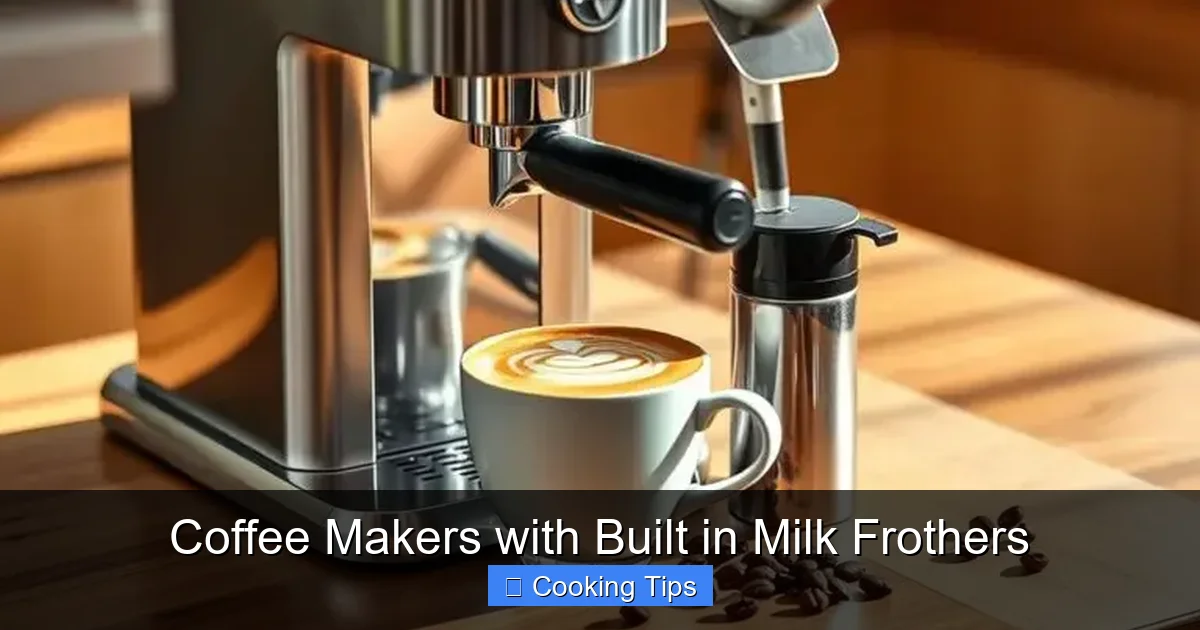
Discover the joy of barista-quality coffee at home with our comprehensive guide to coffee makers featuring built-in milk frothers. We’ll walk you through selecting the perfect machine for your needs, mastering its operation for creamy, delicious frothed milk, and ensuring it stays in top condition. Unlock a world of delightful espresso-based beverages without leaving your kitchen.
Key Takeaways
- Understanding the Technology: Built-in milk frothers use steam or an impeller to aerate milk, creating foam for lattes, cappuccinos, and more.
- Choosing Your Machine: Consider your budget, desired coffee types, ease of use, cleaning requirements, and counter space when selecting a frother coffee maker.
- Preparing for Perfection: Always use fresh, cold milk for the best frothing results, and preheat your mug to maintain beverage temperature.
- Mastering the Froth: Learn the optimal settings and techniques for your specific frother type to achieve silky smooth microfoam or thicker froth.
- Essential Cleaning Routine: Regular cleaning of the frother components is crucial for hygiene and to prevent milk residue buildup, ensuring consistent performance.
- Troubleshooting Common Issues: Address common problems like thin foam or sputtering by checking milk temperature, frother cleanliness, and machine settings.
Coffee Makers with Built-in Milk Frothers: Your Guide to Barista-Quality Coffee at Home
The aroma of freshly brewed coffee in the morning is a cherished ritual for many. But what if you could elevate that experience beyond a simple black coffee? Imagine crafting creamy lattes, velvety cappuccinos, and rich macchiatos right in your own kitchen, with the press of a button. Coffee makers with built-in milk frothers are the key to unlocking this at-home barista dream. In 2026, these innovative machines are more accessible and advanced than ever, offering convenience without compromising on taste.
This comprehensive guide will equip you with everything you need to know about coffee makers with built-in milk frothers. We’ll explore the different types available, guide you through the selection process, provide step-by-step instructions for operation and cleaning, and even offer troubleshooting tips to ensure you’re always enjoying your favorite frothy coffee creations. Get ready to transform your mornings and impress your guests!
Understanding the Magic: How Built-in Milk Frothers Work
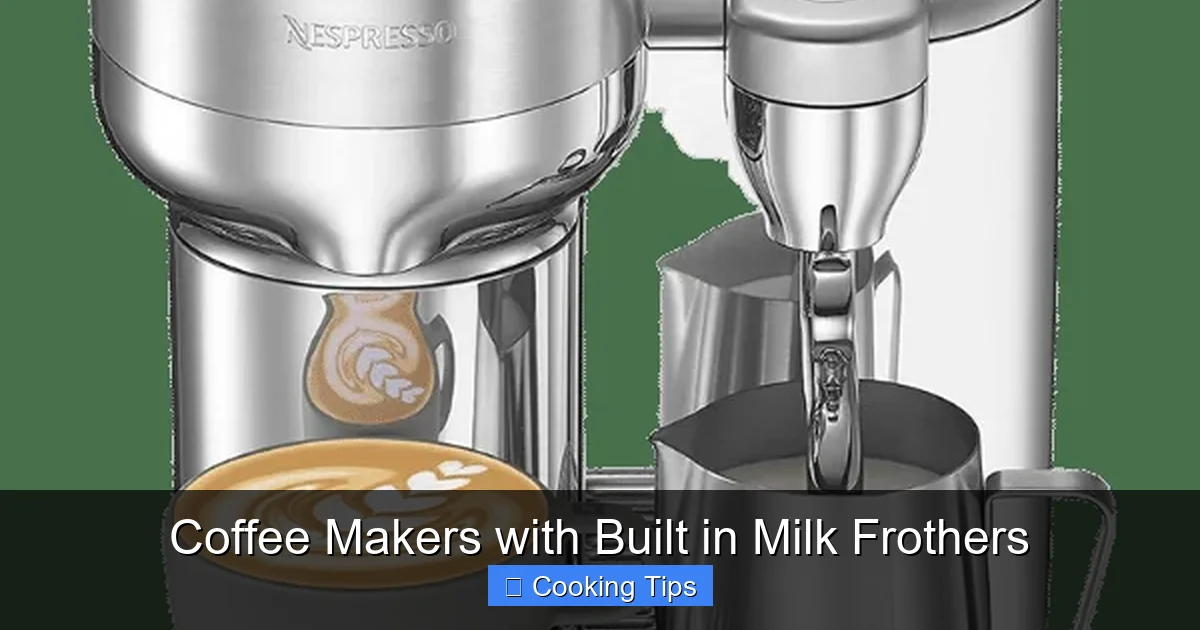
Before diving into operation, it’s helpful to understand the technology behind these fantastic machines. Built-in milk frothers generally fall into two main categories:
Visual guide about Coffee Makers with Built in Milk Frothers
Image source: timscoffee.com
Steam Wand Frothers
These are the traditional method, often found on espresso machines. A steam wand releases pressurized hot steam into the milk. The rapid movement of steam creates tiny bubbles, aerating the milk and producing a rich, foamy texture. Mastering the steam wand takes a little practice, as you control the angle and depth of the wand in the milk to achieve your desired foam consistency.
Automatic Frothers
These are more common in automatic coffee makers and pod machines. They typically use an impeller or a whisk-like mechanism within a dedicated chamber or jug. You pour the milk in, select your desired froth setting (often hot or cold foam), and the machine does the rest. This is a more hands-off approach, perfect for those seeking ultimate convenience.
Choosing the Right Coffee Maker with a Built-in Frother for You
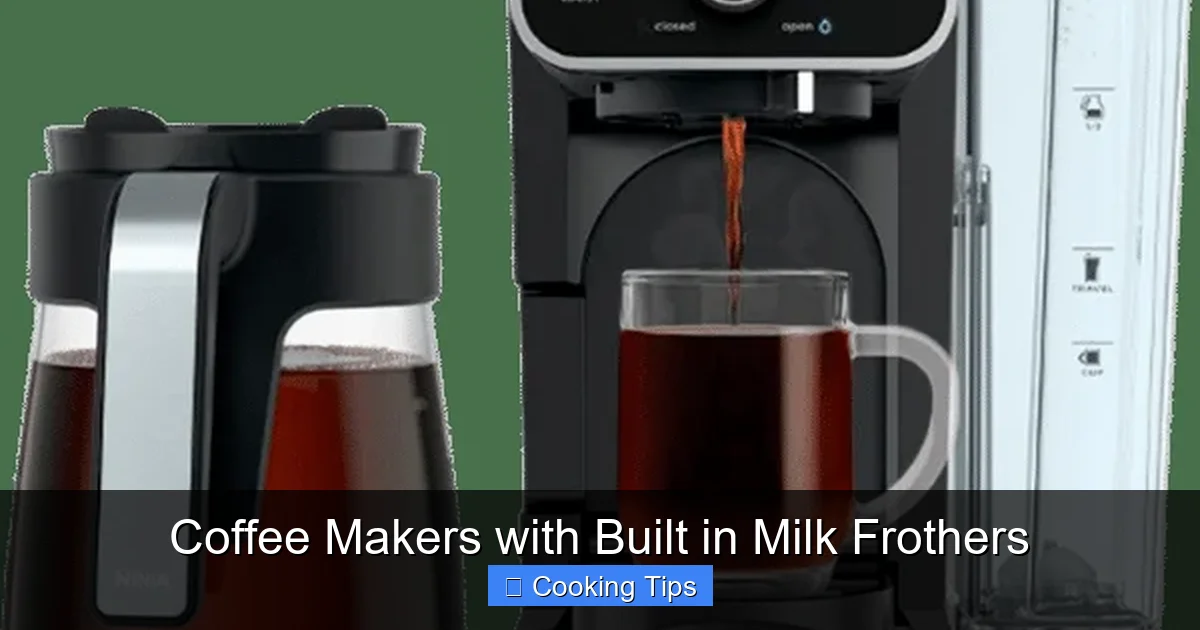
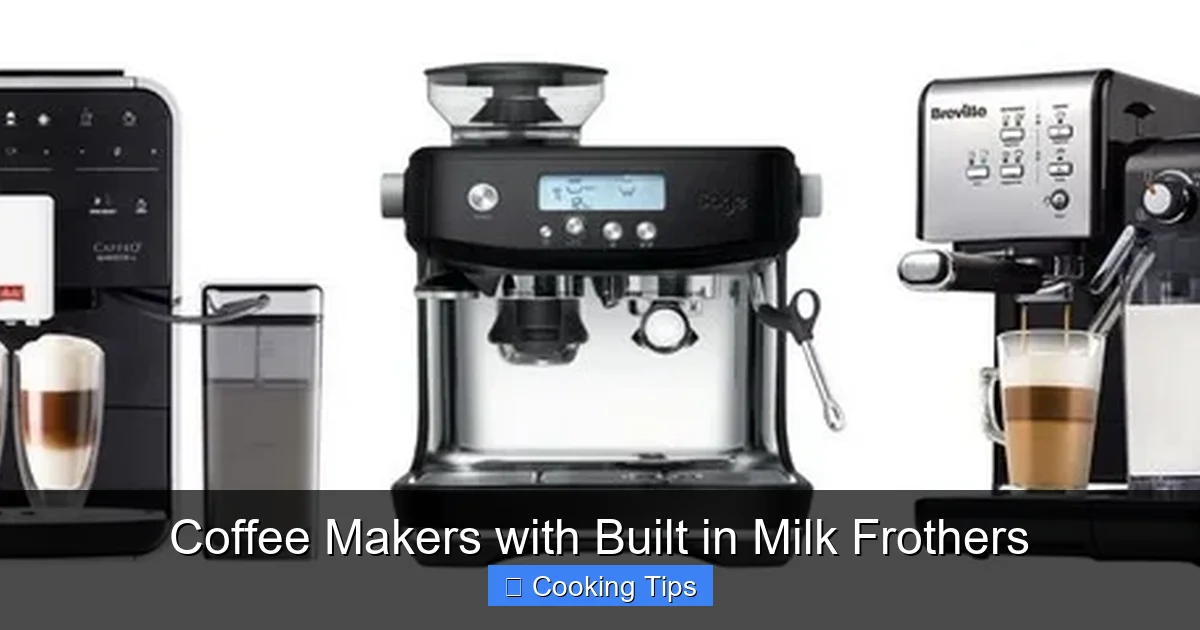
With a growing market of coffee makers featuring integrated milk frothing capabilities, selecting the perfect one can feel overwhelming. Consider these factors to make an informed decision:
Visual guide about Coffee Makers with Built in Milk Frothers
Image source: timscoffee.com
Budget
Coffee makers with built-in frothers range from under $100 for basic automatic frothers to several hundred dollars or even thousands for high-end espresso machines with advanced frothing systems. Determine how much you’re willing to invest.
Type of Coffee You Love
Are you primarily a latte and cappuccino drinker? Or do you enjoy a wider variety of espresso-based drinks? Some machines excel at creating thick, airy foam, while others produce finer, silkier microfoam. If you’re after true espresso, look for machines that also brew high-quality espresso shots.
Ease of Use
Do you want a simple, one-touch operation for your morning caffeine fix? Or are you happy to experiment with settings and techniques? Automatic frothers are generally more beginner-friendly, while steam wands offer more control for the enthusiast.
Cleaning and Maintenance
Milk residue can quickly become an issue if not cleaned properly. Some machines have self-cleaning functions for their frothing components, while others require manual disassembly and washing. Consider how much time and effort you’re willing to dedicate to cleaning.
Counter Space
Coffee makers can take up valuable real estate on your kitchen counter. Consider the footprint of the machine, especially if it has a separate milk carafe or frothing jug.
Brand Reputation and Reviews
Look for well-known brands with good customer reviews. User experiences can provide valuable insights into a machine’s performance, durability, and ease of use.
Mastering Your Coffee Maker: Step-by-Step Operation
Once you’ve chosen your perfect machine, it’s time to get brewing! The exact steps will vary depending on your machine’s type, but here’s a general guide:
Visual guide about Coffee Makers with Built in Milk Frothers
Image source: coffeebattle.com
Step 1: Prepare Your Milk
For the best frothing results, always use fresh, cold milk. Whole milk typically produces the richest and creamiest foam due to its fat content. However, many machines can also froth skim milk, 2% milk, and even non-dairy alternatives like oat or almond milk, though the texture might differ.
- For Automatic Frothers: Fill the designated milk container or carafe to the minimum and maximum fill lines indicated on the machine.
- For Steam Wand Frothers: Pour cold milk into a metal frothing pitcher. Fill it about one-third to halfway, as the milk will expand significantly when frothed.
Step 2: Preheat Your Mug
A warm mug will help keep your beverage at the ideal drinking temperature. You can do this by filling it with hot water while you prepare your coffee and froth your milk, then discarding the water just before pouring.
Step 3: Brew Your Coffee Base
This will depend on your machine. If it’s an espresso machine, you’ll brew your espresso shots into your preheated mug. If it’s a drip coffee maker with an integrated frother, you’ll brew your coffee as usual.
Step 4: Froth Your Milk
This is where the magic happens!
Operating Automatic Frothers
Select your desired milk temperature and froth consistency (e.g., hot foam, cold foam, extra thick). Most automatic frothers will then heat and froth the milk in one cycle. Some machines allow you to customize the amount of foam produced.
Example: For a latte, you might select “hot foam” and a medium froth. For a cappuccino, you’d likely choose “hot foam” and a thicker, more airy froth.
Operating Steam Wand Frothers
This requires a bit more technique.
- Purge the Wand: Before inserting it into the milk, briefly turn on the steam to release any residual water.
- Position the Wand: Submerge the tip of the steam wand just below the surface of the milk in your frothing pitcher.
- Introduce Air (Stretching): Turn on the steam fully. You’ll hear a gentle hissing sound as air is incorporated into the milk. Keep the wand tip near the surface, creating a vortex. Do this for about 10-20 seconds, until the milk volume increases slightly and a light foam begins to form.
- Heat the Milk (Texturing): Submerge the wand a little deeper into the milk. Tilt the pitcher to create a swirling motion. This heats the milk and breaks down larger bubbles into a smoother microfoam. Continue until the pitcher feels hot to the touch (around 140-150°F or 60-65°C). Avoid overheating, as this can scorch the milk and ruin the flavor.
- Clean the Wand: Immediately after frothing, wipe the steam wand with a damp cloth and briefly turn on the steam again to clear any milk residue.
Step 5: Combine and Serve
Once your milk is frothed, gently swirl the milk pitcher to integrate the foam and liquid milk. Then, pour the frothed milk into your coffee. For a latte, pour in a steady stream, holding back some foam with a spoon. For a cappuccino, pour more aggressively to allow the foam to sit on top. Garnish with cocoa powder or cinnamon if desired.
Cleaning and Maintenance: Keeping Your Frother in Top Shape
Regular cleaning is essential for hygiene, flavor, and the longevity of your coffee maker. Milk residue can breed bacteria and clog the frothing mechanism, leading to poor performance.
Daily Cleaning
Automatic Frothers
Most automatic frothers have removable parts (like the milk carafe or frothing unit) that should be rinsed or washed with warm, soapy water after each use. Many are also dishwasher safe – check your manual. Some machines have a quick rinse cycle for the frothing system.
Steam Wand Frothers
As mentioned, always wipe the steam wand immediately after use with a damp cloth and purge it with steam to clear milk residue. The frothing pitcher should also be washed with warm, soapy water.
Weekly Cleaning
Beyond daily rinsing, a more thorough cleaning is recommended weekly.
Automatic Frothers
Consult your machine’s manual for specific instructions. This might involve running a cleaning cycle with a descaling solution or running a cycle with water and a bit of dish soap to thoroughly clean internal tubes.
Steam Wand Frothers
Ensure the steam wand itself is completely clean. Some wands can be unscrewed for a deeper clean. You may also want to soak the frothing pitcher in a mild detergent solution.
Descaling
Over time, mineral deposits from water can build up inside your coffee maker, affecting performance and taste. Descale your machine according to the manufacturer’s instructions, typically using a descaling solution every 1-3 months, depending on your water hardness and usage.
Troubleshooting Common Frother Issues
Even the best coffee makers can encounter occasional hiccups. Here are some common problems and how to fix them:
Issue: The milk isn’t frothing properly (too thin, no foam, or inconsistent foam).
Possible Causes & Solutions:
- Milk Temperature: The milk is too warm. Always start with cold milk.
- Milk Type: Some non-dairy milks froth better than others. Experiment with different brands or types. Whole milk generally yields the best results.
- Frother Not Clean: Milk residue can clog the frothing mechanism. Thoroughly clean all frother components.
- Water in Frothing System: For automatic frothers, ensure the milk container is properly seated and there’s no excess water in the system.
- Steam Wand Technique (for manual frothers): You might be introducing too much air or not enough, or not heating the milk sufficiently. Adjust the depth and angle of the wand.
Issue: The frother is making strange noises or sputtering.
Possible Causes & Solutions:
- Clogged Mechanism: The frother might be blocked by dried milk. Clean it thoroughly.
- Low Water Level (for machines with integrated water tanks): Ensure the water reservoir is sufficiently filled if your machine relies on steam generated from a water tank.
- Air Leak: Check that all connections and seals are secure, especially around the milk container or frothing wand.
Issue: The milk is too hot or not hot enough.
Possible Causes & Solutions:
- Machine Settings: Ensure you’ve selected the correct temperature setting on your machine.
- Frothing Time: For steam wands, you might be frothing for too long or not long enough. Adjust your timing.
- Milk Volume: If you’re frothing too much milk at once, it might not heat evenly. Froth in smaller batches if necessary.
Conclusion: Elevate Your Coffee Experience
Coffee makers with built-in milk frothers are a fantastic investment for any coffee lover who enjoys espresso-based beverages. They offer convenience, versatility, and the ability to recreate café-quality drinks at home. By understanding how they work, choosing the right machine for your needs, mastering their operation, and committing to regular cleaning, you’ll be well on your way to enjoying perfect lattes, cappuccinos, and more every day. Embrace the ease and delight of your personalized coffee creations in 2026 and beyond!
