
Cooking large food items can be tricky, as their size can block even heat circulation, leading to unevenly cooked results. This comprehensive guide offers practical strategies to overcome this challenge. You’ll learn how to prepare your ingredients, select the right cooking vessel, and utilize techniques like strategic scoring and basting to ensure your large items are cooked to perfection, from edge to center.
Cooking Large Items That Block Even Circulation
Are you intimidated by cooking a whole turkey for Thanksgiving? Does the thought of roasting a massive beef joint leave you feeling anxious about achieving perfectly even results? You’re not alone. Large food items, whether it’s a substantial cut of meat, a whole poultry, or even certain large vegetables, present a unique cooking challenge. Their sheer size can act like a culinary roadblock, physically blocking the even circulation of heat around and through them. This often leads to frustrating outcomes: the outside might be beautifully browned and cooked through, while the center remains stubbornly raw, or vice versa. In 2026, we have access to amazing cooking tools and techniques, yet this fundamental challenge persists. This guide is here to demystify the process. We’ll explore how to conquer this issue and ensure your large-scale culinary creations are a resounding success, every single time.
Key Takeaways
- Understand the Challenge: Large items obstruct heat flow, causing uneven cooking. Recognizing this is the first step to success.
- Strategic Preparation is Crucial: Techniques like scoring, trussing, and marinating can significantly improve heat penetration and even cooking.
- Choose the Right Cookware: Selecting an appropriate pan or vessel is vital for creating a conducive cooking environment and promoting circulation.
- Master Temperature Control: Precise temperature management and understanding oven or stovetop behavior are key to achieving consistent results.
- Embrace Circulation Aids: Using techniques like elevating food on a rack or employing cooking liquids can significantly enhance heat distribution.
- The Art of Resting: Allowing large cooked items to rest is essential for redistributing juices and achieving a tender, evenly cooked final product.
Why Large Items Block Heat Circulation
Before we dive into the solutions, let’s understand the problem. Heat, whether from an oven, stovetop, or grill, needs to move freely to cook food evenly. When an item is particularly large and dense, it can create pockets of cooler air around itself. Imagine trying to warm a large, solid ball with a gentle breeze – the breeze will struggle to reach the core. In cooking, this translates to uneven temperatures. Areas in direct contact with the heat source might overcook, while those further away, or those shielded by the bulk of the food, will undercook. This is especially true for items that don’t have many natural openings or irregular surfaces, like a dense roast or a plump chicken.
Preparing Your Large Item for Even Cooking
The foundation of success lies in smart preparation. Before your large item even hits the heat, a few strategic steps can make a world of difference in promoting even circulation.
Visual guide about Cooking Large Items That Block Even Circulation
Image source: humanbiomedia.org
Strategic Scoring and Cutting
For dense items like large roasts or even thick-skinned fruits and vegetables, making strategic cuts can be a game-changer. Think of it as creating pathways for the heat to penetrate more easily.
- Scoring Roasts: For cuts of meat like pork belly or beef brisket, scoring the fat cap in a diamond pattern allows the fat to render more effectively, basting the meat underneath and also helping heat to penetrate. Don’t cut too deep into the meat itself, just the fat.
- Cross-hatching Larger Vegetables: For items like a whole pumpkin or a large sweet potato, scoring the skin in a cross-hatch pattern can help steam escape and allow marinades or seasonings to reach the flesh.
Trussing Poultry or Meats
For whole birds like chickens, turkeys, or even large cuts of meat that have separate components (like a pork loin with a flap of belly attached), trussing is essential. Trussing involves tying the legs and wings close to the body.
- Benefits: This not only creates a more compact, uniformly shaped item for more even cooking but also prevents the thinner parts, like wing tips and leg ends, from drying out and overcooking before the thicker parts are done. It promotes a more cohesive cooking experience.
Marinating and Brining
While not directly about circulation, marinating and brining introduce moisture and flavor into the food. This internal moisture can help conduct heat more evenly from the inside out, contributing to a more consistent cook.
- Moisture is Key: A moist interior is more receptive to heat transfer than a dry one.
Choosing the Right Cookware and Equipment
The vessel you choose plays a significant role in how heat interacts with your large food item.
Visual guide about Cooking Large Items That Block Even Circulation
Image source: images-na.ssl-images-amazon.com
Oven Roasting: The Power of Racks and Pans
When roasting large items in the oven, using a roasting pan with a rack is paramount. This elevates the food, allowing hot air to circulate freely not only around the top and sides but also underneath.
- Elevate Your Food: Without a rack, the bottom of your roast or poultry will be in direct contact with the pan, creating a moisture trap and preventing browning and even cooking. The rack allows hot air to reach all surfaces.
- Drip Pans: The drip pan collects juices, which can be used to baste the food, adding moisture and flavor. It also prevents the oven from becoming a smoky mess.
Stovetop Cooking: Deep Pots and Braising Vessels
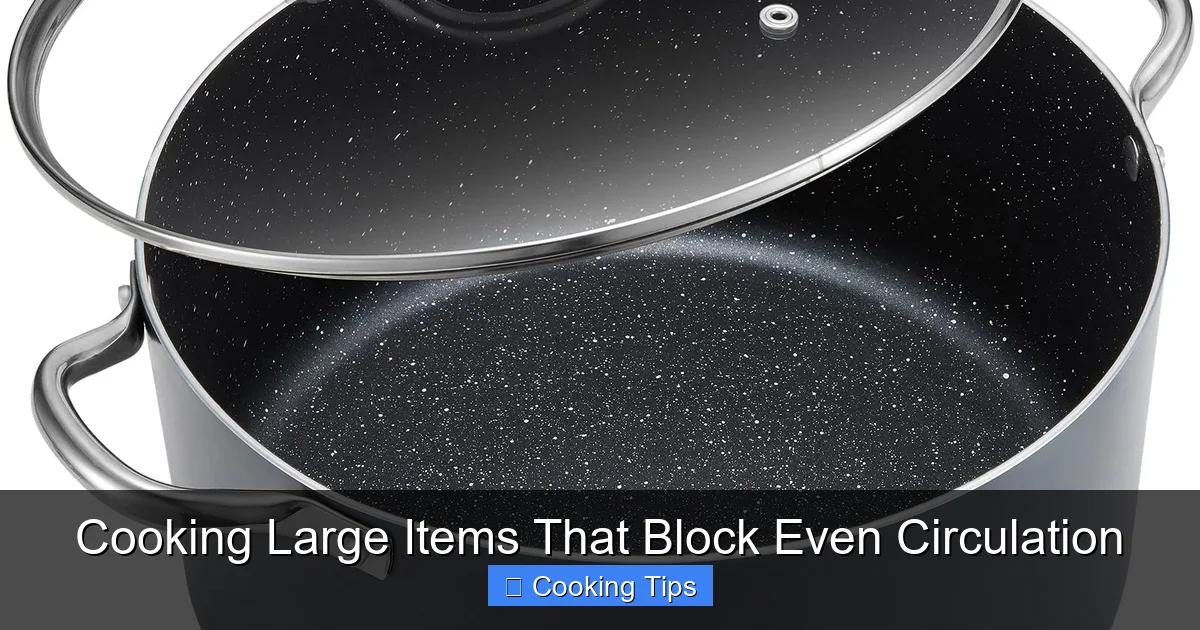
For large items cooked on the stovetop, such as a whole ham or a large cut for stewing, a deep, heavy-bottomed pot is your best friend. This ensures even heat distribution across the base and sides, crucial for searing and simmering.
- Braising for Tougher Cuts: For tougher, larger cuts of meat, braising is an excellent method. This involves searing the meat first, then simmering it in a liquid (broth, wine, water) in a covered pot for an extended period. The liquid acts as a heat conductor, and the steam generated helps cook the item from all sides.
- Dutch Ovens: A good quality Dutch oven is incredibly versatile for this purpose, providing excellent heat retention and even cooking.
Grilling Large Items: Indirect Heat is Your Friend
Grilling large items like a whole suckling pig or a large leg of lamb requires a different approach. Direct heat will char the outside before the inside is cooked.
- Indirect Grilling: Set up your grill for indirect heat. This means placing the coals or burners on one side, and the food on the other. This creates a more oven-like environment, allowing the food to cook gently and evenly without burning.
Techniques to Enhance Heat Circulation
Beyond preparation and equipment, several cooking techniques can actively promote better heat circulation.
Visual guide about Cooking Large Items That Block Even Circulation
Image source: cdn.shopify.com
Strategic Basting
Basting involves spooning or brushing cooking juices, melted butter, or marinades over the surface of the food as it cooks. This not only adds flavor and moisture but also helps to cook the surface and encourage even browning.
- Frequency Matters: For large roasts or poultry, basting every 20-30 minutes can be very beneficial. If you’ve cooked aromatics in the pan, the juices will be infused with their flavor.
- Don’t Open the Oven Too Often: While basting is good, avoid opening the oven door too frequently, as this lets out precious heat.
The Power of Slicing and Stuffing (with Caution)
In some instances, carefully applied slicing can aid circulation. For example, for a large, dense squash, making shallow cuts through the flesh before roasting can help it cook more evenly.
- Stuffing is Tricky: Stuffing a large item, like a turkey, can sometimes hinder circulation because the stuffing absorbs heat and moisture, potentially slowing down the cooking of the meat around it. If you do stuff, ensure the stuffing is moist and evenly packed, and consider cooking the stuffing separately for the most reliable results.
Using Cooking Liquids
As mentioned in stovetop cooking, using liquids for braising or slow-cooking is a fantastic way to ensure even heat distribution. The liquid surrounds the food, transferring heat gently and consistently.
- Steam is a Conductor: The steam generated from the liquid also helps to cook the food from all sides.
Temperature Management and Monitoring
Precision in temperature is non-negotiable when dealing with large food items.
Preheating Your Oven/Grill Thoroughly
Always preheat your oven or grill to the correct temperature and allow it sufficient time to stabilize. A common mistake is to put the food in before the cooking environment has reached its target temperature, leading to a slower, less consistent cook.
Using a Meat Thermometer
This is perhaps the single most important tool for ensuring large items are cooked properly and safely. Don’t guess; measure!
- Where to Insert: Insert the thermometer into the thickest part of the food, avoiding bone or large pockets of fat.
- Target Temperatures: Research the safe internal temperatures for your specific item. For poultry, it’s typically around 165°F (74°C) in the thigh. For roasts, it varies by cut and desired doneness (e.g., 135°F/57°C for medium-rare beef).
- Check Multiple Spots: For very large items, check the temperature in a couple of different places to ensure the center is cooked through.
Troubleshooting Common Issues
Even with the best intentions, sometimes things don’t go perfectly. Here are a few common problems and how to address them.
The Outside is Burning, but the Inside is Raw
- Solution: This is a classic sign of too much direct heat. Tent the item loosely with aluminum foil to shield the already-cooked parts from direct heat. Reduce the oven temperature slightly. Ensure you are using indirect heat if grilling.
Uneven Browning
- Solution: Rotate the pan halfway through cooking. If certain areas are consistently cooking faster, you might need to adjust the position of the heat source (if possible) or shield that area with foil.
Food is Drying Out
- Solution: Increase basting frequency. Ensure your cooking environment isn’t too dry (e.g., adding a pan of water to the oven). For roasts, consider covering them more loosely with foil during the latter stages of cooking if they are browning too quickly.
The Crucial Resting Period
Once your large item reaches its target internal temperature, the cooking process isn’t quite finished. Resting is a vital, often overlooked, step.
Why Resting is Non-Negotiable
When food cooks, the muscle fibers contract, pushing moisture to the center. If you slice into it immediately, all that delicious juice will run out onto the cutting board. Resting allows the muscle fibers to relax and reabsorb the juices, redistributing them throughout the food.
- How Long to Rest: For large roasts and poultry, a minimum of 15-30 minutes is recommended. Larger items might benefit from even longer resting times. Tent loosely with foil to keep it warm without steaming.
Conclusion
Cooking large items that tend to block even circulation might seem daunting, but it’s a culinary skill that can be mastered with the right knowledge and techniques. By understanding the principles of heat transfer, employing strategic preparation methods like scoring and trussing, selecting appropriate cookware, and utilizing techniques such as basting and indirect cooking, you can overcome these challenges. Remember the importance of precise temperature monitoring with a reliable meat thermometer and the indispensable resting period. With these strategies in your arsenal, you’ll be well-equipped to tackle any large food item with confidence, delivering perfectly cooked, tender, and delicious results that will impress your family and friends in 2026 and beyond.
