

Over-salting, burning, rushing, and ignoring fresh ingredients quickly destroy a dish's flavor.
I’ve cooked professionally and at home for years, and I’ve seen how small errors turn vibrant meals into bland or bitter plates. This article digs into common cooking mistakes that ruin taste. I’ll explain why they happen, how they change flavor, and exactly what to do instead. Expect clear examples, personal tips, and easy fixes you can use tonight.

Common cooking mistakes that ruin taste
Most flavor problems start with simple errors. Over-salting, under-seasoning, and wrong temperatures are top culprits. Too much salt masks nuance. Too little salt makes food flat. Cooking mistakes that ruin taste also include overcrowding pans, using stale ingredients, and skipping resting time.
I learned early that salt is not just seasoning; it’s a tool. Once, I over-salted a stew and had to dilute and re-season it to save it. That taught me the importance of tasting as I cook. Keep tasting, and adjust slowly.
Heat and timing errors that ruin flavor
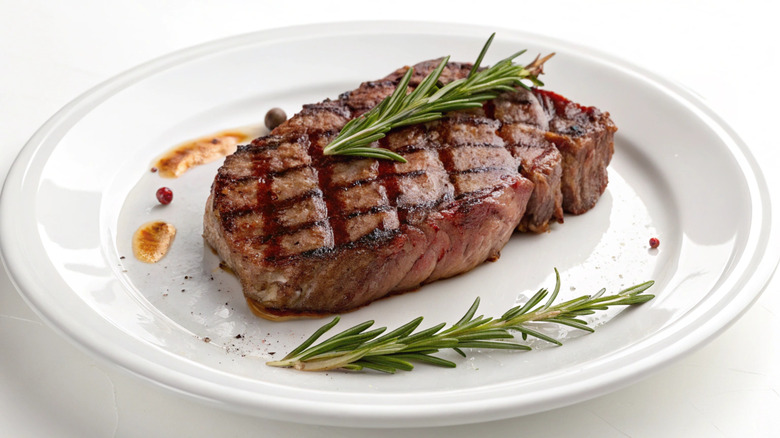
Wrong heat and bad timing often cause the biggest flavor losses. Cooking mistakes that ruin taste include using too high heat for delicate foods and too low heat for sears. Overcooking proteins makes them dry and flavorless. Undercooking starches leaves them chalky.
Signs to watch for
- Smoke and black edges mean burnt flavor is arriving.
- Meat that resists slicing may be under-rested and will lose juices when cut.
- Vegetables that steam rather than sauté will taste watered down.
Fixes I use
- Learn your stove’s hot spots and adjust between low, medium, and high.
- Use a thermometer for meats to avoid guesswork.
- Rest meats 5–15 minutes depending on size to lock in juices.
Seasoning mistakes that flatten or overpower dishes
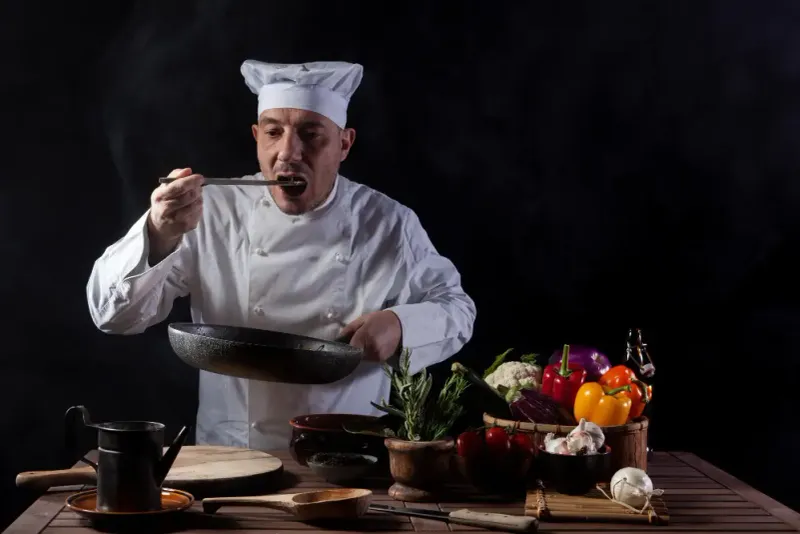
Seasoning is a balance, and many cooking mistakes that ruin taste happen here. People either apply seasoning too early and let it fade, or they add everything at the end and miss depth. Salt timing matters. Acid and spices added at the wrong moment can lose potency.
Practical seasoning rules
- Season in layers: a little at the start, more during cooking, finish at the end.
- Use acid (lemon, vinegar) near the end to brighten flavors.
- Toast spices briefly to wake them up, but don’t burn them.
Personal tip: I often under-season while cooking and then taste before serving. A quick squeeze of lemon or a pinch of flaky salt at the end can revive a tired dish.
Ingredient and prep mistakes that dull taste
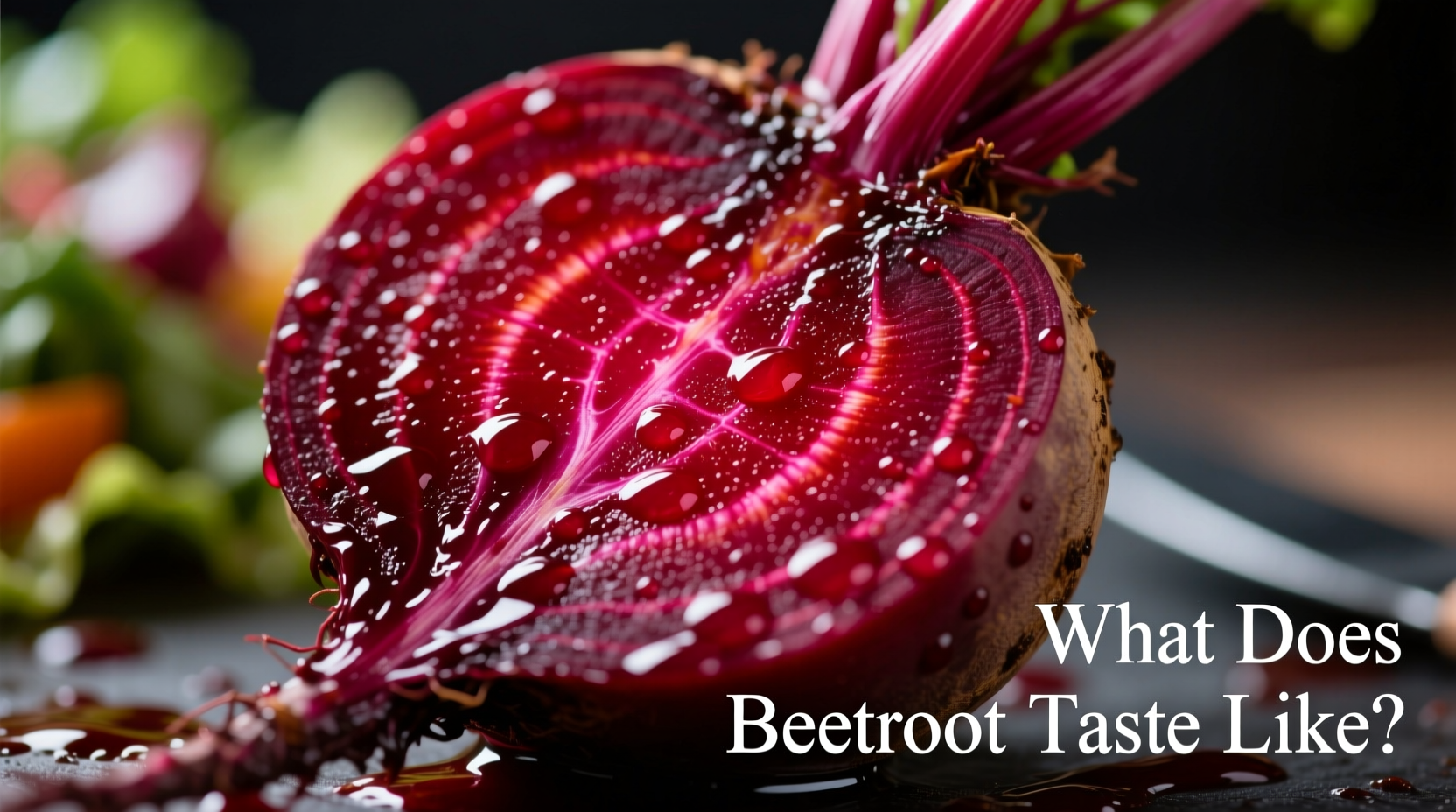
Freshness shapes flavor. Using limp produce, old spices, or low-quality oils is a subtle way to ruin taste. Other cooking mistakes that ruin taste include poor prep: not trimming fat properly, leaving skin on when it becomes soggy, or cutting ingredients inconsistently.
Prep checklist
- Smell and inspect produce; discard anything off.
- Replace ground spices yearly; whole spices last longer if stored airtight.
- Pat proteins dry before searing to ensure a clean browning reaction.
Anecdote: I once served a salad with wilted herbs and it tasted dull. Fresh herbs tossed right before serving made the difference between meh and memorable.

Technique errors: crowding, stirring, and mismatched pans
Technique affects texture and taste. Crowding a pan causes steaming, not browning. Constant stirring can break delicate textures. Using the wrong pan changes heat distribution and can lead to uneven cooking—another one of the cooking mistakes that ruin taste.
Simple technique tips
- Give ingredients room to breathe; work in batches if needed.
- Use heavy-bottomed pans for even heat.
- Stir gently when needed and only as long as required.
From experience, a crowded pan is one of the fastest ways to lose depth in a dish. A quick sear in small batches produces more flavor from caramelization.
Flavor-pairing and balance mistakes
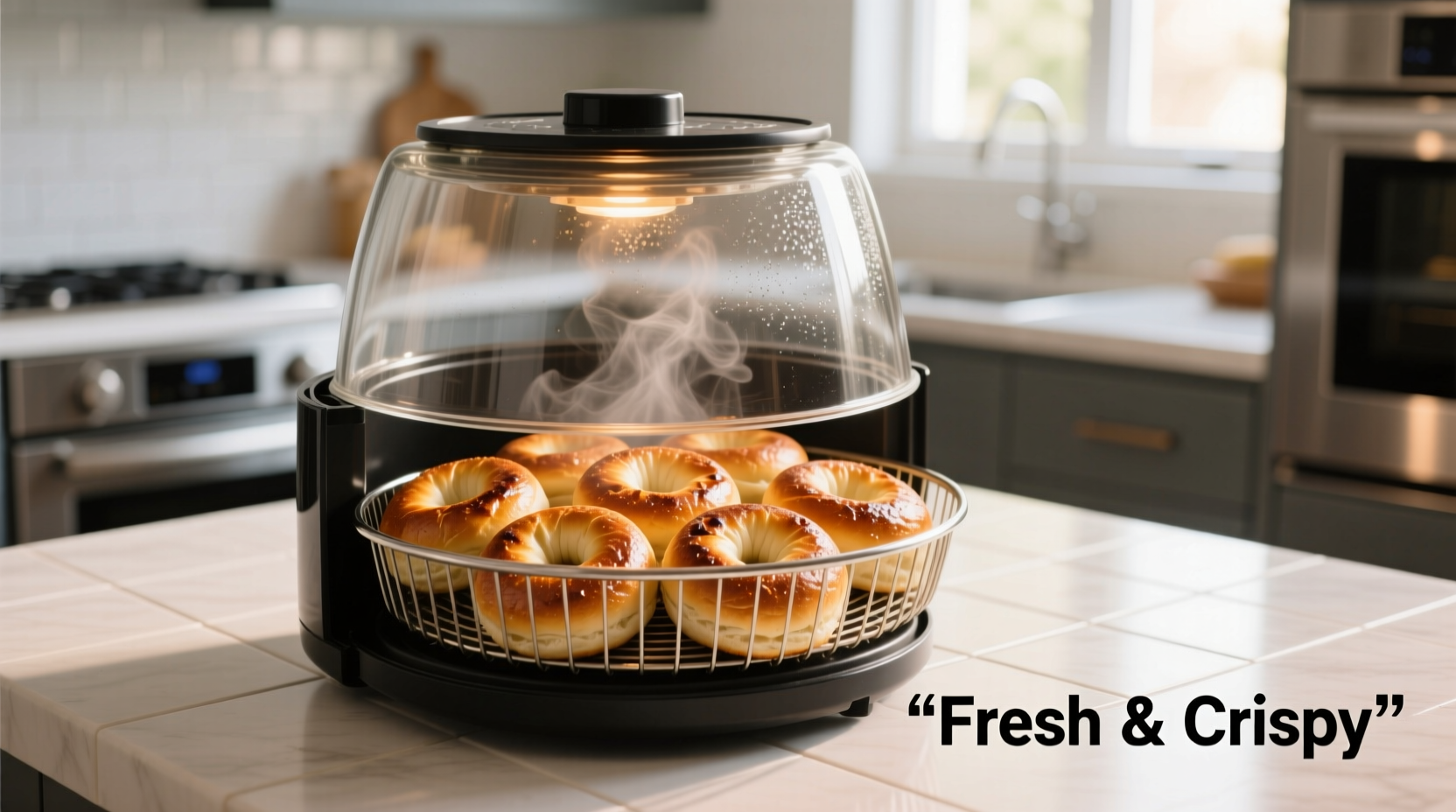
Pairings that clash or crowd a dish can ruin its profile. Too many competing flavors create confusion. One of the common cooking mistakes that ruin taste is adding several strong ingredients without a unifying element.
Balance tips
- Build around one main flavor and support it with complementary notes.
- Match intensity: strong protein with bold sauce; delicate fish with light herbs.
- Use texture contrast to make flavors pop, such as crunchy toppings on soft dishes.
I aim to balance salt, acid, fat, and bitterness in most plates. When one is missing, the dish feels incomplete. A splash of acid often corrects imbalance.
Tools and storage mistakes that harm flavor
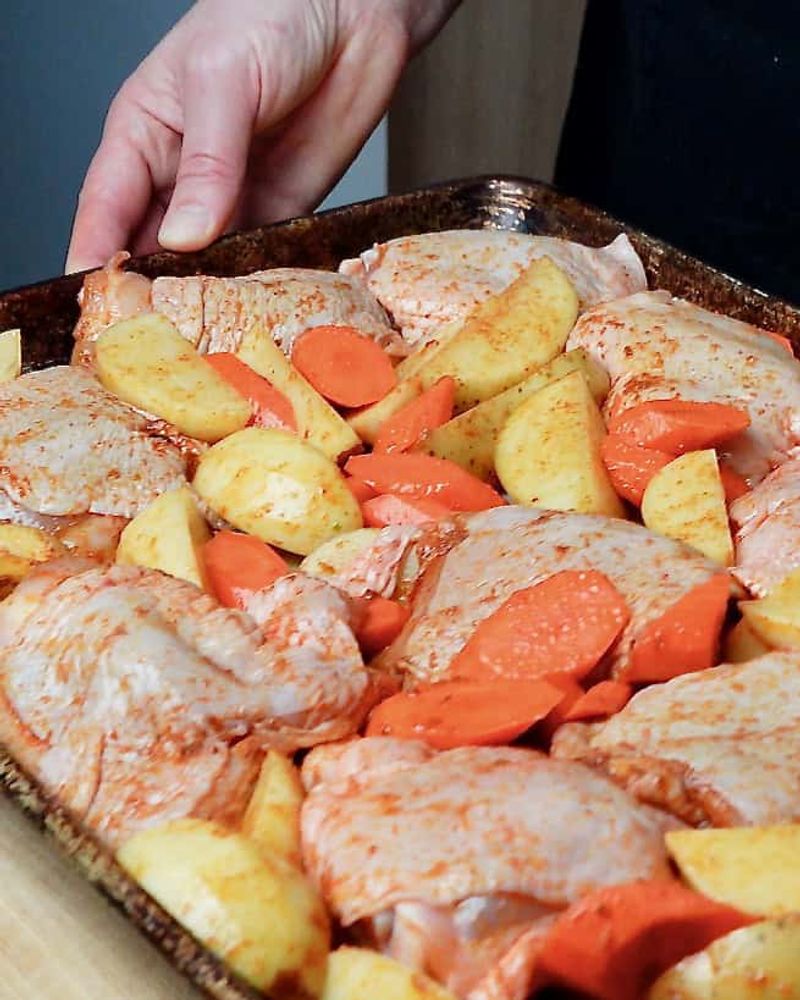
Old pans, blunt knives, and improper storage are sneaky flavor wreckers. Cooking mistakes that ruin taste also include storing food incorrectly, which leads to odor transfer or loss of aroma. Rusty or damaged tools can also affect heat and texture.
Maintain your tools
- Keep knives sharp for clean cuts and consistent cooking.
- Replace nonstick pans that are scratched or shedding coating.
- Store ingredients in airtight containers away from heat and light.
Real-world note: stale olive oil or rancid nuts will taint a whole dish. Smell oils before use; if they smell off, toss them.
How to fix and salvage dishes
Not every mistake is final. You can often rescue a meal when cooking mistakes that ruin taste occur. Simple adjustments restore balance and flavor.
Salvage techniques
- Over-salted soup: add peeled potato, simmer, then remove the potato; or dilute with stock and re-season.
- Flat sauce: brighten with acid or fresh herbs.
- Burnt bits: remove bitter sections and transfer remaining food to a clean pan; add a fresh layer of fat and aromatics.
- Dry meat: slice thin and serve with sauce or braising liquid to reintroduce moisture.
When I burned a pan sauce once, I strained out the burned bits and rebuilt the sauce from stock and butter. It tasted nearly new after a few adjustments.
Preventive checklist to avoid flavor-killing mistakes
A short checklist prevents many cooking mistakes that ruin taste. Follow these steps before and during the cook to keep flavors on track.
Daily habits
- Taste at every stage and season slowly.
- Check ingredient freshness and replace old spices.
- Preheat pans and ovens to the correct temperature.
- Use proper oil for the job; high smoke-point oils for searing.
- Rest meats and allow sauces to bloom before serving.
This checklist is my go-to before big dinners. It helps me catch problems early and saves time on fixes.
Frequently Asked Questions of cooking mistakes that ruin taste
What are the most common cooking mistakes that ruin taste?
The most common are over-salting, overcooking, wrong heat, and using stale ingredients. These errors remove nuance and create flat, bitter, or overly salty foods.
How can I avoid over-salting my food?
Season in stages and taste as you go. Use small amounts, and remember you can add but not remove salt easily.
Does burning food always ruin the entire dish?
Not always. You can often remove burnt parts and rebuild flavors with fresh aromatics, acids, or stock. Severe burning that permeates the food may be harder to fix.
Can old spices really change the taste that much?
Yes. Spices lose aroma and potency over time, and stale spices make dishes muted. Replace or toast spices to refresh them when in doubt.
How important is resting meat for flavor?
Very important. Resting lets juices redistribute so meat stays moist and flavorful when sliced. Skipping rest leads to dry, bland protein.
Conclusion
Avoiding cooking mistakes that ruin taste comes down to awareness, simple technique, and good habits. Taste often, use fresh ingredients, control heat, and season in layers. Start with the checklist and one technique to improve tonight. Try one change, like sharpening your knives or tasting mid-cook, and notice the difference. Share your results or questions below and consider subscribing for more practical cooking tips.
