
Medium heat gives steady browning, even cooking, and reduces the risk of burning food.
I’ve cooked for years and tested many techniques. This article shares practical, expert cooking on medium heat tips you can use tonight. I’ll explain how to identify true medium heat, which foods benefit most, tools to trust, common mistakes, and quick fixes. Read on for clear steps, real-life examples, and simple rules that make your meals turn out better every time.
Why medium heat matters
Medium heat is the sweet spot between slow and fast cooking. It lets food cook through without burning the outside.
Using medium heat helps proteins brown evenly and vegetables soften without turning mushy. Sauces reduce slowly, and grains finish with the right texture.
With steady medium heat, you avoid tough meat and scorched pans. That is why mastering cooking on medium heat tips improves taste and saves time.
How to identify medium heat on different stovetops
Stove type changes how medium heat feels. Learn simple cues for each kind so you can set the right level.
Gas stoves
- Visual flame: a medium flame that does not lick the pan’s sides means medium heat.
- Flame height: about half the burner’s height is a good rule.
Electric coil or glass top
- Dial numbers: medium is often between 4 and 6 on a 1–10 scale.
- Visual test: the coil should be warm and steady, not glowing bright red.
Induction
- Power level: set to mid-range, usually 3–5 on many cooktops.
- Pan feel: the pan warms quickly; back off if oil smokes.
Simple pan tests you can use on any stove
- Water droplet test: a small drop should dance and sizzle gently.
- Oil shimmer: oil will shimmer but not smoke immediately.
These quick checks make the concept of medium heat practical. Use them when following cooking on medium heat tips.
Essential cooking on medium heat tips
These core tips will change how your food cooks. Use them often to get reliable results.
- Preheat the pan for a minute or two before adding ingredients to ensure even heat.
- Use the right pan: heavy-bottomed pans hold medium heat steady.
- Add oil after the pan is warm. Cold oil makes food stick.
- Control the heat rather than leaving it on one setting. Adjust in small steps.
- Don’t overcrowd the pan; crowding lowers the pan temperature and causes steaming.
- Pat proteins dry to promote even browning at medium heat.
- Use room-temperature ingredients for faster, even cooking.
- Stir or flip at predictable intervals to prevent hot spots and burning.
- For sauces, keep a gentle simmer to reduce without scorching.
- Add delicate herbs and dairy near the end to avoid curdling or bitterness.
- Use a lid to trap heat and finish foods gently at medium temperature.
- Rest meat after cooking to allow carryover heat to finish cooking internally.
Follow these cooking on medium heat tips and you will see steadier results across recipes.
Medium heat by food type: proteins, veggies, sauces, grains
Proteins
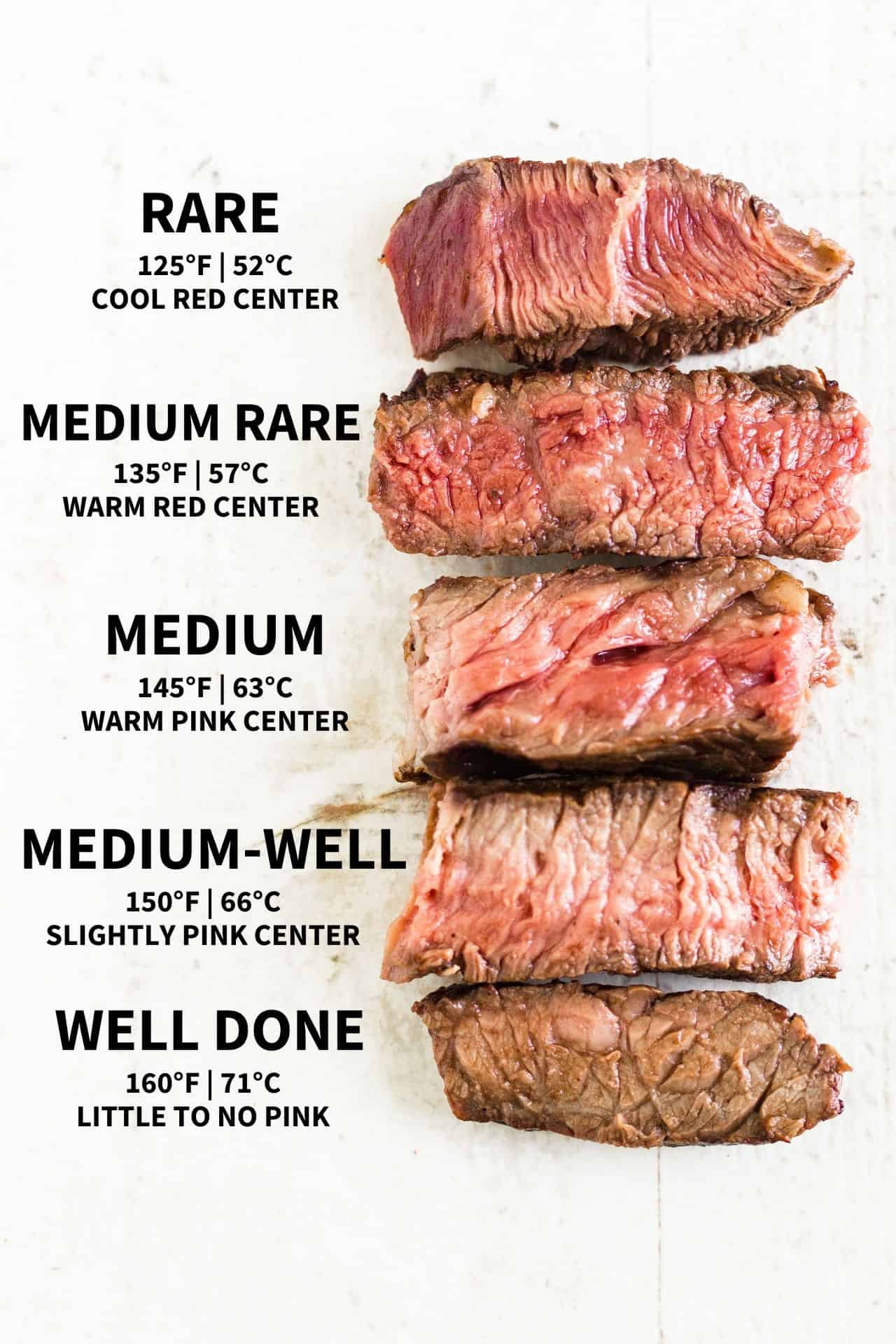
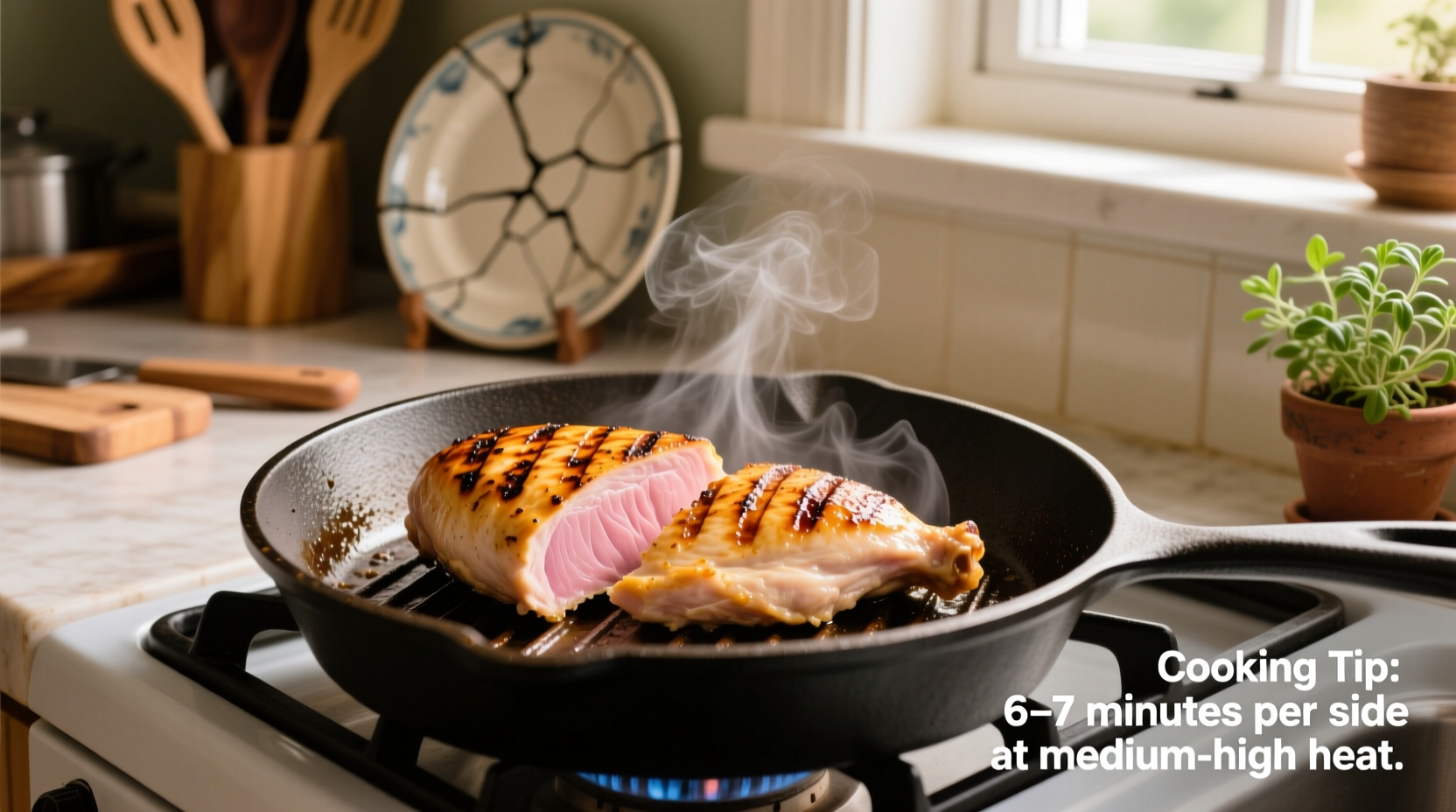
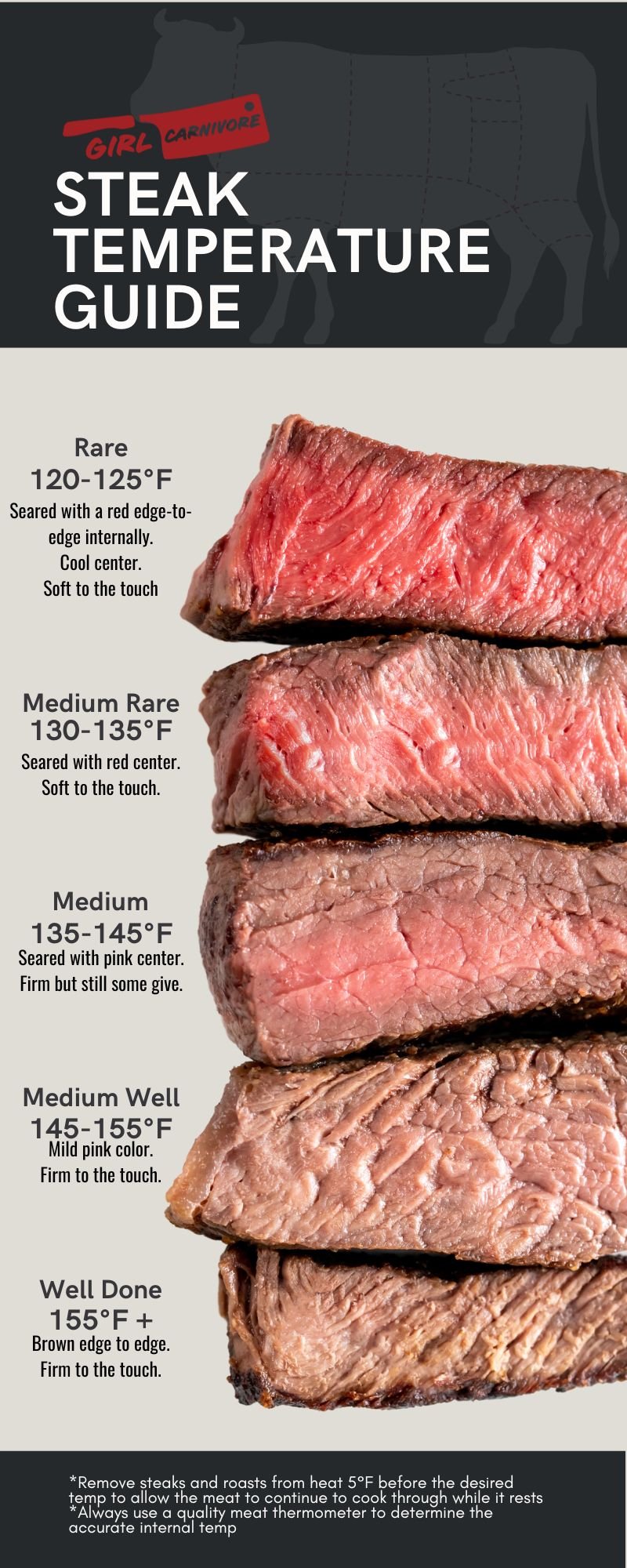
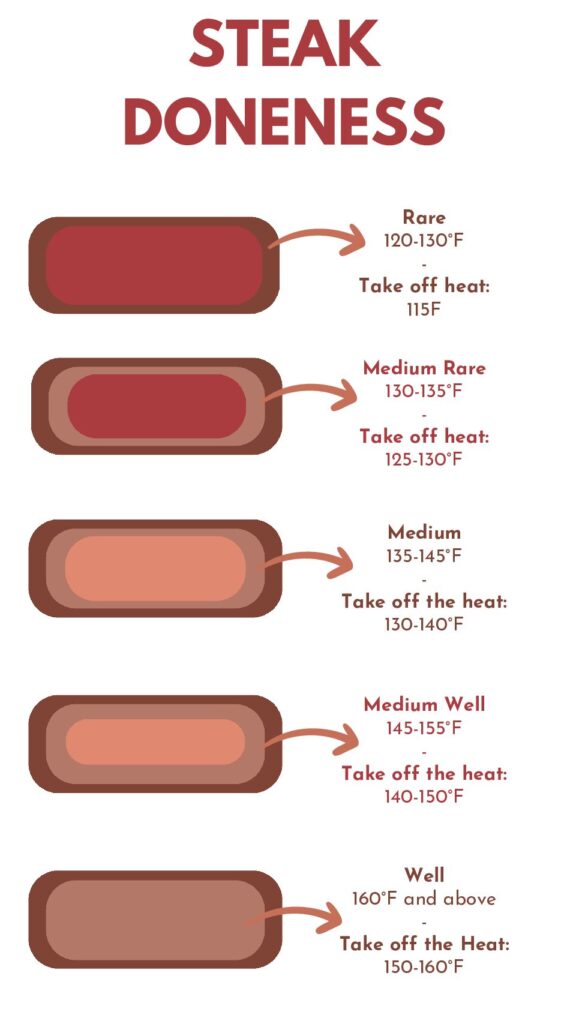
Cook steaks, chicken, and fish on medium to get a brown crust and even interior. Use a meat thermometer to check doneness, and reduce heat if the outside browns too fast.
Vegetables
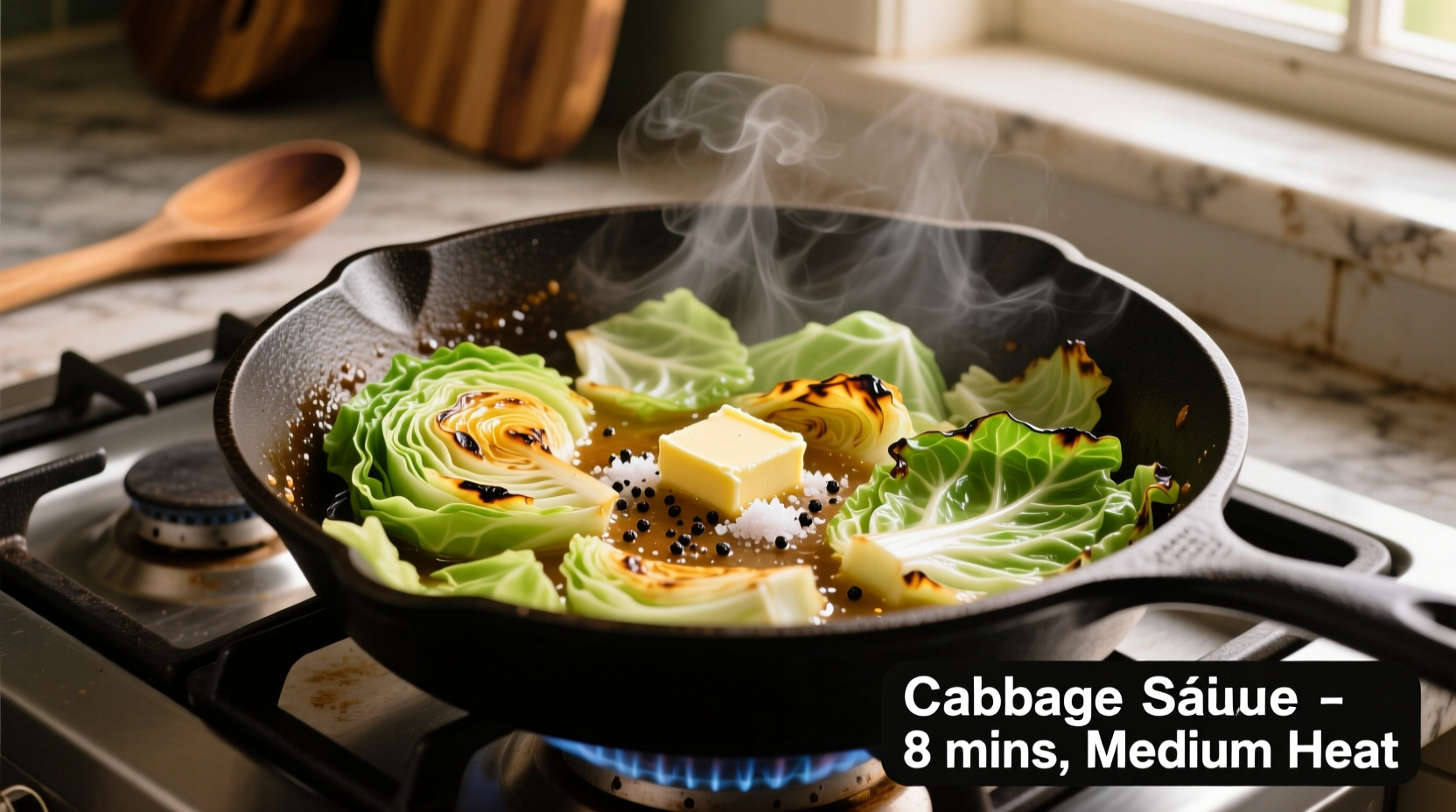
Most veggies do well on medium heat. This helps them soften and caramelize. Use a wide pan and keep pieces uniform for even cooking.
Sauces and reductions
Medium heat allows sauces to thicken slowly. Stir more often near the end to avoid sticking and burning.
Rice, grains, and legumes
Bring to a boil then reduce to medium-low or medium to simmer gently. Gentle medium heat prevents rice from drying or sticking to the pot.
These focused cooking on medium heat tips help you pick the right approach for each food type.

Tools and thermometer advice
Trust tools to nail medium heat more often. Good tools remove guesswork.
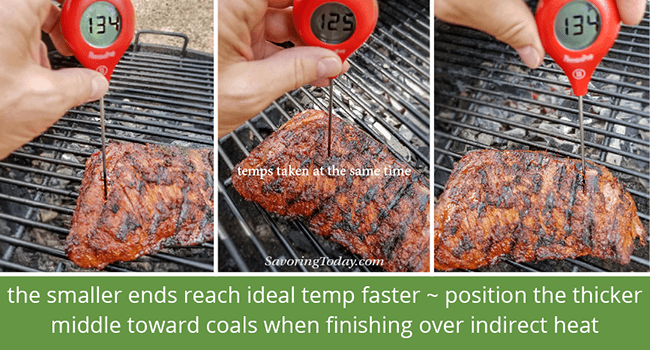
- Kitchen thermometer: use an instant-read or probe thermometer for proteins and pans.
- Infrared thermometer: measures pan surface temperature quickly.
- Heavy-bottomed pans: cast iron and stainless steel with a thick base hold medium heat well.
- Lids and splatter screens: control moisture and reduce temperature swings.
- Silicone or wooden utensils: avoid scratching pans and help manage gentle cooking.
Target temperatures to aim for
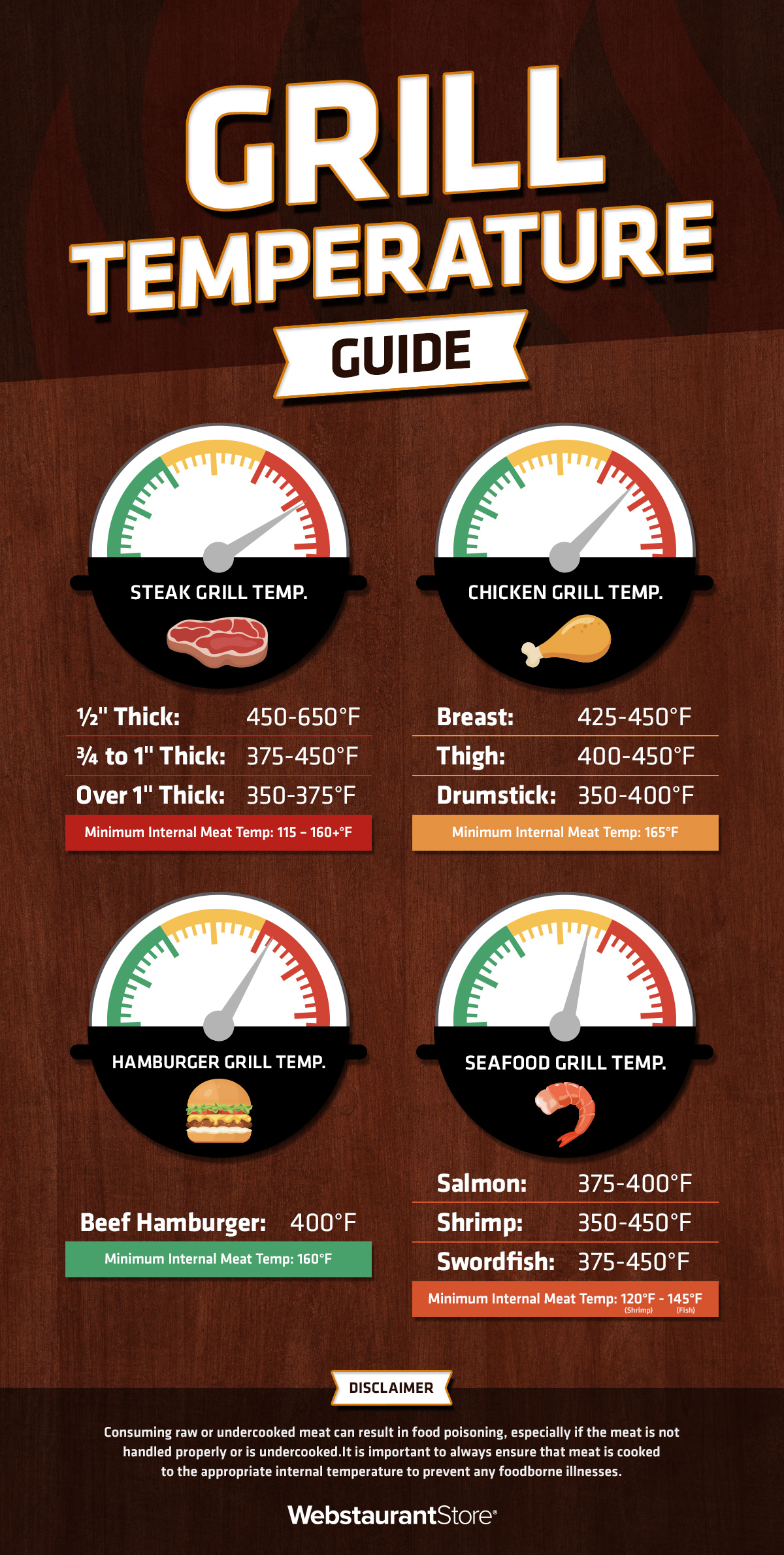
- Pan surface for medium: roughly 325–375°F (160–190°C) depending on pan and stove.
- Protein sear: 300–350°F for steady browning.
- Simmer range: 180–205°F for gentle reduction.
Using these tools with the cooking on medium heat tips gives you consistent, repeatable results.
Common mistakes and how to fix them
Mistakes happen, but most are easy to correct.
- Mistake: Starting on high heat and reducing too late. Fix: Preheat on medium and only use high heat for searing very briefly.
- Mistake: Overcrowding the pan. Fix: Cook in batches so each piece has room to brown.
- Mistake: Relying only on stove numbers. Fix: Use visual cues and simple tests like the water droplet.
- Mistake: Ignoring oil smoke. Fix: Lower heat when oil begins to smoke and switch to a higher smoke point oil.
- Mistake: Not resting meat. Fix: Tent cooked meat for a few minutes to let juices redistribute.
Learning these fixes reinforces effective cooking on medium heat tips.
Personal experiences and troubleshooting
I once seared scallops on too-high heat and ended up with burnt edges and raw centers. After that mistake, I started using medium heat for a minute, then a quick high sear for perfect results. Small changes like preheating the pan and drying the scallops made a big difference.
In another case, I cooked a large batch of stir-fry on what felt like medium, but the pan cooled from crowding. I switched to smaller batches and kept the pan hot between rounds. That simple change gave me crisp veggies and evenly cooked meat.
These lessons show why practical cooking on medium heat tips matter. Try one change at a time and note the results.
Frequently Asked Questions of cooking on medium heat tips
What exactly is medium heat on a stove?
Medium heat is the middle range of your stove’s settings. It creates steady cooking that browns food without burning it.
How can I test if my pan is at medium heat?
Drop a small water droplet; it should sizzle and dance. Oil should shimmer but not smoke immediately.
Can I cook everything on medium heat?
Not everything; some foods need low simmering or high searing. But many dishes benefit from the balance medium heat provides.
Is medium heat the same on gas and electric stoves?
No. Gas gives visual flame cues, while electric settings and pan tests work better for electric and induction. Adjust accordingly.
Should I use a lid when cooking on medium heat?
Yes, use a lid to trap heat for gentle cooking and to finish thick cuts or simmer sauces.
Conclusion
Mastering cooking on medium heat tips will make your meals more reliable and better tasting. Start with small habits: preheat the pan, dry ingredients, and use the water droplet or oil shimmer tests. Track what works and adjust in real time to learn your stove and pans.
Try one tip tonight and notice the change. Share your successes or questions below, subscribe for more practical tips, or try a new recipe using medium heat to see the difference.
