

Beginners often cook at wrong temperatures, ruining texture and risking food safety.
I’ve cooked for years and taught dozens of new cooks how to fix temperature errors. This article breaks down the common cooking temperature mistakes beginners make and gives clear, simple ways to avoid them. You’ll learn why temperature matters, how to use a thermometer, and quick fixes for everyday dishes. Read on for tested tips that save time, food, and stress.
Why cooking temperature matters
Temperature controls safety, texture, and flavor. Many of the cooking temperature mistakes beginners make come from ignoring those three basics. Food cooked at too low a temperature can be unsafe. Food cooked too hot can be dry, burnt, or tough. Temperature also affects timing. A pan that is too hot will char the outside before the inside cooks. A cool oven will keep a cake from rising right.
I’ve seen roasts ruined by high heat and soups that never developed flavor from too-low simmering. Knowing the right temps helps you cook reliably. It makes recipes repeatable and meals better every time.

Top cooking temperature mistakes beginners make
Here are the most common errors and why they matter.
- Starting on high heat and never adjusting. This scorches food and wastes flavor. I once burned garlic in two minutes by keeping the pan on high.
- Not preheating the oven or pan. Food cooks unevenly when the appliance isn’t ready. A cold pan gives soggy instead of seared food.
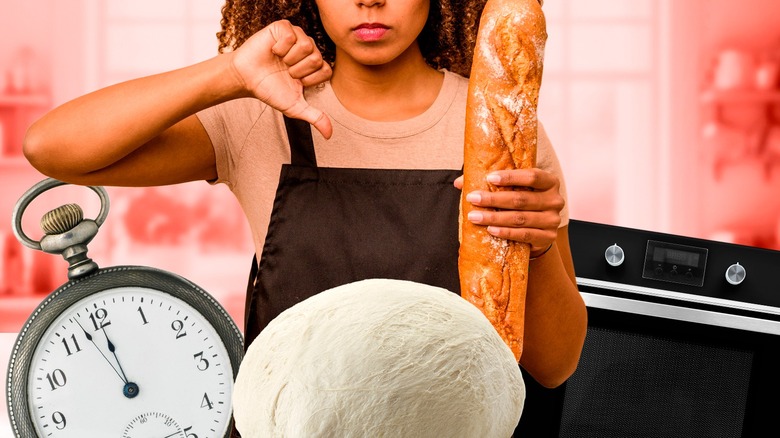
- Relying on time alone instead of temperature. Clocks lie; heat is truth. An oven set to the wrong temp ruins texture.
- Overcrowding the pan. Too many items drop the pan temperature and cause steaming. You lose sear and color.
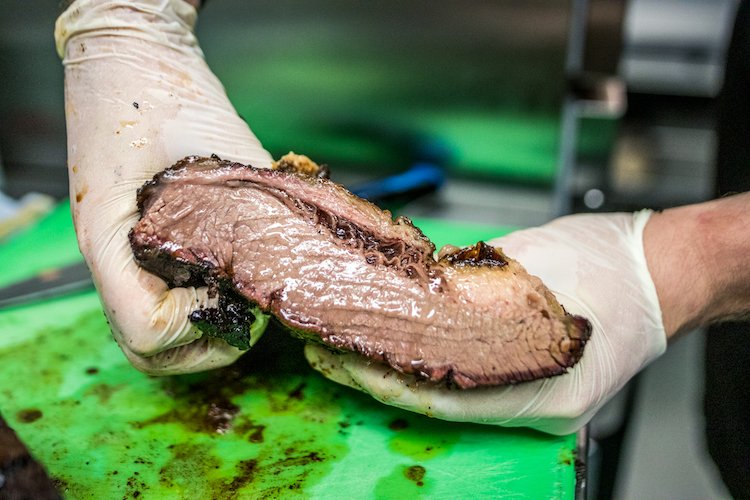
- Ignoring resting times for meats. Cutting early causes juices to run out. Letting meat rest evens the internal temp.
- Using the wrong thermometer or placing it incorrectly. You can read the temp wrong and under- or overcook food.
- Believing myths like “higher is faster” for every dish. Some foods need low, slow heat to develop flavor and tenderness.
These cooking temperature mistakes beginners make are easy to fix. Small changes beat big guesswork.
How to use a thermometer correctly
A good thermometer is the best defense against temperature errors. Use simple steps to get it right.
- Choose the right type. Use an instant-read for quick checks and a probe for roasts and poultry. Infrared guns read surface temps only.
- Calibrate or check accuracy. Test with ice water (32°F) and boiling water (212°F) at sea level. Adjust if the reading is off.
- Place it correctly. For large roasts, insert into the thickest part without touching bone. For burgers, go to the center.
- Check more than once. Test in a few spots for even cooking. If temps vary a lot, rotate the item or adjust heat.
- Account for carryover heat. Meats usually rise a few degrees after resting. Pull the roast a bit early for perfect doneness.
I learned early that a probe thermometer in the oven saved a ruined holiday roast. Trust the number, not the color.
Practical fixes for common scenarios
Use these quick fixes for everyday dishes to avoid temperature mistakes.
- Cooking chicken and poultry
- Aim for 165°F internal. Check near the bone. Rest 5 to 10 minutes.
- Avoid low slow cooking when safety is the primary concern without reaching the safe temp.
- Searing steaks and chops
- Use very hot pans for crust. Then finish at lower oven temp for even doneness.
- Test with a thermometer for this trick: sear, then roast to target temp.
- Baking cakes and breads
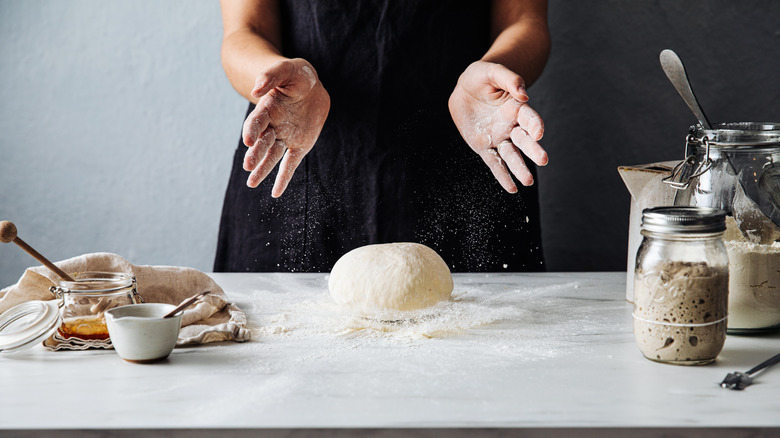
- Preheat the oven fully. Use an oven thermometer to confirm. Small temp shifts can change texture.
- Avoid opening the door early. It drops oven heat and can deflate baked goods.
- Frying and sautéing
- Heat oil to the right temp before adding food. Too cool makes greasy results. Too hot makes burnt outside, raw inside.
- Keep an eye on the smoke point of oils to avoid off flavors.
- Reheating leftovers
- Reheat to 165°F for safety. Use a covered dish to keep moisture. Stir soups for even heating.
These fixes address the cooking temperature mistakes beginners make by changing one habit at a time.
Tools and gadgets that help avoid temperature mistakes
Investing in a few simple tools will change your cooking for the better.
- Instant-read digital thermometer for quick checks.
- Oven thermometer to verify your oven’s real temperature.
- Probe thermometer with alarm for roasts and poultry.
- Heavy-bottomed pans that hold heat steady and prevent temperature drops.
- Cast iron or stainless pans for reliable sear and even heat.
I keep three thermometers in my kitchen. They are small, cheap, and have stopped many dinner disasters.

Quick troubleshooting and common myths
Short fixes for fast wins and the myths to stop believing.
- Myth: “Higher heat always cooks faster.” Not always. High heat can burn outside while leaving inside raw. Use the right heat level.
- Myth: “You can judge doneness by look alone.” Color can mislead. Use a thermometer when safety matters.
- Problem: Food is burned outside but raw inside. Fix by lowering heat and finishing in the oven.
- Problem: Cake sinks in the middle. Fix by ensuring correct oven temperature and full preheat.
- Problem: Meat dry after cooking. Fix by cooking to lower target temp and resting before slicing.
These small changes cut down on the cooking temperature mistakes beginners make quickly.

Frequently Asked Questions of cooking temperature mistakes beginners make
What is the single biggest cooking temperature mistake beginners make?
Beginners often cook at consistently wrong heat levels, usually too high. This scorches food, ruins texture, and hides true doneness.
How do I know if my oven is at the right temperature?
Use an oven thermometer placed in the middle rack and compare after preheat. Adjust oven settings if it reads off by more than 10°F.
Can I use the touch test to check steak doneness?
The touch test is a rough guide and takes practice. For reliable results, use a thermometer to confirm internal temperature.
How much should meat rest after cooking?
Rest small cuts 5 minutes and larger roasts 10 to 20 minutes. Resting evens internal temperatures and keeps juices inside.
Is a higher pan temperature always better for searing?
Higher pan temperature helps create a crust, but overheating burns food. Preheat, then adjust so the fat shimmers without smoking.
Why does my skillet temperature drop when I add food?
Adding cold food absorbs heat and lowers pan temperature. Avoid overcrowding and let the pan recover between batches.
Conclusion
Cooking temperature mistakes beginners make are common and fixable. Start by using a good thermometer, preheating appliances, and matching heat to the dish. Small habits—like checking temps and allowing rest—create big improvements in safety and flavor. Try one change this week and notice how much better your meals taste. If this helped, subscribe, try the tips, or leave a comment with your kitchen question.
