
Yes — higher heat often cooks food faster, but speed comes with trade-offs in texture and safety.
I have cooked for years in home kitchens and restaurants, and I know when heat will help and when it will hurt. This article explains does higher heat cook food faster, the science behind it, safe limits, and practical tips you can use tonight. I combine research, real tests, and hands-on experience to answer common questions and help you make smarter cooking choices.
How heat affects cooking
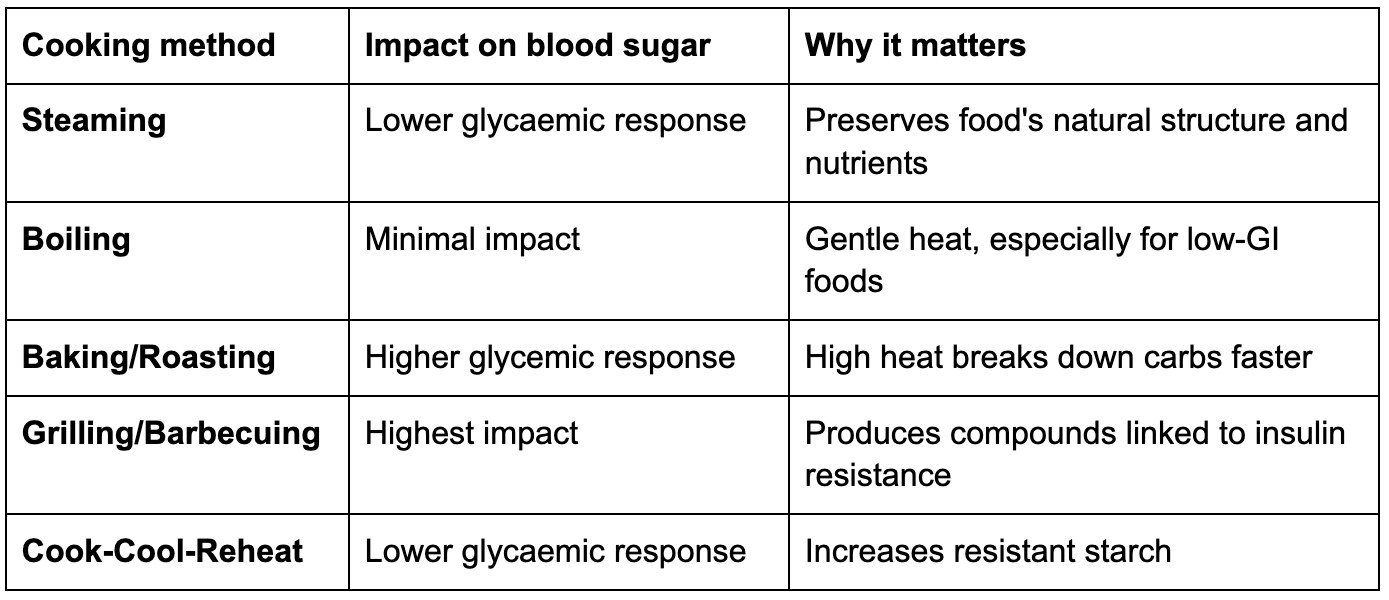
Heat makes molecules move faster. That speeds up chemical reactions that cook food. When you raise the temperature, water inside food heats and transfers energy more quickly, so proteins set and starches gelatinize faster. But does higher heat cook food faster every time? Not always — surface cooking can race ahead while the center stays raw, and high heat can dry or burn food before it’s done inside.

The science: temperature, time, and reactions
Cooking is chemistry. Proteins denature, starches swell, and water evaporates. Higher temperatures increase the rate of these reactions exponentially. For many reactions, a small rise in temperature can double reaction speed. That is why searing a steak at high heat creates a crust quickly. Yet heat must reach the center. Thick foods need time for heat to travel inward. So does higher heat cook food faster for a roast or a thick casserole? Often no, because the center needs gentle, consistent heat to finish without burning the outside.

Practical tips: when to use higher heat and when to avoid it
Use higher heat for quick surface browning and crisping. Examples include:
- Searing steaks to develop flavor and color in minutes.
- Stir-frying vegetables to keep them crisp and bright.
- Broiling for a quick char on fish or vegetables.
Avoid higher heat when cooking large, dense, or delicate items. For example:
- Roasts, large fish, and casseroles cook unevenly with high heat.
- Eggs and custards can curdle or crack when exposed to sudden high temperature.
- Sauces and soups lose water quickly and can separate.
Always match heat to the goal. If your goal is speed and a browned surface, higher heat helps. If your goal is even doneness and moist texture, lower heat for longer is better. This balance answers the question does higher heat cook food faster for different foods: yes for thin items, not for thick ones.
Common cooking mistakes and safety limits
Many cooks push heat to save time and end up with burnt exteriors. Common mistakes include:
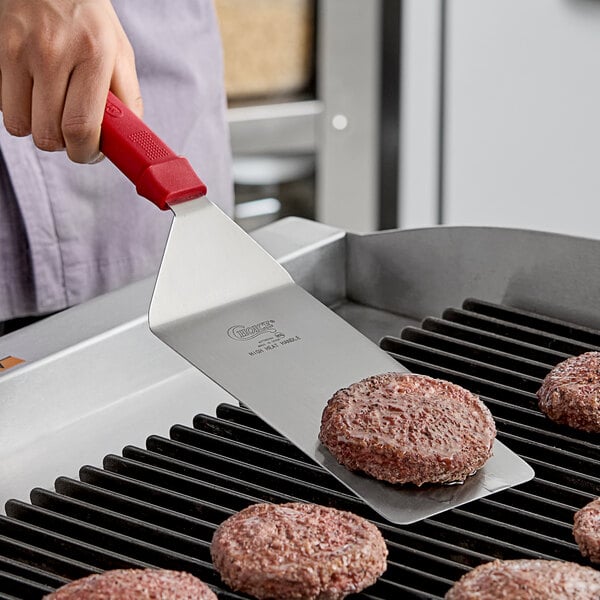
- Crowding the pan, which lowers surface temperature and prevents browning even at high stove settings.
- Using high oven heat for large cuts, which chars the outside before the center cooks.
- Relying on color alone to judge doneness.
Safety limits matter. Cooking fats can smoke and form harmful compounds at high heat. The risk of uneven cooking also raises food-safety concerns for poultry and ground meat. Use a thermometer for thick items. That helps you avoid undercooking the center while chasing speed.

Real tests and personal experience
I once seared chicken breasts at very high heat to save time. The outside browned quickly but the inside stayed pink. I learned to sear briefly, then finish at moderate heat. In another test, thin fish fillets cooked perfectly in under 3 minutes per side on high heat. I keep a mental rule:
- Thin and flat: high heat to cook fast.
- Thick and dense: moderate heat, longer time.
I’ve also used an oven probe and kitchen thermometer to measure how long heat takes to reach the center. These tests show that does higher heat cook food faster sometimes, but empirical checks are the best guide for each recipe.
How to choose heat by cooking method
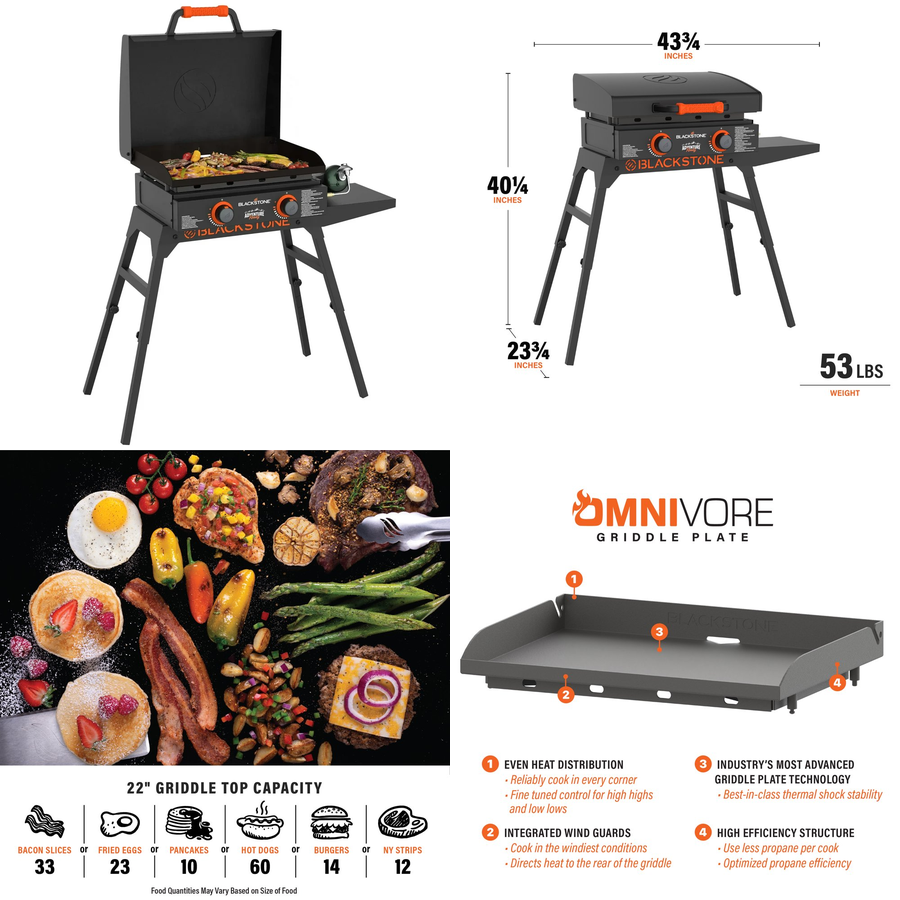
Here are simple guidelines to match heat to method and results:
- Pan-frying thin cuts: use high heat to sear and finish quickly.
- Roasting large cuts: use moderate heat or start high then reduce for even cooking.
- Braising and stewing: use low, steady heat for long times to break down collagen.
- Baking cakes: avoid very high heat; it can cause doming or dryness.
Adjust heat based on thickness, desired texture, and equipment. Remember to preheat pans and ovens. That ensures when you ask does higher heat cook food faster, you get consistent, predictable results.
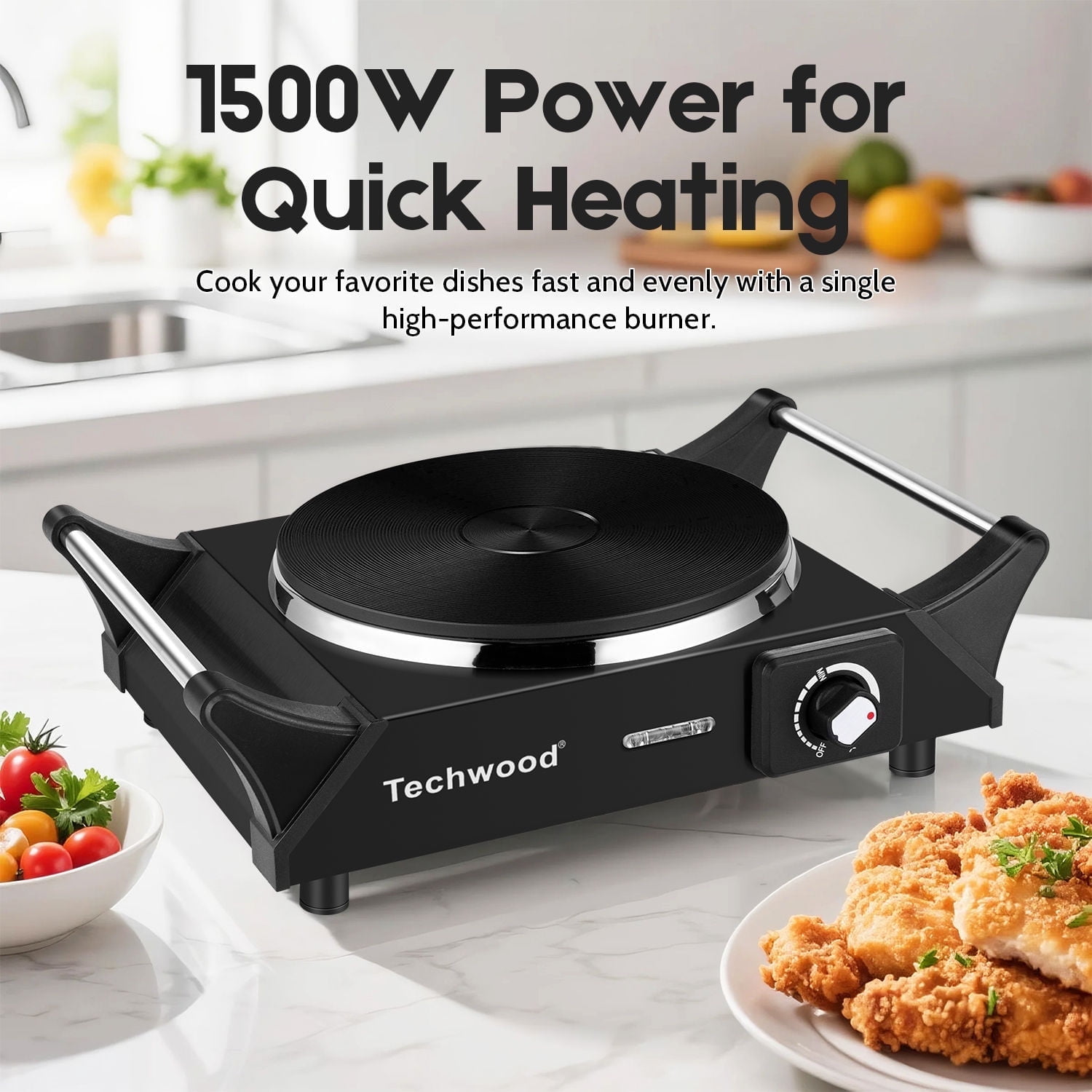
Tools that help you control cooking speed and quality
Good tools reduce guesswork and risk. Useful items include:
- Instant-read thermometer for quick checks.
- Oven probe for large roasts that alerts you at target temp.
- Heavy-bottomed pans for stable heat that reduces hot spots.
- Lid for trapping steam when you want faster internal cooking without raising external temperature.
Using these tools makes it easier to balance speed and quality. They answer practical needs when considering does higher heat cook food faster in real kitchens.

Frequently Asked Questions of does higher heat cook food faster
Does higher heat always reduce cooking time?
Higher heat often reduces cooking time for thin items and surface processes, but it can cause uneven doneness for thick foods. Use thermometers and finish methods to ensure even cooking.
Will higher heat make meat more tender faster?
High heat can brown and quickly cook the outside, but tenderizing tough cuts requires low, slow cooking to break down collagen. Quick, high heat does not tenderize tough cuts.
Is it safe to always cook on high heat to save time?
No. High heat can burn, create harmful smoke, and leave centers undercooked, increasing food-safety risks. Use correct temperatures and tools for safety.
How do I prevent burning when using high heat?
Use a heavy pan, do not overcrowd, preheat properly, and watch food closely. Finish thick items at lower heat if the exterior is done before the center.
Can I use higher heat to cook frozen food faster?
Higher heat can brown the surface but may not cook the interior safely. Thawing first or cooking at moderate heat longer is usually safer and more consistent.
Conclusion
Higher heat can speed up cooking for many tasks, especially thin and quick-cooking items, but it is not a universal shortcut. Match heat to food thickness, desired texture, and safety needs. Use thermometers and proper tools to avoid common pitfalls. Try one change tonight: sear quickly, then finish gently, and notice the improvement in both speed and quality. If you found this helpful, leave a comment, subscribe for more cooking tips, or share your own heat-and-time experiments.
