

Control temperature with the right pan, burner, and a good thermometer for reliable results.
I’ve cooked for years and taught friends how to manage heat like a pro. This guide on heat control tips for home cooking distills clear, practical strategies you can use tonight. You’ll learn why pans matter, how to read your stovetop, when to lower heat, and which tools save you from guesswork. Expect easy steps, real-life examples, and mistakes I made so you don’t repeat them.

Understanding the basics of heat in the kitchen
Heat moves in three main ways: conduction, convection, and radiation. Knowing how each works helps you control temperature better when you cook. Mastery of heat control tips for home cooking starts with understanding how heat reaches food and how cookware and technique change outcomes.
- Conduction: Heat travels through metal to food. Use heavy-bottom pans to spread heat evenly.
- Convection: Hot air moves in the oven. A convection fan speeds and evens cooking.
- Radiation: Broilers and grills use radiant heat to sear and brown.
When you think about heat control tips for home cooking, picture a sunbeam hitting a skillet or warm air circulating in an oven. That mental picture helps you pick the right method for the dish.

Essential heat control tips for home cooking
Here are core rules I use every time I cook. They are the backbone of reliable dishes.
- Match pan size to burner size. Small pan on large burner wastes heat and causes hot spots.
- Preheat properly. Let pan or oven reach temperature for even cooking.
- Use an instant-read thermometer. Don’t rely on time alone.
- Start hot, finish low. Sear at high heat, then reduce to cook through gently.
- Use lids to trap heat and finish foods faster.
- Reduce overcrowding. Crowding drops temperature and causes steaming not browning.
Practice these heat control tips for home cooking and you’ll see fewer burnt edges and more evenly cooked centers. The difference is especially clear when making sauces, seared meats, or stir-fries.

Stovetop heat management
Stovetop work depends on burner control and pan choice. Small actions change results quickly.
- Know your burner settings. Simmer is not the same on every stove. Test with water: a gentle ripple is low, a rolling boil is high.
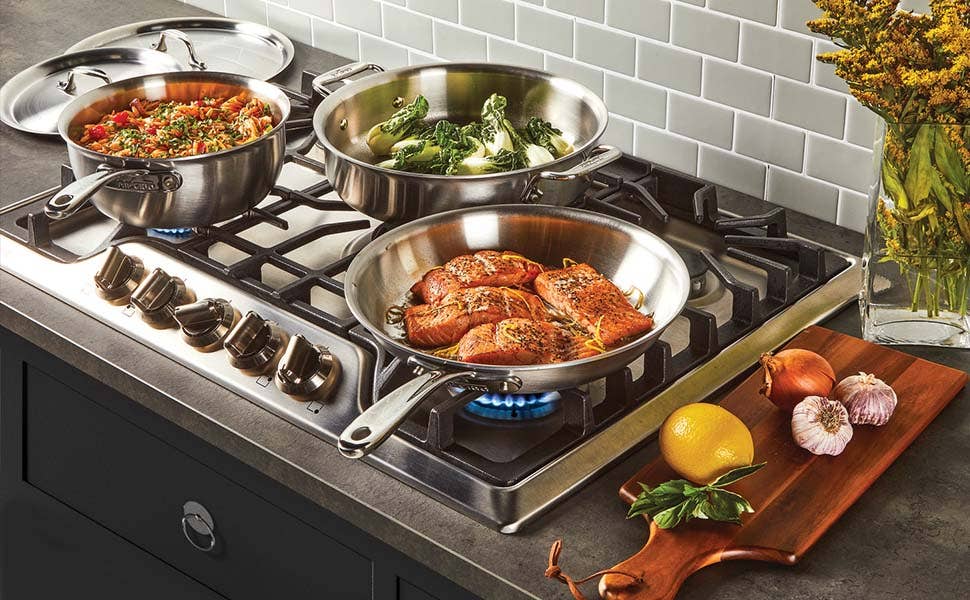
- Match metal to task. Stainless steel for searing, cast iron for stable heat, nonstick for low-temperature cooking.
- Use a heat diffuser on low flames to prevent hotspots for delicate sauces or milk.
- Control flame size. Keep flames from licking up the pan sides; wasted heat damages handles and unevenly heats food.
When you follow these heat control tips for home cooking on the stovetop, sauces finish smoother and proteins cook more evenly. I learned this after repeatedly burning garlic on a too-hot pan—now I always prep heat before adding aromatics.
Oven and broiler tips
Ovens are great for steady heat, but they need calibration and placement awareness.
- Preheat fully. Many ovens show a light when ready, but an oven thermometer gives real accuracy.
- Use the correct rack. Center for even baking, top for browning, bottom for crisping.
- Convert recipes with convection carefully. Lower temperature 25°F and check earlier.
- Broil with care. Move racks and watch closely; broilers work fast.
These heat control tips for home cooking help you avoid underbaked centers or overbrowned tops. I once baked bread on the top rack and got a dark crust with raw middle—now I check rack position every time.

Pans, pots, and heat transfer
Cookware changes how heat moves and how food responds.
- Heavy-bottom pans hold and spread heat better. They reduce hot spots.
- Thin pans heat fast but unevenly. Use them for quick tasks, not long simmers.
- Lids trap steam and raise internal temperature—great for rice and braises.
- Choose materials for task: copper for fast, precise heat; cast iron for stable, long heat.
Understanding cookware is a major part of heat control tips for home cooking. I recommend investing in one good cast iron and one heavy stainless skillet. They cover most needs and make heat predictable.
Tools and gadgets that make heat control simple
A few inexpensive tools can make a big difference.
- Instant-read thermometer for meats and baked goods.
- Oven thermometer to verify actual oven temperature.
- Heat diffuser to tame strong burners.
- Splatter guards and lids to manage steam and heat.
- Kitchen timer and phone alerts to avoid overcooking.
These items support the heat control tips for home cooking by removing guesswork. Using an instant thermometer changed my timing for chicken and saved meals from drying out.

Common mistakes and how to fix them
Even experienced cooks slip up. Here are quick fixes I use.
- Mistake: Overcrowding the pan. Fix: Cook in batches so temperature stays steady.
- Mistake: Starting at low heat and expecting a sear. Fix: Preheat pan until it’s hot, then add oil and food.
- Mistake: Trusting oven dial only. Fix: Use an oven thermometer to confirm temperature.
- Mistake: Using wrong-sized burner. Fix: Match pan and burner to avoid wasted heat.
Learning these corrections is central to heat control tips for home cooking. I burned vegetables by crowding a pan once; after that, batch cooking became routine.

My personal experience and lessons learned
I began with guesswork and burned more than I liked. Over time I learned to read the pan, trust thermometers, and respect the flame. Small habits made the biggest difference.
- Lesson: Preheat is not optional. Waiting five extra minutes saves a ruined protein.
- Lesson: A proper pan pays for itself. Cheap thin pans taught me this the hard way.
- Lesson: Taste as you go. Heat control affects seasoning perception; adjust at the end.
These lessons shaped how I teach heat control tips for home cooking to friends and family. I share these friendly tips so you can skip the trial-and-error stage.
Frequently Asked Questions of heat control tips for home cooking
How do I know when a pan is hot enough?
Drop a few drops of water in the pan; if they sizzle, swirl, and evaporate quickly, it’s ready. For oil, tilt the pan and watch for a thin shimmer.
Can I sear meat on a nonstick pan?
You can, but nonstick coatings don’t handle very high heat well and can degrade. Use stainless or cast iron for best sear and heat control.
How do I prevent my oven from running too hot or too cold?
Place an oven thermometer near the center rack and check it while preheating. Adjust the oven dial or note the offset for future recipes.
Is high heat always better for faster cooking?
Not always. High heat can brown the outside while leaving the inside undercooked. Use high heat to sear, then lower heat to finish cooking.
What’s the best way to avoid burning garlic?
Cook garlic on medium-low heat and add it later in the process, or add it after aromatics are already soft. Garlic burns quickly and turns bitter when the pan is too hot.
Conclusion
Heat control tips for home cooking are simple habits that add consistency and confidence to your kitchen work. Start with proper cookware, learn your stove and oven, use a thermometer, and don’t rush preheating. Try one tip this week—match your pan to the burner or use an instant-read thermometer—and notice the difference. Share your results, subscribe for more tips, or leave a comment with your own heat-control wins.
