

Discover how heat resistant silicone mats can revolutionize your kitchen protection in 2026! This comprehensive guide covers everything from selecting the perfect mat to mastering its use and ensuring its longevity. Effortlessly safeguard countertops, tables, and more from hot pots, pans, and baking sheets. Invest in durability and peace of mind with these essential kitchen accessories.
Heat Resistant Silicone Mats to Protect Surfaces
In the fast-paced world of modern kitchens, protecting your valuable countertops and dining surfaces from heat damage is a top priority. From a steaming pot of pasta to a freshly baked cookie sheet, direct contact with hot items can leave unsightly marks, burns, or even cause permanent damage. Fortunately, there’s a simple, effective, and stylish solution: heat resistant silicone mats. In 2026, these versatile kitchen companions are more popular than ever, offering a blend of functionality, durability, and aesthetic appeal.
This comprehensive guide will walk you through everything you need to know about heat resistant silicone mats. We’ll delve into why they are an essential addition to any home, how to choose the perfect mat for your needs, and the best practices for using and caring for them. By the end of this guide, you’ll be equipped to make informed decisions and confidently use your silicone mats to safeguard your surfaces for years to come.
- Understand the Benefits: Heat resistant silicone mats offer superior protection against burns, scratches, and stains, preserving the aesthetic and integrity of your surfaces.
- Choosing the Right Mat: Key factors include heat resistance temperature rating, thickness, size, shape, and any additional features like non-slip surfaces.
- Proper Usage is Key: Learn how to correctly place hot items on the mats, understand their limitations, and use them for various kitchen tasks beyond just protecting surfaces.
- Care and Maintenance for Longevity: Simple cleaning and storage techniques will ensure your silicone mats remain effective and hygienic for years to come.
- Beyond the Kitchen: Explore the versatility of silicone mats for crafts, DIY projects, and other areas in your home where heat protection is needed.
- Troubleshooting Common Issues: Address potential problems like stickiness, discoloration, or odor with practical, easy-to-follow solutions.
Why You Need Heat Resistant Silicone Mats
Let’s start with the fundamental question: why should you invest in heat resistant silicone mats? The answer is simple: protection. Your kitchen surfaces, whether they are granite, laminate, wood, or tile, are susceptible to damage from heat. A hot pan can leave a dull spot on granite, scorch wood, or even crack certain types of tile. Silicone mats act as a vital barrier, absorbing and dissipating heat before it can harm your countertops or table.
Beyond heat protection, these mats offer several other advantages:
- Scratch Prevention: The slightly cushioned surface of a silicone mat can prevent scratches from the bottom of pots and pans.
- Stain Resistance: Many silicone mats are non-porous and resistant to stains from spills, making cleanup a breeze.
- Non-Slip Surface: A good quality silicone mat provides a stable, non-slip base for hot items, reducing the risk of accidents.
- Versatility: They aren’t just for hot cookware. Use them under serving dishes, during food prep, or even for craft projects.
- Easy Cleaning: Most silicone mats are dishwasher safe or can be easily wiped clean.
- Aesthetic Appeal: Available in a wide range of colors and designs, silicone mats can complement your kitchen décor.
Choosing the Right Heat Resistant Silicone Mat
With the growing popularity of silicone mats, the market offers a dazzling array of options. To make sure you select the best mat for your needs, consider these crucial factors:
Visual guide about Heat Resistant Silicone Mats to Protect Surfaces
Image source: rysilicone.com
1. Heat Resistance Temperature Rating
This is perhaps the most important specification. Silicone mats are rated to withstand certain temperatures. Always check the manufacturer’s stated maximum temperature. Most high-quality mats can handle temperatures from 400°F to 600°F (200°C to 315°C), which is sufficient for most everyday cooking and baking needs. For extreme heat, such as placing a scorching cast iron skillet directly from the stovetop, look for mats with higher ratings.
2. Thickness and Durability
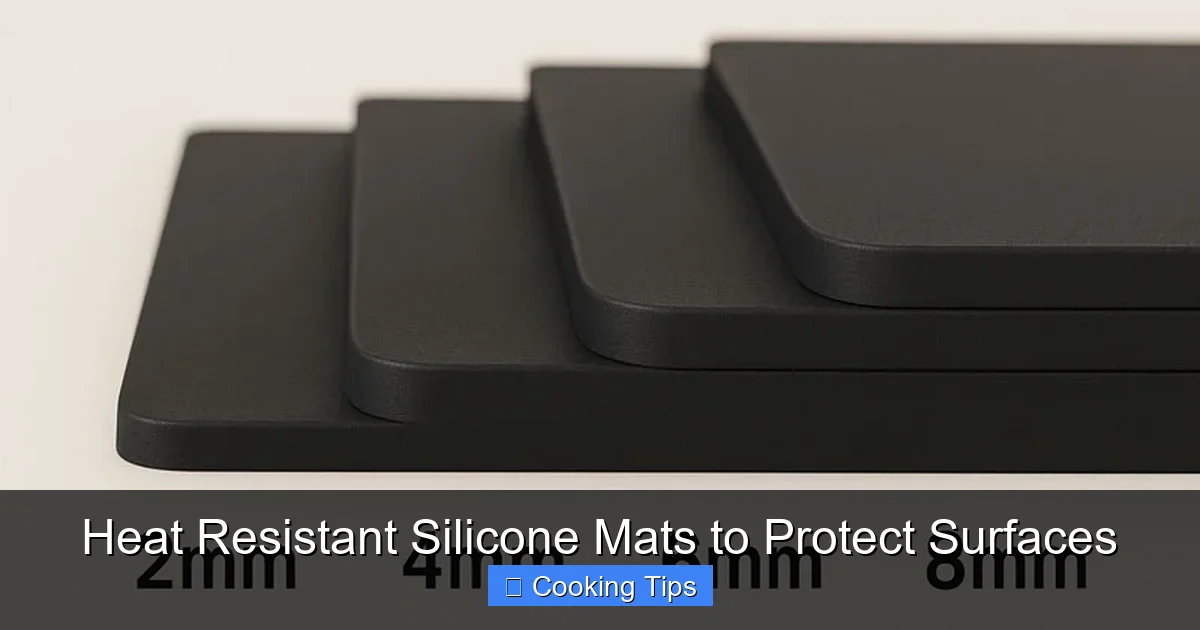
The thickness of a silicone mat directly impacts its ability to insulate and protect. Thicker mats generally offer better heat protection and are more durable. Look for mats that are at least 0.5mm thick, with premium options reaching 1mm or more. Thinner mats might suffice for lighter duty, but for heavy-duty use, thicker is better.
3. Size and Shape
Consider where you will be using your silicone mats most often. Do you need a large mat to accommodate multiple pots and pans? Or smaller, individual mats for placing under individual dishes? Mats come in various shapes and sizes, from large rectangular sheets to round trivet-style mats. Measure your common kitchen spaces and think about the size of your typical cookware before making a purchase.
4. Material Quality and Food Safety
Ensure the mat is made from 100% food-grade silicone. This material is non-toxic, BPA-free, and safe for contact with food. Avoid mats that have a strong chemical smell, as this could indicate lower-quality or potentially unsafe materials. Reputable brands will clearly state their material certifications.
5. Additional Features
Some silicone mats come with added features that enhance their usability:
- Non-Slip Texture: A textured surface, on both the top and bottom, can prevent items from sliding and the mat from moving on your countertop.
- Raised Edges: Mats with slightly raised edges can help contain minor spills.
- Hanging Holes: Some mats have integrated holes for convenient storage on a hook.
- Markings or Grids: Certain baking mats have measurement grids, making them useful for precise pastry work.
How to Use Your Heat Resistant Silicone Mats
Once you’ve chosen the perfect silicone mats, understanding how to use them effectively is crucial for maximizing their benefit and ensuring their longevity.
Visual guide about Heat Resistant Silicone Mats to Protect Surfaces
Image source: rysilicone.com
1. Placing Hot Items
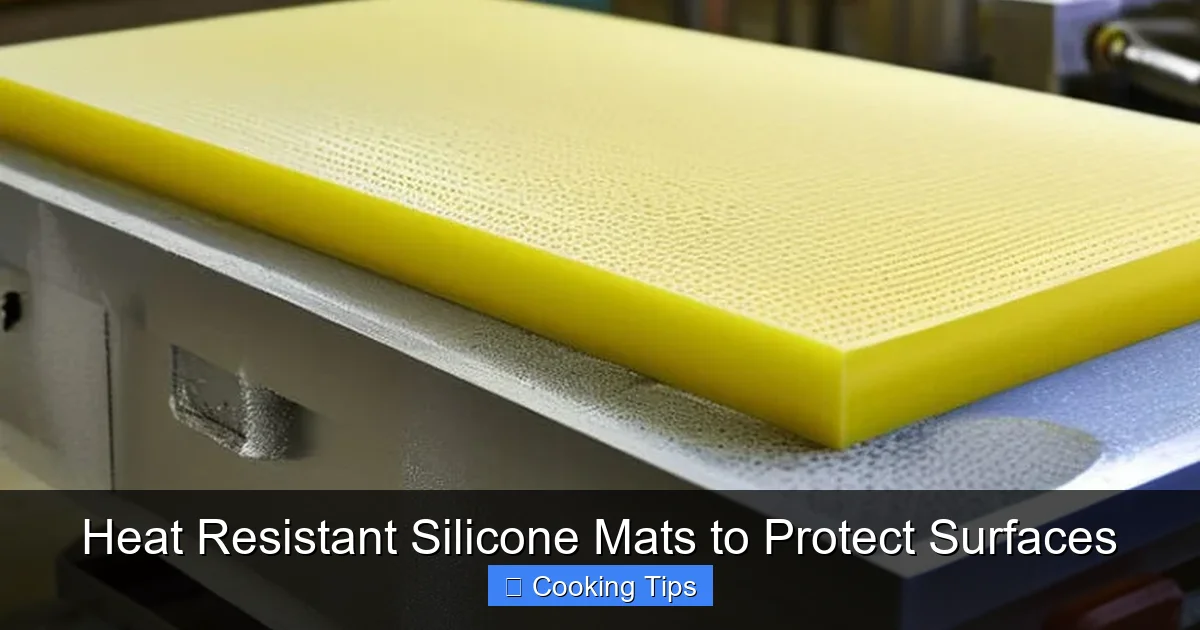
The primary function of a heat resistant silicone mat is to act as a buffer between hot cookware and your surfaces. When you remove a pot, pan, or baking sheet from the oven or stovetop, place it directly onto the silicone mat. Ensure the entire base of the hot item is supported by the mat.
2. Understanding Limitations
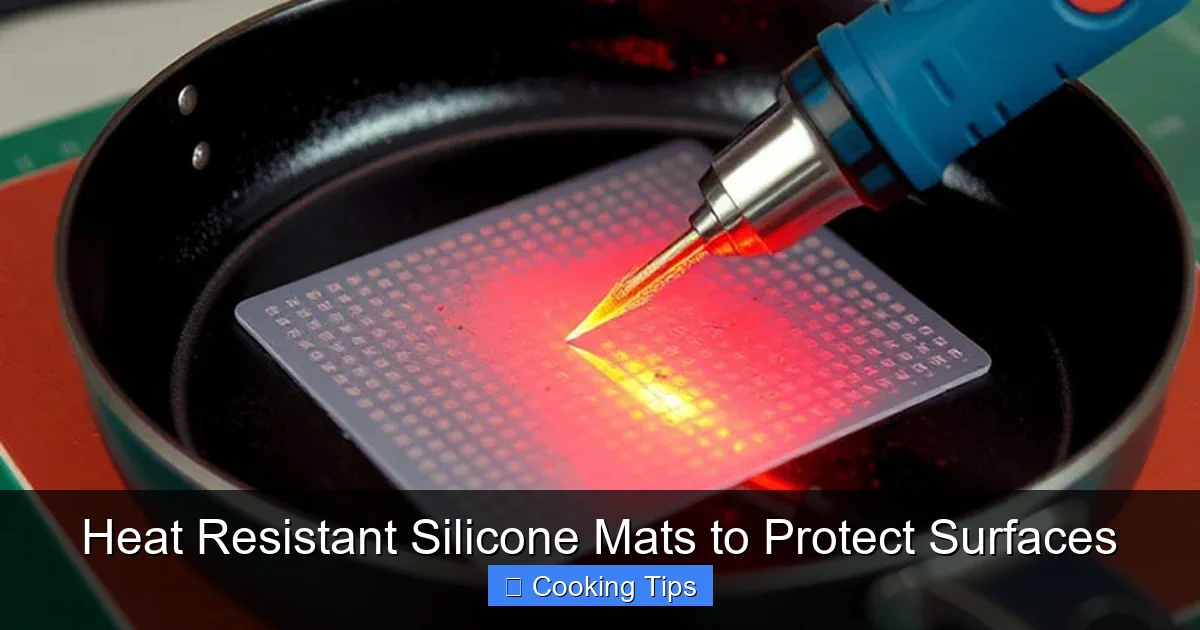
While silicone mats are excellent at resisting heat, they are not invincible. Always adhere to the manufacturer’s maximum temperature rating. Extremely prolonged exposure to temperatures significantly exceeding the mat’s rating, or placing molten hot materials directly onto the mat, could cause damage or deformation.
3. Using as a Trivet
Silicone mats serve as fantastic, large trivets for serving dishes at the dining table. Instead of using multiple small trivets, a single large mat can comfortably hold a large serving bowl or platter, protecting your table from heat and condensation.
4. During Food Preparation
These mats are invaluable during food preparation. They provide a stable, non-slip surface for chopping, kneading dough, or rolling out pastry. Their easy-to-clean nature means you can simply wipe away flour, spills, or food residue.
5. For Cooling Baked Goods
Freshly baked items often need to cool before being moved. Placing a hot baking sheet directly onto a silicone mat on a cooling rack or countertop allows for even cooling while simultaneously protecting the surface beneath.
6. For Crafting and DIY Projects
The heat resistance and non-stick properties of silicone mats make them ideal for various craft and DIY projects. Use them as a surface for hot glue gun work, resin pouring, painting, or any activity where you need to protect your workspace from heat or messy materials.
Care and Maintenance for Longevity
Proper care will ensure your heat resistant silicone mats remain in excellent condition and perform effectively for years. Here’s how to keep them clean and well-maintained:
Visual guide about Heat Resistant Silicone Mats to Protect Surfaces
Image source: rysilicone.com
1. Daily Cleaning
For everyday spills and messes, a quick wipe-down is usually sufficient. Use a damp cloth with mild dish soap. For more stubborn residues, a soft sponge can be used. Ensure the mat is completely dry before storing to prevent mold or mildew.
2. Deep Cleaning
Periodically, you’ll want to give your silicone mats a more thorough cleaning. Most silicone mats are dishwasher safe. Place them on the top rack of your dishwasher for optimal results. If you don’t have a dishwasher, or prefer to hand-wash, use warm, soapy water and a non-abrasive sponge. For tough stains or odors, a paste of baking soda and water can be applied and left to sit for a while before rinsing.
3. Dealing with Sticky Residue
Over time, some sticky residues might develop from certain foods or oils. A good way to remove this is by using rubbing alcohol or a degreasing agent. Apply to a cloth and wipe the affected area. Rinse thoroughly afterwards.
4. Storage
Store your silicone mats flat or rolled up. Avoid folding them sharply, as this can create creases that may weaken the material over time. If rolling, ensure they are completely dry to prevent moisture buildup.
5. Avoiding Harsh Chemicals and Abrasives
While durable, silicone can be damaged by harsh chemicals, abrasive cleaners, or scouring pads. These can scratch the surface or degrade the material, compromising its protective qualities.
Troubleshooting Common Issues
Even with the best care, you might encounter a few common issues with your silicone mats. Here are some solutions:
Problem: Mat feels sticky or greasy.
Solution: This often happens due to residual oils from cooking or inadequate cleaning. Try a deep clean with a degreasing dish soap or a mixture of baking soda and water. If the stickiness persists, it might be time to consider replacing the mat, especially if it’s old.
Problem: Mat has developed a faint odor.
Solution: Certain foods, especially strong-smelling ones, can sometimes leave a faint odor. A thorough wash with warm, soapy water, or a soak in a solution of equal parts water and white vinegar, can help neutralize odors. Ensure the mat is completely dry before use.
Problem: Mat has slight discoloration.
Solution: Some highly pigmented foods or sauces might cause minor staining. This is usually cosmetic and doesn’t affect the mat’s performance. For lighter discoloration, try the baking soda paste method. If the discoloration is significant and bothersome, it might be a sign of wear and tear.
Problem: Mat seems less heat resistant than before.
Solution: If you notice that heat seems to be transferring through the mat more than it used to, or if the mat shows signs of warping or damage, it’s a clear indicator that its protective lifespan is nearing its end. It’s time to replace it to ensure continued surface protection.
Conclusion
Heat resistant silicone mats are an indispensable tool for any modern kitchen in 2026. They offer unparalleled protection against heat damage, scratches, and stains, while also providing a non-slip, easy-to-clean surface for a multitude of tasks. By understanding how to choose the right mat, using it correctly, and maintaining it with proper care, you can significantly extend the life of your countertops and dining surfaces, saving you money and preserving the beauty of your home.
Investing in a set of quality heat resistant silicone mats is an investment in the longevity and aesthetic appeal of your kitchen. So go ahead, embrace the convenience and peace of mind they offer, and cook, bake, and create with confidence, knowing your surfaces are well-protected.
