

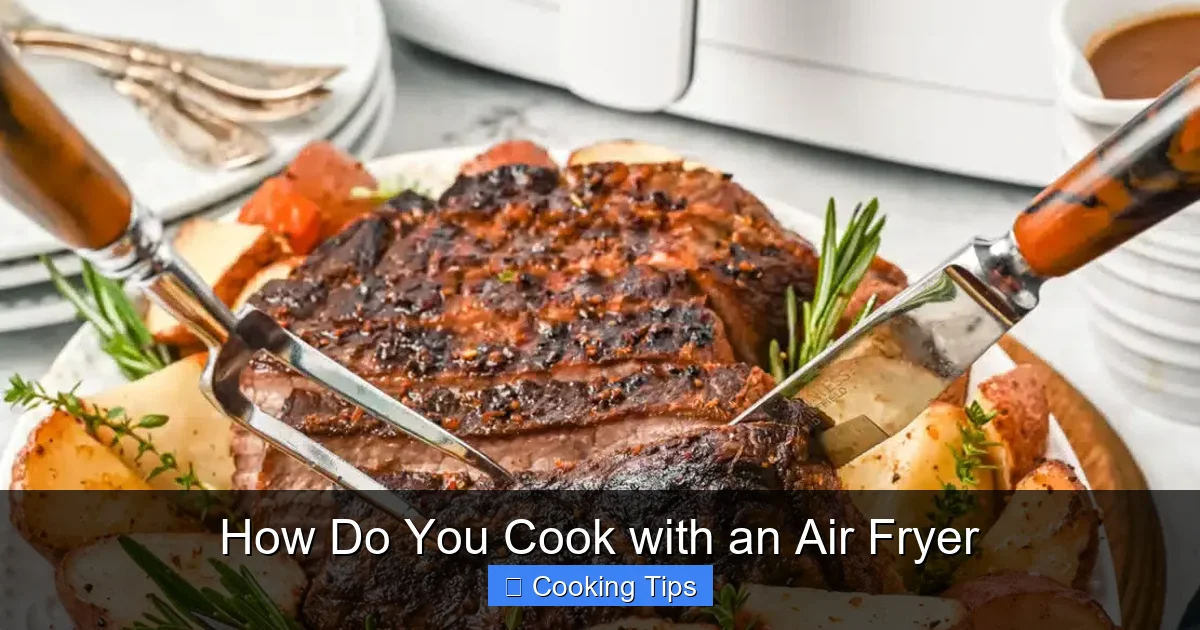
Unlock the potential of your air fryer with this comprehensive 2026 guide! Learn how to achieve perfectly crispy results for a wide variety of foods, from fries to chicken. We’ll cover essential tips, cooking techniques, and even troubleshooting to ensure you’re cooking with your air fryer like a pro. Eat healthier and enjoy delicious meals with minimal oil and maximum flavor!
Key Takeaways
- Understand the Basics: An air fryer cooks by circulating hot air, mimicking deep-frying results with significantly less oil.
- Preheating is Crucial: Most recipes benefit from preheating your air fryer for even cooking and crispier textures.
- Don’t Overcrowd: Give food space in the air fryer basket for optimal air circulation and browning.
- Shake or Flip: For consistent results, shake or flip food halfway through the cooking time.
- Experiment with Foods: Beyond fries, air fryers excel at cooking chicken, fish, vegetables, and even desserts.
- Cleanup is Easy: Most air fryer baskets and trays are non-stick and dishwasher-safe, making cleanup a breeze.
How Do You Cook With An Air Fryer
Welcome to the future of fast, flavorful, and healthier cooking in 2026! If you’ve recently welcomed an air fryer into your kitchen or are just curious about its magic, you’re in the right place. This comprehensive guide will walk you through everything you need to know to cook delicious meals with your air fryer. Forget greasy deep-fried foods; think crispy, golden perfection achieved with a fraction of the oil. Let’s dive in and discover how to make the most of this revolutionary kitchen appliance!
What is an Air Fryer and How Does It Work?
At its core, an air fryer is a countertop convection oven. It works by rapidly circulating extremely hot air around your food in a perforated basket. This high-speed hot air cooks the food from all sides, creating a wonderfully crisp exterior that mimics the texture of deep-fried food, but without the excess oil. This means you can enjoy your favorite “fried” treats with significantly fewer calories and less fat. The typical air fryer has a heating element at the top and a powerful fan that blows hot air down and around the food.
Getting Started: Your First Air Fryer Meal
Ready to cook? It’s simpler than you think!
Step 1: Read Your Manual
Every air fryer is a little different. Before you start, take a few minutes to read the manufacturer’s instructions for your specific model. This will help you understand its features, any recommended preheating times, and cleaning instructions.
Step 2: Prepare Your Food
This is where the fun begins! Most foods you’d consider for frying can be air-fried.
- Vegetables: Chop vegetables like broccoli, cauliflower, potatoes, and bell peppers into bite-sized pieces. Toss them with a small amount of oil (about 1-2 teaspoons per cup of veggies), salt, pepper, and your favorite seasonings.
- Proteins: Chicken wings, chicken tenders, fish fillets, shrimp, and even small meatballs are excellent candidates. Marinate or season your proteins as you normally would. For proteins that tend to dry out, like chicken breast, a light coating of oil is beneficial.
- Frozen Foods: Many frozen “fried” items like fries, onion rings, and chicken nuggets are designed to be air-fried. Follow the package instructions, but be aware you may need to adjust cooking times slightly.
The key is to use just enough oil to help with browning and crisping. Too much oil will result in a greasy mess.
Step 3: Preheat Your Air Fryer (Usually!)
While not always strictly necessary, preheating your air fryer is highly recommended for most recipes. It ensures that the food starts cooking immediately upon entering the basket, leading to more even cooking and crispier results.
- How to Preheat: Set your air fryer to the desired temperature (usually around 375°F to 400°F or 190°C to 200°C) and let it run for 3-5 minutes before adding food. Some models have a preheat setting, while others you simply set the temperature and time.
Step 4: Arrange Food in the Basket
This is a crucial step for achieving that coveted crispiness.
- Single Layer: Always arrange food in a single layer in the air fryer basket.
- Don’t Overcrowd: Overcrowding is the enemy of crispy food. If you have too much food, cook in batches. This allows the hot air to circulate freely around each piece, ensuring even cooking and browning. Imagine the air fryer as a very efficient, fast oven – you wouldn’t pile food high in a regular oven and expect it to cook evenly.
Step 5: Cook Your Food
Set the temperature and time according to your recipe or the food packaging.
- Recipe Guidance: For specific recipes, follow the recommended temperature and cooking time.
- Adjusting Time: For frozen foods, start with the package instructions and check for doneness a few minutes early. You can always add more time if needed.
- Checking Doneness: Use a meat thermometer to ensure proteins are cooked to a safe internal temperature.
Step 6: Shake or Flip Midway
For the most even cooking and crisping, it’s essential to shake the basket or flip your food halfway through the cooking cycle.
- How to Do It: Simply pull out the air fryer basket, give it a good shake to redistribute the food, or use tongs to flip larger items. Then, slide the basket back in and continue cooking.
This ensures that all sides of the food get exposed to the hot, circulating air.
Step 7: Serve and Enjoy!
Once your food is cooked to perfection – golden brown and crispy – carefully remove it from the basket and serve immediately.
Beyond the Basics: Advanced Air Frying Techniques and Tips
Once you’ve mastered the basics, you’ll find your air fryer is incredibly versatile.
Crispy Vegetables are a Game-Changer
Forget soggy steamed veggies. Air-fried vegetables are deliciously caramelized and crispy.
- Tips for Veggies:
- Root Vegetables: Potatoes, sweet potatoes, and carrots work wonderfully. Cut them into similar sizes for even cooking.
- Cruciferous Veggies: Broccoli and cauliflower florets become wonderfully tender on the inside and crispy on the outside.
- Bell Peppers and Onions: Slice them and toss with oil and seasonings for a sweet, slightly charred flavor.
Aim for temperatures between 375°F and 400°F (190°C-200°C) for most vegetables.
Perfectly Cooked Proteins
Your air fryer is a lean, mean protein-cooking machine.
- Chicken: Wings, thighs, and tenders are incredibly popular. For whole chickens or larger cuts, ensure your air fryer is large enough and follow specific recipes.
- Fish: Salmon, cod, and shrimp cook quickly and beautifully, retaining moisture while developing a light crisp.
- Burgers and Meatballs: Air fryers can give these a nice sear and even cooking.
- Marinades: Use marinades sparingly, as excess liquid can sometimes cause smoking. Patting proteins dry before air frying can also help.
Don’t Forget Desserts!
Yes, you can even make desserts in an air fryer!
- Baked Goods: Small cakes, muffins, and cookies can be baked in air fryer-safe pans or silicone molds. You may need to reduce the temperature and cooking time compared to a conventional oven.
- Fruit: Sliced apples or peaches, dusted with cinnamon and a touch of sugar, make a warm, delicious treat.
Using Accessories
Many air fryers come with or have optional accessories that can expand their capabilities.
- Baking Pans: For cakes, muffins, or small casseroles.
- Grill Racks: For elevating food or cooking two layers (though this can sometimes impede air circulation).
- Skewer Racks: For making kebabs.
Always ensure accessories fit properly and don’t block the air vents.
Troubleshooting Common Air Fryer Issues
Even with the best guidance, you might encounter a hiccup. Here’s how to fix common problems:
Food is Burning on the Outside but Undercooked Inside
Cause: The temperature is too high, or the food is too crowded.
Solution: Lower the temperature by 25°F (15°C) and reduce the cooking time. Ensure you are cooking in a single layer and not overcrowding the basket.
Food is Soggy, Not Crispy
Cause: Not enough preheating, overcrowding, too much oil, or food was too wet.
Solution: Always preheat your air fryer. Make sure food is in a single layer. Use just a teaspoon or two of oil. Pat foods dry before adding them to the basket.
Air Fryer is Smoking
Cause: Usually caused by fatty foods or leftover residue.
Solution: For fatty foods, you can often place a piece of bread at the bottom of the basket (under the main basket) to absorb dripping grease. Ensure your air fryer is clean after every use. If you’re cooking very fatty items, consider using a slightly lower temperature.
Uneven Cooking
Cause: Overcrowding or not shaking/flipping food.
Solution: Follow the advice to cook in a single layer and shake or flip food halfway through the cooking process. Ensure there’s space between food items.
Cleaning Your Air Fryer
Proper cleaning will keep your air fryer running efficiently and prolong its lifespan.
- After Every Use:
- Let the air fryer cool down completely.
- Remove the basket and tray.
- Wash them with warm, soapy water and a non-abrasive sponge. Many are also dishwasher-safe; check your manual.
- Wipe down the interior and exterior of the appliance with a damp cloth.
- Deep Cleaning (Occasionally):
- For stubborn residue, soak the basket and tray in warm, soapy water.
- Use a soft brush to gently scrub away any stuck-on bits.
- Ensure all parts are completely dry before reassembling.
Conclusion
Cooking with an air fryer in 2026 is all about embracing simplicity, speed, and healthier eating habits. You’ve learned the fundamental steps, discovered how to achieve that signature crispiness, explored a variety of foods you can cook, and even touched on troubleshooting. With just a little practice, your air fryer will become an indispensable tool in your kitchen, allowing you to whip up delicious, wholesome meals in record time with minimal fuss. So, preheat that basket, get creative with your ingredients, and enjoy the delightful journey of air frying! Happy cooking!
