

Heat changes oil's chemistry, smoke point, flavor, and safety during cooking.
As a cook and food scientist for home kitchens and test kitchens, I explain how heat impacts oil while cooking with clear, practical detail. This article breaks down the science, the signs to watch for, safety tips, and real kitchen-tested advice so you can pick the right oil, control heat, and get better flavor and nutrition every time you cook. Read on to learn actionable steps and avoid common mistakes when heat impacts oil while cooking.
What happens to cooking oil when heated?
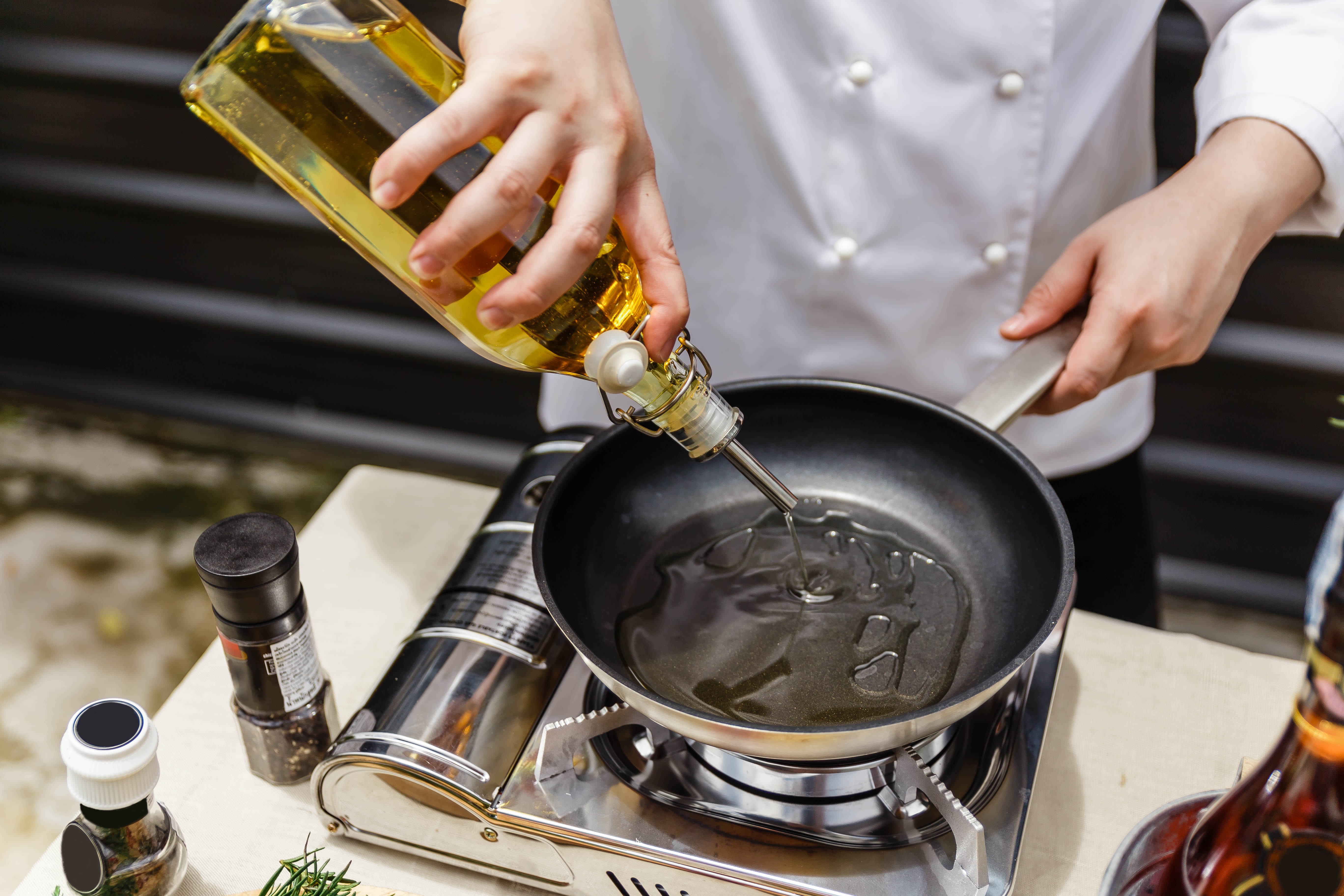
When heat meets oil, the oil's molecules move faster. This changes texture, color, smell, and chemistry. Heat impacts oil while cooking by raising its temperature past key thresholds like the smoke point. Once oil reaches the smoke point it begins to break down and release visible smoke and volatile compounds. Heat also speeds up oxidation, which changes flavor and can reduce nutritional quality.
Smoke point: why it matters and how to use it
The smoke point is the temperature where oil visibly smokes. It is important because smoke means breakdown and flavor change. When heat impacts oil while cooking, the smoke point tells you how high you can safely and cleanly heat a given oil.
Key facts about smoke point:
- Unrefined oils have lower smoke points and suit low-heat uses.
- Refined oils tolerate higher heat and are better for frying.
- Smoke does not always mean immediate danger, but it signals flavor loss and chemical change.
Simple rule of thumb:
- For high-heat searing or deep frying, use oils with high smoke points.
- For low-heat sautéing or dressings, use delicate oils with low smoke points.
Chemical changes: oxidation, hydrolysis, and polymerization
Heat speeds up three main chemical changes in oil. These changes explain why heat impacts oil while cooking and why oil behaves differently at different temperatures.
Oxidation
- Heat plus oxygen changes fatty acids and produces off-flavors.
- Oxidation forms aldehydes and peroxides, which harm taste and can be unhealthy.
Hydrolysis
- Water from food breaks oil into free fatty acids.
- This raises acidity and can make oil foam during frying.
Polymerization
- Repeated heating causes molecules to form sticky polymers.
- This leads to darker oil, thicker residue, and poor heat transfer.
I’ve seen used fryer oil turn dark and gummy after many heats. That was polymerization at work. Regular oil changes and temperature control help avoid this.
How heat impacts oil while cooking: flavor, nutrition, and safety
Heat changes oil flavor quickly. Mild oils become nutty; overheated oils taste burnt and bitter. Heat impacts oil while cooking by altering beneficial fats too. For example, omega-3 rich oils break down faster with heat than monounsaturated oils.
Nutrition effects:
- Some vitamins and antioxidants in oil degrade with heat.
- Repeated high heat lowers the healthy profile of many oils.
Safety issues:
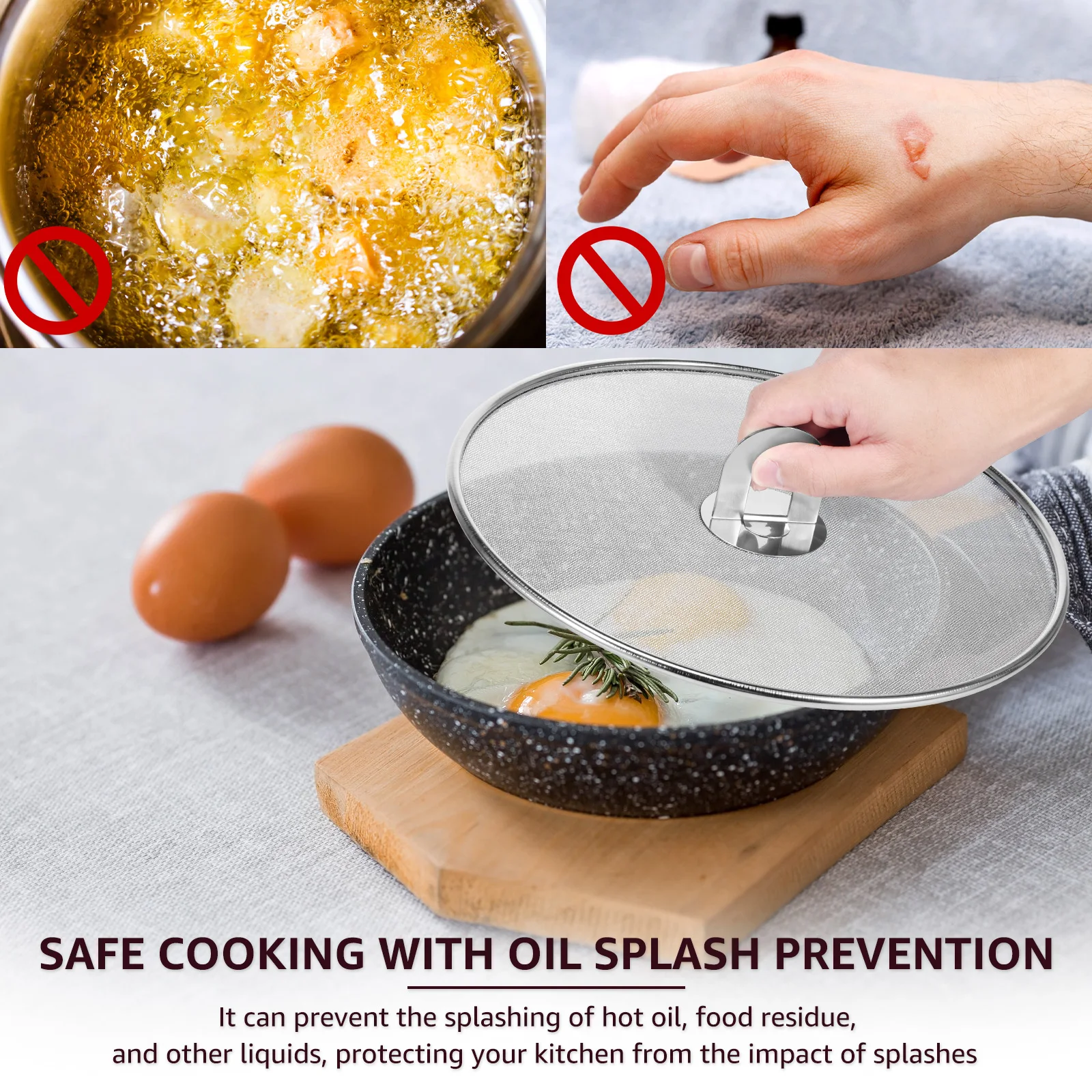
- Overheated oil can reach its flash point and ignite.
- Degraded oil can form harmful compounds if used repeatedly at high heat.
Personal caution: I always keep a thermometer on the pan when searing. It prevents overheating and keeps flavor intact.
Choosing the right oil for the job
Choosing by smoke point and flavor keeps dishes on track. Think of it this way: heat impacts oil while cooking differently based on oil type and treatment. Match oil to method.
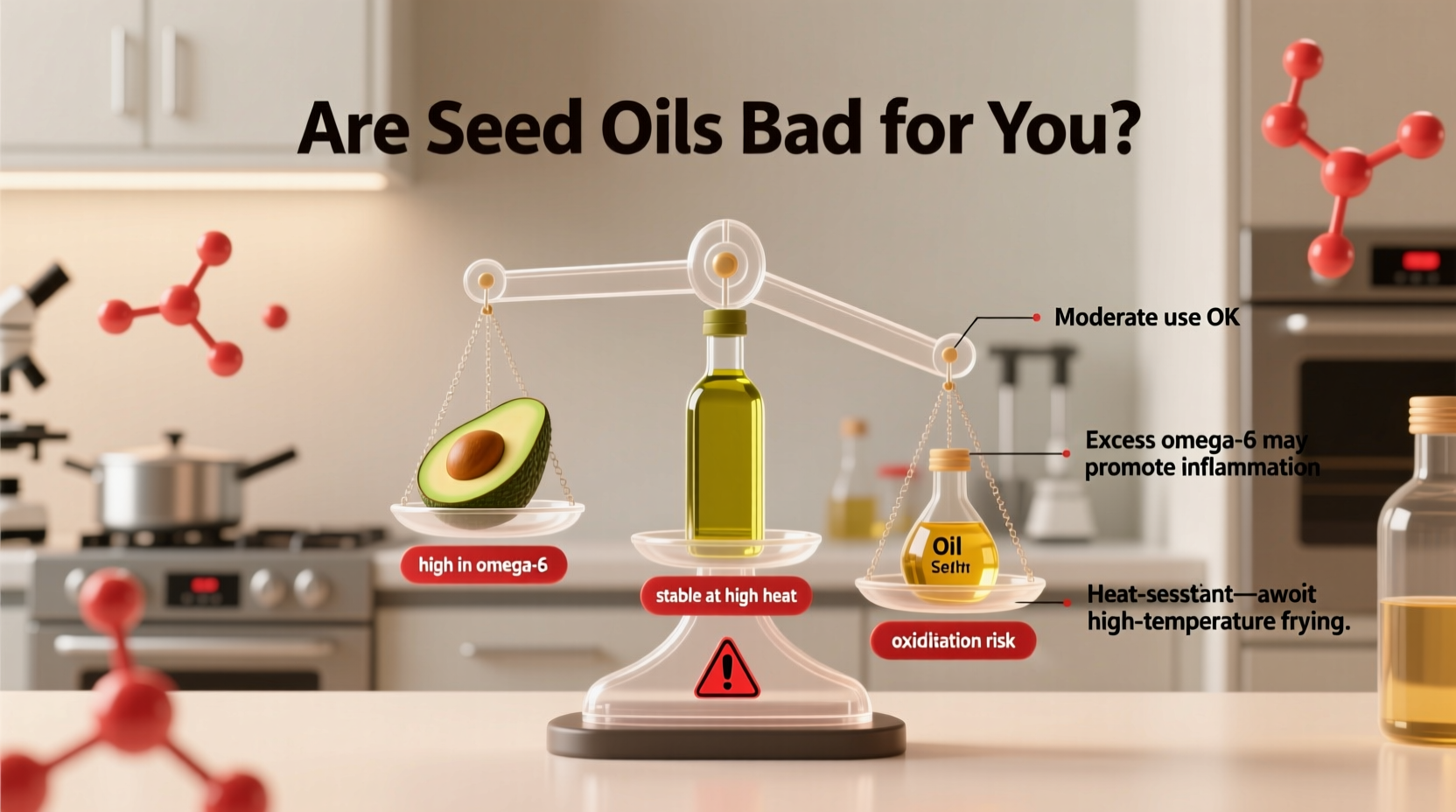
Common oils and typical smoke points:
- Extra-virgin olive oil — 320–375°F (best for low to medium heat)
- Avocado oil (refined) — 520°F (good for high-heat searing)
- Canola oil (refined) — 400°F (versatile and neutral)
- Peanut oil — 450°F (great for deep frying)
- Coconut oil (unrefined) — 350°F (adds flavor; lower smoke point)
Tips for choosing:
- Use high-smoke-point oils for frying and searing.
- Keep flavorful oils for finishing, dressings, or low-temperature cooking.
- Consider refinement and processing when estimating heat tolerance.
Practical tips to control heat and preserve oil
Control and technique matter more than the fanciest oil. I learned this from years of pan tests and family dinners.
Quick, practical tips:
- Preheat the pan slowly to avoid sudden oil smoking.
- Use an infrared or probe thermometer to monitor oil temperature.
- Add food only when oil reaches the right temp to reduce absorption.
- Don’t reuse oil more than a few times; strain and store it if you do.
- Avoid mixing very different oils in the same cooking step.
Step-by-step for frying:
- Heat oil to the recommended temperature for your recipe.
- Test with a small piece of food; it should sizzle steadily.
- Maintain temperature; reduce heat slightly when adding many items.
- Remove debris and cool oil quickly after cooking.
Signs oil is degraded and when to discard it
You can tell degraded oil by simple signs. Heat impacts oil while cooking in ways you can see, smell, and feel.
Signs to discard oil:
- Dark color and thick or gummy texture.
- Persistent rancid, bitter, or chemical smell.
- Excessive smoking at low heat.
- Off taste or poor frying performance.
I once reused oil for ten batches to save money. The food tasted off and the pan was sticky. I learned that cost savings aren’t worth bad flavor or health risks.

Common mistakes and how to avoid them
Avoid these errors to keep oil performing well. Heat impacts oil while cooking mostly when these mistakes happen.
Common mistakes:
- Using low-smoke-point oil for high-heat cooking.
- Overheating empty pans with oil in them.
- Reusing oil too many times without filtering.
- Not watching the pan—heat and smoke happen fast.
How to avoid:
- Match oil to method and keep a kitchen thermometer handy.
- Filter oil after use and store in a cool, dark place.
- Replace oil sooner rather than later for better taste and safety.
Frequently Asked Questions of how heat impacts oil while cooking
What happens to oil when it reaches the smoke point?
When oil hits the smoke point it produces visible smoke and volatile compounds. This means flavors change and the oil is breaking down chemically.
Can reheating oil be harmful?
Repeated reheating increases oxidation and polymerization, which can form harmful compounds and degrade flavor. Limit reuse and filter oil between uses.
Which oils are best for high-heat cooking?
Refined avocado, peanut, and refined canola oils have high smoke points and work best for high-heat methods. They stay stable and keep flavor neutral.
Does heating oil destroy nutrients?
Yes, heat can reduce antioxidants and vitamins in oil. Delicate oils with healthful fats suffer more when exposed to high heat repeatedly.
How can I tell if oil is rancid?
Rancid oil smells stale, bitter, or chemical and may taste off. Color and texture changes also signal rancidity; discard if in doubt.
Conclusion
Understanding how heat impacts oil while cooking helps you make smarter choices and better food. Control temperature, match oil to the method, and watch for signs of breakdown to protect flavor and health. Try one small change today: use a thermometer or swap to a higher smoke point oil for searing and notice the improvement. Share your results, subscribe for more kitchen guides, or leave a comment about your oil tips and trials.
