

Cook rice on high to boil, then reduce to low and simmer until water is absorbed.
I’ve cooked rice for years in busy kitchens and at home, and I’ll walk you through exactly how to adjust heat while cooking rice so you get fluffy, evenly cooked grains every time. This guide blends tested kitchen tricks, simple science, and clear steps so you can master heat control whether you use a pot, rice cooker, pressure cooker, or microwave.

Why heat control matters when cooking rice
Controlling heat is the difference between sticky, burnt, or perfect rice. How you adjust heat while cooking rice affects water absorption, starch release, and texture. Too hot and the water boils away too quickly; too low and the rice may cook unevenly or stay mushy. Learn the basic heat rhythm and the why behind each step to make rice consistently great.
:max_bytes(150000):strip_icc()/__opt__aboutcom__coeus__resources__content_migration__simply_recipes__uploads__2020__02__HTC-White-Rice-Lead-3-5073a46b67124ca8b405143cd373da0c.jpg)
Basic heat settings and what they do
Understanding stove settings keeps cooking simple. Use high heat to bring water to a fast, rolling boil. Drop to medium-low or low to maintain a gentle simmer and even cooking. Finish with a low heat "rest" phase so trapped steam finishes the job without overcooking the bottom.
- High heat: Brings water to boil quickly and activates starch gelatinization.
- Medium heat: Keeps a steady boil without aggressive bubbling.
- Low heat: Gentle simmer preserves structure and prevents sticking.
- Off or very low: Lets rice rest and steam finish the grains.
When you learn how to adjust heat while cooking rice, you gain more control over texture and less waste.

Step-by-step stovetop method: practical guide
This step-by-step helps you practice how to adjust heat while cooking rice on a typical stove.
- Measure and rinse rice. Rinsing removes excess starch and helps grains separate.
- Add rice and water to pot. Use the right water-to-rice ratio for the rice type.
- Start on high heat. Bring water to a rolling boil so the surface bubbles vigorously.
- Stir once, then cover and reduce heat. Immediately cut to low or the lowest medium-low that keeps a tiny simmer.
- Simmer undisturbed. Avoid lifting the lid; steam is doing the work.
- Turn off heat and rest. After the stated time, leave covered for 8–15 minutes so residual heat finishes cooking.
Practice this pattern and you’ll learn how to adjust heat while cooking rice by watching bubbles and listening to subtle sounds from the pot.
Heat control for different appliances
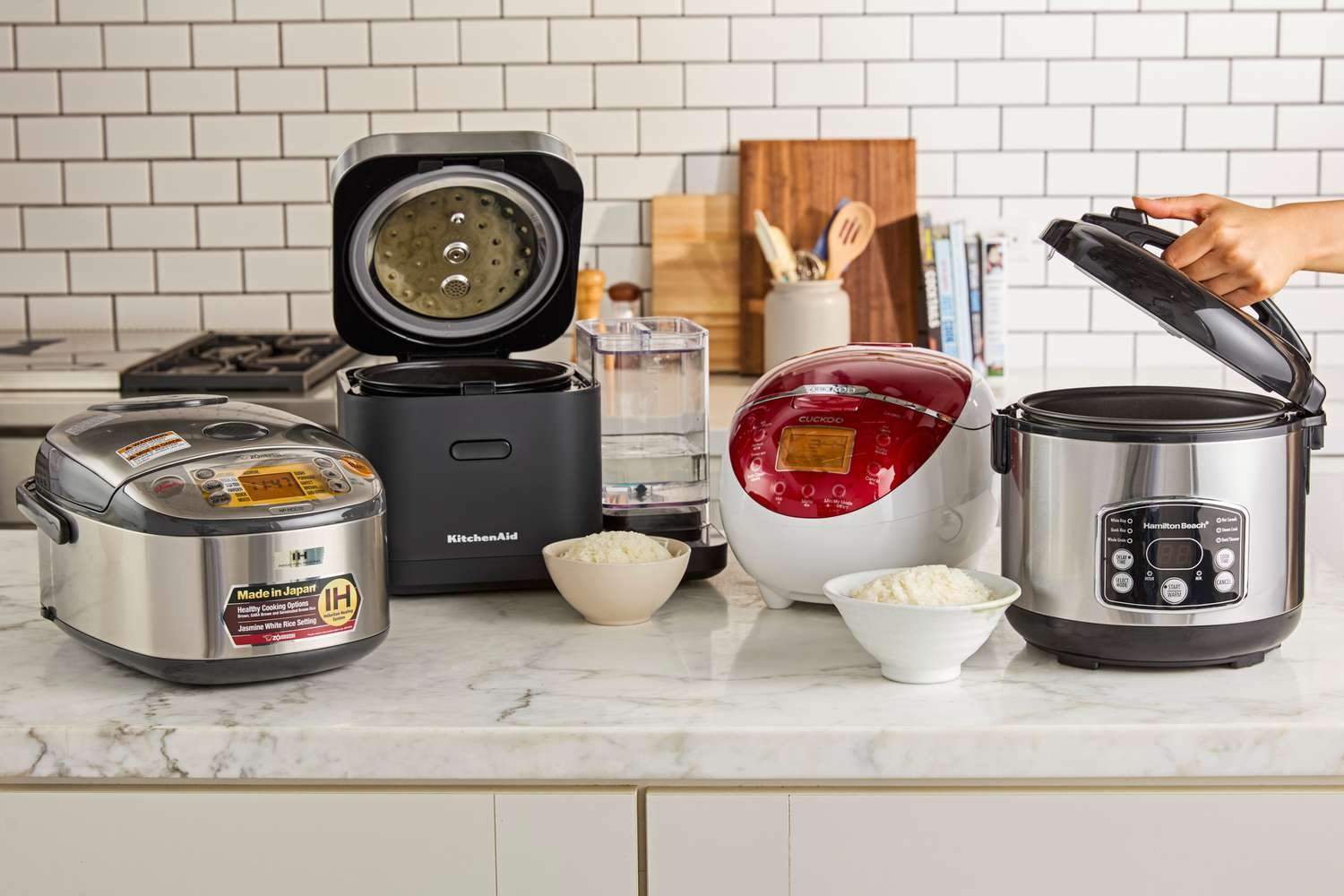
Different appliances need different approaches to how to adjust heat while cooking rice.
- Electric stove: Electric burners respond slower, so reduce heat a bit earlier to avoid overshooting.
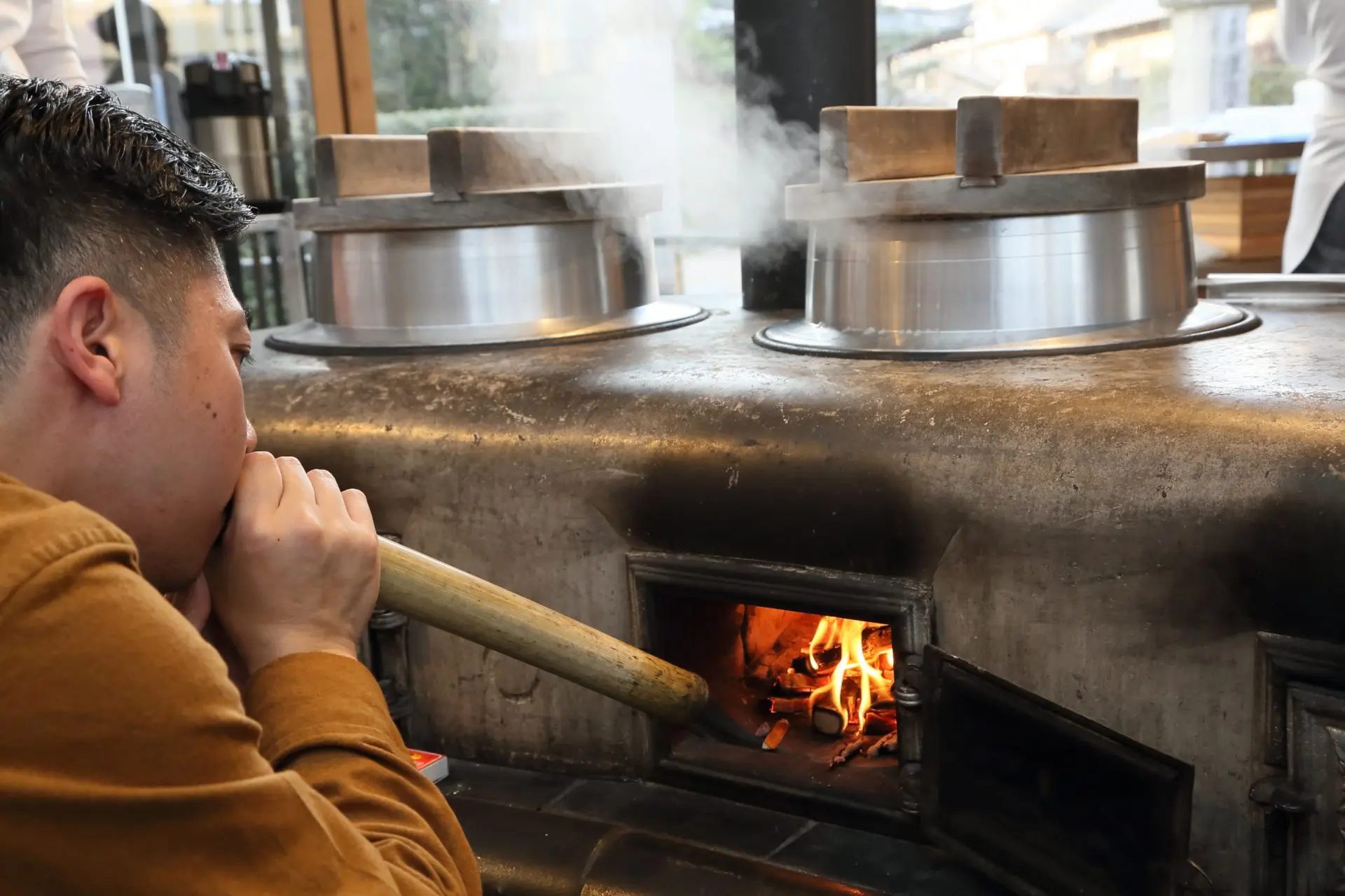
- Gas stove: Adjust flame size; aim for a low, steady ring that just reaches the pot sides.
- Rice cooker: Most cookers manage heat; use the cooker’s white/rice setting and let the device cycle off and to “warm.”
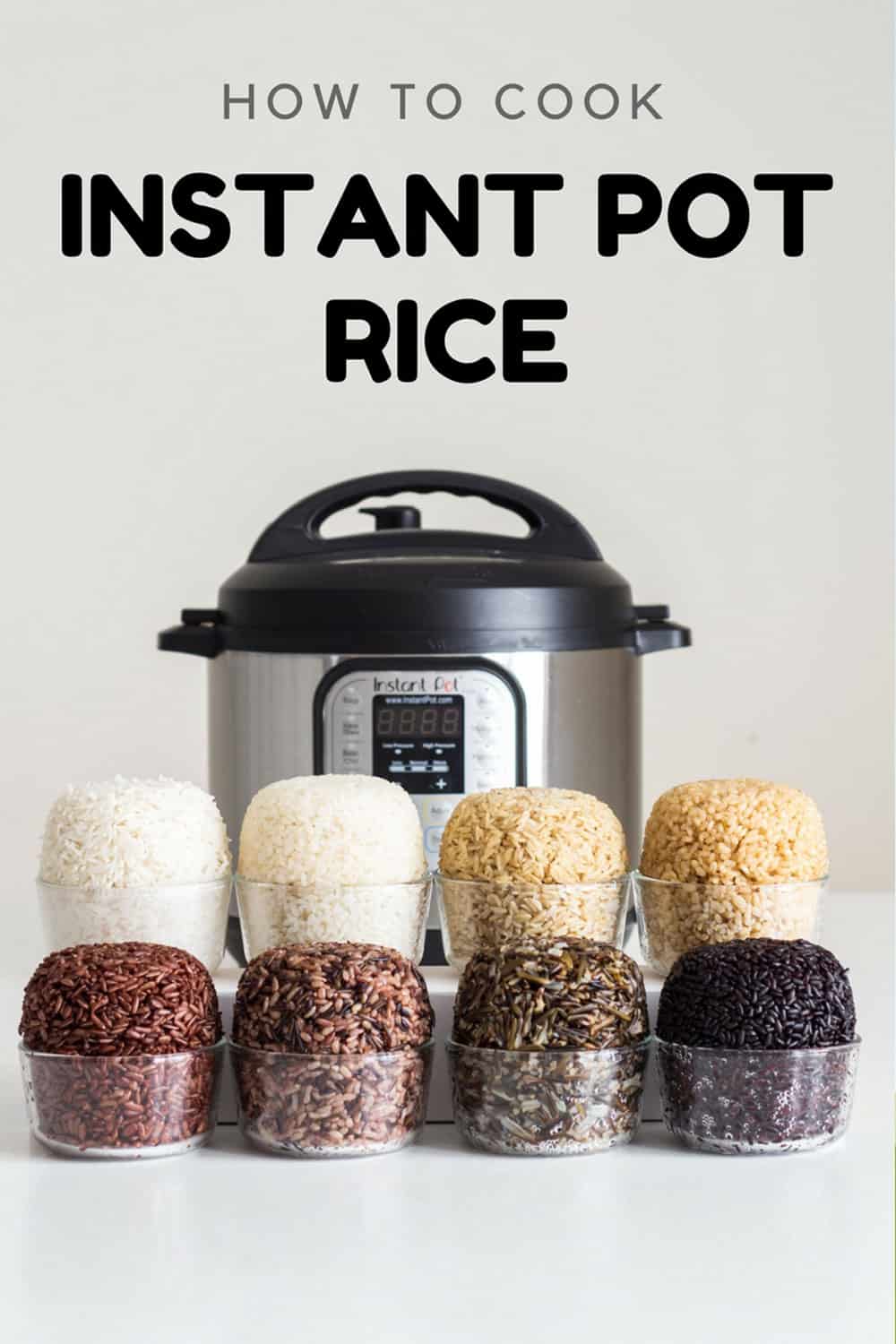
- Pressure cooker: Higher initial heat to build pressure, then very low to maintain.
- Microwave: Short high-power bursts followed by lower power and standing time mimic simmering.
Knowing appliance quirks makes it easier to control heat and get repeatable results with how to adjust heat while cooking rice.
 problems and how to fix them”
style=”max-width: 100%; height: auto; border: 2px solid black; border-radius: 10px; display: block; margin: 0 auto;”
loading=”lazy”
/>
Common problems and how to fix them
Troubleshooting helps you recover if heat control goes wrong.
- Rice too soggy: You likely kept heat too low or used excess water. Uncover and simmer on medium-low to evaporate extra water, then rest.
- Rice hard in center: Heat was too low or time too short. Add a few tablespoons of boiling water, cover, and cook on low for a few minutes.
- Burnt bottom: Heat was too high or pot too thin. Scrape off burned bits, transfer rice to a new pot, and add a splash of water then rest.
- Uneven cooking: Lid lifted too often or heat fluctuated. Keep lid closed and maintain a steady low simmer.
Mastering how to adjust heat while cooking rice means anticipating these issues and correcting quickly.
Personal experience, mistakes, and lessons
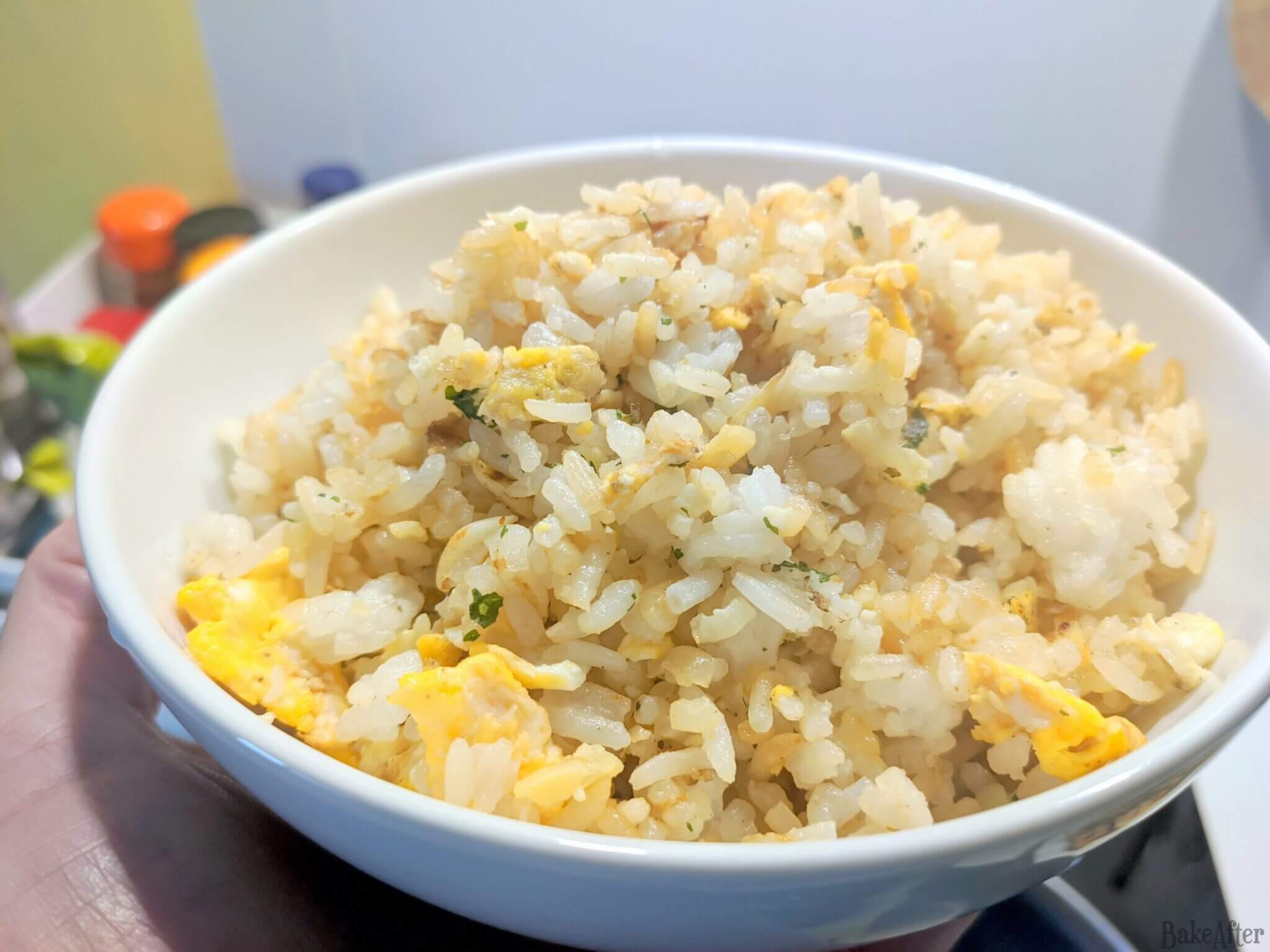
I once burned a whole batch of jasmine rice by leaving the flame too high after covering the pot. I learned to immediately drop to a low simmer and to use a heat diffuser for thin pots. In another case, rinsing basmati changed the timing slightly; I reduced the simmer time by two minutes to avoid mush.
- Lesson 1: Always drop heat the moment the liquid boils.
- Lesson 2: Use a timer but trust sound and steam cues.
- Lesson 3: Invest in a heavy-bottom pot or diffuser for stable heat.
These small habits are what taught me how to adjust heat while cooking rice reliably, even when rushing.
Expert tips for perfect rice every time
Small adjustments make big differences in results.
- Match pot size to rice volume to avoid excessive evaporation.
- Use residual heat: turn off before time ends and let steam finish the job.
- For sticky rice, keep slightly higher heat during simmer; for fluffy rice, lower heat helps separation.
- Test a grain near the cooking time to decide whether to extend low heat.
- Keep a small cup of hot water ready to tweak texture if rice tests too firm.
Following these tips trains your eye and ear on how to adjust heat while cooking rice in many kitchens.
Frequently Asked Questions of how to adjust heat while cooking rice
How hot should the water be when I start?
Start with high heat to bring the water to a rolling boil, then immediately reduce to low or medium-low as you cover the pot.
How do I know when to lower the heat?
Lower the heat when the water reaches a steady rolling boil and you’re ready to cover the pot; the goal is a gentle simmer, not a violent boil.
Can I cook rice on medium heat instead of low?
You can, but medium heat risks more evaporation and uneven cooking; aim for low or lowest medium-low for best texture.
Should I lift the lid to check rice while it cooks?
Avoid lifting the lid. Each lift releases steam and changes the heat balance, forcing you to readjust the heat.
What if my rice is still crunchy after the time is up?
Add a few tablespoons of boiling water, cover, and cook on low for 3–5 more minutes, then rest off heat to let steam finish it.
Conclusion
Controlling heat is the core skill for consistent rice. Start high to boil, drop to low to simmer, and use residual steam to finish—this pattern helps you manage texture across grains and appliances. Try these steps today, watch and listen to your pot, and tweak heat in small ways to build confidence. Share your rice wins or questions in the comments, and subscribe for more simple, practical kitchen guides.
