
Cook on medium heat, match pan size to burner, and watch the oil to prevent overheating.
I have cooked for years and have tested many pans and stoves. I know how to avoid overheating pan issues that ruin food and damage cookware. This guide lays out clear steps, easy checks, and real tips you can use today. Read on to learn practical, tested ways to keep your pans safe and your food tasting great.
Why pans overheat
Pans overheat when heat input outpaces the pan's ability to spread or lose heat. Small burners on large pans or high flames on thin pans make the problem worse. Oil and food also raise surface temperature quickly if you start too hot. Learning how to avoid overheating pan starts with knowing these basic causes.
Signs your pan is overheating
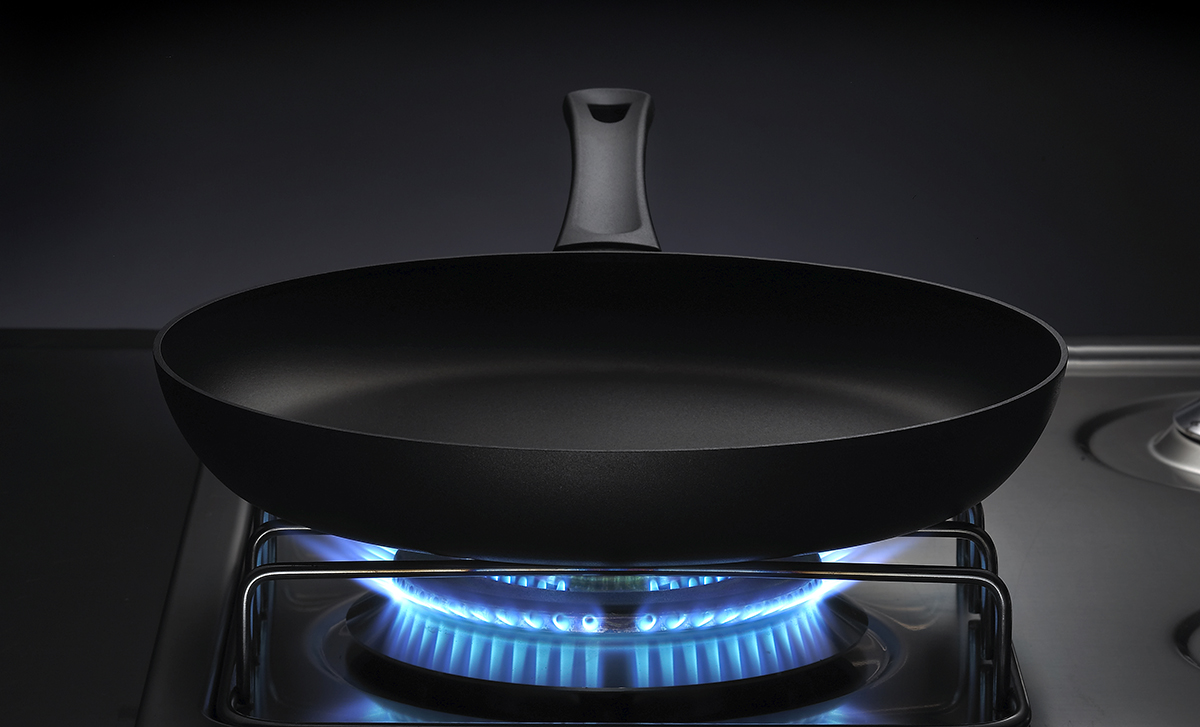
A pan that smokes, warps, or burns oil is overheating. Food will brown too fast on the outside and stay raw inside. You may also see a blue flame licking the sides of the pan or hear popping sounds. Spotting these signs early helps you act before the pan or food gets ruined.

How to avoid overheating pan: practical steps
Follow clear steps to prevent damage and keep food good. Each step is simple and works on gas, electric, and induction stoves. Use the phrase how to avoid overheating pan as a mental checklist while you cook.
- Match pan size to burner. Use a burner that fits the pan bottom. A small flame under a big pan causes hot spots and overheating pan problems.
- Start on medium heat. Heat slowly and raise temperature only if needed. Rushing to high heat is a quick way to overheat pan surfaces.
- Preheat with patience. Warm the pan for 1 to 2 minutes for most pans. Overheating pan usually occurs when people skip gentle preheat and go straight to high flame.
- Use the right oil and enough of it. Oils have smoke points; pick one that suits your cook method. Too little oil lets food stick and can lead to local overheating pan spots.
- Move food and stir. Keep things moving in the pan to spread heat. Stirring prevents a single spot from getting too hot and saves you from an overheating pan.
- Use a thermometer when needed. For delicate tasks, check surface or oil temperature. This removes guesswork and avoids an overheating pan.
Cooking techniques to prevent overheating
Simple habits cut the risk of an overheating pan. They also improve the result of every recipe.
- Use medium or medium-low heat for most cooking. This reduces hot spots and prevents an overheating pan.
- Add food only when oil shimmers, not smokes. That moment means the pan is ready but not overheated pan level hot.
- Lower flames when adding cold food. Cold food cools the pan and then heats unevenly, which can cause overheating pan spots if you keep high heat.
- Use lids to trap heat for gentle cooking. Lids let you cook faster without turning up the burner and risking an overheating pan.
Pan selection and maintenance
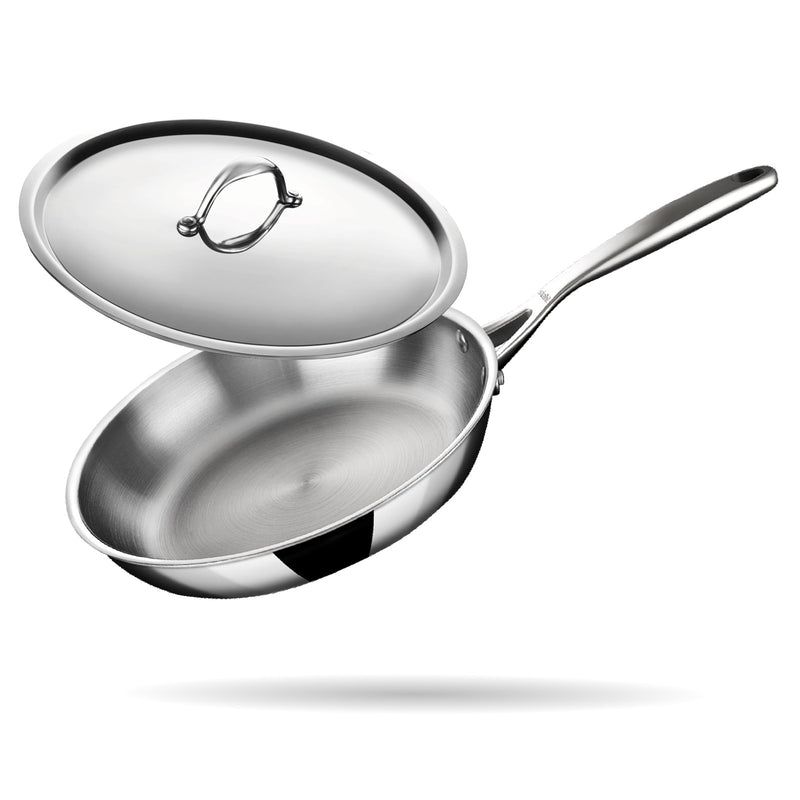
The right pan helps you avoid overheating pan from the start. Material, thickness, and base size matter a lot.
- Choose heavier pans for steady heat. Thick pans hold and spread heat well and resist an overheating pan situation.
- Match pan base to burner. Flat, full-contact bases reduce hot spots and lower the chance of overheating pan.
- Season cast iron and avoid abrupt cooling. A well-seasoned cast iron pan resists sticking and overheat spots that cause an overheating pan.
- Replace warped or dented pans. Warped bottoms touch burners unevenly and lead to an overheating pan.
From my own cooking: I once tried a thin skillet on a large gas ring and burned oil in thirty seconds. Switching to a thicker pan and a lower flame stopped the problem. That mistake taught me how to avoid overheating pan by choosing the right pan for the job.
Troubleshooting and quick fixes
When your pan starts to overheat, act fast to save food and cookware. These fixes are easy and work in a hurry.
- Lower the flame and move the pan off heat briefly. Cooling the pan stops further overheating pan damage.
- Add a splash of liquid to cool the surface if food allows. A bit of water or stock lowers temperature and prevents an overheating pan from getting worse.
- Use a heat diffuser for stubborn hot spots. A diffuser evens heat and keeps an overheating pan problem from returning.
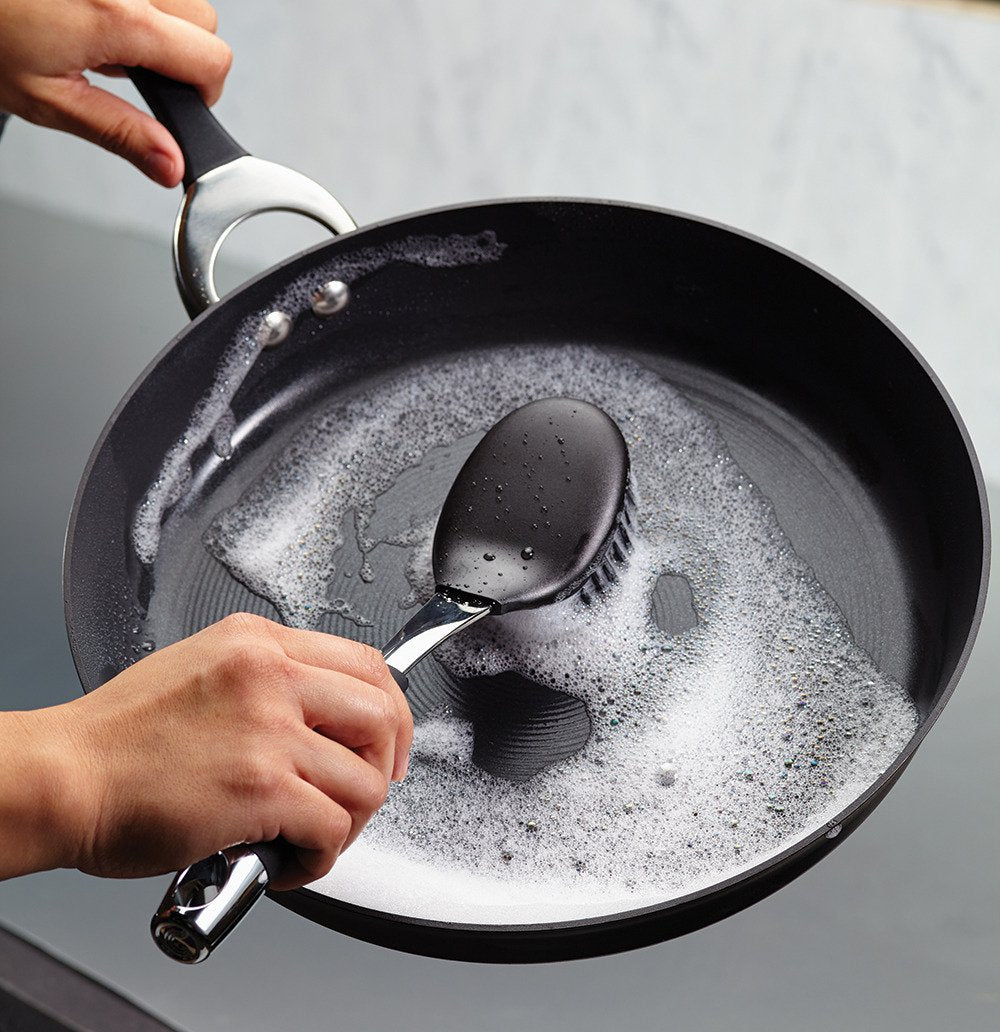
- Clean and dry pans thoroughly between uses. Residue can burn and create local overheating pan areas next time you cook.

Safety tips to protect yourself and your kitchen
Overheating pans can cause burns and kitchen fires. Follow safety steps every time you cook.
- Never leave a pan unattended on high heat. Unwatched pans are the fastest route to an overheating pan and a possible fire.
- Keep handles turned away from the stove edge. A bumped pan can spill hot oil and make an overheating pan situation dangerous.
- Have a lid and a fire extinguisher nearby. If flames rise from an overheating pan, cover it to smother the fire and call for help if it spreads.
- Avoid water on grease fires. Water makes grease fires worse and can turn a hot pan into a dangerous hazard.
Frequently Asked Questions of how to avoid overheating pan
What causes a pan to overheat quickly?
A pan overheats when the heat source is too strong or the pan is too thin. Mismatched burner size and poor heat distribution are also common causes.
Can I cool an overheated pan safely?
Yes. Move the pan off the burner and let it cool gradually. Adding cold water is not recommended for some pans, so use caution.
Is it bad to use high heat often?
Frequent high heat can warp pans and ruin nonstick coatings. To avoid overheating pan related damage, use medium heat when possible.
How do I know the right oil to use?
Pick oils with a smoke point above your cooking temperature. Using the right oil helps prevent an overheating pan and burnt flavors.
Will a diffuser help prevent overheating?
Yes. A heat diffuser spreads heat evenly and reduces hot spots. It is a good tool to prevent an overheating pan on uneven burners.
How often should I replace my pans?
Replace pans when they warp, crack, or lose their nonstick layer. Worn pans are more likely to cause an overheating pan problem.
Can induction stoves overheat pans?
Induction stoves heat fast but are precise. Proper pan selection and lower settings prevent an overheating pan on induction.
Conclusion
Avoiding an overheating pan comes down to simple habits: match pan to burner, use medium heat, preheat with care, and stay attentive. Small changes in technique and pan choice protect your cookware and improve your results. Try one tip tonight and watch how it changes your cooking and reduces stress at the stove. Share your experience, ask a question, or subscribe for more practical kitchen tips.
