
Discover the best practices for boiling milk in your electric kettle with our comprehensive 2026 guide. We cover everything from preparation to preventing overflows, ensuring you get perfectly boiled milk for all your culinary needs. Follow our easy steps for safe and efficient milk boiling.
How to Boil Milk in Electric Kettle
Welcome to our comprehensive guide on how to boil milk in an electric kettle, updated for 2026. Many of us rely on electric kettles for quick hot beverages like tea and coffee. But can you use them for more, like boiling milk? The answer is yes, with some important caveats and careful technique. This guide will walk you through everything you need to know to safely and effectively boil milk using your electric kettle, ensuring delicious results for your favorite recipes and drinks. We’ll cover preparation, the boiling process, and important safety tips.
Boiling milk is a fundamental step in many culinary creations, from creamy sauces and puddings to comforting hot drinks. While a stovetop is the traditional tool, the convenience of an electric kettle makes it an appealing alternative for many. However, it’s crucial to understand that not all electric kettles are created equal, and specific precautions are necessary to avoid damaging your appliance or creating a mess. By following these steps, you’ll be well-equipped to boil milk in your electric kettle with confidence.
Key Takeaways
- Understand Your Kettle: Not all electric kettles are designed for boiling milk; check your manual first to avoid damage or safety hazards.
- Dilution is Key: Adding a small amount of water or a drop of oil can significantly reduce the risk of milk scalding and sticking to the kettle.
- Temperature Control is Crucial: Boiling milk in an electric kettle requires close supervision to prevent boil-overs and scorching.
- Cleanliness Matters: A clean kettle is essential for both taste and safety, preventing any build-up that could affect the milk.
- Manual Watch is Non-Negotiable: Never leave a kettle boiling milk unattended, as electric kettles lack the precise controls needed for this task.
- Alternative Methods Exist: If your kettle isn’t suitable or you prefer a different approach, consider stovetop or microwave methods for boiling milk.
Understanding Your Electric Kettle
Before you even think about pouring milk into your electric kettle, it’s vital to understand its capabilities and limitations. Most standard electric kettles are designed solely for heating water. They often have automatic shut-off features that are triggered by the rapid boiling of water, not by the different way milk behaves. Milk has a lower boiling point and can scorch or scald much more easily than water.
Consult Your Kettle’s Manual
This is the most crucial first step. Your electric kettle’s user manual is your best friend here. Look for any mention of boiling milk or heating other liquids besides water. If the manual explicitly states not to boil milk, then you should absolutely heed that warning. Doing so could void your warranty and, more importantly, could be a safety risk. Some modern kettles might have specific settings or designs that are more accommodating to heating milk, but these are less common. For the vast majority of standard kettles, the advice is to proceed with extreme caution and with modifications.
Types of Electric Kettles
The material and design of your kettle also play a role. Stainless steel kettles are generally more robust and easier to clean than plastic ones. If your kettle has a non-stick interior, be extra careful, as scorching can be harder to remove. Some kettles have very narrow spouts, which can make cleaning difficult if milk residue builds up.
Preparing Your Electric Kettle for Milk

Visual guide about How to Boil Milk in Electric Kettle
Image source: missvickie.com
Once you’ve confirmed your kettle might be suitable (or you’re proceeding with caution on a general-purpose model), proper preparation is key. This isn’t just about cleanliness; it’s about preventing common problems like scorching and boil-overs.
Cleanliness is Paramount
Ensure your electric kettle is sparkling clean before you start. Any residual minerals or old water stains can affect the taste of your milk. If you’ve recently boiled anything else, give it a good rinse. A clean kettle will help prevent any unwanted flavors from transferring to your milk. You can use a kettle descaler or a mixture of vinegar and water for a thorough cleaning. Rinse thoroughly after cleaning to remove any lingering taste.
The Water Trick (or Oil)
This is a game-changer for boiling milk in an electric kettle. To prevent milk from sticking to the bottom and scorching, add a small amount of water to the kettle *before* you add the milk. A few tablespoons to about a quarter cup (depending on the size of your kettle and the amount of milk) is usually sufficient. This water layer acts as a buffer, creating a slight separation between the milk and the heating element.
Alternatively, some people add a single drop of cooking oil (like vegetable or olive oil) to the bottom of the kettle before adding milk. This also helps to reduce sticking. Be very sparing with the oil, as too much can affect the taste of the milk.
The Boiling Process: Step-by-Step
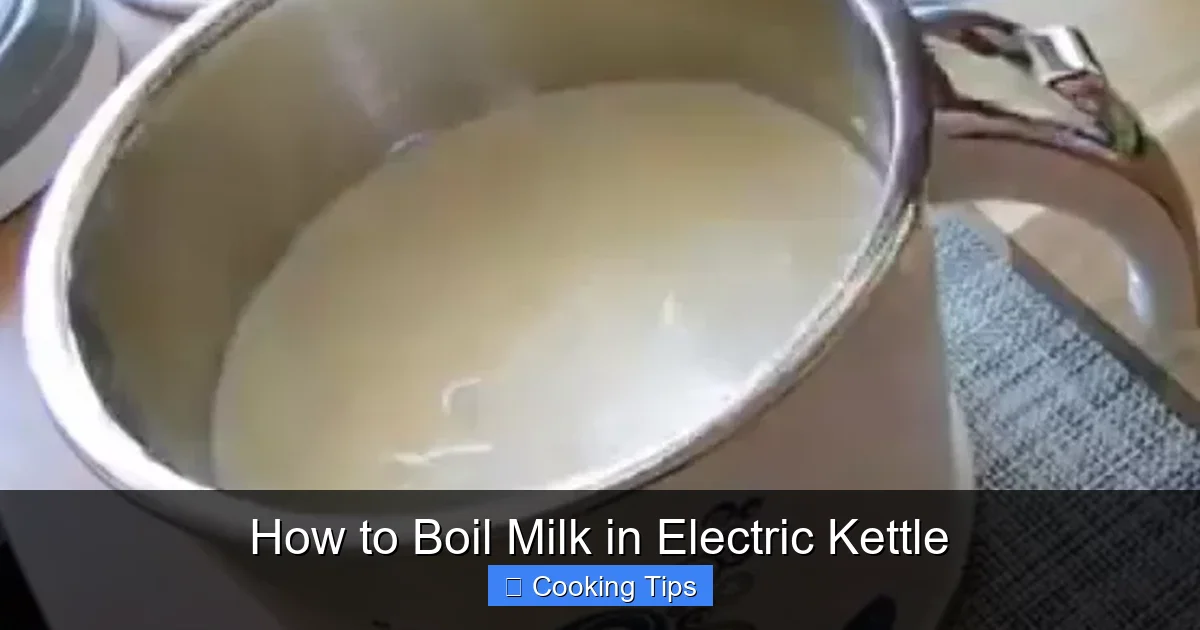
Visual guide about How to Boil Milk in Electric Kettle
Image source: irrorwxhiqijjr5q.ldycdn.com
Now that your kettle is prepped, it’s time to carefully boil the milk. This part requires your undivided attention.
Step 1: Add the Milk and Buffer
Pour your desired amount of milk into the electric kettle. Remember that milk expands when heated, so don’t fill the kettle beyond its recommended maximum fill line for water. It’s better to err on the side of caution and leave more headspace to prevent boil-overs. Add your small amount of water or the drop of oil as a buffer.
Step 2: Heating the Milk
Place the kettle on its base and plug it in. Do NOT use the automatic “boil” setting if your kettle has one designed for water. Instead, you will need to monitor it very closely. If your kettle has a variable temperature setting, you might be able to set it to a lower temperature (around 180-190°F or 82-87°C) and let it run, but be prepared to stop it manually.
The goal is to heat the milk gradually, not to bring it to a rapid boil like water. You want to see steam rising and small bubbles forming around the edges, but avoid a rolling boil.
Step 3: Constant Monitoring
This is the most critical part. You *must* stay with the kettle the entire time it is heating. Electric kettles are designed to heat water quickly and then shut off. Milk behaves differently.
Watch for the milk to start steaming. You’ll see condensation on the inside of the kettle. Keep an eye out for the first tiny bubbles forming around the rim of the milk. As soon as you see these signs of heating, or if you notice the milk starting to foam or rise, be ready to switch off the kettle.
Step 4: Preventing Boil-Overs
Milk boiling over is a common and messy problem. If you see the milk starting to foam up and rise towards the spout, immediately switch off the kettle. You can also gently lift the kettle off its base for a second to stop the heating process. Don’t panic; a small boil-over is manageable. If it happens, let it settle and then carefully discard the excess milk and clean your kettle.
Step 5: Reaching the Desired Temperature
For most purposes, you don’t need a “rolling boil.” You want the milk to be hot enough for your recipe or drink. This typically means reaching just below the boiling point, where it’s steaming and small bubbles are forming. The precise temperature will depend on what you are using the milk for. For example, for some baking recipes, you just need it warmed. For a hot chocolate, you might want it a bit hotter, but still not a vigorous boil.
Step 6: Using the Hot Milk
Once the milk has reached your desired temperature, carefully pour it out into a heat-safe container or directly into your recipe. Be cautious, as the milk will be hot.
Important Safety Precautions
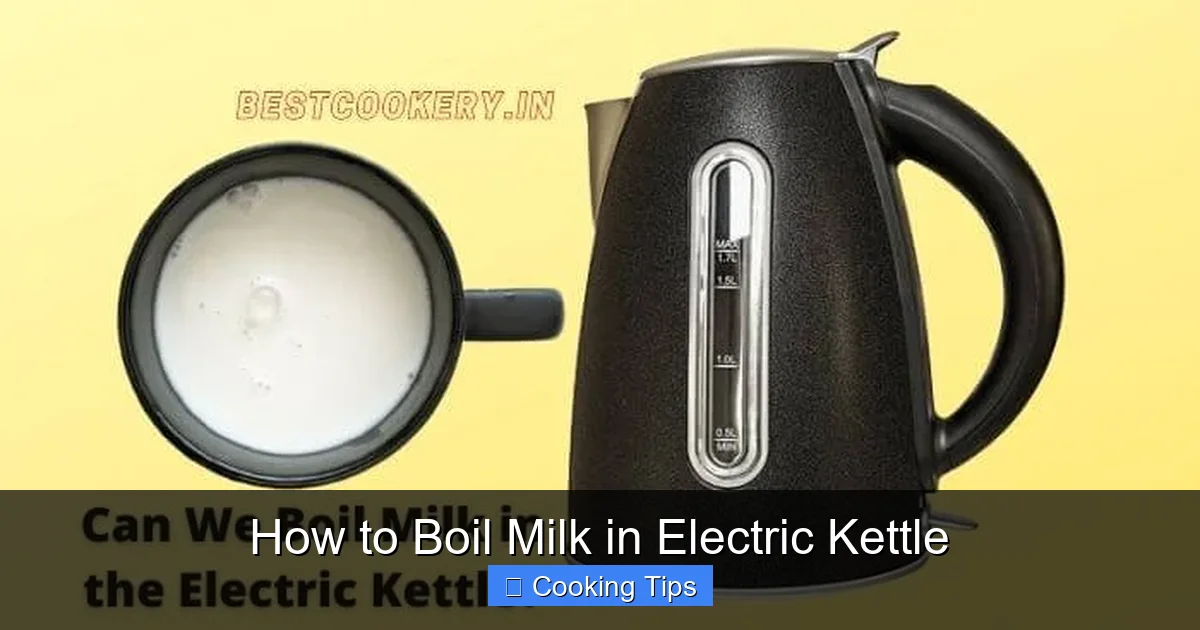
Visual guide about How to Boil Milk in Electric Kettle
Image source: bestcookery.in
Boiling milk in an electric kettle, especially one not specifically designed for it, carries risks. Adhering to these safety precautions is paramount.
Never Leave Unattended
As emphasized before, this cannot be stressed enough. An electric kettle’s automatic shut-off is not designed for the properties of milk. Leaving it unattended is an invitation for a boil-over, a potential fire hazard, and a guaranteed mess.
Be Aware of the Burn Risk
Hot milk can cause serious burns. Always handle the kettle and the hot milk with care. Use oven mitts or a tea towel if the exterior of the kettle becomes too hot to touch.
Clean Immediately After Use
Milk residue can be difficult to remove if left to dry and burn onto the kettle’s interior. Clean your kettle as soon as possible after using it for milk to make the process easier and prevent build-up.
Consider a Thermometer
For precise temperature control, especially if you are making something that requires a specific milk temperature, consider using a kitchen thermometer. This allows you to heat the milk to the exact degree needed without guessing.
Know When to Stop
If your kettle starts making unusual noises, smells funny, or shows any signs of malfunction, turn it off immediately and discontinue use.
Troubleshooting Common Issues
Even with the best precautions, you might encounter a few problems. Here’s how to deal with them.
Milk Scorches/Burns
This is the most common issue.
* Cause: Milk came into direct contact with the heating element without a buffer, or it was heated too quickly/intensely.
* Solution: Ensure you use the water or oil buffer. Heat the milk more gradually. If scorching occurs, soak the kettle with hot water and a bit of baking soda. For stubborn spots, you might need a gentle scrubbing with a non-abrasive sponge. Avoid metal scourers which can scratch the interior.
Milk Boils Over
* Cause: Kettle filled too full, or heating process was not stopped quickly enough.
* Solution: Reduce the amount of milk you put in. Always leave ample headspace. Watch the milk like a hawk and switch off the kettle at the first sign of foaming or rising.
Kettle Shutting Off Too Soon
* Cause: The kettle’s thermostat might be sensitive, or the milk’s convection is triggering it prematurely.
* Solution: Try to restart the kettle if it shuts off before the milk is sufficiently hot, but do so cautiously and with constant supervision. This is another reason why a kettle not designed for milk might be problematic.
When Not to Boil Milk in an Electric Kettle
There are situations where using an electric kettle for milk is not advisable, even with these tips.
* Delicate or High-End Kettles: If your kettle has a special coating, intricate design, or is a very expensive model, it’s generally safer to stick to its intended purpose (water).
* Kettles with Open Heating Elements: Some older kettles have exposed heating elements that are very difficult to clean and more prone to scorching.
* Large Quantities: Boiling large amounts of milk in a standard electric kettle can be challenging to control and increases the risk of boil-overs.
* If Your Manual Forbids It: This is the most important reason not to. Always respect the manufacturer’s guidelines.
Alternatives for Boiling Milk
If you’re hesitant about using your electric kettle or find it too difficult, there are excellent alternatives:
* Stovetop: The most traditional and often the easiest method. Use a saucepan with a thick bottom over medium-low heat, stirring frequently. This offers the most control.
* **Microwave:** For small quantities, you can heat milk in a microwave-safe bowl. Heat in short bursts (30-60 seconds), stirring in between, until it reaches the desired temperature.
Conclusion
Boiling milk in an electric kettle is achievable in 2026, but it requires careful preparation, constant supervision, and an understanding of your appliance’s limitations. By adding a water buffer, monitoring the heating process closely, and being ready to intervene immediately, you can successfully heat milk for your culinary needs. Remember, safety is paramount. If you ever feel unsure or your kettle’s manual advises against it, opt for a stovetop or microwave method. With these tips, you can confidently use your electric kettle for more than just water, enjoying perfectly heated milk every time.
