

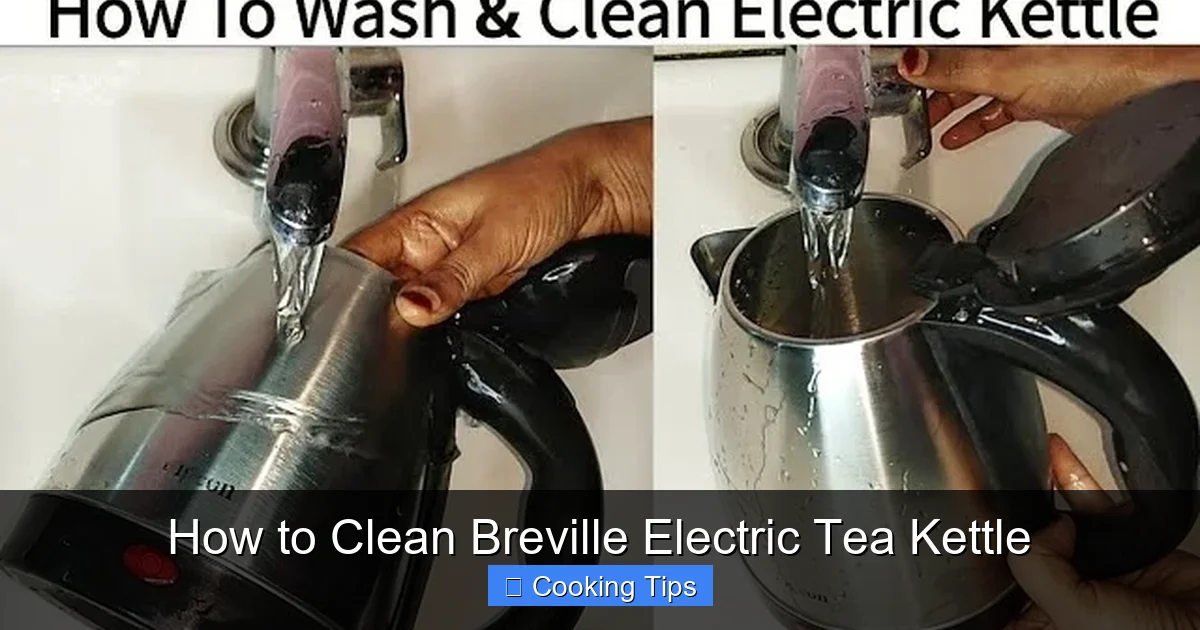
Extend the life and performance of your Breville electric tea kettle with this comprehensive cleaning guide. Learn simple, effective methods for removing limescale and maintaining optimal functionality. Regular cleaning ensures your tea always tastes its best and keeps your appliance running efficiently for years to come.
- Regular cleaning prevents mineral buildup: Frequent, simple cleaning stops limescale from hardening and becoming difficult to remove.
- Vinegar is a natural descaler: White vinegar is an effective and safe solution for breaking down mineral deposits in your Breville tea kettle.
- Gentle scrubbing is key: Avoid abrasive pads or harsh chemicals that can damage the kettle’s interior or exterior surfaces.
- Always unplug and cool down: Safety first! Ensure your kettle is unplugged and completely cool before you begin any cleaning process.
- Rinse thoroughly: After descaling or cleaning, rinse the kettle multiple times to remove any residual cleaning solution.
- Exterior care matters: Don’t forget the outside! A quick wipe-down keeps your Breville tea kettle looking its best.
- Proper storage extends lifespan: Storing your clean and dry kettle prevents dust accumulation and potential damage.
How to Clean Your Breville Electric Tea Kettle
Do you love a perfectly brewed cup of tea? Of course you do! And to ensure every cup is as delightful as the last, keeping your Breville electric tea kettle sparkling clean is essential. Over time, even the best kettles can accumulate limescale and other mineral deposits, especially if you have hard water. This not only affects the taste of your tea but can also reduce the efficiency and lifespan of your beloved appliance. But don’t worry, cleaning your Breville electric tea kettle is a straightforward process. This guide will walk you through everything you need to know, from routine maintenance to tackling tough limescale, ensuring your kettle remains a pristine and reliable part of your morning (or afternoon!) ritual. By the end of this, you’ll be a Breville tea kettle cleaning pro!
In this guide, we’ll cover:
- The importance of cleaning your Breville electric tea kettle.
- Step-by-step instructions for descaling.
- Tips for regular cleaning and maintenance.
- How to clean the exterior of your kettle.
- Troubleshooting common cleaning issues.
Why Cleaning Your Breville Electric Tea Kettle Matters
It might seem like a chore, but cleaning your Breville electric tea kettle is more important than you might think. Limescale, a white, chalky deposit, is primarily made up of calcium and magnesium. These minerals are naturally present in tap water, and when water is heated, these minerals can precipitate out and cling to the heating element and the interior walls of your kettle. This buildup can have several negative consequences:
Visual guide about How to Clean Breville Electric Tea Kettle
Image source: m.media-amazon.com
- Altered Taste: Limescale can impart a chalky or metallic taste to your water, affecting the flavor of your tea, coffee, or other hot beverages.
- Reduced Efficiency: A layer of limescale acts as an insulator. This means your kettle has to work harder and longer to heat the water, consuming more energy and taking more time.
- Shorter Lifespan: Over time, significant limescale buildup can damage the heating element, leading to premature appliance failure.
- Hygiene Concerns: While not typically harmful, a dirty kettle is less hygienic. Regular cleaning ensures a fresh and sanitary appliance.
Fortunately, most Breville electric tea kettles are designed for easy cleaning. With a few simple steps and common household ingredients, you can keep your kettle in top condition.
How to Descale Your Breville Electric Tea Kettle: A Step-by-Step Guide
Descaling is the process of removing mineral deposits, especially limescale. This is the most common and crucial cleaning task for your Breville electric tea kettle. We’ll focus on using white vinegar, a natural, safe, and highly effective descaler.
Visual guide about How to Clean Breville Electric Tea Kettle
Image source: m.media-amazon.com
What You’ll Need:
- White Vinegar
- Water
- Soft Cloth or Sponge
- Measuring Cup
Step 1: Safety First – Unplug and Cool Down
Before you begin any cleaning, it’s paramount to ensure your Breville electric tea kettle is completely safe to handle. This means unplugging it from the power outlet and allowing it to cool down entirely. Never attempt to clean a hot kettle, as this can lead to burns and potential damage to the appliance.
Visual guide about How to Clean Breville Electric Tea Kettle
Image source: m.media-amazon.com
Step 2: Prepare the Descaling Solution
For most Breville electric tea kettles, a 1:1 ratio of white vinegar to water is highly effective. For example, if your kettle has a capacity of 1.7 liters, you might use 850ml of white vinegar and 850ml of water. If you have very light limescale or are performing regular maintenance, you can use a weaker solution, perhaps 1 part vinegar to 2 parts water.
Adjusting the Solution Strength:
If you have particularly stubborn limescale deposits, you can increase the concentration of vinegar or use straight vinegar. However, always ensure the kettle is well-rinsed afterward to avoid any lingering vinegar smell or taste.
Step 3: Fill the Kettle
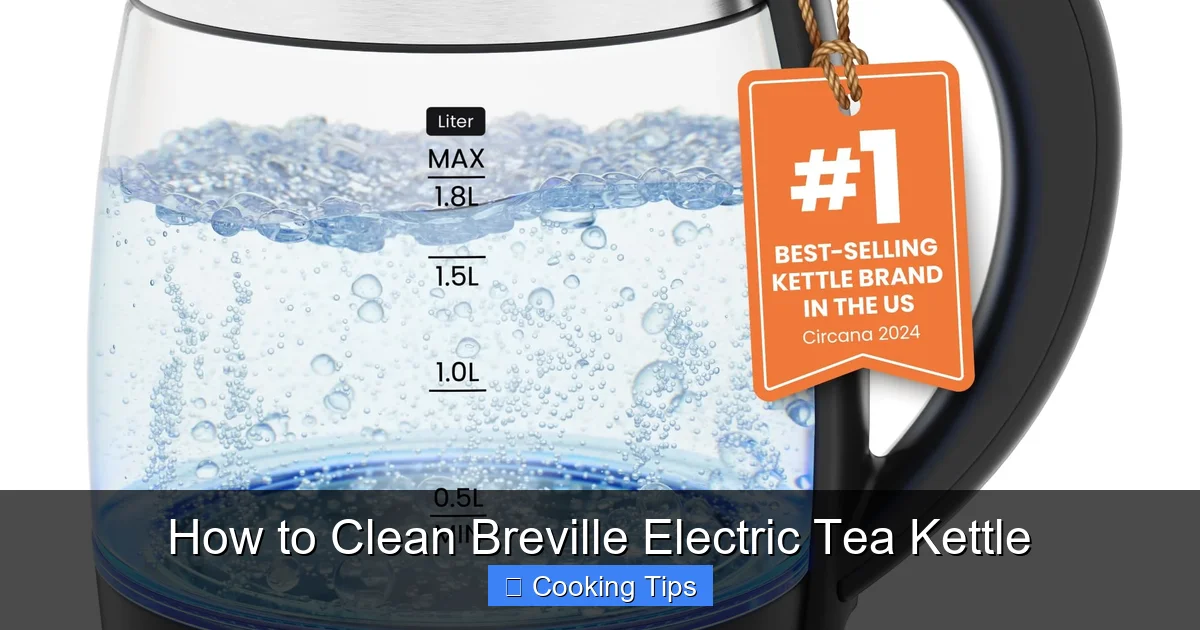
Pour your prepared vinegar and water solution into your Breville electric tea kettle. Ensure the liquid level reaches at least the minimum fill line and ideally covers the visible limescale deposits. Do not fill the kettle beyond its maximum capacity.
Step 4: Let it Soak (If Necessary)
For moderate limescale, simply heating the solution can be enough. However, for tougher buildup, letting the solution sit in the kettle for 30 minutes to an hour can help break down the deposits more effectively before heating.
Step 5: Heat the Solution
Place the kettle back on its power base and turn it on. Bring the solution to a boil or near-boil. You don’t need to let it boil vigorously for an extended period. Once it reaches the desired temperature, turn off the kettle and unplug it.
Step 6: Let it Sit Again
With the solution heated, allow it to sit in the kettle for another 30 minutes to an hour. This allows the heat to further accelerate the descaling process, breaking down the mineral deposits. You might even see some of the limescale starting to flake off during this time.
Step 7: Empty and Scrub
Carefully pour the vinegar and water solution down the drain. Now, you’ll likely see loosened limescale clinging to the bottom and sides of the kettle. Use a soft cloth or sponge (never steel wool or abrasive scrubbers!) to gently wipe away any remaining residue. For hard-to-reach areas, you can use a soft brush, like an old toothbrush.
Dealing with Stubborn Spots:
If some limescale stubbornly remains, you can repeat steps 2 through 7 with a stronger vinegar solution or let the solution soak for longer. In rare cases, a dedicated kettle descaler might be necessary, but always follow the product’s instructions carefully and ensure it’s safe for your specific Breville model.
Step 8: Rinse Thoroughly
This is a critical step. Fill your Breville electric tea kettle with fresh, clean water. Boil this water and then discard it. Repeat this rinsing process at least 2-3 times, or until you can no longer detect any vinegar smell or taste. This ensures that no residual cleaning solution is left behind to affect the flavor of your future beverages.
Step 9: Dry the Kettle
Once thoroughly rinsed, empty the kettle and wipe the interior dry with a soft, clean cloth. Leaving moisture inside can encourage new mineral buildup or potential mold growth over time.
Regular Cleaning and Maintenance
While descaling tackles the tougher mineral buildup, regular cleaning keeps your Breville electric tea kettle in its best condition and prevents significant limescale from forming in the first place. Aim to perform a quick clean at least once a week, or more often if you use your kettle daily.
Step 1: Empty and Rinse After Each Use
After you’ve enjoyed your hot beverage, don’t leave water sitting in the kettle. Empty any remaining water and give the interior a quick rinse. This simple step helps prevent mineral deposits from drying and hardening.
Step 2: Wipe Down the Interior (Weekly)
Once a week, or whenever you notice slight residue, unplug your kettle (after it has cooled) and use a damp, soft cloth or sponge to wipe down the interior. You can use a mild dish soap for this, but ensure you rinse it out extremely well afterward.
Cleaning the Exterior of Your Breville Electric Tea Kettle
Keeping the outside of your Breville electric tea kettle clean not only makes it look better but also prevents grime from transferring to the interior. Most Breville kettles have stainless steel or brushed metal exteriors, which can show fingerprints and water spots.
What You’ll Need:
- Soft Cloth
- Mild Dish Soap
- Water
- (Optional) Stainless Steel Cleaner
Step 1: Unplug and Ensure Coolness
As always, safety first. Unplug your kettle and make sure it’s completely cool.
Step 2: Wipe with Damp Cloth
Dampen a soft cloth with water and add a tiny drop of mild dish soap if needed. Gently wipe down the exterior surfaces of the kettle. Pay attention to the handle, lid, and base.
Avoiding Scratches:
Never use abrasive cleaners, scouring pads, or harsh chemicals on the exterior, as these can scratch the finish and cause permanent damage.
Step 3: Rinse and Dry
If you used soap, rinse the cloth thoroughly and wipe down the kettle again to remove any soap residue. Finally, dry the exterior completely with a clean, dry, soft cloth to prevent water spots and streaks.
For Stainless Steel:
If your Breville kettle has a stainless steel exterior, you can use a specialized stainless steel cleaner for a polished finish. Apply the cleaner to a cloth and wipe in the direction of the grain. Always test in an inconspicuous area first.
Troubleshooting Common Cleaning Issues
Sometimes, cleaning might present a few challenges. Here are some common issues and how to resolve them:
Issue: Limescale Still Remains After Descaling
Solution: Repeat the descaling process, perhaps using a stronger vinegar solution (e.g., 2 parts vinegar to 1 part water) or allowing the solution to soak for a longer period (up to a few hours, or overnight for extreme cases, though be cautious with prolonged exposure to vinegar). You can also try gently scrubbing with a non-abrasive sponge or soft brush.
Issue: Lingering Vinegar Smell or Taste
Solution: This usually means the kettle wasn’t rinsed thoroughly enough. Repeat the rinsing process (boil fresh water, discard, repeat 2-3 more times). You can also try boiling a pot of water with a few lemon slices or a teaspoon of baking soda (ensure you rinse thoroughly after baking soda). These can help neutralize odors.
Issue: Water Not Heating Efficiently (Post-Cleaning)
Solution: Ensure all limescale has been removed. Even small amounts can insulate the heating element. If you’ve descaled thoroughly and it’s still inefficient, there might be an issue with the heating element itself, and it might be time to contact Breville customer support.
Issue: Stains on the Interior
Solution: Depending on the type of stain, you might need a specific approach. For tea or coffee stains, a paste of baking soda and water can sometimes work, but be sure to rinse thoroughly. For stubborn, discolored areas, repeated descaling with vinegar is often the most effective method.
Conclusion
Keeping your Breville electric tea kettle clean is a simple yet vital task that significantly impacts the quality of your hot beverages and the longevity of your appliance. By incorporating regular cleaning and periodic descaling into your routine, you ensure that every cup of tea brewed is pure, flavorful, and free from unsightly mineral buildup. Remember to prioritize safety by always unplugging and cooling your kettle before cleaning. With the straightforward methods outlined in this guide, your Breville electric tea kettle will continue to serve you faithfully for many years to come, delivering perfectly heated water for all your favorite hot drinks. Happy brewing!
