

Keeping your Damascus steel kitchen knife pristine is easier than you think. This comprehensive guide will walk you through the essential steps for cleaning, preserving its unique beauty and ensuring its razor-sharp edge for years to come. We’ll cover everything from daily cleaning to addressing rust and maintaining its lustrous finish.
Key Takeaways
- Gentle Cleaning is Key: Always use mild soap and lukewarm water, avoiding harsh detergents or abrasive scrubbers.
- Immediate Drying is Crucial: Never air dry your Damascus steel knife; always dry it thoroughly with a soft cloth immediately after washing to prevent rust.
- Hand Washing Only: Dishwashers are the enemy of Damascus steel. The high heat, harsh detergents, and prolonged exposure to moisture will damage the blade and handle.
- Proper Storage Matters: Store your knife safely in a block, sheath, or magnetic strip to protect the edge and prevent damage.
- Rust Prevention and Removal: Understand common causes of rust and learn effective, gentle methods for its removal and future prevention.
- Maintain the Finish: Regular oiling with food-grade mineral oil will protect the steel and enhance the beautiful patterns of your Damascus knife.
How to Clean Your Damascus Steel Kitchen Knife
Your Damascus steel kitchen knife is more than just a tool; it’s a work of art. Its distinctive wavy patterns, a result of the masterful layering and forging of different steel types, speak of craftsmanship and dedication. To keep this culinary masterpiece in top condition, proper cleaning and care are essential. In 2026, with an increased appreciation for quality and longevity in our kitchen tools, understanding how to maintain your Damascus steel knife will ensure it remains a sharp, reliable, and beautiful companion for countless meals.
This guide will equip you with all the knowledge you need to clean your Damascus steel kitchen knife effectively. We’ll cover the daily routine, what to do when things go wrong, and how to keep that magnificent blade looking its best. Get ready to elevate your knife care game!
Understanding Your Damascus Steel Knife
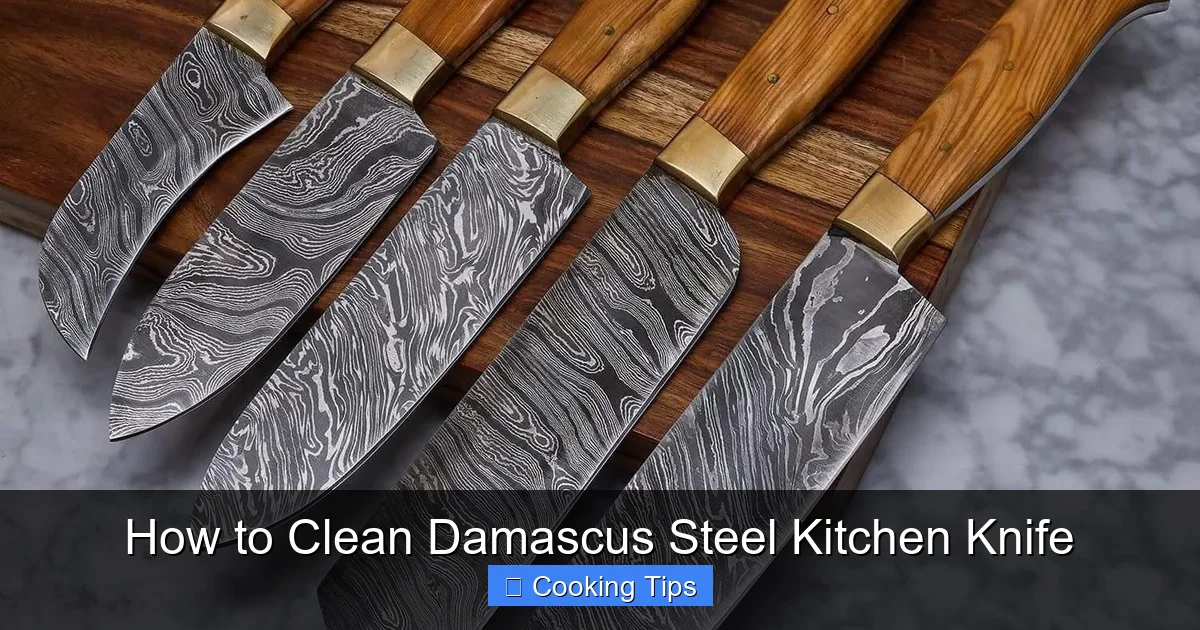
Before we dive into cleaning, let’s briefly touch upon what makes Damascus steel special. This isn’t your average stainless steel. It’s typically made by forging together two or more different types of steel, often a high-carbon steel for hardness and a softer steel for toughness. The process involves repeated heating, hammering, and folding, creating layers that, when etched, reveal the beautiful “damask” pattern. This intricate construction means it requires a bit more attention than a standard kitchen knife.

Visual guide about How to Clean Damascus Steel Kitchen Knife
Image source: petitepanini.com
The Essential Daily Cleaning Routine
The most critical aspect of keeping your Damascus steel knife in excellent condition is establishing a consistent, gentle cleaning routine. Think of it as a spa treatment for your blade!
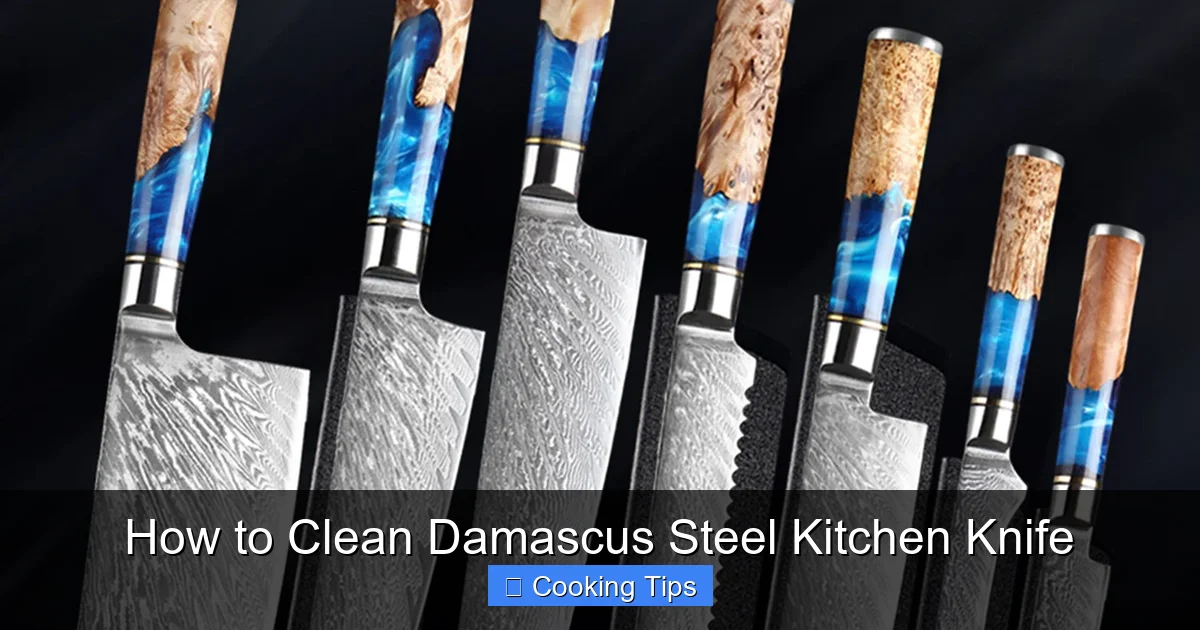
Visual guide about How to Clean Damascus Steel Kitchen Knife
Image source: cdn-s3.touchofmodern.com
Step 1: Wash Immediately After Use
This is non-negotiable. As soon as you’ve finished chopping, slicing, or dicing, it’s time to clean your knife. Don’t let food residues, especially acidic ones like citrus or tomatoes, sit on the blade. These can start to corrode the steel over time.
Step 2: Use Mild Soap and Lukewarm Water
Reach for a mild dish soap, the kind you’d use for hand-washing delicate items. Avoid any soaps with harsh chemicals, bleaches, or abrasive additives. Fill a sink or a basin with lukewarm water. Hot water can sometimes cause expansion and contraction that might stress the steel, and cold water might not be as effective at lifting food particles and oils. Gently wash the blade and the handle with a soft sponge or cloth. Pay attention to the area where the blade meets the handle (the bolster), as food particles can hide there.
Tip: For very stubborn bits of food, you can let the knife soak briefly in the lukewarm, soapy water. However, avoid prolonged soaking, as this can expose the steel to unnecessary moisture.
Step 3: Rinse Thoroughly
Once you’ve washed the knife, rinse it thoroughly under running lukewarm water. Ensure all traces of soap are removed from both the blade and the handle. Leftover soap residue can leave a film and might even affect the taste of your food if not completely rinsed away.
Step 4: Dry Immediately and Completely
This is arguably the most crucial step in preventing rust. Never, ever air dry your Damascus steel kitchen knife. As soon as it’s rinsed, take a clean, soft, lint-free towel (microfiber cloths work wonderfully) and dry the blade and handle completely. Pay extra attention to the edges and any nooks or crannies. Residual moisture is the primary culprit behind rust and corrosion, so a thorough drying is your first line of defense.
Example: Imagine a single drop of water left on the blade. Over time, this tiny drop can initiate the rust process. By taking that extra minute to dry it off, you’re safeguarding your investment.
What to Avoid at All Costs
Certain cleaning practices can quickly damage your beautiful Damascus steel knife. Knowing what to avoid is just as important as knowing what to do.
- Dishwashers: This is the absolute worst place for a Damascus steel knife. The high heat, aggressive detergents, and constant jostling can cause corrosion, dull the edge, damage the handle, and even warp the blade. Always hand wash.
- Abrasive Scrubbers: Steel wool, scouring pads, or any rough material will scratch the delicate patterns on your Damascus steel blade, diminishing its visual appeal and potentially weakening the steel. Stick to soft sponges and cloths.
- Harsh Chemicals: Avoid bleach, ammonia-based cleaners, or other strong chemicals. These can react with the steel, causing discoloration or damage.
- Prolonged Soaking: While a brief soak can help with tough food, leaving your knife submerged in water for extended periods is a recipe for rust.
- Metal Utensils: While not a cleaning issue directly, be mindful not to clang your Damascus knife against other metal surfaces or utensils, as this can chip or damage the edge.
Dealing with Rust
Even with the best care, a tiny spot of rust can sometimes appear on your Damascus steel knife, especially if it was left wet for too long. Don’t panic! Rust is usually fixable with gentle methods.
Step 1: Assess the Rust
Is it a small, superficial spot, or a more significant area of discoloration?
Step 2: Gentle Rust Removal Techniques
For minor rust spots, you can try these methods:
Using a Baking Soda Paste
Mix baking soda with a small amount of water to create a thick paste. Apply the paste to the rusted area using a soft cloth or cotton swab. Gently rub the paste over the rust in a circular motion. The mild abrasiveness of the baking soda, combined with the water and gentle rubbing, should lift the rust. Rinse thoroughly and dry immediately.
Using a Fine-Grit Sandpaper (Use with Extreme Caution!)
This is a more aggressive method and should be used as a last resort for stubborn rust. Use only the finest grit sandpaper (e.g., 1500-grit or higher) and be extremely gentle. Wrap the sandpaper around a soft cloth or sanding block. Lightly rub the rusted area, following the grain of the Damascus pattern if visible. The goal is to remove only the rust, not to polish or alter the blade’s surface significantly. Rinse thoroughly and dry immediately.
Using a Rust Eraser
Specialized rust erasers, often made from a material similar to pencil erasers but with fine abrasive particles, can be effective. Follow the product instructions, typically involving rubbing the eraser over the rusted spot with light pressure. Rinse and dry thoroughly.
Step 3: Re-Oiling After Rust Removal
After successfully removing rust, it’s essential to re-oil your blade to protect it from future rust. Use a food-grade mineral oil and apply a thin, even coat to the entire blade. Wipe off any excess oil. This step also helps to restore the luster of your Damascus steel.
Maintaining the Handle
Don’t forget the handle! The material of your knife’s handle (wood, Micarta, G10, etc.) also requires care.
Wooden Handles
Wooden handles can dry out and crack over time. After drying the knife, apply a small amount of food-grade mineral oil or a specialized wood conditioning oil to the handle. Rub it in gently with a soft cloth. This will help to protect the wood from moisture and maintain its appearance. Avoid using harsh cleaners or excessive water on wooden handles.
Other Handle Materials
Materials like Micarta or G10 are more durable and water-resistant. A simple wipe-down with a damp cloth and mild soap, followed by thorough drying, is usually sufficient for these materials.
Proper Storage for Longevity
How you store your Damascus steel kitchen knife is as important as how you clean it. Proper storage protects the blade from damage and keeps it safely out of the way.
- Knife Block: A knife block with individual slots for each knife is an excellent storage solution. It keeps the blades separate and protected.
- Magnetic Strip: A magnetic knife strip mounted on your wall is a space-saving option. Ensure you place the knife carefully and remove it smoothly to avoid nicking the blade.
- Blade Guards or Sheaths: If you store your knife in a drawer or travel with it, use a dedicated blade guard or sheath. This prevents accidental cuts and protects the edge from damage.
Tip: Avoid storing knives loose in a drawer. They can knock against each other, dulling the edges and potentially causing damage to the blades and handles.
The Power of Oiling
Regularly oiling your Damascus steel knife, especially after cleaning and drying, is a crucial step in its maintenance. Use a food-grade mineral oil. This type of oil is odorless, tasteless, and safe for contact with food.
How to Oil Your Knife
Apply a few drops of mineral oil to a clean, soft cloth. Wipe a thin, even layer of oil over the entire blade. Make sure to cover the entire surface, including near the bolster. This oil acts as a protective barrier, preventing moisture from reaching the steel and thus inhibiting rust formation. It also enhances the visual appeal of the Damascus patterns by bringing out their depth and contrast.
Frequency: For knives that are used frequently, oiling once a month is a good practice. If you live in a humid climate or use your knife less often, you might want to oil it more frequently, perhaps every few weeks.
Troubleshooting Common Issues
Here are solutions to some common concerns you might have about your Damascus steel kitchen knife.
My knife looks dull. What should I do?
Damascus steel blades are designed to be sharp, but like all knives, they will eventually dull with use. You’ll need to sharpen them regularly. For Damascus steel, it’s best to use a whetstone or a professional sharpening service. Electric sharpeners can sometimes be too aggressive for the layered steel and may damage the pattern or the edge. Learn how to use a whetstone for best results, or invest in a quality sharpening system.
I see faint scratches on my blade. Is it ruined?
Minor scratches are often a sign of normal use. If they are very shallow, they might not affect the performance of the knife. If the scratches are more significant, and you’re comfortable with it, you can attempt to polish them out very gently using an extremely fine-grit sandpaper or a polishing compound specifically designed for metal. However, if the beautiful Damascus pattern is being compromised, it’s often better to live with minor cosmetic scratches than risk damaging the blade further.
My knife has a slight discoloration. What caused it?
Discoloration can be caused by food acids, exposure to harsh chemicals, or insufficient drying after washing. Often, a thorough cleaning and re-oiling will help to reduce or remove minor discoloration. For more persistent stains, the rust removal techniques mentioned earlier might be necessary.
Conclusion
Caring for your Damascus steel kitchen knife is a rewarding endeavor. By following these simple yet effective cleaning and maintenance practices, you’ll ensure your knife remains not only a highly functional tool but also a stunning centerpiece in your kitchen for years to come. Remember to always prioritize gentle cleaning, immediate drying, and proper storage. Treat your Damascus steel knife with the respect it deserves, and it will reward you with exceptional performance and enduring beauty. Embrace the art of knife care, and enjoy the elevated cooking experience that comes with a perfectly maintained Damascus steel blade.
