

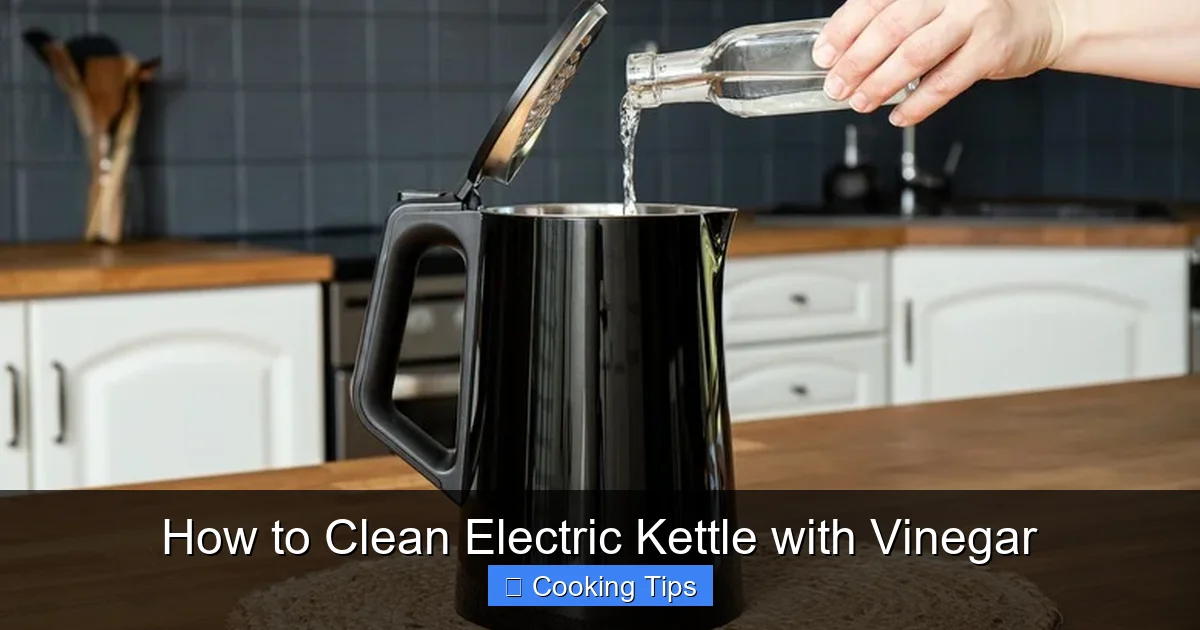
Keeping your electric kettle clean is essential for both taste and appliance longevity. This guide shows you the simple, effective method of cleaning your electric kettle with vinegar. You’ll learn how to remove stubborn limescale buildup and ensure your water heats efficiently, all with readily available household ingredients. Follow these steps for a healthier, better-tasting cup every time.
Key Takeaways
- Vinegar is a natural, effective limescale remover: Its acetic acid breaks down the mineral deposits that accumulate in kettles, making them easy to wipe away.
- Simple 2-step process: Dilute vinegar with water, boil, and rinse – it’s that straightforward to achieve a clean kettle.
- Regular cleaning prevents buildup: Performing this process every 1-3 months, depending on your water hardness, keeps your kettle in top condition.
- Safety first: Always unplug the kettle and allow it to cool before cleaning to prevent burns.
- Thorough rinsing is crucial: Multiple rinses are necessary to eliminate any lingering vinegar smell or taste from your water.
- Address stubborn stains: For very persistent limescale, a gentle scrub with a non-abrasive sponge can be used after the boiling cycle.
- Vinegar is a budget-friendly solution: You likely already have the necessary ingredient in your pantry, saving you money on specialized cleaners.
How to Clean Electric Kettle with Vinegar
Do you love your morning cup of tea or coffee? Of course, you do! But have you noticed a cloudy film or stubborn white build-up inside your electric kettle? That, my friends, is limescale. It’s a common problem, especially in areas with hard water. Limescale isn’t just unsightly; it can also affect how efficiently your kettle heats water and, ultimately, the taste of your beverages.
The good news is that you don’t need harsh chemicals to tackle this issue. In 2026, many of us are looking for natural, eco-friendly, and cost-effective solutions for household chores. That’s where your trusty bottle of white vinegar comes in. This common kitchen staple is a powerful yet gentle cleaner, perfect for dissolving limescale and leaving your electric kettle sparkling clean.
In this comprehensive guide, you’ll discover a simple, step-by-step method for cleaning your electric kettle using vinegar. We’ll walk you through everything you need to know, from gathering your supplies to the final rinse, ensuring you get the best results and maintain your appliance for years to come. Get ready to enjoy purer-tasting water and a healthier kettle!
Why Clean Your Electric Kettle?
Before we dive into the “how-to,” let’s quickly touch on why this cleaning ritual is so important. Over time, minerals present in your tap water, primarily calcium and magnesium, are deposited onto the heating element and the interior walls of your kettle. This is limescale.
Here’s why it’s a good idea to get rid of it:
- Improved Heating Efficiency: Limescale acts as an insulator, meaning it takes longer for your kettle to boil water. Regularly cleaning it helps maintain its original heating speed.
- Better Taste: Mineral deposits can leach into your water, imparting a chalky or metallic taste to your tea, coffee, or other hot beverages.
- Extended Appliance Lifespan: Excessive limescale can damage the heating element over time, potentially shortening the life of your electric kettle.
- Hygienic Appliance: A clean kettle is a more hygienic kettle, free from accumulated gunk and potential bacteria.
- Aesthetics: Let’s face it, a clean, shiny kettle looks much better in your kitchen than one with a crusty interior.
When Should You Clean Your Electric Kettle?
The frequency of cleaning depends largely on the hardness of your water and how often you use your kettle. As a general rule, aim to clean it every 1 to 3 months.
Here are some indicators that it’s time for a clean:
- You notice a visible white, chalky, or flaky build-up on the inside of the kettle.
- Your kettle seems to be taking longer than usual to boil water.
- The taste of your hot beverages has changed, tasting a bit off.
- It’s been a while since your last clean, and you can’t remember when!
Now, let’s get to the main event – cleaning your electric kettle with vinegar.
Step-by-Step Guide: Cleaning Your Electric Kettle with Vinegar
Cleaning your electric kettle with vinegar is a wonderfully simple process. You only need a couple of common household items, and the steps are easy to follow.
Step 1: Gather Your Supplies
Before you begin, make sure you have everything you need at hand. This makes the process smooth and efficient.
You will need:
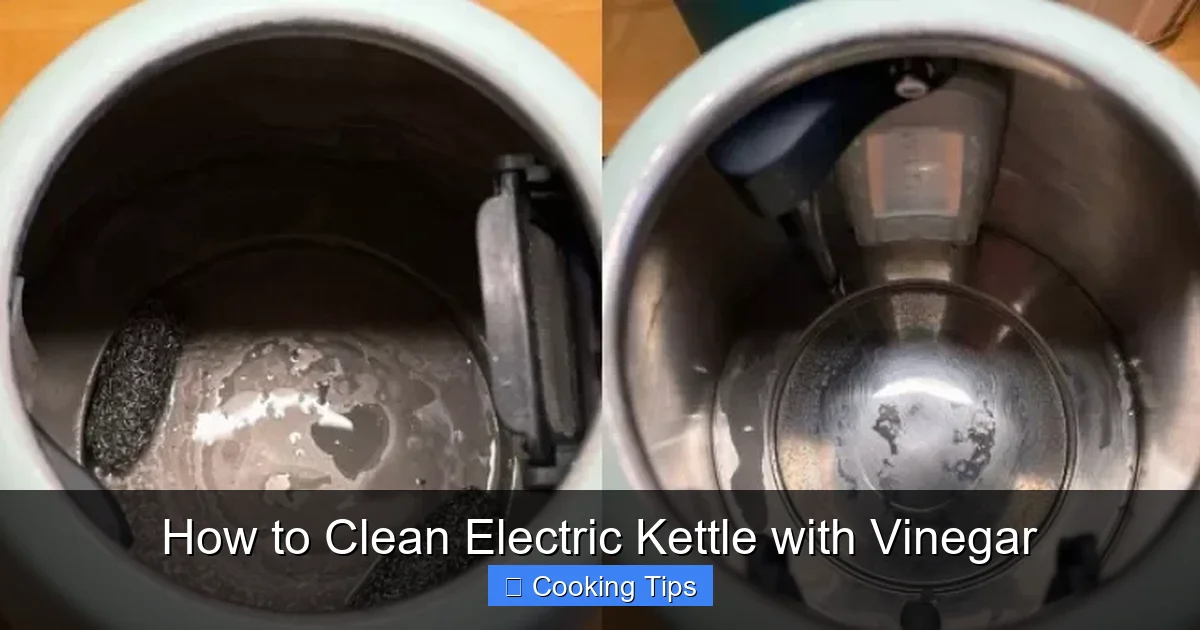
Visual guide about How to Clean Electric Kettle with Vinegar
Image source: irrorwxhiqijjr5q.ldycdn.com
- White Vinegar: Standard distilled white vinegar (5% acidity) is perfect. Avoid apple cider vinegar or other flavored vinegars, as they might leave unwanted scents or residues.
- Water: Fresh tap water.
- Measuring Cup: For accurate dilution.
- Soft Cloth or Sponge: For wiping. Ensure it’s non-abrasive.
- Optional: A small brush or old toothbrush: For getting into tight spots.
Step 2: Prepare the Kettle and Vinegar Solution
Safety first! Always ensure your electric kettle is unplugged from the power source and has cooled down completely before you start cleaning. You don’t want to risk an electric shock or a burn.
Follow these sub-steps:
- Empty the Kettle: Make sure there is no old water left inside.
- Add Vinegar and Water: This is where the magic happens. The ratio of vinegar to water is important for effectiveness without being overwhelming in scent. A good starting point is a 1:1 ratio. So, if your kettle has a capacity of 1.7 liters, you might use about 850ml of water and 850ml of white vinegar. However, you can adjust this. If you have light limescale, a 1:2 ratio (one part vinegar to two parts water) might suffice. For tougher build-up, you can use a 1:1 ratio or even slightly more vinegar. Fill the kettle with this mixture, ensuring the water level is below the maximum fill line, but enough to cover the heating element and any visible limescale.
Practical Tip: If your kettle has a lot of limescale on the exterior near the base, you can carefully wipe that area with a damp cloth dipped in a diluted vinegar solution (like 1 part vinegar to 4 parts water) while the kettle is unplugged. Be very careful not to get any liquid into the electrical components or the switch.
Step 3: Boil the Vinegar Solution
Now, it’s time to let the vinegar work its magic.
Here’s how:
- Plug In and Boil: Place the kettle back on its base, plug it in, and switch it on. Let the mixture come to a full boil.
- Let it Sit: Once it has boiled, turn the kettle off (or it might switch off automatically). Let the hot vinegar and water solution sit inside the kettle for at least 30 minutes to an hour. This extended soaking time allows the acetic acid in the vinegar to break down the limescale effectively. For very stubborn build-ups, you can let it sit for longer, even up to a couple of hours.
Important Note: During the boiling and soaking process, you might notice a strong vinegar smell. This is normal. It’s best to ensure good ventilation in your kitchen during this step. Open a window or turn on your kitchen fan.
Step 4: Empty and Rinse Thoroughly
After the soaking period, it’s time to dispose of the vinegar solution and begin rinsing.
Proceed with caution:
- Carefully Empty: The water will be hot, so carefully pour the vinegar and water solution down the sink.
- Rinse with Fresh Water: Fill the kettle with fresh, cold water to the maximum fill line.
- Boil and Discard: Plug the kettle in, switch it on, and bring the water to a boil. Once boiled, discard this water. This initial rinse helps to flush out loose limescale particles and the majority of the vinegar.
- Repeat Rinsing: You will likely need to repeat the boiling and discarding process with fresh water at least two to three more times. This is crucial to ensure no vinegar taste or smell remains in your kettle. The more you rinse, the purer your water will taste.
Troubleshooting Tip: If you still detect a faint vinegar smell after several rinses, boil another kettle of plain water and discard it. Sometimes, just a final boil with plain water is enough to eliminate any lingering scent.
Step 5: Wipe and Dry
Once you’re satisfied that the vinegar smell is gone, it’s time for the final touches.
Complete the cleaning:
- Wipe the Interior: With the kettle unplugged and empty, use a soft, damp cloth or a non-abrasive sponge to wipe down the inside of the kettle. You should find that any remaining loosened limescale wipes away easily. For any particularly stubborn spots that didn’t come off during the boiling process, you can gently scrub with the damp cloth or a soft brush.
- Clean the Exterior: While you’re at it, wipe down the exterior of your kettle with a damp cloth. You can use a little mild dish soap if needed for greasy marks, but be sure to wipe it clean with a damp cloth afterwards to remove any soap residue.
- Dry Completely: Ensure the kettle is thoroughly dried, both inside and out, with a clean, dry cloth before storing it or using it to boil water. Leaving it to air dry with the lid open is also an option, but ensure it’s completely dry before putting the lid on to prevent moisture build-up.
Congratulations! Your electric kettle should now be clean, free from limescale, and ready to brew delicious beverages.
Troubleshooting Common Issues
While cleaning with vinegar is generally straightforward, here are a few common issues you might encounter and how to address them.
- Lingering Vinegar Smell: As mentioned, repeat rinsing with fresh water and boiling plain water is the best solution. You can also try boiling a kettle with a slice of lemon or a few drops of lemon juice, followed by a good rinse. The citrus scent can help mask any residual vinegar smell.
- Very Stubborn Limescale: If after the vinegar boil and soak, some very tough limescale remains, you can repeat the boiling and soaking process with a stronger vinegar solution (closer to 1:1). Alternatively, you can use a soft brush or an old toothbrush to gently scrub the remaining deposits after the soak, before rinsing. Never use abrasive scrubbers or steel wool, as these can scratch the interior surface of your kettle.
- Discoloration: In rare cases, very old or aggressive limescale deposits might have caused slight discoloration to the heating element or interior. Vinegar is unlikely to remove this intrinsic discoloration, but it will have removed the mineral build-up.
- Kettle Won’t Boil After Cleaning: Double-check that the kettle is correctly placed on its base and that the power outlet is working. Ensure the kettle is completely dry inside and out, especially around the base and the connector, before attempting to boil. If the issue persists, there might be a problem with the kettle itself, and you may need to consult the manufacturer’s instructions or consider replacing it.
What Not to Do When Cleaning Your Electric Kettle
To keep your electric kettle in good working order, it’s important to avoid certain cleaning methods.
- Do not use abrasive cleaners or scrubbers: This includes steel wool, scouring pads, or abrasive powders. They can scratch and damage the interior surface of your kettle.
- Do not immerse the kettle base in water: The electrical components are not designed to be submerged. Always unplug the kettle and wipe the base carefully with a damp cloth.
- Do not use harsh chemicals: Bleach, oven cleaner, or other strong chemical cleaners can damage the kettle and may leave harmful residues.
- Do not forget to rinse thoroughly: Inadequate rinsing will leave your water tasting of vinegar.
Conclusion
Cleaning your electric kettle with vinegar is a simple, effective, and budget-friendly way to tackle limescale build-up. By following these straightforward steps, you can ensure your kettle operates efficiently, your water tastes pure, and your appliance lasts longer. Regular maintenance with natural ingredients like vinegar is a smart choice for your home and your health. So, next time you see that tell-tale white film, don’t despair – grab your vinegar, and get ready for a cleaner, better brew! Enjoy your perfectly boiled water, free from the taste of minerals and the annoyance of limescale. Happy brewing in 2026!
