

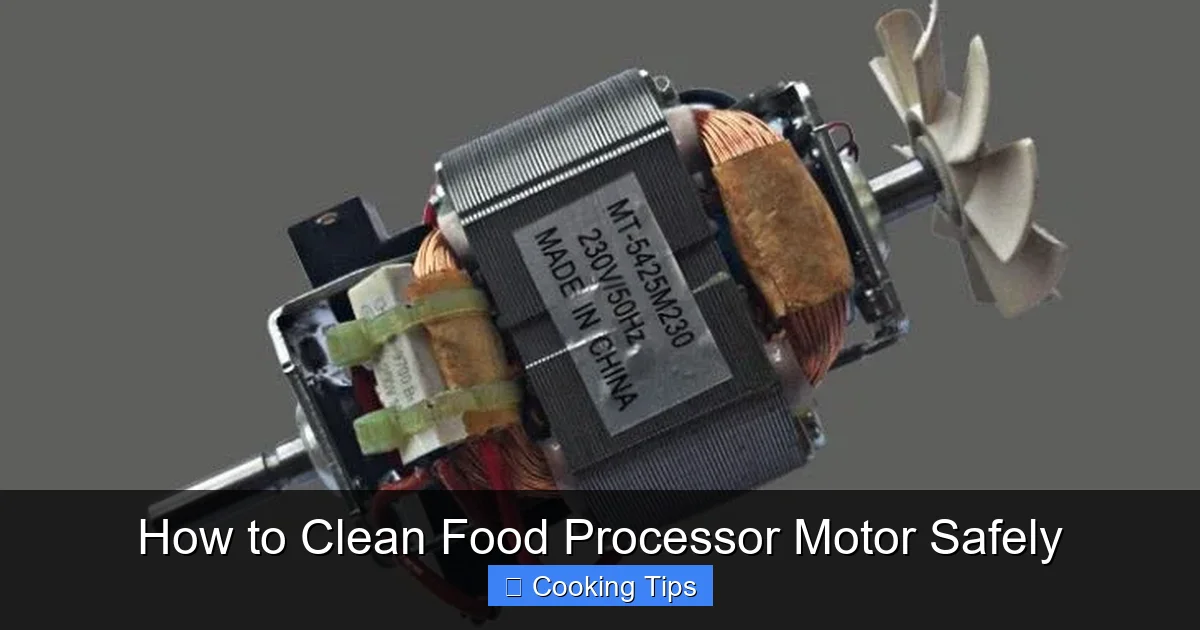
Keeping your food processor’s motor clean is vital for its longevity and performance. This guide provides a detailed, safe, and easy-to-follow process for cleaning the motor base, ensuring your appliance remains in top condition. By following these simple steps, you’ll protect your investment and enjoy your food processor for years to come.
How to Clean Food Processor Motor Safely
Welcome to your comprehensive guide on safely cleaning your food processor motor! As home cooks, we rely on our trusty food processors for everything from chopping vegetables to making dips and dough. But just like any kitchen appliance, they need a little TLC to keep running smoothly. While cleaning the bowls, lids, and blades is usually straightforward, the motor base can sometimes feel a bit intimidating. Fear not! In this guide, we’ll walk you through the process step-by-step, ensuring you can keep your food processor’s motor clean and functioning optimally without any risk. By the end of this guide, you’ll have the confidence to tackle this essential maintenance task safely and effectively.
- Unplug First: Always disconnect the food processor from the power source before any cleaning begins to prevent electrical hazards.
- Gentle Cleaning Agents: Use mild dish soap and water. Avoid harsh chemicals, abrasives, or submerging the motor unit in water.
- Targeted Cleaning: Focus on wiping down the exterior and ensuring no food particles or liquid have seeped into the base’s crevices.
- Proper Drying: Ensure all parts are thoroughly dry before reassembling or storing to prevent mold and mildew.
- Regular Maintenance: Incorporate motor cleaning into your routine, especially after messy tasks, to maintain optimal performance.
- Consult Your Manual: Always refer to your specific food processor’s user manual for manufacturer-recommended cleaning procedures.
Why Cleaning Your Food Processor Motor Base Matters
You might wonder, “Does the motor base *really* need cleaning?” The answer is a resounding yes! While the motor itself is enclosed, the exterior of the base is prone to splashes, spills, and general kitchen grime. More importantly, over time, tiny food particles or liquid can sometimes find their way into the crevices and vents around the motor housing. If left unattended, this can lead to:
- Hygiene issues: Bacteria can grow on food residue.
- Odor problems: Stale food smells can linger.
- Performance degradation: Clogged vents can lead to overheating.
- Reduced lifespan: Accumulated gunk can strain the motor.
Regular, safe cleaning of your food processor’s motor base is an investment in its longevity and your kitchen’s hygiene. Let’s get started!
Step 1: Safety First – Unplug Your Food Processor
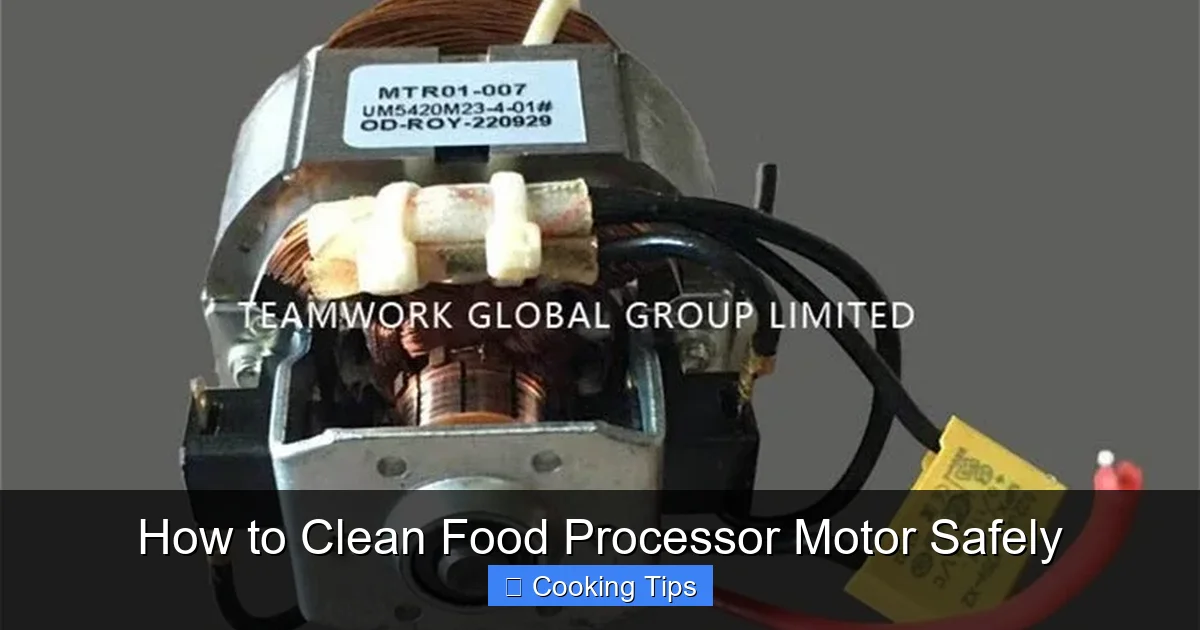
Visual guide about How to Clean Food Processor Motor Safely
Image source: tw-motor.com
This is the most crucial step, and it cannot be stressed enough. Before you even think about wiping anything down, you must ensure your food processor is completely disconnected from the power source.
Sub-step 1.1: Locate the Power Cord
Find the power cord that connects your food processor to the wall outlet.
Sub-step 1.2: Unplug from the Wall Outlet
Gently pull the plug directly from the wall socket. Do not yank the cord itself.
Sub-step 1.3: Verify Disconnection
Double-check that the cord is fully detached from the outlet. Imagine the appliance is “asleep” – it should have no access to power whatsoever. This simple action prevents any accidental activation and protects you from electric shock, which is a very serious risk when dealing with electrical appliances and liquids.
Step 2: Disassemble and Prepare
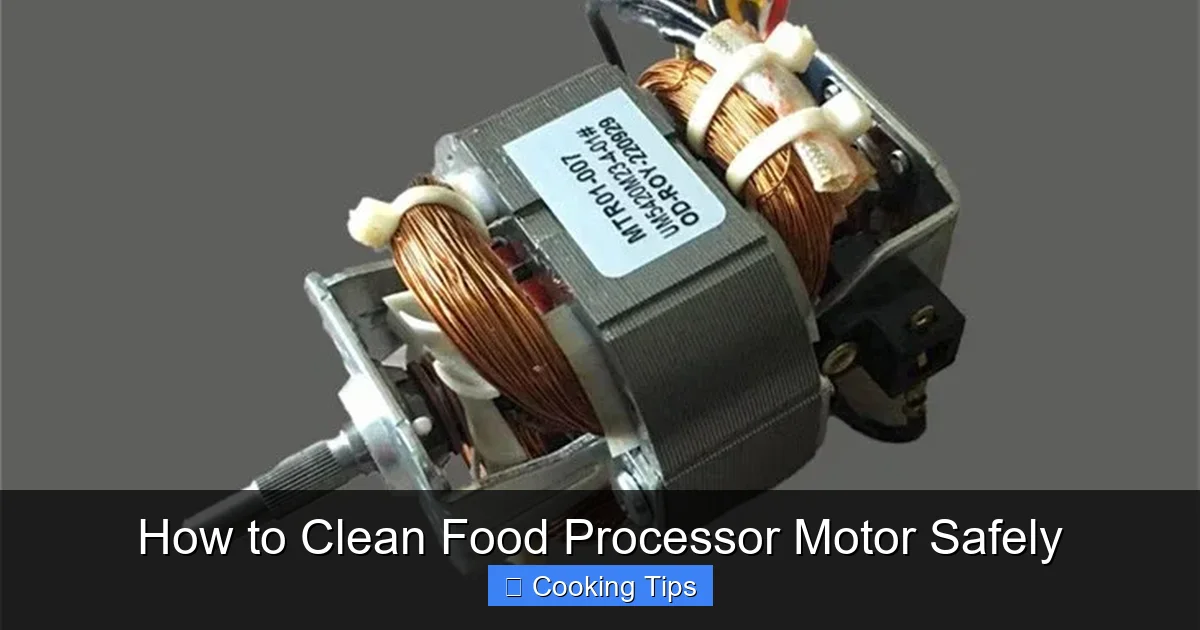
Visual guide about How to Clean Food Processor Motor Safely
Image source: tw-motor.com
Once your food processor is safely unplugged, you can begin preparing for the cleaning process. This involves taking apart the parts that can be removed.
Sub-step 2.1: Remove the Bowl and Lid
Carefully lift the food processor bowl off the motor base. If your model has a lid, remove that as well.
Sub-step 2.2: Detach the Blade Assembly
Handle the sharp blades with extreme caution. Remove the blade assembly from the bowl. Some models have a central shaft that the blade sits on; remove this if possible.
Sub-step 2.3: Set Aside Removable Parts
Place the bowl, lid, and blade assembly aside. These parts are typically made of plastic or metal and can be cleaned separately, often in the dishwasher or by hand washing with soap and water (refer to your manual for specific instructions). Your focus now is solely on the motor base.
Step 3: Gather Your Cleaning Supplies
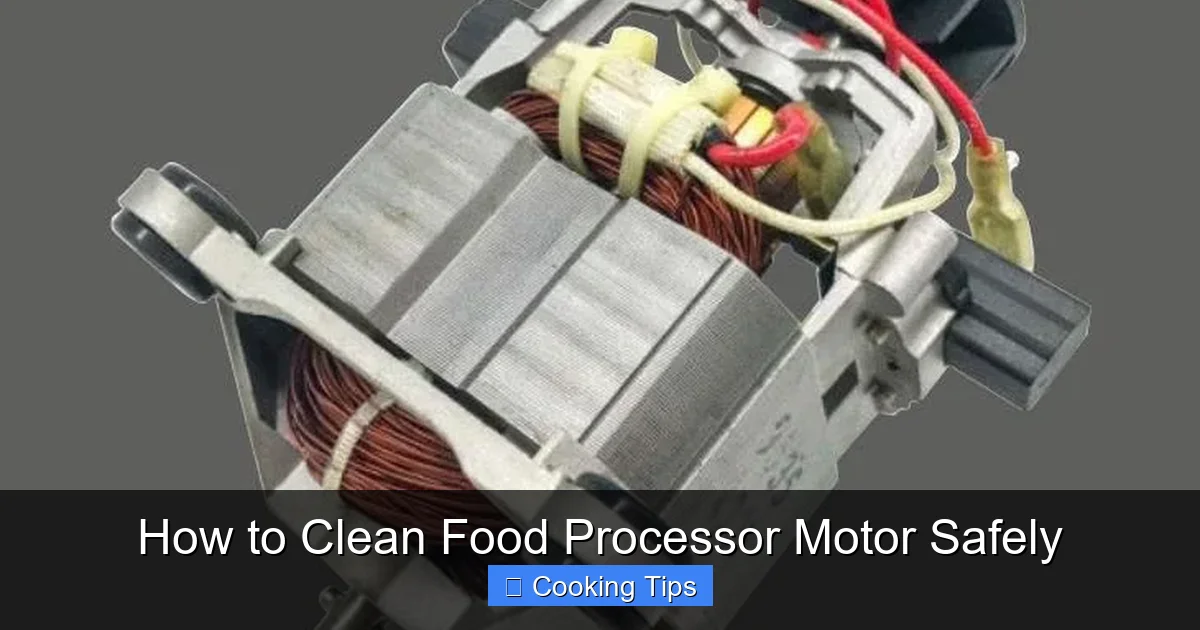
Visual guide about How to Clean Food Processor Motor Safely
Image source: tw-motor.com
For cleaning the motor base, you want to use gentle, effective supplies that won’t damage the appliance or leave behind harmful residues.
Sub-step 3.1: Mild Dish Soap
A few drops of your regular, everyday dish soap are perfect.
Sub-step 3.2: Warm Water
Have a small bowl of warm water ready.
Sub-step 3.3: Soft Cloths or Sponges
Choose soft, lint-free cloths (like microfiber cloths) or a non-abrasive sponge. Avoid steel wool, abrasive scrub pads, or anything that could scratch the plastic or metal finish of the motor base.
Sub-step 3.4: Cotton Swabs (Optional but Recommended)**
Cotton swabs are excellent for reaching into small crevices and tight spots.
Sub-step 3.5: Toothpicks (Optional)**
For stubborn bits lodged in tiny gaps, a toothpick can be surprisingly useful. Use gently.
Step 4: Clean the Exterior of the Motor Base
This is where you’ll address the visible grime and spills. The key here is to use minimal moisture and never submerge the base.
Sub-step 4.1: Dampen Your Cloth
Lightly dampen a soft cloth or sponge with your warm, soapy water. Wring it out thoroughly so it’s just damp, not wet. Excess water is the enemy of electrical components.
Sub-step 4.2: Wipe Down Surfaces
Gently wipe down the exterior surfaces of the motor base. Pay attention to areas around the controls, the housing where the bowl connects, and any other visible surfaces.
Sub-step 4.3: Address Spills and Splatters
If you notice dried-on food or spills, apply a little more soapy water to the cloth and let it sit on the spot for a moment to soften. Then, wipe gently. You may need to repeat this a few times for stubborn spots.
Sub-step 4.4: Clean Around Controls
Use the damp cloth to carefully wipe around buttons, dials, or touchpads.
Step 5: Clean Hard-to-Reach Areas
Food processors often have nooks and crannies where debris can accumulate. This is where your cotton swabs and toothpicks come in handy.
Sub-step 5.1: Use Cotton Swabs for Crevices
Dip a cotton swab lightly in your soapy water and wring out any excess moisture. Use this to clean around vents, seams, and any other tight areas on the motor base.
Sub-step 5.2: Gently Remove Debris with Toothpicks
If you find any stubborn bits of food lodged in a very small gap, you can carefully use a toothpick to dislodge them. Be very gentle to avoid scratching the appliance. Once dislodged, wipe the area clean with your damp cloth or cotton swab.
Sub-step 5.3: Pay Attention to Vents
Food processor bases often have ventilation slots to prevent the motor from overheating. Gently clean these areas with a dry or very lightly dampened cotton swab to remove any dust or debris that might be obstructing airflow. Never poke anything sharp or wet deep into the vents.
Step 6: Rinse (The “No Dip” Method)
You don’t rinse the motor base like you would a dish. Instead, you’ll use a clean, damp cloth to remove any soap residue.
Sub-step 6.1: Get a Clean Cloth
Take a fresh, soft cloth and dampen it with plain warm water. Again, wring it out thoroughly until it is just damp.
Sub-step 6.2: Wipe Away Soap Residue
Gently wipe down all the surfaces you just cleaned with the soapy cloth. This removes any leftover soap, ensuring your appliance doesn’t have a soapy film or scent. Make sure to go over all the areas you cleaned in the previous steps.
Step 7: Dry Thoroughly
This is another critical step for preventing damage and ensuring hygiene. Any moisture left behind can lead to mold, mildew, or even electrical issues over time.
Sub-step 7.1: Use a Dry Cloth
Take a clean, dry, soft cloth and meticulously dry all the exterior surfaces of the motor base. Get into all the nooks and crannies you cleaned.
Sub-step 7.2: Air Dry (Optional but Recommended)**
For added assurance, you can let the motor base air dry for an additional hour or two in a well-ventilated area. This ensures any lingering moisture evaporates completely. Do not place it in direct sunlight or near a heat source.
Sub-step 7.3: Check for Dampness
Before proceeding to reassembly, visually inspect the motor base and feel all surfaces to ensure they are completely dry to the touch.
Step 8: Reassemble and Store
Once you are absolutely certain the motor base is dry, you can put your food processor back together.
Sub-step 8.1: Reattach Blades and Bowl
Carefully reassemble the blade assembly, bowl, and lid according to your model’s instructions. Remember to handle the blades with care.
Sub-step 8.2: Connect to Power (When Ready for Use)**
Only plug your food processor back into the wall outlet when you are ready to use it.
Sub-step 8.3: Proper Storage
Store your clean food processor in a dry place. If storing for an extended period, ensure it’s completely dry and free of any food particles before putting it away.
Practical Tips for Maintaining Your Food Processor Motor
* **Clean Spills Immediately:** The best way to avoid tough cleaning jobs is to wipe up any spills or splatters on the motor base as soon as they happen. A quick wipe with a damp cloth can save you a lot of effort later.
* **Don’t Overload:** Pushing your food processor too hard by trying to process too much at once can strain the motor. Follow the manufacturer’s capacity guidelines.
* **Listen to Your Appliance:** If your food processor starts making unusual noises or smells, it might be a sign of an issue, possibly related to internal debris or a struggling motor. In such cases, consult your manual or consider professional servicing.
* **Read Your Manual:** Every food processor is slightly different. Your user manual is the ultimate authority on what cleaning agents and methods are safe and recommended for your specific model.
* **Regular Cleaning Schedule:** Aim to wipe down the motor base exterior after each use, or at least after particularly messy tasks. A deeper clean, as described above, can be done monthly or as needed.
Troubleshooting Common Issues
* **Stubborn Residue Won’t Budge:** If a food residue is particularly tough, try applying a slightly more concentrated (but still mild) dish soap solution to your cloth and letting it sit on the spot for a minute or two. Avoid using harsh scrubbers. If it’s still difficult, gently use a plastic scraper or the edge of a credit card to lift it, then wipe with your damp cloth.
* **Food Particles in Vents:** If you notice food particles deep within vents and can’t reach them with a swab or toothpick, you might try a very gentle burst of compressed air (held at a distance, not directly into the vent) to dislodge them. Immediately follow up with a gentle wipe. If the blockage seems significant, it might be best to consult your manual or a service technician.
* **Unpleasant Odors:** If odors persist despite cleaning, it’s possible that something has seeped deeper into the motor housing. In this case, a thorough external cleaning is still the first step. If the smell remains, it may indicate a more serious internal issue, and professional inspection might be necessary.
Conclusion
Cleaning your food processor’s motor base safely is a simple yet vital part of maintaining your kitchen appliance. By following these step-by-step instructions, prioritizing safety with unplugging, and using gentle cleaning methods, you can ensure your food processor remains hygienic, performs efficiently, and lasts for many years to come. Remember to always refer to your appliance’s specific user manual for manufacturer guidelines. A little regular care goes a long way in keeping your culinary assistant ready for action! Happy processing!
