

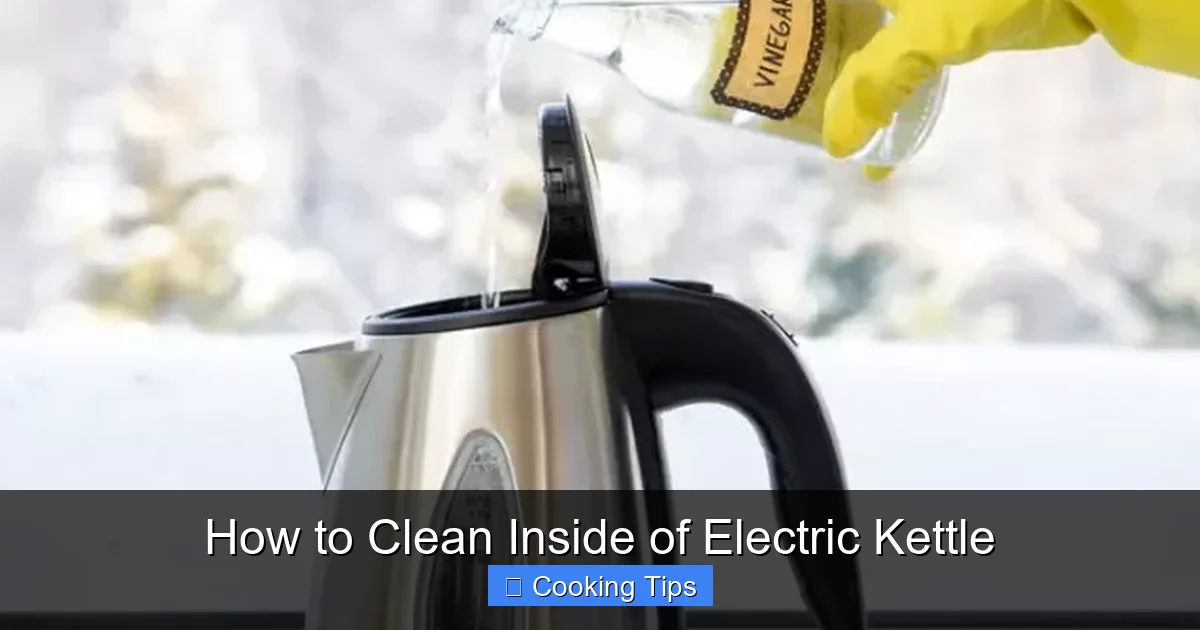
Tired of cloudy kettle interiors and unpleasant tastes? This guide provides a comprehensive, step-by-step approach to cleaning the inside of your electric kettle. We’ll cover natural descaling methods using common household ingredients like vinegar and lemon, as well as how to tackle tough mineral buildup. Regular cleaning ensures pure-tasting water and extends the lifespan of your appliance.
How to Clean Inside of Electric Kettle
Welcome to your ultimate guide on how to clean the inside of your electric kettle! If you’re like most of us, your electric kettle is a daily workhorse. It’s there for your morning coffee, your afternoon tea, and perhaps even a quick bowl of instant noodles. But over time, you might notice a cloudy residue forming on the inside, or perhaps your water just doesn’t taste quite as fresh as it used to. This is usually due to limescale buildup, also known as mineral deposits. These deposits aren’t just unsightly; they can affect the efficiency of your kettle and, more importantly, the taste of your beverages.
In this comprehensive guide, we’ll walk you through simple, effective, and often natural methods to get your electric kettle sparkling clean again. You don’t need harsh chemicals to achieve brilliant results. We’ll cover everything from common household ingredients like vinegar and lemon to tackling more stubborn limescale. By the end of this guide, you’ll have the knowledge and confidence to maintain a pristine electric kettle, ensuring delicious hot drinks every time. Let’s dive in!
Key Takeaways
- Regular descaling is crucial: Prevents mineral buildup, improves water taste, and extends kettle longevity.
- Vinegar is your best friend: A potent and affordable natural descaler for removing limescale.
- Lemon offers a gentler alternative: Provides a fresh scent and effective cleaning for lighter buildup.
- Baking soda tackles tough stains: Can be used as a paste for stubborn spots and odors.
- Rinse thoroughly: Essential to remove any residual cleaning agents and prevent altered water taste.
- Wipe the exterior: A clean exterior complements the sparkling interior.
- Consult your manual: Always check manufacturer recommendations for specific cleaning advice.
Why Cleaning Your Electric Kettle Matters
Before we get to the “how,” let’s briefly touch on the “why.” Why is it so important to clean the inside of your electric kettle regularly?
- Improved Taste: Limescale and mineral deposits can leach into your water, giving it a dull, chalky, or even metallic taste. Cleaning removes these contaminants, ensuring your drinks taste pure and unadulterated.
- Increased Efficiency: A thick layer of limescale on the heating element can reduce the kettle’s efficiency. It acts as an insulator, meaning your kettle has to work harder and longer to heat the water. This can lead to higher energy consumption.
- Extended Lifespan: Excessive mineral buildup can put strain on the heating element and other internal components of your kettle. Regular cleaning helps prevent premature wear and tear, potentially extending the life of your appliance.
- Hygiene: While not a breeding ground for bacteria in the same way a stagnant pond might be, any buildup can harbor microscopic particles. A clean kettle is simply more hygienic.
When to Clean Your Electric Kettle
The frequency of cleaning depends on your local water hardness. If you have hard water, you might need to descale your kettle every 1 to 3 months. If you have soft water, cleaning every 4 to 6 months might be sufficient. Here are some signs that it’s time for a clean:
- Visible white or cloudy residue on the bottom and sides of the kettle.
- Water taking longer than usual to boil.
- An unusual taste or smell to your boiled water.
Natural Cleaning Methods
Fortunately, you don’t need specialized or harsh cleaning products to get your electric kettle clean. Many effective descalers are already in your pantry!
Method 1: The Classic Vinegar Clean
White vinegar is a superstar when it comes to tackling limescale. Its acetic acid content effectively breaks down the mineral deposits. This is generally the most recommended and effective method.
What You’ll Need:
- White distilled vinegar
- Water
- A clean cloth or sponge
Step-by-Step Instructions:
Step 1: Prepare the Solution
Mix equal parts white vinegar and water in your kettle. For example, if your kettle has a 1-liter capacity, fill it halfway with water and then add half a liter of white vinegar. Ensure the solution covers the limescale, but do not fill the kettle to the brim. Leave some space.
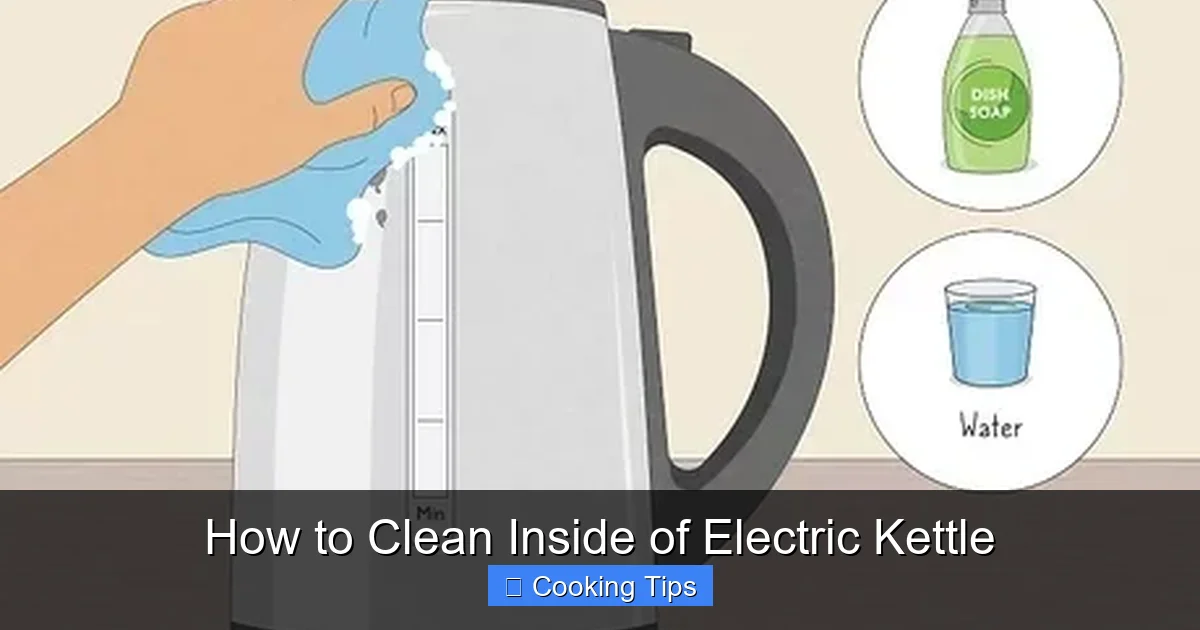
Visual guide about How to Clean Inside of Electric Kettle
Image source: easylifeelectronic.com
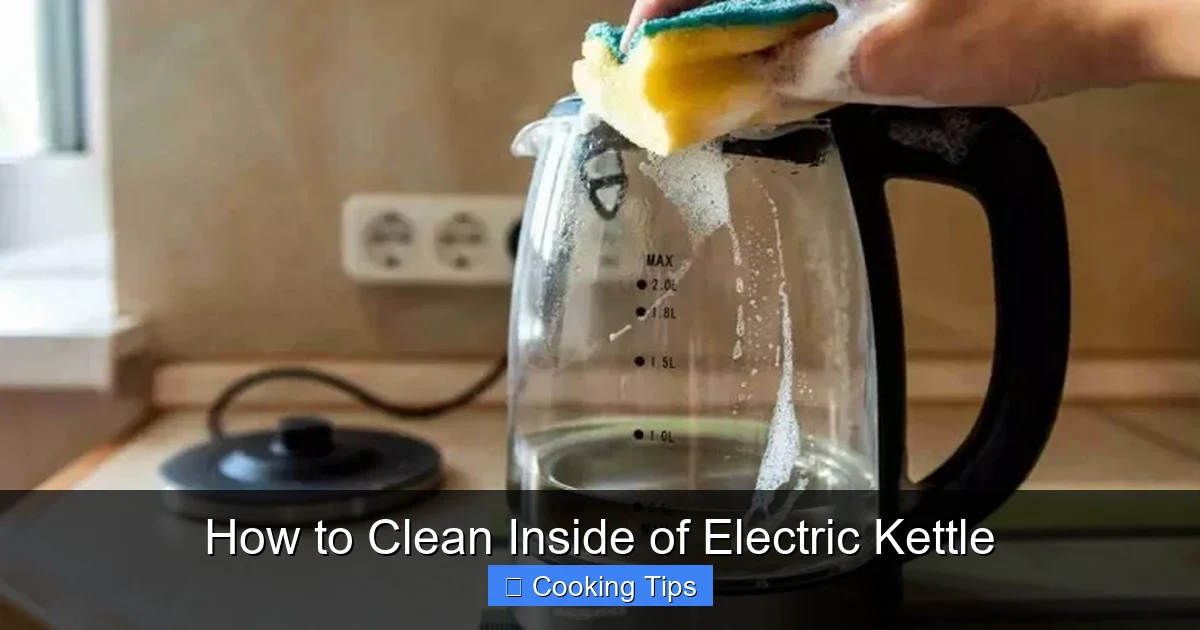
Visual guide about How to Clean Inside of Electric Kettle
Image source: irrorwxhiqijjr5q.ldycdn.com
Visual guide about How to Clean Inside of Electric Kettle
Image source: jirorwxhiqijjr5q.ldycdn.com
Step 2: Boil the Mixture
Close the lid of your electric kettle and switch it on to boil the vinegar and water solution. Once it has boiled, turn off the kettle and let it sit for at least 30 minutes. For heavily scaled kettles, you might want to let it sit for an hour or even overnight. The longer it sits, the more time the vinegar has to work on dissolving the mineral deposits.
Step 3: Empty and Rinse
Carefully empty the hot vinegar-water solution from the kettle. You might see some of the limescale flakes floating around; this is a good sign! Rinse the inside of the kettle thoroughly with fresh, clean water. Repeat this rinsing process a few times to ensure all traces of vinegar are removed.
Step 4: Boil Fresh Water
To completely eliminate any lingering vinegar smell or taste, fill the kettle with fresh water and boil it. Discard this water. You may want to repeat this step one or two more times, especially if you’re sensitive to the smell of vinegar, until the water tastes and smells completely neutral.
Step 5: Wipe and Dry
Use a soft, damp cloth or sponge to wipe down the inside of the kettle. This will help remove any remaining loosened limescale. Finally, dry the interior with a clean, dry cloth.
Method 2: The Zesty Lemon Clean
If you’re not a fan of the strong smell of vinegar, or if you only have mild limescale buildup, lemon juice can be a great alternative. It’s also a natural deodorizer.
What You’ll Need:
- Fresh lemon juice (from 1-2 lemons) OR 2-3 tablespoons of lemon juice concentrate
- Water
- A clean cloth or sponge
Step-by-Step Instructions:
Step 1: Prepare the Lemon Solution
Fill your kettle about halfway with water. Squeeze the juice of one or two fresh lemons directly into the water. Alternatively, use 2-3 tablespoons of bottled lemon juice concentrate. Ensure the lemon juice is mixed well with the water.
Step 2: Boil and Soak
Close the lid and bring the lemon-water mixture to a boil. Once boiled, turn off the kettle and let it stand for about 30 minutes to an hour. The citric acid in the lemon will help to break down the mineral deposits.
Step 3: Empty and Rinse
Pour out the hot lemon-water solution. Rinse the inside of the kettle thoroughly with clean water. You may notice some loosened scale. If necessary, gently scrub any remaining spots with a soft cloth or sponge.
Step 4: Boil Fresh Water
To remove any residual lemon flavor and ensure your water is pure, fill the kettle with fresh water and boil it. Discard this water. Repeat once or twice if desired.
Step 5: Wipe and Dry
Wipe the inside of the kettle with a soft cloth and dry it thoroughly.
Method 3: Baking Soda for Tough Stains and Odors
Baking soda is a mild abrasive and a natural deodorizer, making it useful for tackling stubborn stains and lingering smells that might not be completely removed by vinegar or lemon alone.
What You’ll Need:
- Baking soda (2-3 tablespoons)
- Water
- A clean cloth or sponge
Step-by-Step Instructions:
Step 1: Create a Baking Soda Paste (Optional for stubborn spots)
For particularly stubborn limescale spots, you can make a paste by mixing baking soda with a small amount of water. Apply this paste directly to the affected areas inside the kettle and let it sit for 15-20 minutes.
Step 2: Add Baking Soda to Water
Alternatively, fill your kettle with water up to the maximum fill line. Add 2-3 tablespoons of baking soda to the water. Stir gently to dissolve the baking soda.
Step 3: Boil and Soak
Close the lid and boil the water with baking soda. Once boiled, turn off the kettle and let it sit for at least 30 minutes. The baking soda will help to lift stains and neutralize odors.
Step 4: Empty and Rinse
Carefully empty the baking soda solution. Rinse the kettle thoroughly with clean water. If you used a paste, gently scrub the treated areas with a soft sponge or cloth.
Step 5: Boil Fresh Water
To ensure no baking soda residue remains, fill the kettle with fresh water and boil it. Discard this water. Repeat if necessary until the water is neutral.
Step 6: Wipe and Dry
Wipe the inside of the kettle with a soft cloth and dry it completely.
Special Considerations for Stainless Steel Kettles
Most modern electric kettles have stainless steel interiors. The methods described above are perfectly safe and effective for stainless steel. However, if you notice any scratching from aggressive scrubbing (which you should avoid!), it’s generally cosmetic and won’t affect the performance. Always use soft cloths or non-abrasive sponges.
Troubleshooting Common Kettle Cleaning Issues
Even with the best intentions, you might run into a few snags. Here are some common issues and how to solve them.
Issue: Stubborn Limescale Remains
Solution: If one cleaning cycle doesn’t fully remove the limescale, repeat the process. For very stubborn buildup, you might need to use a stronger concentration of vinegar or let the solution soak for a longer period. Some people also find that a combination of methods works best – for instance, using vinegar first, then a baking soda paste for any remaining spots. Ensure you are not using abrasive scrubbers that could scratch the interior.
Issue: Lingering Vinegar/Lemon Smell
Solution: This is usually resolved by boiling fresh water multiple times and discarding it. You can also add a teaspoon of baking soda to fresh water and boil it, then discard. Some people find boiling a few mint leaves or a slice of ginger in fresh water can help neutralize odors after cleaning.
Issue: Unsure About Manufacturer Recommendations
Solution: Always refer to your electric kettle’s instruction manual. Some manufacturers may have specific cleaning recommendations or may advise against using certain substances (though this is rare for common household items). If your kettle has a special filter or heating element design, the manual will provide the best guidance.
Issue: Interior Scratches
Solution: Minor scratches on the interior, especially on stainless steel, are usually superficial and do not affect the kettle’s function or the taste of the water. Avoid using steel wool or abrasive scouring pads, as these will definitely cause scratches. Opt for soft cloths, sponges, or silicone scrubbers.
Cleaning the Exterior of Your Electric Kettle
While we’re focused on the inside, don’t forget the outside! A clean exterior completes the transformation.
What You’ll Need:
- A damp cloth
- Mild dish soap (optional)
- A dry cloth
Instructions:
Unplug the kettle and ensure it is completely cool. Dampen a soft cloth with water. If there are greasy marks or stains, you can add a tiny drop of mild dish soap to the damp cloth. Wipe down the exterior of the kettle, paying attention to the base and handle. Avoid getting water into the electrical connections. Rinse the cloth and wipe again to remove any soap residue. Finally, dry the exterior thoroughly with a clean, dry cloth to prevent water spots.
Conclusion: Enjoy Pure-Tasting Water!
Keeping the inside of your electric kettle clean is a simple yet essential part of maintaining your kitchen appliances and ensuring the best possible taste for your favorite hot beverages. By utilizing common household ingredients like vinegar, lemon, and baking soda, you can effectively remove limescale and other mineral buildup without resorting to harsh chemicals. Remember to clean your kettle regularly, especially if you have hard water, and to always consult your appliance’s manual for specific instructions.
A little bit of regular maintenance goes a long way. Not only will your kettle look better, but it will also operate more efficiently and deliver consistently great-tasting water for your daily needs. So, grab that vinegar or lemon, and give your trusty electric kettle the spa treatment it deserves! Happy brewing!
