

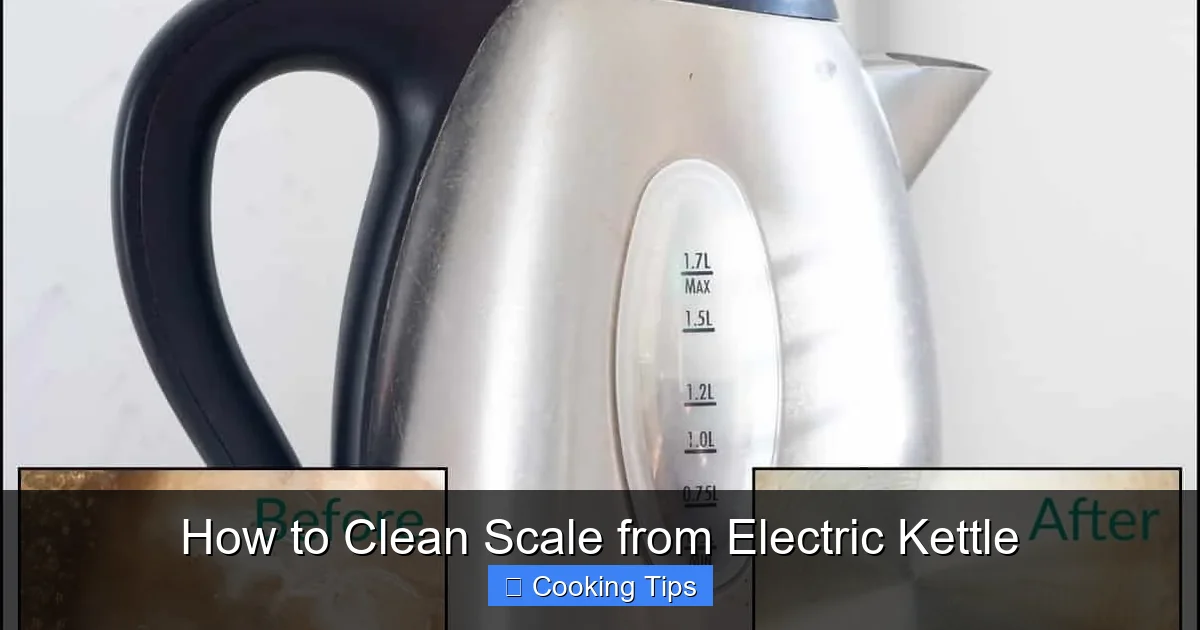
Over time, limescale buildup can make your electric kettle less efficient and affect water taste. This comprehensive guide provides simple, effective methods for cleaning scale from your electric kettle in 2026, using common household ingredients. Discover natural solutions like vinegar and lemon to restore your kettle’s performance and ensure pure-tasting water. Follow our easy step-by-step instructions for a sparkling clean electric kettle.
Key Takeaways
- Regular cleaning prevents severe buildup: Aim to descale your electric kettle every 1-3 months to avoid stubborn limescale.
- Vinegar is a powerful natural descaler: White vinegar is highly effective at dissolving mineral deposits due to its acetic acid content.
- Lemon juice offers a pleasant alternative: For a less pungent option, lemon juice provides a natural way to break down scale, leaving a fresh scent.
- Baking soda for stubborn spots: A paste of baking soda can be used for targeted scrubbing of any remaining limescale.
- Rinsing is crucial: Thoroughly rinse the kettle multiple times after descaling to remove any residual cleaning solution and prevent taste alteration.
- Safety first: Always unplug your electric kettle before cleaning and ensure it’s completely cool.
How to Clean Scale from Electric Kettle
Welcome to your ultimate guide on tackling that unsightly and performance-hindering limescale buildup in your electric kettle! By 2026, we all appreciate our appliances working efficiently and our beverages tasting just right. That’s where this guide comes in. You’ll learn the easiest, most effective ways to banish mineral deposits from your electric kettle, ensuring it remains a reliable and hygienic kitchen companion. We’ll explore natural, budget-friendly methods that are both safe for your appliance and better for the environment. Get ready to restore your electric kettle to its former glory!
Limescale, those chalky white deposits you see inside your kettle, are primarily composed of calcium carbonate and magnesium. They come from the minerals naturally present in your tap water. While harmless to consume in small amounts, a significant buildup can wreak havoc. It makes your kettle take longer to boil, increasing energy consumption and your electricity bill. Worse still, limescale can impart a dull, unpleasant taste to your tea, coffee, or any other hot beverage you prepare.
Fortunately, cleaning scale from your electric kettle is a straightforward process. You don’t need harsh chemicals or expensive specialized cleaners. In fact, some of the most effective descalers are common household items you probably already have in your pantry.
Why Clean Your Electric Kettle?
Before we dive into the “how,” let’s briefly touch on the “why.” Keeping your electric kettle clean offers several key benefits:
- Improved Efficiency: A descaled kettle heats water faster, using less energy.
- Better Taste: Eliminates that metallic or chalky taste from your drinks.
- Extended Lifespan: Prevents mineral buildup from damaging heating elements.
- Hygienic: Ensures your water is as pure as possible.
Now, let’s get down to business. We’ll cover the most popular and effective methods for cleaning scale from your electric kettle.
Method 1: The Classic White Vinegar Clean
White vinegar is a superhero when it comes to tackling limescale. Its acidity (acetic acid) is brilliant at breaking down the mineral deposits. This is often the go-to method for many households.
Step 1: Prepare the Vinegar Solution
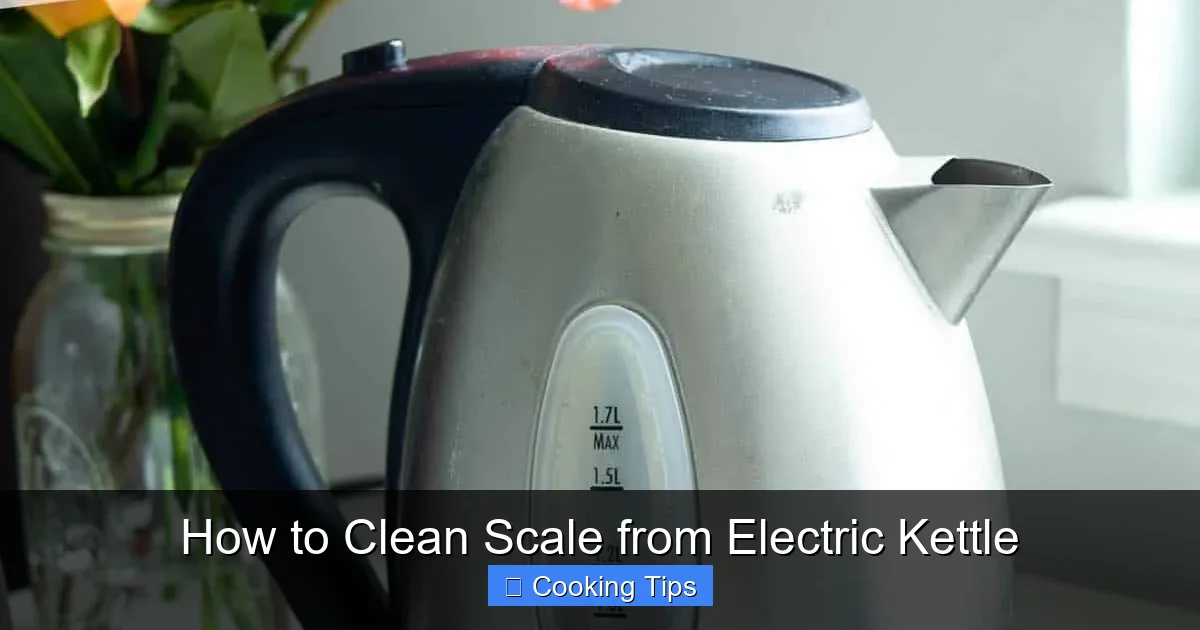
First, unplug your electric kettle and ensure it’s completely cool. This is a crucial safety step. Never attempt to clean a hot appliance.
Visual guide about How to Clean Scale from Electric Kettle
Image source: garlicdelight.com
Next, create your cleaning solution. The general rule of thumb is a 1:1 ratio of white vinegar to water. For example, if your kettle has a capacity of 1.7 liters, you might use about 850 ml of water and 850 ml of white vinegar.
Step 2: Fill the Kettle and Let it Soak
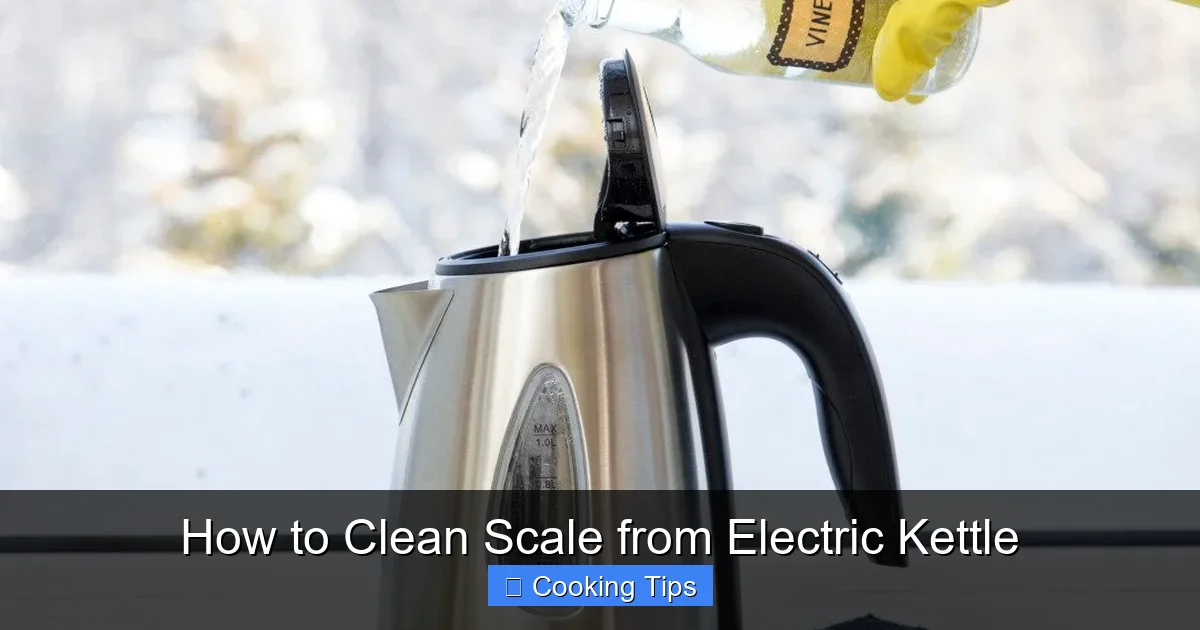
Pour the vinegar and water mixture into your electric kettle. Ensure the solution covers the visible limescale deposits. If the scale is only at the bottom, you might not need to fill it to the brim, but make sure the affected areas are submerged.
Once filled, close the lid. You can then let the mixture sit for at least 30 minutes to an hour. For particularly stubborn scale, you might even leave it to soak overnight.
Step 3: Boil the Solution (Optional, but Recommended for Tough Scale)
For tougher limescale, you can enhance the effectiveness by boiling the vinegar solution. Do not leave the kettle unattended during this process.
Turn on the electric kettle and let it boil the vinegar-water mixture. Once it has boiled, turn off the kettle and let it sit for another 15-30 minutes. The heat helps to further accelerate the dissolving process.
Step 4: Empty and Rinse Thoroughly
Carefully pour out the hot vinegar solution. You’ll likely see that much of the scale has dissolved. You might notice some loosened flakes, which is perfectly normal.
Now, for the most important part: rinsing. Rinse the inside of the kettle with clean water at least 3-4 times. This is vital to remove any lingering vinegar smell or taste. You can fill the kettle with fresh water, boil it, and discard the water. Repeat this process until you can no longer smell vinegar.
Step 5: Wipe and Dry
Use a soft cloth or sponge to wipe down the inside of the kettle. This will help remove any last bits of scale or residue. Then, leave the kettle to air dry completely with the lid open.
Tip: If you find a strong vinegar smell persists after several rinses, boil the kettle one more time with just plain water. This usually does the trick.
Method 2: The Zesty Lemon Juice Approach
If the thought of vinegar makes you wince, lemon juice offers a fantastic, natural, and far more pleasant-smelling alternative. The citric acid in lemons works similarly to vinegar in breaking down limescale.
Step 1: Prepare the Lemon Solution
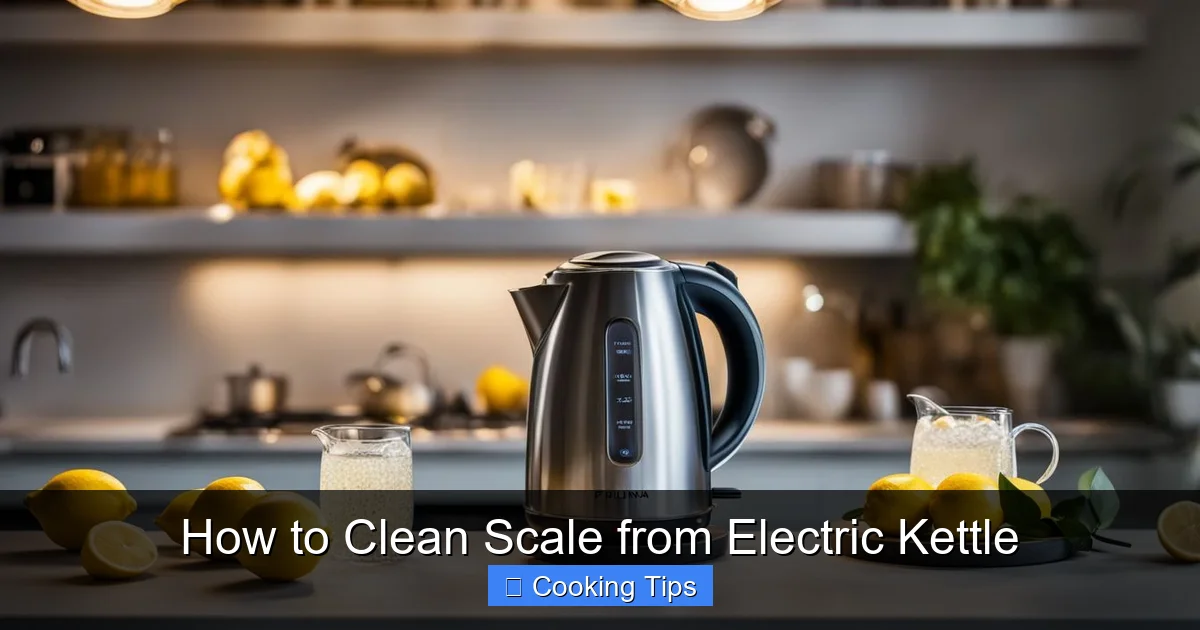
Again, ensure your electric kettle is unplugged and cool. Squeeze the juice of 1-2 fresh lemons into the kettle. You can also add the lemon halves or slices to the kettle for extra scrubbing power.
Visual guide about How to Clean Scale from Electric Kettle
Image source: app.agilitywriter.ai
Add an equal amount of water to the lemon juice, so you have a 1:1 ratio of liquid to lemon juice. If you’re using whole lemon halves, you can just fill the kettle with water until the scale is covered.
Step 2: Boil the Lemon Mixture
Close the lid and turn on your electric kettle to boil the lemon and water mixture. Let it boil completely.
Step 3: Let it Sit
Once the kettle has boiled, turn it off and let the lemon solution sit inside for about 30 minutes to an hour. The acidity of the lemon juice will work its magic on the limescale.
Step 4: Empty and Rinse
Pour out the lemon-infused water. The scale should have loosened considerably. Rinse the kettle thoroughly with fresh water, at least 2-3 times. You can boil fresh water and discard it after each rinse to ensure no lemony residue remains.
Step 5: Final Touches
Wipe the inside of the kettle with a soft cloth. The lemon method often leaves your kettle smelling fresh and clean.
Example: For a standard 1.7-liter kettle, you might use the juice of two medium-sized lemons and 1.5 liters of water.
Method 3: Baking Soda for Stubborn Spots
While vinegar and lemon are excellent for overall descaling, sometimes you might have a few persistent patches of scale that need a little extra attention. Baking soda is a mild abrasive and can help scrub away these tougher spots.
Step 1: Make a Baking Soda Paste
Ensure the kettle is cool and unplugged. In a small bowl, mix a few tablespoons of baking soda with a small amount of water to form a thick paste. It should be thick enough to adhere to the sides of the kettle.
Visual guide about How to Clean Scale from Electric Kettle
Image source: easylifeelectronic.com
Step 2: Apply the Paste
Using a soft cloth or sponge, apply the baking soda paste directly to any remaining limescale patches inside the kettle. Let it sit for about 15-30 minutes.
Step 3: Gently Scrub
After the paste has had time to work, use the soft cloth or sponge to gently scrub the treated areas. Be careful not to scratch the interior of your kettle. The mild abrasive nature of baking soda should help lift the remaining scale.
Step 4: Rinse Thoroughly
Once you’ve scrubbed away the scale, rinse the kettle with plenty of fresh water. Boil and discard a kettle-full of water to ensure all baking soda residue is gone.
Troubleshooting Common Limescale Issues
Even with the best methods, you might encounter a few challenges. Here’s how to tackle them:
What if the scale is very thick and hard?
For extremely thick scale, you might need to repeat the vinegar or lemon method. You could also try a longer soaking time. For vinegar, consider using a slightly stronger concentration by using less water, or letting it soak for several hours or overnight before boiling.
My kettle still smells of vinegar/lemon after rinsing. What can I do?
This is a common issue, especially with vinegar. The best solution is to boil plain water in the kettle a couple more times. Discard the water after each boil. Adding a few drops of vanilla extract to the water during one of these boiling cycles can also help neutralize persistent odors.
Can I use specialized kettle descalers?
Yes, specialized kettle descalers are available and can be very effective. Always follow the manufacturer’s instructions carefully. However, for most homes, natural methods are perfectly adequate, more economical, and often preferred for health and environmental reasons.
How often should I clean my electric kettle?
The frequency depends on your tap water hardness and how often you use the kettle. As a general rule, aim to descale your electric kettle every 1 to 3 months. If you notice a buildup forming, or your kettle seems slower to boil, it’s time for a clean.
Preventing Limescale Buildup
The best offense is a good defense! Here are some tips to minimize limescale buildup in the first place:
- Use Filtered Water: If your tap water is particularly hard, consider using filtered or bottled water in your kettle. This significantly reduces the mineral content.
- Empty the Kettle After Each Use: Don’t leave standing water in the kettle. Emptying it after each use, even if there’s only a little water left, prevents minerals from settling.
- Wipe Dry: After emptying, give the inside of the kettle a quick wipe with a soft cloth. This removes any lingering moisture where minerals can begin to form deposits.
Conclusion
Cleaning scale from your electric kettle doesn’t have to be a chore. With simple, natural ingredients like white vinegar and lemon juice, you can effectively restore your kettle’s performance and ensure every cup of tea or coffee is just the way you like it. By following these easy steps, you’ll not only save energy and extend the life of your appliance but also enjoy purer-tasting beverages. Make regular descaling a part of your kitchen maintenance routine, and your electric kettle will thank you by boiling efficiently and reliably for years to come. Happy descaling!
