

Master flame control: adjust knobs, clean burners, and tune air shutters for steady blue heat.
I’ve spent years cooking and fixing kitchens, and I’ll show you how to control gas stove flame with simple, safe steps you can use today. This guide explains flame color, airflow, burner setup, and common fixes. I combine hands-on tips I learned working in family kitchens with clear, practical steps so you can cook better and stay safe.

Understanding gas stove flame basics
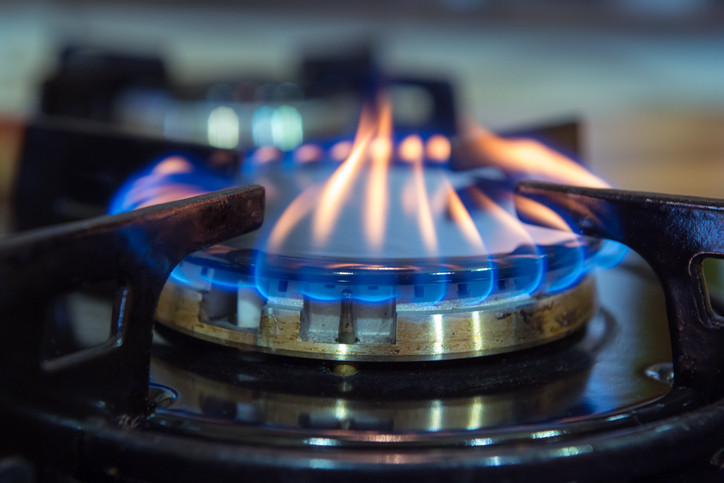
Gas stove flame behavior comes from fuel, air, and the burner. A steady blue flame means good combustion. A yellow or orange flame means incomplete combustion or dirt. Learning these signs helps you control flame quickly and safely.
Key parts that affect flame:
- Burner cap and head control the gas flow pattern.
- Air shutter or vent adjusts how much air mixes with gas.
- Control knob meters gas volume.
- Ignition or pilot creates the spark to light the gas.
Simple science behind the flame:
- Blue flame = right mix of gas and oxygen. It burns hot and clean.
- Yellow flame = too little air or dirty burner; it creates soot and carbon monoxide.
- Flickering or uneven flame = blocked ports or warped pan.
From my real kitchen tests, most uneven flames come from clogged ports or misaligned caps. Clean parts and proper alignment often fix control problems fast.

Step-by-step guide: how to control gas stove flame
Follow these steps to control flame size and stability. Each step is quick and safe.
- Inspect the burner
- Remove the grate and burner cap.
- Check ports for food, grease, or rust.
- Replace damaged caps or heads.
- Clean the ports
- Use a soft brush or toothpick to clear debris.
- Avoid widening ports; only remove clogs.
- Wipe the surface with a damp cloth.
- Realign the burner cap
- Place the cap flat and centered on the burner head.
- Misalignment causes uneven flames and weak heat.
- Adjust the air shutter
- Find the shutter near the burner tube.
- Turn the shutter to let in more air for a bluer flame.
- Make tiny adjustments, then test the flame.
- Use the control knob properly
- Turn knob slowly when moving from high to low.
- For simmer, set flame so it barely touches the bottom of the pan.
- For boiling, use a higher blue flame that stays under the pan.
- Choose the right cookware
- Use flat-bottom pans that match burner size.
- Small flames under large pans waste fuel and make control hard.
- Test and fine-tune
- Light the burner and watch the flame.
- If flame is yellow, add air or clean again.
- If flame flickers, check gas pressure or leaks.
I once adjusted the air shutter on an older stove and cut soot in half. Small moves give big results.

Common problems and fixes when controlling flame
Here are frequent issues and quick fixes so you can act fast.
Yellow or sooty flame
- Cause: dirty ports or too little air.
- Fix: clean burner ports and open the air shutter until the flame turns blue.
Weak or low flame
- Cause: clogged line, low regulator pressure, or knob issues.
- Fix: check other burners; if all are weak, inspect regulator or call a technician.
Flickering or lifting flame
- Cause: draft, misaligned cap, or gas pressure swings.
- Fix: remove drafts, realign cap, or test with another burner to isolate the issue.
Flame too large at low setting
- Cause: faulty valve or misadjusted low-rate screw.
- Fix: adjust the low flame screw if your stove has one, or call a technician.
Intermittent ignition or popping sounds
- Cause: moisture or dirty igniter.
- Fix: dry the area, clean the igniter, and ensure proper gap.
From my repairs, most people can fix sooty flames with simple cleaning. Regulator or valve problems are best left to pros.

Safety best practices for controlling gas stove flame
Safety is the top priority when you learn how to control gas stove flame. Follow these rules every time.
- Always ventilate the kitchen to prevent gas build-up.
- Smell test: if you smell gas, turn off the stove, open windows, and leave the area before calling for help.
- Check for leaks with a soapy water test on fittings; bubbles mean a leak.
- Keep flammable items away from burners, including towels and aerosols.
- Use flame guards or knobs with child locks if you have kids at home.
I once noticed a slow gas leak from an old hose. A quick replacement and better ventilation removed a major hazard. Trust your nose and action quickly.

Professional maintenance and when to call a technician
Know when DIY ends and professional help is needed.
Call a professional if:
- You suspect a gas leak or hear hissing near joints.
- The regulator or pressure needs checking.
- The stovetop valves or internal parts are damaged.
- Multiple burners show abnormal pressure or flame behavior.
Regular maintenance tips:
- Have a certified technician inspect gas lines and regulator every one to two years.
- Replace rubber hoses on schedule or if you see cracking.
- Keep documentation for warranties and service history.
A trained technician has tools to test gas pressure and replace parts safely. That protects your home and keeps flame control reliable.
Tools and accessories to help control flame
Certain tools make it easier to manage flame and get better cooking results.
- Flame tamer or simmer plate to reduce direct heat and prevent scorching.
- Simmer rings for stable, low heat under small pans.
- High-quality flat-bottom cookware that matches burner size.
- Gas leak detector or soapy water bottle for quick checks.
- Matches or manual lighter as backup when automatic ignition fails.
I always keep a simmer ring and a small wire brush in the drawer. They save meals and help maintain a steady flame.

Energy efficiency and cooking tips to get best results controlling flame
Good flame control saves fuel and time. Use these tips to cook smarter.
- Match pan size to the burner to avoid wasted heat.
- Use lids to trap heat and lower flame sooner.
- Start on high to bring water to a boil, then reduce to a lower flame.
- For simmering, set a flame that barely laps the pan base.
- Keep burners clean to maintain heat transfer and lower gas use.
On busy nights, I use lids and lower flame after boiling. It saves gas and keeps food tender.

Frequently Asked Questions of how to control gas stove flame
How do I make my gas stove flame blue instead of yellow?
Clean the burner ports and adjust the air shutter to increase airflow. A blue flame means better combustion and less soot.
Why does my flame go out when I turn it to low?
Possible causes include incorrect low flame adjustment, drafts, or a dirty pilot/igniter. Try repositioning the pan, cleaning the burner, and checking for drafts.
Can I adjust the air shutter myself?
Yes, you can usually adjust the air shutter near the burner tube. Make small changes, test the flame, and stop when the flame is steady and blue.
Is a yellow flame dangerous?
A yellow flame indicates incomplete combustion and can produce carbon monoxide. Clean the burner and call a technician if the issue persists.
How often should I clean my gas stove to control the flame?
Clean visible parts weekly and do a deeper clean monthly. Keep burners and ports clear for consistent flame control.
What tools help control a simmer on gas?
Use a flame tamer, simmer ring, or a heavy-bottom pan to stabilize low heat. These tools distribute heat and make small flames more effective.
Conclusion
Controlling gas stove flame comes down to clean burners, correct airflow, proper cookware, and safe habits. Use the steps here to adjust flames, fix common problems, and know when to call a pro. Try cleaning a burner and adjusting the air shutter today — small fixes make cooking easier and safer. If this guide helped, leave a comment, share your own tips, or subscribe for more kitchen and safety advice.
