

Use flat, magnetic cookware, match pan size to the ring, and cook low and steady.
I have cooked on induction for years. I write and test recipes on it often. This guide shows you how to cook evenly on induction with clear steps, tips, and real tests. I explain cookware choices, heat settings, placement, and fixes. Read on to learn simple ways to get steady results every time.

Why induction heats differently and why it matters
Induction heats by magnetic fields. The cooktop induces current in the pan. Heat forms in the metal, not on the cooktop. That makes the pan heat fast and with sharp hot spots if the pan is uneven. To cook evenly on induction you must control the pan, the heat level, and the contact area.
Many cooks expect gas or electric behavior. Induction reacts faster than both. This can help you get even heat when you use the right tools. My tests show even sears and steady simmers once the basics are in place.

Pick the right cookware for even cooking
Cookware choice is the biggest factor for how to cook evenly on induction. Use these simple rules.
- Use magnetic, ferrous pans. Cast iron, stainless with magnetic base, and some clad pans work best.
- Choose flat bottoms. Flat pans sit on the cooktop and spread heat evenly.
- Match pan size to the ring. A 6-inch pan on an 8-inch ring leaves cold edges.
- Avoid very thin pans for steady heat. Thin pans heat fast but can get hot spots.
- Consider heavy, multi-layered pans. They smooth heat and hold a steady temp.
From my experience, a heavy stainless pan with a thick base gives even browning. I learned this after wasting time with warped cheap pans. Newer pans advertise "induction ready." Still check for flatness and magnetic response.

Heat control: settings, preheat, and technique
Good heat control makes induction predictable. Follow simple steps to cook evenly on induction.
- Preheat on low to medium. Let the pan warm slowly for even heat.
- Use medium-low for most cooking. High power is for rapid boiling or searing only.
- Reduce heat as food cooks. Induction reacts fast. Drop the setting early.
- Use the cooktop’s simmer or low modes for gentle cooking.
- Use timer and watch the food. Induction can change temperature quickly.
I often set to medium and wait 60 seconds before adding oil. For delicate things, I use the lowest steady setting. This habit cut down burning and uneven browning.
Pan placement, surface contact, and ring matching
Where and how the pan sits affects evenness. Small changes make big differences.
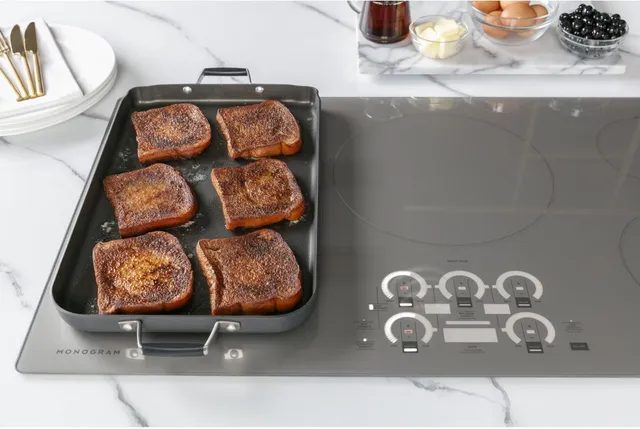
- Center the pan over the ring. Off-center placement causes uneven heating.
- Use the correct ring size. Many cooktops identify ring size. Match it.
- Avoid bridging two rings. Two-ring cooking can be uneven unless designed for it.
- Use an induction interface disk only when needed. It evens heat for non-magnetic pans but lowers efficiency.
- Replace warped pans. A slightly cupped pan will heat unevenly.
In one test I rotated a pan 90 degrees mid-cook. The browning evened out. That shows how movement or correct placement fixes hot spots fast.

Cooking methods and tricks for even results
Some methods work especially well on induction. These let you control heat and get even cooking.
- Searing: Preheat until oil shimmers. Add food and don’t crowd the pan. Finish on lower heat.
- Sautéing: Use steady medium heat and move food constantly for even color.
- Simmering: Start boiling at high, then drop to low. Monitor bubbles and adjust.
- Steaming and poaching: Use lids and gentle heat to let steam distribute heat evenly.
- Pan-roasting: Start on the cooktop, then finish in the oven for consistent results.
Example: To cook chicken evenly, sear skin-side down to brown, then lower heat and cover to finish. I do this often and get moist, even meat every time.

Common problems and fixes when cooking on induction
You will face a few issues. They are easy to fix.
- Hot spots and uneven browning: Use a heavier pan and center it. Preheat longer on low.
- Pans that beep or don’t heat: Check that the pan is magnetic and large enough for the ring.
- Warped pans: Replace or use a flat heavy pan. Thin warped pans heat poorly.
- Food burns quickly: Drop the power and stir more often.
- Small pans on large rings: Move to a smaller ring or use a ring adapter plate.
I once tried thin aluminum on induction with a magnetic disk. Results were mixed. The food stuck and browned unevenly. Switching to a heavy stainless pan solved it.

Maintain your cooktop and pans for consistent outcomes
Care and checks keep results steady. Small habits make a big difference.
- Keep the cooktop clean. Residue reduces contact and can cause flicker.
- Check pan flatness on a ruler or glass top. Replace if cupped.
- Avoid sliding pans on the glass. Lift to move and prevent scratches.
- Store pans properly to avoid warping.
- Read the cooktop manual for special modes and calibration tips.
I clean the glass after every use. That keeps sensors accurate. It also helped stop odd power changes I saw when the top was dirty.
Frequently Asked Questions of how to cook evenly on induction
What type of pan gives the most even heat on induction?
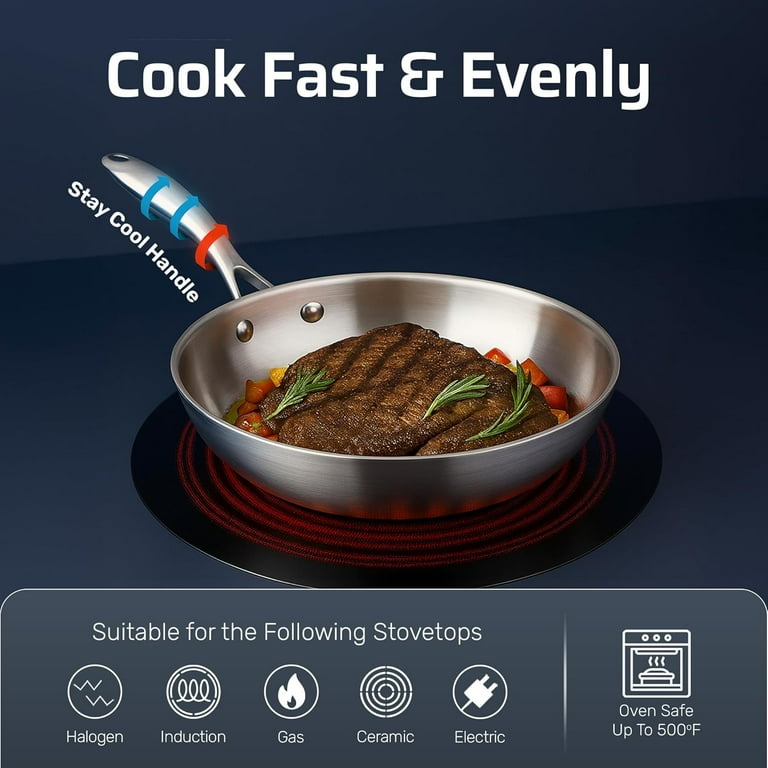
Heavy stainless steel or cast iron with a flat base gives the best even heat. Multi-ply pans with thick cores spread heat well.
How should I preheat my pan on induction?
Preheat on low to medium for 45 to 90 seconds, depending on pan weight. Wait until oil shimmers before adding food.
Can I use non-magnetic pans on induction?
You can with an induction interface disk, but heat will be slower and less efficient. Magnetic pans work best for even cooking.
Why does my food brown unevenly on induction?
Uneven browning often comes from warped or thin pans, wrong ring size, or short preheat time. Match ring and pan, and preheat longer.
Is high heat good for searing on induction?
High heat is good for a quick sear, but use it briefly. Finish on lower heat to cook through evenly.
How do I avoid hot spots when cooking?
Use heavier pans, center them, and preheat gently. Stir or rotate food if you notice uneven color.
Do induction cooktops need calibration?
Most modern units self-calibrate. Clean the surface and follow the manual if you see odd behavior.
Will induction cook evenly for baking in pans?
Yes, if the pan is flat and the heat is steady. For oven baking, induction affects only stovetop steps.
Can plate size differences cause uneven cooking?
Yes. A small pan on a large ring leaves cold edges. Match pan diameter to ring size.
How often should I replace cookware for induction?
Replace when pans warp or lose a flat base. Quality pans often last years with care.
Conclusion
Cooking evenly on induction is simple when you use the right pans, match pan size to the ring, and control heat with care. Start with flat, magnetic cookware and preheat at low to medium. Center the pan, choose heavy bases for steady heat, and lower power early to avoid burning. Try one change at a time and test results.
Take action: check your pans for flatness, pick one technique above, and try a test dish tonight. Share your results or ask a question below to keep learning and improve your induction skills.
