

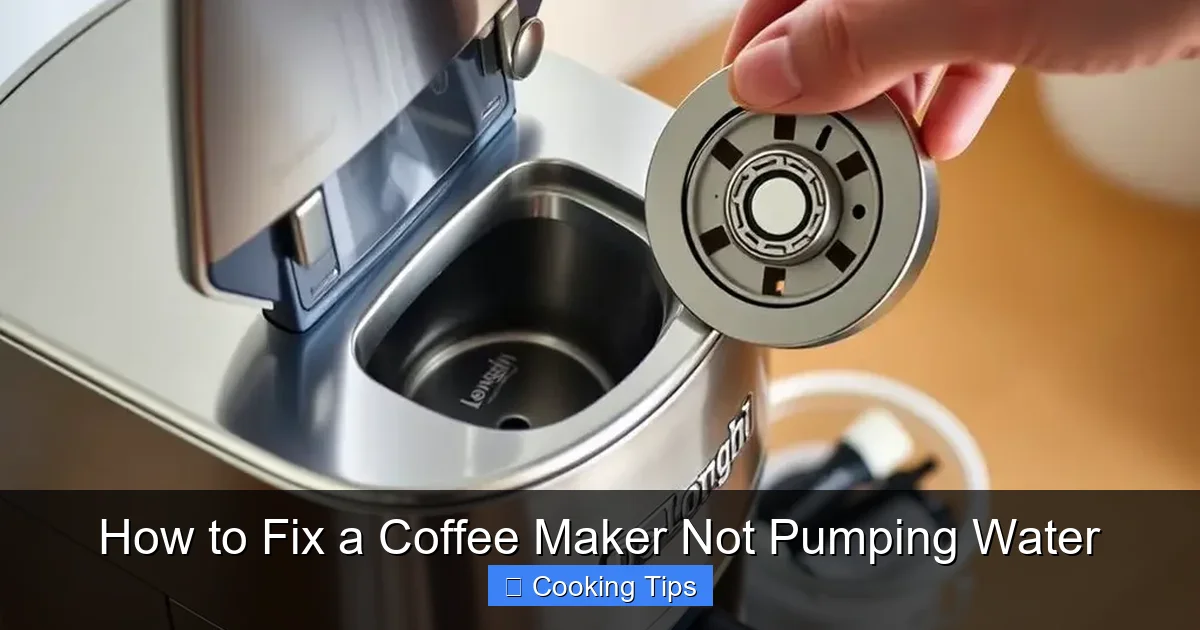
If your coffee maker isn’t pumping water, don’t despair! This guide provides clear, actionable steps to diagnose and fix the problem. We’ll cover everything from simple clogs to potential pump issues, helping you get your morning brew back on track. Follow along and soon you’ll be enjoying a hot cup of coffee once more.
How to Fix a Coffee Maker Not Pumping Water
Ah, the morning ritual. The aroma of freshly brewed coffee filling your kitchen. But what happens when you press that brew button, and… nothing? No gurgling, no steaming, just the deafening silence of a coffee maker refusing to pump water. It’s a frustrating problem, but one that’s often fixable without a trip to the repair shop or a new appliance. This guide will walk you through the common reasons why your coffee maker might not be pumping water and provide you with step-by-step solutions to get your beloved caffeine fix flowing again.
Key Takeaways
- Check the Water Reservoir: Ensure it’s properly seated and filled with enough water, as a loose or empty reservoir is a common cause of no water flow.
- Clean the Water Filter: A clogged filter can restrict water flow, so regular cleaning or replacement is crucial for proper pump function.
- Descale Your Coffee Maker: Mineral buildup is a frequent culprit; a thorough descaling process can remove blockages in the heating element and pump.
- Inspect the Water Lines: Look for kinks or blockages in the tubes that carry water from the reservoir to the heating element and brew basket.
- Test the Pump (Advanced): If other steps fail, the pump itself might be faulty, but this requires more technical expertise and caution.
- Consider the Power Supply: While less common for pumping issues, ensure the coffee maker is properly plugged in and receiving power.
- When to Call a Professional: If you’ve tried all troubleshooting steps and the coffee maker still won’t pump water, it might be time to seek professional repair or consider a replacement.
Understanding Why Your Coffee Maker Isn’t Pumping Water
Before we dive into the fixes, let’s understand the basic process. A coffee maker relies on a small pump to draw water from the reservoir, send it through a heating element to reach the ideal brewing temperature, and then push it up into the brew basket where it saturates the coffee grounds. If any part of this chain is broken, the water won’t move. The most common culprits are simple blockages, airlocks, or a malfunctioning pump.
Step 1: The Simplest Checks – Water Reservoir and Power
It might seem obvious, but many coffee maker problems stem from the basics. Let’s start here.

Visual guide about How to Fix a Coffee Maker Not Pumping Water
Image source: kitchenadvising.com
Check the Water Reservoir
- Is it full? Your coffee maker needs water to pump! Ensure the reservoir is filled to at least the minimum line.
- Is it seated correctly? Many reservoirs have a seal or a lever that needs to be properly aligned to allow water to flow. Take it out and put it back in firmly. Make sure you hear or feel it click into place.
- Is the lid secure? Some coffee makers have a lid that needs to be closed for the pump to engage.
Check the Power
This is less likely to cause a *no-pump* issue specifically, but it’s always worth double-checking.
- Is it plugged in? Ensure the power cord is securely plugged into a working electrical outlet.
- Try a different outlet. Rule out an outlet issue by plugging in another small appliance or trying a different socket.
Step 2: Addressing Common Blockages – Filter and Brew Basket
If the reservoir is fine and it’s plugged in, the next most likely place for a blockage is in the path of the water’s journey.
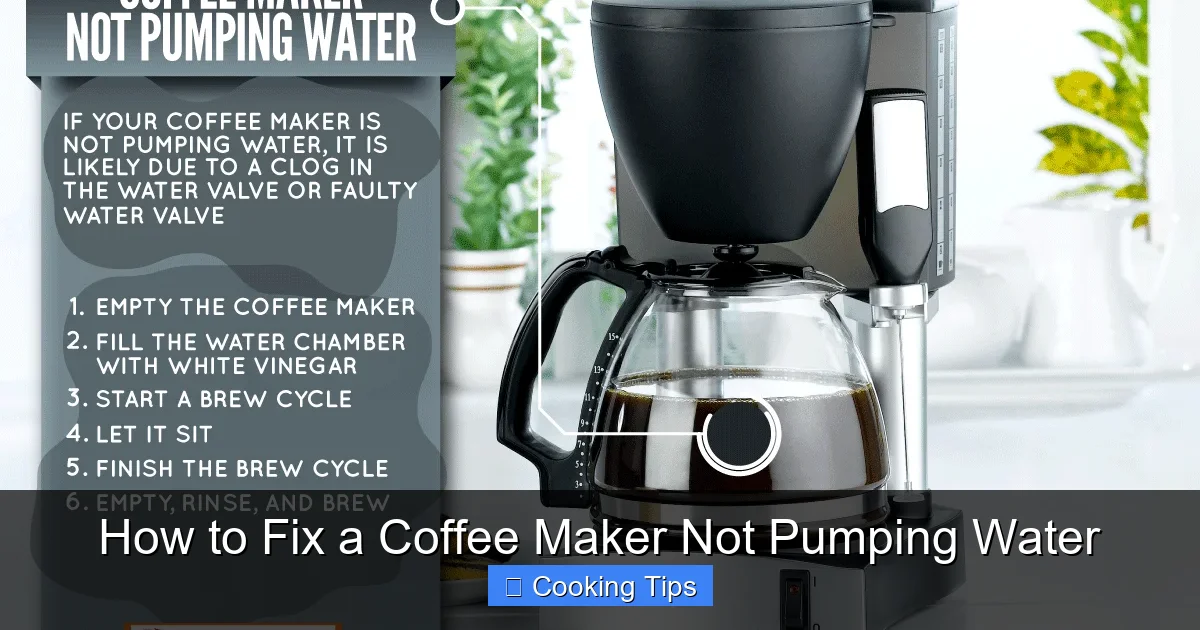
Visual guide about How to Fix a Coffee Maker Not Pumping Water
Image source: kitchenseer.com
Clean or Replace the Water Filter
Many coffee makers use a reusable or disposable water filter in the reservoir. These can become clogged with sediment or mineral deposits, restricting water flow.
- For reusable filters: Remove the filter and rinse it thoroughly under running water. If it appears very dirty or clogged with scale, you may need to soak it in a vinegar solution (see descaling section).
- For disposable filters: Check if it needs replacement according to your manufacturer’s instructions. If it’s been in for a while, it’s a prime suspect for a clog.
Clear the Brew Basket and Showerhead
Coffee grounds or mineral buildup can also clog the small holes in the brew basket’s showerhead, preventing water from distributing evenly and sometimes hindering flow entirely.
- Remove the brew basket and clean it thoroughly with soap and water.
- Use a toothpick or a small, stiff brush (like an old toothbrush) to gently clean out any coffee grounds or residue from the holes in the showerhead. Be careful not to damage the plastic.
Step 3: The Big Guns – Descaling Your Coffee Maker
Mineral deposits, also known as limescale, are the silent killers of coffee makers. Over time, these build up inside the heating element and the water lines, acting like a dam to block water flow. Descaling is crucial maintenance, and often, it’s the solution to your pumping problem.

Visual guide about How to Fix a Coffee Maker Not Pumping Water
Image source: hollicoffee.com
How to Descale Using Vinegar
White vinegar is a common and effective descaling agent. It’s also readily available and inexpensive.
- Empty and Rinse: Make sure your coffee maker is empty of coffee grounds and water. Rinse the carafe and brew basket.
- Prepare the Solution: Mix equal parts white vinegar and water in the coffee maker’s water reservoir. For a standard 12-cup coffee maker, this might be around 6 cups of vinegar and 6 cups of water.
- Run a Brew Cycle (Partial): Place the empty carafe on the warming plate. Turn on the coffee maker and let it run about half of the vinegar-water solution through.
- Let it Sit: Turn off the coffee maker and let the remaining solution sit in the machine for at least 30 minutes to an hour. This allows the vinegar to break down the mineral deposits.
- Complete the Brew Cycle: Turn the coffee maker back on and let the rest of the vinegar-water solution brew through.
- Discard the Solution: Pour out the vinegar-water solution from the carafe.
- Rinse Cycles: Fill the reservoir with fresh, clean water and run at least two to three full brew cycles using only water. This is vital to remove any lingering vinegar taste or smell from your coffee.
Alternative Descaling Solutions
If you don’t have vinegar or prefer not to use it, you can purchase commercial descaling solutions specifically designed for coffee makers. Follow the product’s instructions carefully.
Step 4: Investigating the Water Lines and Pump
If descaling and cleaning haven’t worked, the issue might be with the internal water lines or the pump itself. This is where you’ll need to get a bit more hands-on, and for some, this might be the point to consider professional help.
Check for Kinked or Blocked Water Lines
The internal tubing that carries water can sometimes get kinked or develop blockages from sediment. This is harder to access without some disassembly, which can void your warranty. However, if you’re comfortable, you can often see these tubes by removing the back or side panel of the coffee maker (unplug it first!).
- Visual Inspection: Look for any obvious kinks or constrictions in the tubing.
- Gentle Prodding: If you see a potential blockage, you might be able to gently dislodge it with a thin, flexible tool like a pipe cleaner or a straightened paperclip. Be very careful not to puncture the tubing.
Is the Pump Air-Locked?
Sometimes, if the water level gets too low, air can get into the pump system, creating an “airlock” that prevents it from drawing water. Descaling often helps with this, but if you suspect an airlock:
- Ensure the reservoir is full and properly seated.
- Try running a few cycles with just water. Sometimes, the pump will eventually push the air out.
- You can also try tilting the coffee maker slightly (carefully!) while it’s running (with water in the reservoir) to see if that helps dislodge any trapped air. Do this with extreme caution and ensure no water spills onto electrical components.
The Pump Itself
The pump is the heart of the water-pumping system. If all else fails, it’s possible the pump has failed. This is usually the most complex issue to fix and often requires replacing the entire pump assembly. This is an advanced repair, and unless you are experienced with small appliance repair, it’s often more practical to consider purchasing a new coffee maker.
If you suspect the pump is the issue:
- Unplug the coffee maker.
- Consult your coffee maker’s manual for troubleshooting steps related to the pump.
- Search online for your specific coffee maker model and “pump replacement” to see if repair kits are available and if the process seems manageable for you.
Troubleshooting Recap
Let’s quickly recap the troubleshooting steps:
- Start simple: Check water reservoir, lid, and power.
- Look for clogs: Clean or replace water filter, clear brew basket and showerhead.
- Descale thoroughly: Use vinegar or a commercial solution to remove mineral buildup.
- Inspect internal lines: Look for kinks or blockages if comfortable with minor disassembly.
- Address airlocks: Ensure reservoir is full and try running water cycles.
- Consider pump failure: This is an advanced repair.
When to Call It Quits
Sometimes, despite your best efforts, a coffee maker can be beyond repair, or the cost of replacement parts and your time might outweigh the cost of a new machine. If you’ve gone through all these steps and your coffee maker still refuses to pump water, it might be time to invest in a new one. Look for models with good reviews and consider the lifespan of your previous machine to make an informed decision.
Conclusion
A coffee maker that won’t pump water can put a damper on your morning routine. However, by systematically working through these troubleshooting steps, you can often diagnose and resolve the issue yourself. Most of the time, a simple cleaning or descaling is all that’s needed to get your coffee maker back in working order. So, grab your cleaning supplies, follow this guide, and get ready to enjoy that much-needed cup of coffee!
